
 Worksheets
Evolution Check for Understanding
Total questions: 30
Worksheet time: 20mins
True or False: Evolution will always take a very long time.
True
False
Which of the following is not considered to be a body of evidence for evolution?
Molecular
Fossils
Survival of the Fittest
Morphology
True or False: Only a very small percent of organisms are turned into fossils.
True
False
Which morphological structures do NOT provide evidence of a common ancestor?
Analogous
Homologous
Vestigial
Which types of biomolecules are used as molecular evidence of evolution?
Carbohydrates
Proteins
Lipids
Nucleic acids
Which of the following is NOT a source of genetic variation?
environment
mutations
crossing over
independent assortment
Which mechanism of evolution is described by the following definition?
Organisms best fit for the environment survive and are able to pass of traits to their offspring.
Mutation
Gene flow
Non-random Mating
Natural Selection
Which mechanism of evolution is described by the following definition?
Organisms reproduce with individuals based on proximity or preferred traits.
Mutation
Gene flow
Non-random Mating
Natural Selection
Which selective force is completely random and will also decrease genetic diversity?
mutation
gene flow
genetic drift
artificial selection
True or false: Humans cannot influence evolution of another species.
True
False
A flash flood carried a raft of Amazon ants away from their original population. There is enough distance between the two groups, that they will never meet in nature again. What type of reproductive isolation is this?
behavioral isolation
temporal isolation
gametic isolation
geographic isolation
The genitalia of the male damselfly varies in shape. Certain males can only hold onto & mate with females whose genitalia fit. What type of reproductive isolation is this?
behavioral isolation
temporal isolation
gametic isolation
mechanical isolation
When a zebra & horse mate, they create a zorse. Zorses are sterile. Are zorses their own species?
yes
no
The flowers of pink tulips open in the morning, while the flowers of lavender tulips open in the early afternoon. The bees that pollinate these tulips cannot carry pollen back & forth between the two types of tulips because of their flowers being closed at different times of day. What type of reproductive isolation is this?
behavioral isolation
hybrid sterility
temporal isolation
mechanical isolation
Elimination of a species when it can no longer survive and reproduce.
Extinction
Gradualism
Coevolution
Adaptive radiation
Two of more different species arise from one common ancestor. What pattern of evolution is this?
Divergent Evolution
Gradualism
Coevolution
Speciation
When unrelated species evolve similar characteristics because they live in similar environments. What pattern of evolution is this?
Convergent Evolution
Coevolution
Adaptive Radiation
Divergent Evolution
Two organisms in close relationship change in response to each other. What pattern of evolution is this?
Coevolution
Convergent Evolution
Gradualism
Extinction
During gestation (pregnancy), a developing male pig had a change in his genetic code. The result was that he was able to walk and do karate. What mechanism of evolution is best depicted here?
Genetic Drift
Non-random mating
Mutation
Natural Selection
Wolves from the Arizona mesa were transferred to the Colorado Rockies after a forest fire destroyed their habitat. They quickly became part of the local pack and had offspring. What mechanism is best depicted here?
Mutation
Natural Selection
Genetic Drift
Gene Flow

Bats are common in Texas, especially in rocky regions. Bats with longer hang claws have demonstrated higher fitness because of their ability to cling to rock while resting. This adaptation is becoming more frequent in the population. What mechanism of evolution is this?
Natural Selection
Non-random mating
Gene Flow
Genetic Drift
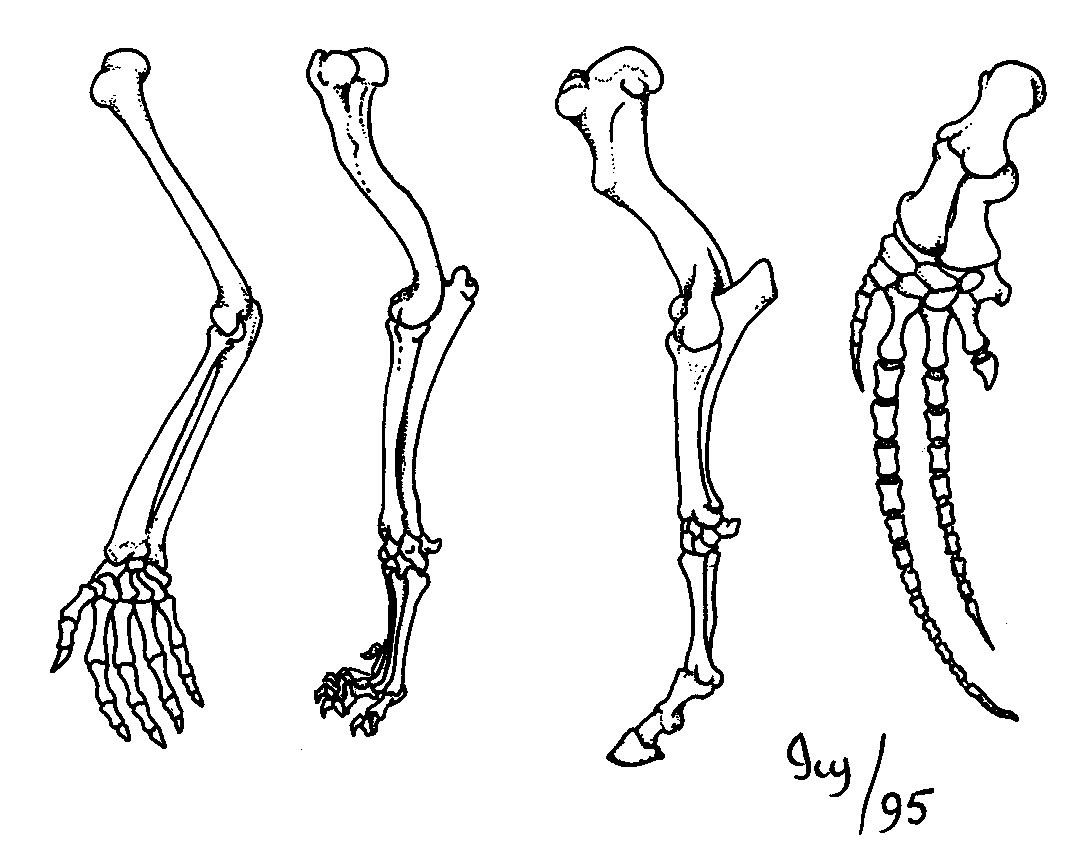


Which is not evidence for evolution?
Many animals have homologous structures due to common ancestry
Many animals have vestigial structures from an ancestor
We can observe changes in life forms by observing the fossil record
All of these are evidence for evolution
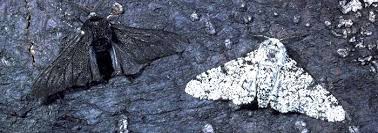
Which IS NOT used as evidence for evolution?
Fossils
Natural Selection
Embryology
Morphology
DNA/Proteins

