
 Worksheets
Nervous System
Total questions: 71
Worksheet time: 47mins
The main function of the nervous system
send messages to and from the brain and spinal cord to and from the body
break down food to be used by the body
remove wastes from the body
all of these
The part of the brain in charge of involuntary actions such as breathing and heartbeat.
cerebrum
medulla
cerebellum
neuron
The part of the brain in charge of thinking and memory.
cerebrum
medulla
cerebellum
neuron
The part of the brain in charge of thinking and memory.
cerebrum
medulla
cerebellum
neuron
Which of the following is a function of the nervous system?
gathers information
processes information
transmits information
all of the above
The part of the body that integrates the information it receives from all over the body in order to make decisions is called the __________________
peripheral nervous system
sympathetic nervous system
central nervous system
parasympathetic nervous system
Which of the following is not the basic function of the nervous system?
detects and senses stimuli
responds to sensory stimulation
sends signal rapidly between body parts
produces fluids such as plasma and intestinal fluid


What part of the brain deals with the thalamus and hypothalamus?
Brain Stem
Cerebellum
diencephalan
cerebrum
The part of the PNS that controls involuntary actions
autonomic nervous system
somatic nervous system
organic nervous system
reflexive nervous system
Nerve cells are called ____.
synapses
cerebrums
neurons
dendrites
The ____ connects the brain to the spinal cord.
cerebrum
cortex
synapse
brain stem
Small part of the brain that controls muscle movements, balance and coordination.
cerebellum
brain stem
cortex
spinal cord
Nerves that cause muscles to move are ____.
axon nerves
motor nerves
sensory nerves
feeling nerves
The thick cord of nerve tissue in the center of the backbone is the ____.
dendrite
neuron
spinal cord
brain stem

If you are having trouble with your BALANCE and COORDINATION, which part of your brain should be checked?
cerebrum
cerebellum
brain stem
spinal cord

____________ ---> ____________ ---> _______________
Response, Stimulus, Interpret
Interpret, Stimulus, Response
Stimulus, Interpret, Response
Response, Interpret, Stimulus
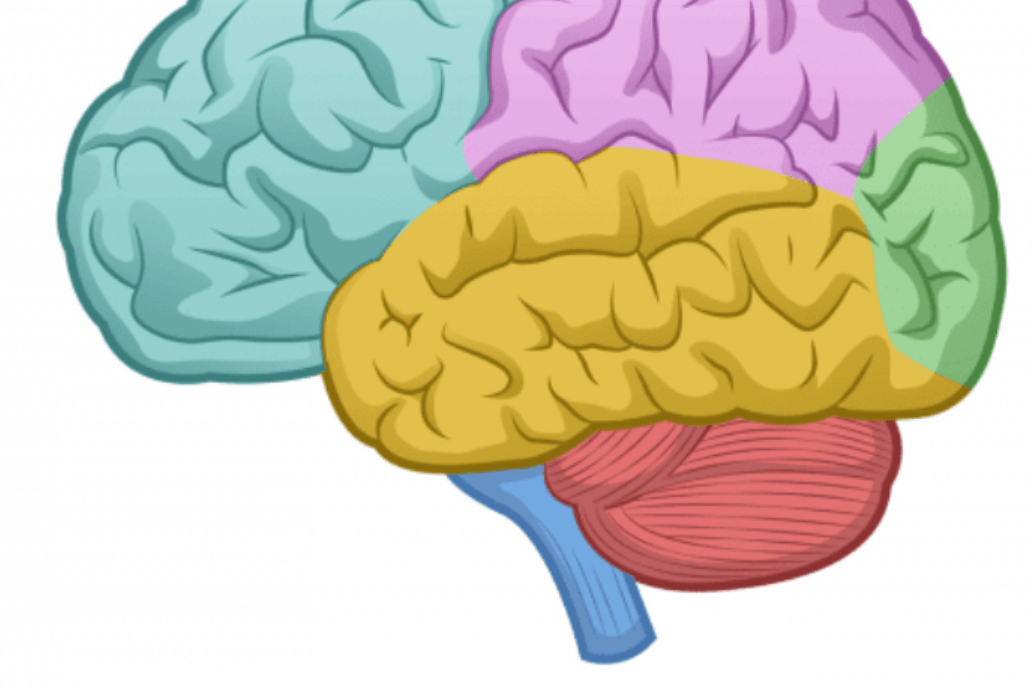
What structure is bright blue and located at bottom of the brain and controls the information sent between brain and rest of the body?
Cerebrum
Cerebellum
Brain Stem

Which part of the brain controls your blood pressure and heart rate?
brain stem
cerebrum
cerebellum
adrenal gland

_____ neurons carry messages away from the central nervous system and out to muscles or glands. The RED neuron in diagram.
sensory
motor
inter
central

An example of voluntary movement would be:
Dancing
heart beat
digestion
breathing

TRUE or FALSE: All nerves have the same job. For example, they all carry messages to the brain
TRUE
FALSE

The nerves in your fingertips are part of the ___ nervous system
central
peripheral

The hippocampus is the part of the brain that
our heart beat
our breathing
Stores our short term memories
processes memories and stores them long term.

What is true about nerves?
Nerves all have the same job - to send messages TO the brain and spinal cord.
Nerves all have the same job - to send messages AWAY the brain and spinal cord.
Nerves all have different jobs -some only send messages TO to the brain and spinal cord with other only send messages AWAY from the brain and spinal cord.
Cranial nerves and spinal nerves are part of the peripheral nervous system.
True
False
What is the inner most meningeal layer of the brain?
Arachnoid
Dura mater
Pia mater
Ventricles
The brain is covered in a membrane called:
choroid plexus.
meninges.
ventricles.
cerebral aqueduct.
When the spinal cord is severed and brain damage occurs, what substance could leak into tissues?
Choroid plexus
Cerebral aqueduct
Cerebrospinal fluid
Corpus callosum
What type of paralysis would a patient have if they sustained a spinal cord injury at the T10 level?
paraplegia
quadraplegia
hemiplegia
paresthesia
Voluntary muscle movement is coordinated by what part of the brain?
Temporal
Occipital
Frontal
Parietal
What part of the brain deals with appetite and temperature control?
Cerebellum
Cerebrum
Hypothalamus
Brain stem
What part of the nervous system is responsible for slowing down breathing and pulse?
Spinal Nerves
Sympathetic
Parasympathetic
Spinal Nerves
Someone with a spinal cord injury might experience:
inability to move and respiratory distress
hairloss
increased appetite
none of the above
Type of neuron that perceive information about your environment.
Motor Neuron
Interneuron
Sensory Neuron
Type of neuron that sends nerve impulses to muscles and gland, by the command of other neurons.
Motor Neurons
Interneurons
Sensory Neurons
What is a nerve cell?
axon
neuron
dendrite
myelin
This disease impairs mental functions, including memory.
Multiple Sclerosis
Alzheimer's
Parkinson's disease
Huntington's Disease
Seizures occur from ___________ because of abnormal electrical discharges from the brain.
A stroke
Epilepsy
Alzheimer's
Huntington's disease
Somatic nervous system controls ___________, whereas the autonomic nervous system controls ___________.
skeletal muscles; visceral organs
brain and spinal cord; spinal and cranial nerves
visceral organs; skeletal muscles
spinal and cranial nerves; brain and spinal cord
Three general functions of the nervous system are
sensory, motor, and predictive
integrative (relay), motor, and sensory
predictive, manipulative, and integrative (relay)
reflexive, sensory, and predictive
Which lobe of your brain are you using to answer this question?
frontal
parietal
temporal
occipital
The meninges consist of
the brain and spinal cord.
nerve tracts that run up and down the spinal cord.
the membranes that delineate all of the major brain parts.
the pia mater, arachnoid mater, and dura mater.
Which lobe of your brain are you using to see this question?
frontal
parietal
temporal
occipital
What disorder is characterized by the death of motor neurons?
Amyotrophic lateral sclerosis
Alzheimer's disease
Multiple sclerosis
Traumatic Brain Injury
Paraplegia is the loss of motor function of the _____ of the body.
extremities
upper region
lower and upper region
lower region
Anna is recovering from a fight with Arianne. Anna’s breathing is slowing down, her pulse is slowing, and she is fatigued. What part of the nervous system is responsible for these changes?
ACranial NervesBParasympatheticCSpinal NervesDSympathetic
Cranial Nerves
Parasympathetic
Spinal nerves
Sympathetic
Sue is experiencing tachycardia and dry mouth following an accident where she sustained an injury. After a few hours, Sue’s symptoms disappeared. Which nervous system structures were likely activated?
Autonomic nervous system
Central nervous system
Cerebral ventricles
Peripheral nervous system
Which nervous system disorder results to a loss of memory (dementia) and other thinking abilities?
Alzheimer's Disease
Multiple Sclerosis
Cerebral Palsy

Which term describes changes in the internal or external environments that can cause a nervous system response?
stimuli
cerebrum
What is the process by which the central nervous system interprets all the information it receives from organs such as the eyes and the skin?
integration
stimuli

