wayground logo

Free Printable Worksheets

Font size

S
M
L
XL
Worksheets

5th Grade Science SUPER review

Total questions: 189

Worksheet time: 3hrs 49mins

Name
Class
Date
1.

What does renewable mean?

a)

Cannot be replaced once used

b)

made new again every day

2.

Nonrenewable resources are replaced quickly.

a)

True

b)

False

3.

Trees are renewable resources.

a)

True

b)

False

4.

Water is a renewable resource.

a)

True

b)

False

5.

The sun is a renewable resource.

a)

True

b)

False

6.

Minerals are renewable resources.

a)

True

b)

False

7.

Gold is a renewable resource.

a)

True

b)

False

8.

Oil is not a renewable resource because ...

a)

it comes from the ground.

b)

it cannot be replaced.

c)

it is too gooey.

d)

it is not heavy enough.

9.

Coal is a renewable resource.

a)

True

b)

False

10.

Wind is a renewable resource.

a)

True

b)

False

11.

What does the term nonrenewable energy sources mean?

a)

Energy can be used more than once

b)

Energy that can be replenished

c)

Energy can be lost once used

12.

What kind of energy is natural gas?

a)

Renewable

b)

Non renewable

13.

What kind of energy is wind?

a)

renewable

b)

Non renewable

14.

What kind of energy is the sun?

a)

renewable

b)

non renewable

15.

Sources of energy made from prehistoric plants and animals.

a)

the sun

b)

the wind

c)

fossil fuels

16.

Energy from moving water can be converted into electricity.

a)

True

b)

False

17.

It is electricity produced from hydropower.

a)

geothermal energy

b)

hydroelectric energy

c)

tidal energy

18.

The use of wind to provide the mechanical power through wind turbines to turn electric generators and traditionally to do other work, like milling or pumping.

a)

turbine energy

b)

wind energy

c)

wave energy

19.

Name two disadvantages to using fossil fuels.

a)

pollution and non-renewable

b)

renewable and clean energy

20.

The inner planets are:

a)

Mars, Jupiter, Saturn, Mercury

b)

Mercury, Venus, Earth, Mars

c)

Jupiter, Saturn, Uranus, Neptune

d)

Earth, Mars, Jupiter, Saturn

21.

The outer planets are:

a)

Mercury, Venus, Earth, Mars

b)

Earth, Mars, Jupiter, Saturn

c)

Jupiter, Saturn, Uranus, Neptune

d)

Mars, Jupiter, Saturn, Uranus

22.

Which terms describe the composition of the inner planets?

a)

rocky

b)

gaseous

c)

water

d)

solid

23.

Which term describes the composition of the outer planets?

a)

rocky

b)

solid

c)

water

d)

gaseous

24.

Which word describes the amount of moons found with the outer planets?

a)

few

b)

a little

c)

some

d)

a lot

25.

Why do the outer planets have longer years than the inner planets?

a)

The outer planets rotate faster than the inner planets.

b)

The outer planets are farther from the sun.

c)

The inner planets are denser and rotate slower.

d)

Outer planets are made of gas.

26.
Which of the following is NOT true of all the inner planets?
a)
They are made of solid rock.
b)
They are called gas giants.
c)
They do not have rings.
d)
They have impact craters.
27.
Very few moons
a)
Inner planets
b)
Outer planets
c)
Both
d)
Mercury
28.
Lots of rings
a)
Inner planets
b)
Outer planets
c)
Both
d)
Mars
29.
Shorter revolutions
a)
Inner planets
b)
Outer planets
c)
Both
d)
Neptune
30.
Located between the inner and outer planets.
a)
Sun
b)
Asteroid belt
c)
Uranus
d)
Moons
31.
Part of the Milky Way
a)
Inner planets
b)
Outer planets
c)
Both
32.
Solar system's hottest planet
a)
Mercury
b)
Venus
c)
Earth
d)
Neptune
33.

Which type of rock is most likely to contain fossils?

a)

Sedimentary

b)

Igeneous

c)

Metamorphic

d)

All rocks

34.

Slate is a dark rock showing crystals and layers. It was formed by shale being changed by heat and pressure. What kind of rock is it?

a)

Sedimentary

b)

Extrusive igneous

c)

Intrusive igneous

d)

Metamorphic

35.

Breccia is a rock made from different sized angular particles which have collected together and been cemented. What kind of rock is it?

a)

Sedimentary

b)

Extrusive igneous

c)

Intrusive igneous

d)

Metamorphic

36.

Which of the following types of rocks is formed when extreme heat and pressure are combined?

a)

Igneous

b)

Metamorphic

c)

Sedimentary

37.

Which type of rock is formed when rocks are melted deep in the Earth and cool to form new rocks?

a)

Igneous

b)

Metamorphic

c)

Sedimentary

d)

Sandstone

38.

What condition is required for piles of sediment to become a sedimentary rock?

a)

High pressure/compaction

b)

Low temperature

c)

Cool Air

39.

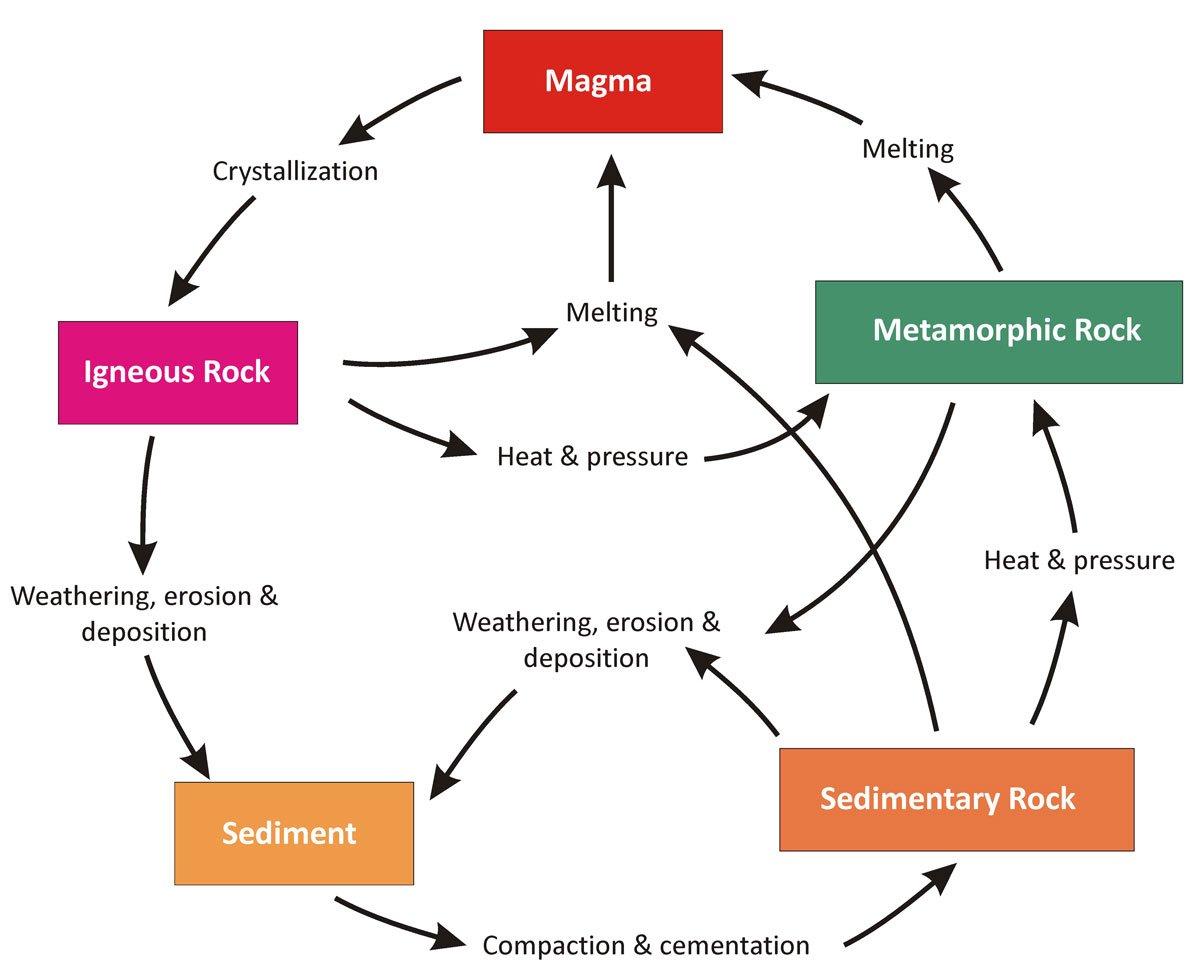
What happens to sedimentary and metamorphic rocks when igneous rocks are formed?

a)

They become ashes.

b)

They form sediments.

c)

They melt to become magma.

40.

What are the three main types of rocks? Check all that apply.

a)

Heat

b)

Metamorphic

c)

Igneous

d)

Pressure

e)

Sedimentary

41.

What is a similarity between Metamorphic and Igneous rocks?

a)

They both are formed with extreme heat.

b)

They both are formed with water.

c)

They both are formed formed by plants.

42.
When sediments are pressed together tightly, this is called ____________.
a)
Compaction
b)
Cementation
c)
Weathering
d)
Erosion
43.
The process when rocks break into smaller pieces due to exposure to natural elements is called
a)
erosion
b)
weathering
c)
sediments
44.
True or False: Once a rock is sedimentary, it cannot become an igneous rock.
a)
True
b)
False
45.
The process by which metamorphic rocks are formed...
a)
heat and pressure
b)
erosion and deposition
c)
melting and cooling
46.
The name rock is given when it is broken down into smaller pieces.
a)
texture
b)
weathering
c)
sediment
d)
erosion
47.

What is the role of the sun in the water cycle?

a)

provide heat energy for evaporation

b)

provide heat energy for condensation

c)

dry out the soil for runoff to occur

d)

provide thermal energy for accumulation

48.

Which of the following is an example of precipitation?

a)

sleet

b)

hail

c)

snow

d)

all of the above

49.

Which of the following is NOT a way water moves from the land to the air?

a)

transpiration

b)

respiration

c)

evaporation

d)

precipitation

50.

What is it called when plants release water vapor through their leaves?

a)

sublimation

b)

respiration

c)

transpiration

d)

precipitation

51.

What is the process called when water vapor turns to liquid water?

a)

evaporation

b)

condensation

c)

precipitation

d)

transpiration

52.

What do we call water in its gas state?

a)

rain

b)

snow

c)

ice

d)

water vapor

53.

Water falls to Earth as rain after water vapor ________ into clouds.

a)

evaporates

b)

accumulates

c)

condenses

d)

freezes

54.

During evaporation, water changes from a _________ to a __________.

a)

solid, liquid

b)

gas, liquid

c)

liquid, gas

d)

liquid, solid

55.

The water cycle starts at....

a)

evaporation

b)

condensation

c)

precipitation

d)

it has not beginning or ending

56.

What process is show by letter A in the diagram?

a)

condensation

b)

evaporation

c)

accumulation

d)

precipitation

57.

What is shown by letter D in the diagram?

a)

runoff

b)

groundwater

c)

melting

d)

vapor

58.
Snow, sleet, hail, and rain are all examples of  ________________. 
a)
evaporation
b)
condensation
c)
accumulation
d)
precipitation
59.
What is it called when plants give off water vapor as a waste product?
a)
condensation
b)
evaporation
c)
sublimation
d)
transpiration
60.
What is precipitation?
a)
The part of the water cycle when the sun heats up water, turning it from a liquid into water vapor or steam. It rises from the ground into the air.
b)
The part of the water cycle when the water vapor in the air gets cold. The water turns back into a liquid and forms clouds.
c)
The part of the water cycle when clouds get heavy and can no longer hold the liquid water. This causes the water to fall from the sky to the earth as rain, snow, sleet, or hail.
61.
What is condensation?
a)
The part of the water cycle when the sun heats up water, turning it from a liquid into water vapor or steam. It rises from the ground into the air.
b)
The part of the water cycle when the water vapor in the air gets cold. The water turns back into a liquid and forms clouds.
c)
The part of the water cycle when clouds get heavy and can no longer hold the liquid water. This causes the water to fall from the sky to the earth as rain, snow, sleet, or hail.
62.
What is evaporation?
a)
The part of the water cycle when the sun heats up water, turning it from a liquid into water vapor or steam. It rises from the ground into the air.
b)
The part of the water cycle when the water vapor in the air gets cold. The water turns back into a liquid and forms clouds.
c)
The part of the water cycle when clouds get heavy and can no longer hold the liquid water. This causes the water to fall from the sky to the earth as rain, snow, sleet, or hail.
63.
What is water that flows in rivers and streams into the oceans and lakes?
a)
evaporating
b)
condensing
c)
precipitating
d)
runoff
64.
Which of the following causes all of the water on the planet to change its state (solid, liquid, gas) and move through the water cycle?
a)
amount of plant matter
b)
location of ice caps
c)
size of ocean
d)
temperature
65.
Which of these is not an example of precipitation?
a)
rain
b)
clouds
c)
sleet
d)
snow
66.

What is it called when there is too much water vapor in the air?

a)

Evaporation

b)

Condensation

c)

Precipitation

d)

Humidity

e)

Transpiration

67.

A physical change...

a)

changes the physical properties of an object, but does not create a new substance.

b)

creates a new substance and cannot be undone.

68.

Is this an example of a physical or chemical change?

a)

physical

b)

chemical

69.

A chemical change

a)

changes the physical properties of an object, but does not create a new substance.

b)

creates a new substance and cannot be undone.

70.

Is this an example of a physical or chemical change?

a)

physical

b)

chemical

71.

Is this an example of a physical or chemical change?

a)

physical

b)

chemical

72.

Is this an example of a physical or chemical change?

a)

physical

b)

chemical

73.

Is this an example of a physical or chemical change?

a)

physical

b)

chemical

74.

Is this an example of a physical or chemical change?

a)

physical

b)

chemical

75.

Is this an example of a physical or chemical change?

a)

physical

b)

chemical

76.

Is this an example of a physical or chemical change?

a)

physical

b)

chemical

77.

Is this an example of a physical or chemical change?

a)

physical

b)

chemical

78.

Is this an example of a physical or chemical change?

a)

physical

b)

chemical

79.

Is this an example of a physical or chemical change?

a)

physical

b)

chemical

80.

Is this an example of a physical or chemical change?

a)

physical

b)

chemical

81.

Is this an example of a physical or chemical change?

a)

physical

b)

chemical

82.

Is this an example of a physical or chemical change?

a)

physical

b)

change

83.
Stored energy is called ______ energy.
a)
Kinetic
b)
Potential
c)
Pacific
d)
Safe
84.
Energy of motion is which type of energy?
a)
Potential
b)
Kinetic
c)
Sound
d)
Gravitational
85.
What type of energy is in this picture?
a)
Kinetic
b)
Potential
c)
Chemical
d)
Sound
86.
What machine changes electrical energy into light and sound energy?
a)
battery
b)
lightbulb
c)
alarm clock
d)
apple
87.
What type of energy includes both kinetic and potential energy?
a)
mechanical energy
b)
chemical energy
c)
heat energy
d)
sound energy
88.
What is the transformation shown in the picture?
a)
chemical to electrical to light
b)
electrical to chemical to light
c)
light to chemical to electrical
d)
chemical to light to electrical
89.

Heat is another name for

a)

thermal energy

b)

electrical energy

c)

mechanical energy

d)

gravitational energy

90.

What type(s) of energy does a fridge contain?

a)

Sound Energy

b)

Thermal Energy

c)

Mechanical Energy

d)

All of the above

91.

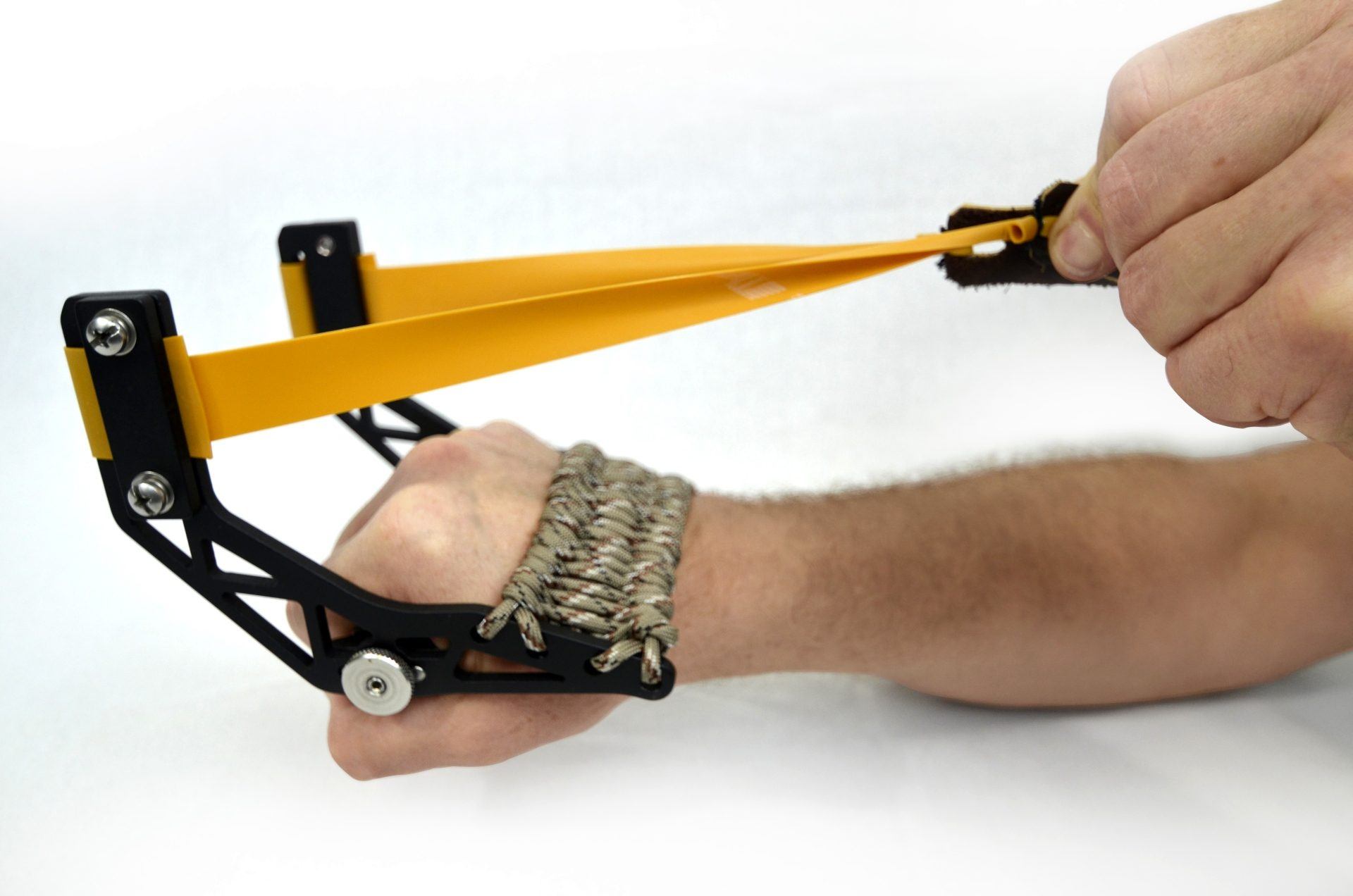
Which 2 types of energy does the object in the image use?

a)

Electric and Thermal

b)

Nuclear and Elastic

c)

Chemical and Mechanical

d)

Sound and Elastic

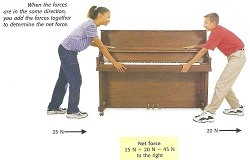
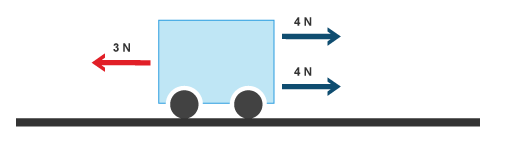
92.
What is the net force?
a)
5 N
b)
45 N to the left
c)
5 N to the right
d)
45 N to the right
93.
What is a force?
a)
the PUSH or PULL on an object 
b)
The MOTION an object creates
c)
The objects HITTING one another
d)
Going REALLY FAST
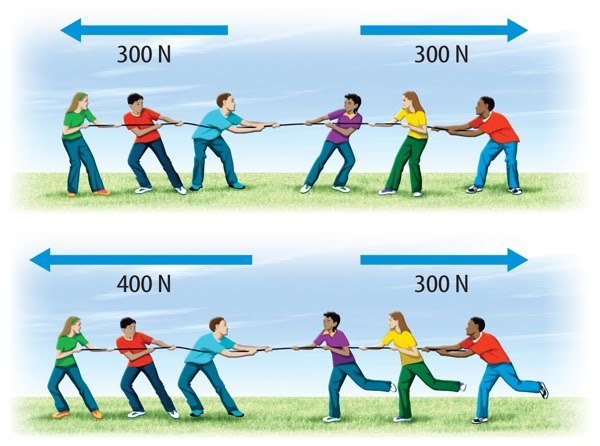
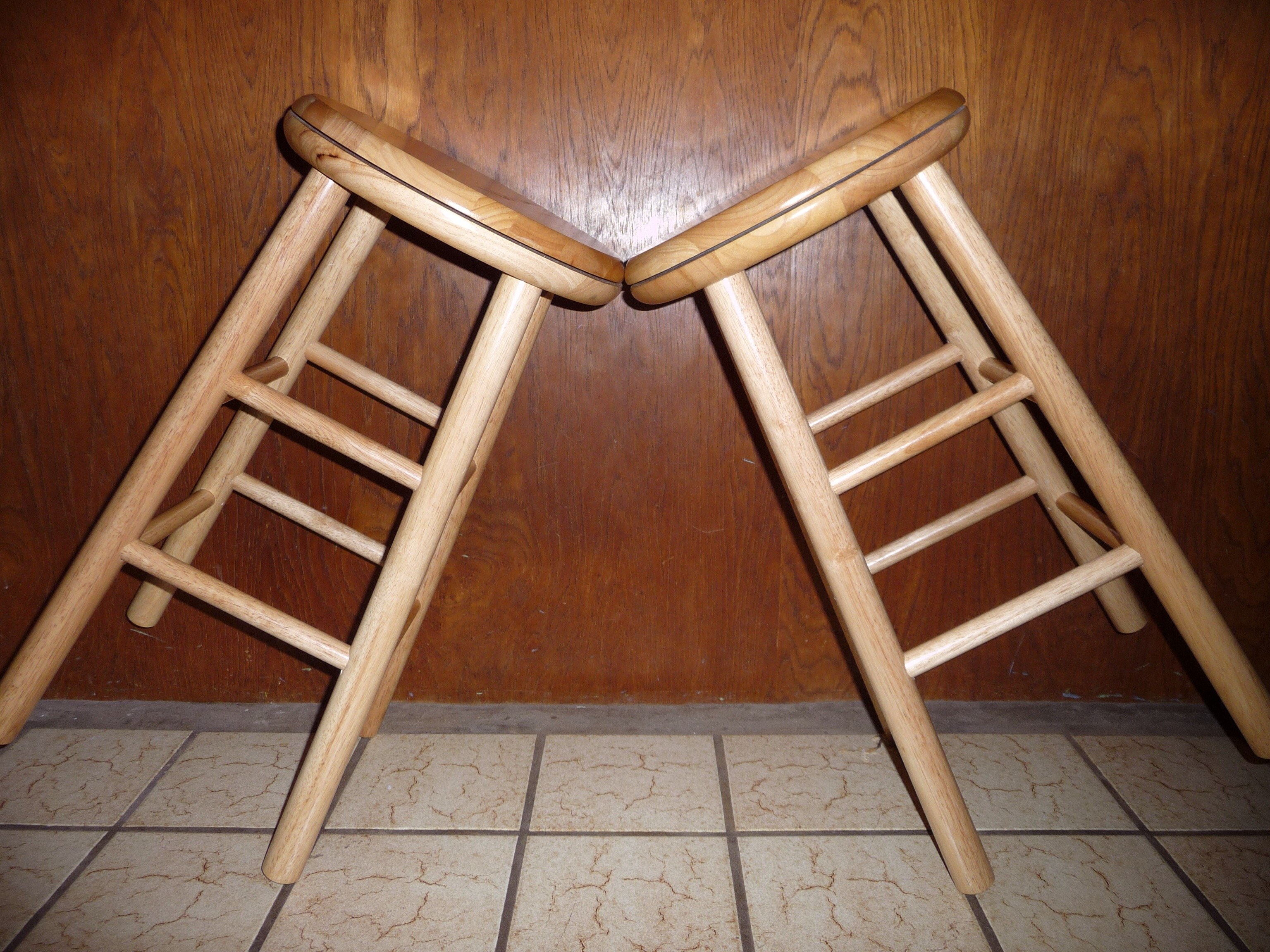
94.
Which one is balanced?
a)
top
b)
bottom
c)
both
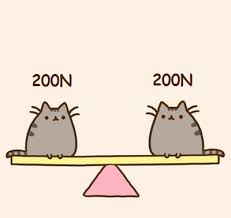
95.
Is it BALANCED? 
a)
Yes
b)
No
96.
What is the FORCE? 
a)
5 N
b)
10 N
c)
400 N
d)
0 N
97.
What is the unit for FORCE? 
a)
N (Newtons)
b)
lbs (pounds)
c)
g (grams)
d)
m/s (meters per second)
98.
If there are two forces going in the SAME direction, you would ...?
a)
(-) Subtract the forces
b)
(+) Add the forces
c)
Neither
d)
(x) Multiply
99.
Forces that have a force of Zero (0).
a)
Balanced force
b)
Unbalanced force
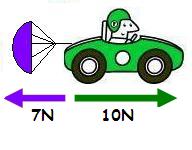
100.
If the net force is 0 the object will ... 
a)
CHANGES motion
b)
STAY the SAME, NOT Move
101.
What is the net force?
a)
17 N Right
b)
3 N Right
c)
3 N Left
d)
17 N Left
102.
What is the male part of the flower called?
a)
pistil
b)
petal
c)
stamen
d)
leaf
103.
What is the female part of the flower called?
a)
pistil
b)
stamen
c)
leaf
d)
petal
104.

Flowers pollinated by insects have brightly coloured and scented

a)

sepals

b)

petals

c)

stigmas

d)

stamens

105.

What are the two types of pollination

a)

by water

b)

by wind

c)

by animals

d)

by photosynthesis

106.
The female part of the flower is known as the ____.
a)
stamen
b)
anther
c)
filament
d)
pistil
107.

which parts make up the stamen?

a)

anther

b)

filament

c)

stigma

d)

style

108.

Which are parts of the pistil?

a)

anther

b)

filament

c)

stigma

d)

style

e)

Ovary

109.

which part of the flower protects the bud?

a)

Sepal

b)

Filament

c)

Stigma

d)

Petal

110.

What characteristic of a flower attracts pollinators?

a)

The color of the petals

b)

The size of the petals

c)

The smell of the flowers

d)

The size of the entire flower

111.

What does the ovary of a flower contain inside of it?

a)

eggs

b)

water

c)

food

d)

stigma

112.

what part of the flower receives the pollen?

a)

Stigma

b)

Style

c)

Filament

d)

Petals

113.

What part of the flower gives away the pollen?

a)

Anther

b)

Stigma

c)

Sepal

d)

Ovary

114.

What part of the flower letter D?

a)

Stigma

b)

Style

c)

Anther

d)

Filament

115.

What part of the flower letter F?

a)

Stigma

b)

Style

c)

Anther

d)

Filament

e)

Pistil

116.

What part of the flower letter A?

a)

Stigma

b)

Ovary

c)

Anther

d)

Filament

e)

Pistil

117.

What part of the flower letter C?

a)

Petal

b)

Ovary

c)

Anther

d)

Style

e)

Pistil

118.

What state of matter is this?

a)

Solid

b)

Liquid

c)

Gas

119.

What state of matter is this?

a)

Solid

b)

Liquid

c)

Gas

120.

What state of matter is this?

a)

Solid

b)

Liquid

c)

Gas

121.

True or False: objects that are smooth have LESS friction than objects that are rough

a)

TRUE

b)

FALSE

122.

Imagine you decide to jump out of an airplane 🛩

Which force is going to pull you down towards earth

a)

Fluid Friction

b)

Static Friction

c)

Gravity

d)

The wind from the airplane

123.
 What is the unit called that measures force?
a)
weight
b)
meter
c)
Newton
d)
kilogram
124.
What does friction produce?
a)
light
b)
sound
c)
heat
d)
gravity
125.

Which two of these forces act on parachutes?

a)

Air Resistance

b)

Gravity

c)

Thrust

d)

Kinetic Energy

126.
Vertebrate or Invertebrate?
a)
Vertebrate
b)
Invertebrate
c)
Neither
127.
Vertebrate or Invertebrate?
a)
Vertebrate
b)
Invertebrate
c)
Neither
128.
Vertebrate or Invertebrate?
a)
Vertebrate
b)
Invertebrate
c)
Neither
129.
Vertebrate or Invertebrate?
a)
Vertebrate
b)
Invertebrate
c)
Neither
130.
Vertebrate or Invertebrate?
a)
Vertebrate
b)
Invertebrate
c)
Neither
131.
Vertebrate or Invertebrate?
a)
Vertebrate
b)
Invertebrate
c)
Neither
132.
Vertebrate or Invertebrate?
a)
Vertebrate
b)
Invertebrate
c)
Neither
133.
Vertebrate or Invertebrate?
a)
Vertebrate
b)
Invertebrate
c)
Neither
134.
Vertebrate or Invertebrate?
a)
Vertebrate
b)
Invertebrate
c)
Neither
135.
Vertebrate or Invertebrate?
a)
Vertebrate
b)
Invertebrate
c)
Neither
136.

What is a invertebrate?

a)

an animal without a backbone

b)

an animal with a backbone

137.

The animal kingdom is what up of what two parts?

a)

Mammals and Amphibians

b)

Vertebrates and Invertebrates

138.

What is a vertebrate?

a)

an animal without a backbone

b)

an animal with a backbone

139.

What is a invertebrate?

a)

an animal without a backbone

b)

an animal with a backbone

140.
The faster an object moves, the ________ kinetic energy it has. 
a)
more
b)
less
c)
none of the above
d)
all of the above 
141.
What would have the greatest kinetic energy?
a)
A car driving down a hill.
b)
A person running down a hill. 
c)
A ball rolling down a hill. 
142.
Which is the best example that something has kinetic energy?
a)
a. a car parked on a steep hill 
b)
b. a tennis ball rolling across the court
c)
c. a picture hanging on the wall 
d)
d. a piece of coal before it's burned 
143.
What is kinetic energy?
a)
energy of work
b)
energy of motion
c)
energy of gravity
d)
energy of power
144.

Where would this tossed baseball have the greatest amount of kinetic energy?

a)

point W

b)

point X

c)

point y

d)

point z

145.

Increasing an object's mass will increase its kinetic energy.

a)

true

b)

false

146.

Increasing an object's speed will increase its kinetic energy.

a)

false

b)

true

147.
What kind of energy is in a moving skateboard?
a)
Potential
b)
Kinetic
148.
What kind of energy is in a stretched rubber band?
a)
Potential
b)
Kinetic
149.
__________ is stored energy. 
a)
Potential
b)
Kinetic
c)
None of the above 
d)
All of the above 
150.
 What is the unit called that measures force?
a)
weight
b)
meter
c)
Newton
d)
kilogram
151.
What does friction produce?
a)
light
b)
sound
c)
heat
d)
gravity
152.

True or False: objects that are smooth have LESS friction than objects that are rough

a)

TRUE

b)

FALSE

153.
Friction is a force that acts in an ___________ direction of movement.
a)
similar
b)
opposite
c)
parallel
d)
west
154.
The rougher the surface, the faster an object will travel over the surface.
a)
True
b)
False
155.

Which of these materials do you predict would have the MOST amount of friction?

a)

metal

b)

tile

c)

sand paper

d)

denim

156.

Rough surfaces have _________

a)

greater friction

b)

less friction

c)

the same level of friction

157.

Rough surfaces have _________

a)

greater friction

b)

less friction

c)

the same level of friction

158.

More mass = More inertia

a)

True

b)

False

159.

the tendency of an object to resist a change in its motion

a)

acceleration

b)

inertia

c)

mass

d)

frame of reference

160.
Can be separated. 
a)
mixture
b)
solution
161.
Substances don't dissolve. 
a)
mixture
b)
solution
162.
Difficult to separate. 
a)
mixture
b)
solution
163.
Trail mix
a)
mixture
b)
solution
164.
Shampoo
a)
mixture
b)
solution
165.

Mixture or Solution?

a)

Mixture

b)

Solution

166.
Which of these is not a mixture? 
a)
oil and water
b)
sand and soda
c)
diet soda
d)
all are mixtures
167.
Determines the type of animals that can live there.
a)
Weather
b)
Climate
168.
What is going on with the atmosphere at any particular time.
a)
Weather
b)
Climate
169.
the amount of water vapor in the air
a)
warm front
b)
precipitation
c)
humidity
d)
air pressure
170.
An instrument used to measure how hot or cold something is
a)
barometer
b)
thermometer
c)
wind sock
d)
rain guage
171.
Average weather conditions of a region year after year
a)
weather
b)
season
c)
cold front
d)
climate
172.

Which best describes climate?

a)

Summers are usually hot and dry.

b)

It rained last week.

c)

Yesterday it was cold and windy.

173.

Snow forms when the air is at or below 0 degrees celsius.

a)

True

b)

False

174.
Climate or Weather?
New Hampshire recorded 12 inches of snow yesterday.
a)
Weather
b)
Climate
175.
Climate or Weather?
Florida had its hottest day so far this year at 97 degrees Fahrenheit.
a)
Climate
b)
Weather
176.
Climate or Weather?
It is usually mild during the winter in the southern states of the United States.
a)
Climate
b)
Weather
177.
Climate or Weather?
Oklahoma saw 2 tornadoes, 57 lightning strikes, 9 inches of rain, and high winds every day this week.
a)
Climate
b)
Weather
178.
Formed by heat and pressure
a)
Sedimentary
b)
Metamorphic
c)
Extrusive Igneous
d)
Intrusive Igneous
179.
A rock formed from fragments of other rocks is a(n)
a)
Metamorphic Rock
b)
Sedimentary Rock
c)
Extrusive Rock
d)
Igneous Rock
180.
Fossils are only found in
a)
Sedimentary rocks
b)
Foliated Metamorphic rocks
c)
Igneous Rocks
d)
Nonfoliated Metamorphic rocks
181.

What are rocks out of?

a)

Minerals

b)

DIrt

c)

Atoms

d)

Particles

182.

Which does gravity work hardest on?

a)

an elephant

b)

a mouse

c)

a horse

d)

a pebble

183.

What is an example of Electric Energy

a)

Apple

b)

Rubber Bands

c)

Car Battery

d)

Table

184.

What type(s) of energy does a fridge contain?

a)

Sound Energy

b)

Thermal Energy

c)

Mechanical Energy

d)

All of the above

185.

Heat Energy is called:

a)

Radiant Energy

b)

Chemical Energy

c)

Thermal Energy

d)

Mechanical Energy

186.

Which 2 types of energy does the object in the image use?

a)

Electric and Thermal

b)

Nuclear and Elastic

c)

Chemical and Mechanical

d)

Sound and Elastic

187.

I use electrical energy and convert it to thermal,what am I?

a)

Fortnite

b)

PC

c)

TV

d)

toaster

188.
What is energy from the sun?
a)
electrical energy
b)
solar energy
c)
mechanical energy
d)
potential energy
189.

Standing still is what kind of energy?

a)

Potential Energy

b)

Kinetic Energy