
Font size
 Worksheets
2nd Science Titrations, Rates of reaction & Exo/Endothermic
Total questions: 25
Worksheet time: 14mins
List four factors that affects the rate of a reaction
temperature
concentration
surface area
volume
catalysts
A temperature increase causes the particles ......
to slow down
move faster
collide higher
in the right order
How does a catalyst work in speeding up a reaction?
By lowering the activation energy or reaction
by giving them more energy
by making them more available
Why does a higher concentration increase the rate of reaction?
it increases the amount of reactants
it lowers the activation energy
it increases the energy of particle collisions
it increases the frequency of particle collisions
The ______________is required to break the bonds of the reactants.
Carbonic energy
Activation energy
Plutonic energy
Energi Gaib
The minimum amount of energy needed for colliding particles to react is called
Chemical Energy
Kinetic Energy
Activation Energy
Potential Energy
complete the sentence:
exothermic reactions....
release bubbles
release heat to the surroundings
absorb heat from the surroundings
endothermic reactions....
takes in heat from the surroundings
absorbs heat from the reaction
releases heat to the surroundings

This is a reaction profile diagram for an...
endothermic reaction
exothermic reaction

This is a reaction profile diagram for an...
endothermic reaction
exothermic reaction
Using the diagram, what answer below explains what a catalyst does?
decreases activation energy
increases the energy change
decreases the energy change

Which letter from the diagram represents activation energy?
A
B
E
F
What allows us to know when the end point has been reached?
Bubbles
Feels warm
indicator changing color
Turns to a solid
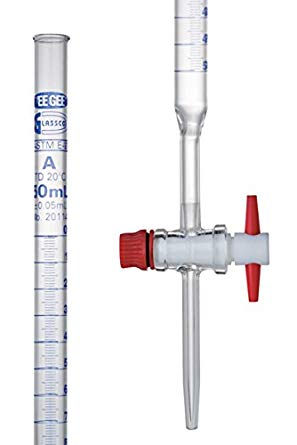
What is this piece of apparatus called
Pipette
Burette
Janette
Cuvette
A titration works by using a ___________________________ reaction.
Single Replacement
Neutralization
Combustion
Synthesis


What is this piece of apparatus called
Pipette
Burette
Janette
Cuvette

