
 Worksheets
Population Growth
Total questions: 21
Worksheet time: 30mins

S curve
J curve
exponential growth
linear growth
short life span, little parental care, high number of offspring
r strategies
k strategies
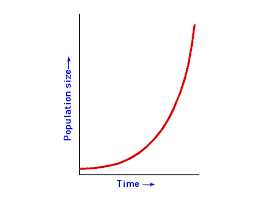
Exponential growth model makes a(n) _______ curve when graphed
S
J
linear
Rate of growth slows down once nearing K or carrying capacity is what you would see with ....
logistic growth
exponential growth
Logistic growth makes a(n) ________ curve when graphed
J
S
linear
The maximum population size an area can support is determined by
exponential growth
limiting factors
Predation, mating, hunting, disease are all examples of
density dependent limiting factors
density independent limiting factors
Density independent factors would be all of these EXCEPT
drought
fire
predation
temperature
Maximum number of individuals an area can support
limiting resources
carrying capacity
population density
density capacity
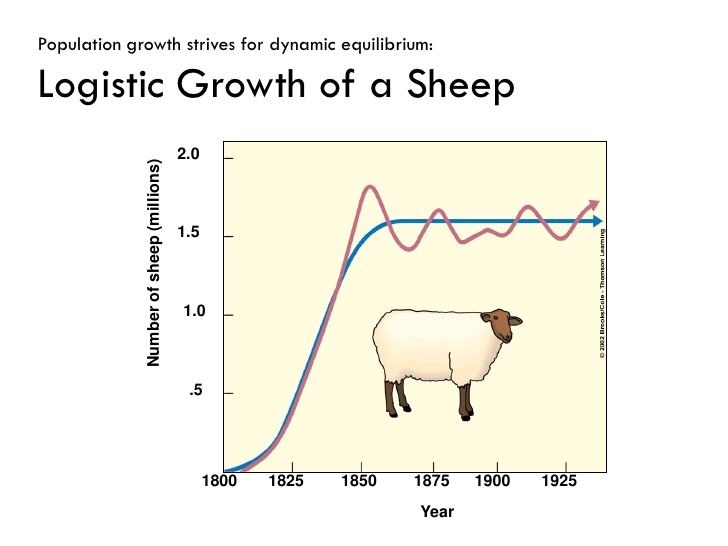


Logistic population growth can be described as
growth when resources are limited
a s-shaped curve
reaching carrying capacity
all of the above

Density-independent limiting factors to population growth includes
stress from overcrowding
parasitism
competition
natural disasters
The intrinsic growth rate of a population
occurs at the population's carrying capacity
depends on the limiting resources of the population
increases as the population size increases
only occurs under ideal conditions
In the formula, Nt = No ert, the No stands for...
initial population size
final population size
a population of zero
growth rate
In the formula, Nt = No ert, the growth rate is...
letter t, in #/years
letter r, in a percent form
letter r, in a decimal form
letter e
Using the formula, Nt = No ert, how many rabbits would there be in 4 years if you start with 20 rabbits and have a 25% growth rate
36 rabbits
25 rabbits
27 rabbits
54 rabbits

