
Font size
 Worksheets
F2_Science_Chapter Test(C1-C4)
Total questions: 50
Worksheet time: 27mins
What is an endemic species?
Species that can be found anywhere
Animals that became endangered
Organisms that can only be found in restricted habitat
Plants that can undergo photosynthesis
Choose the animal that is a vertebrate.
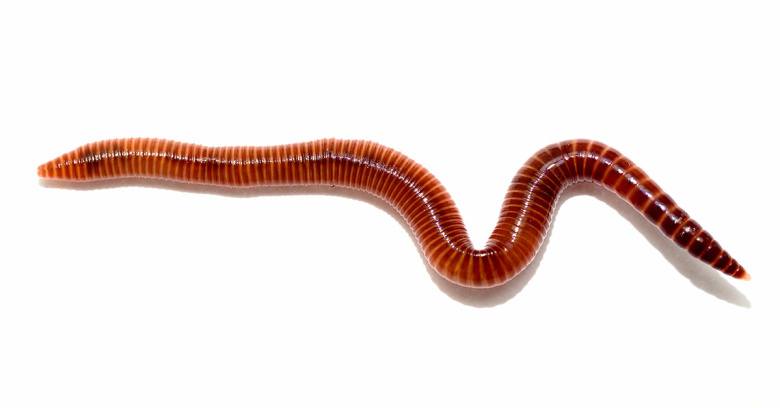
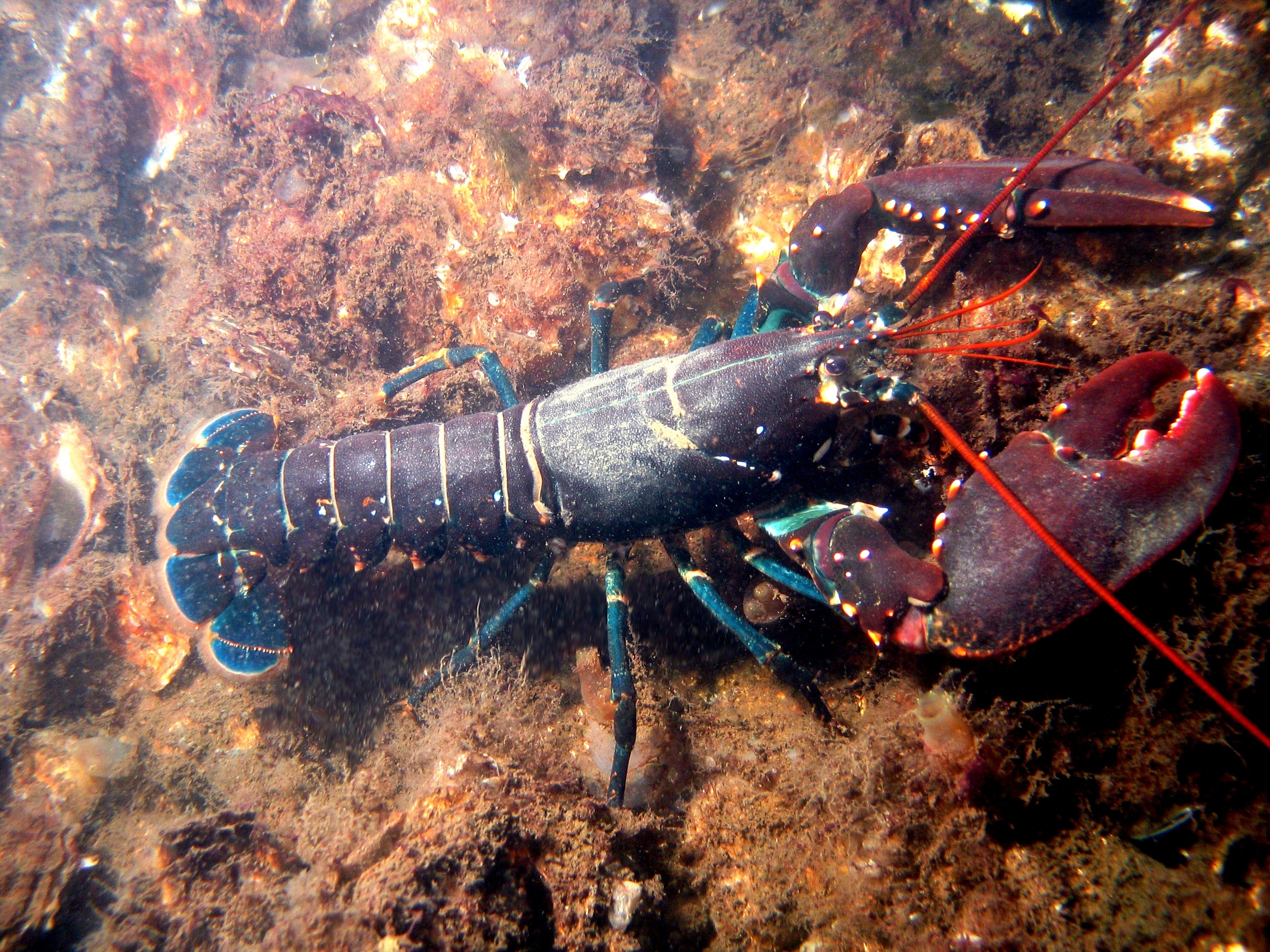
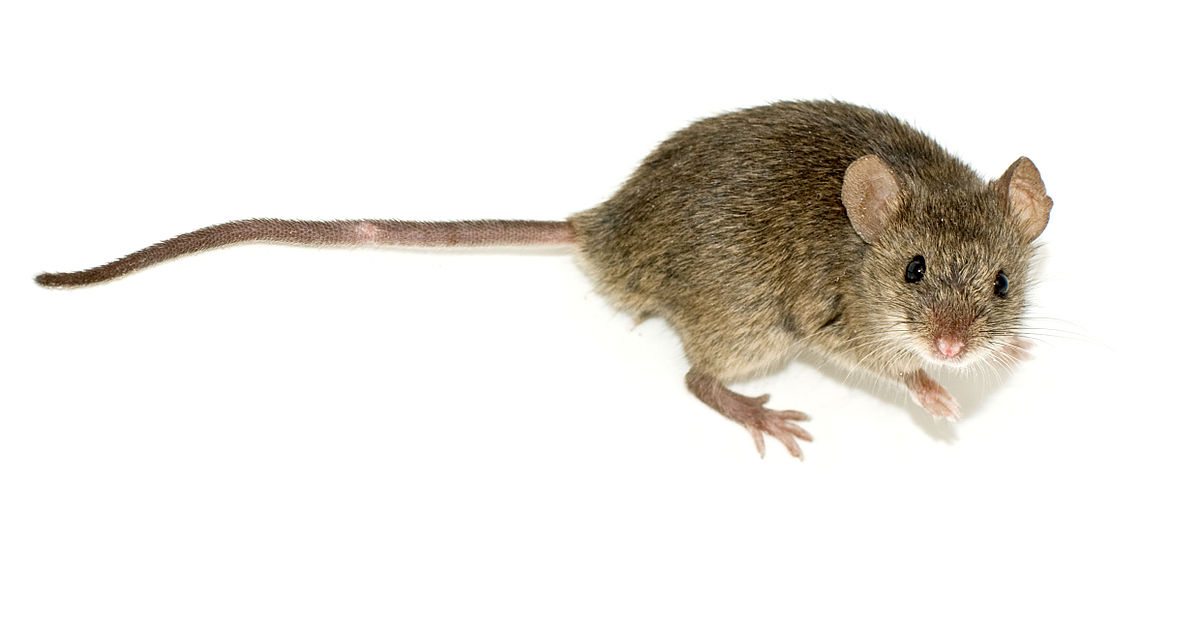
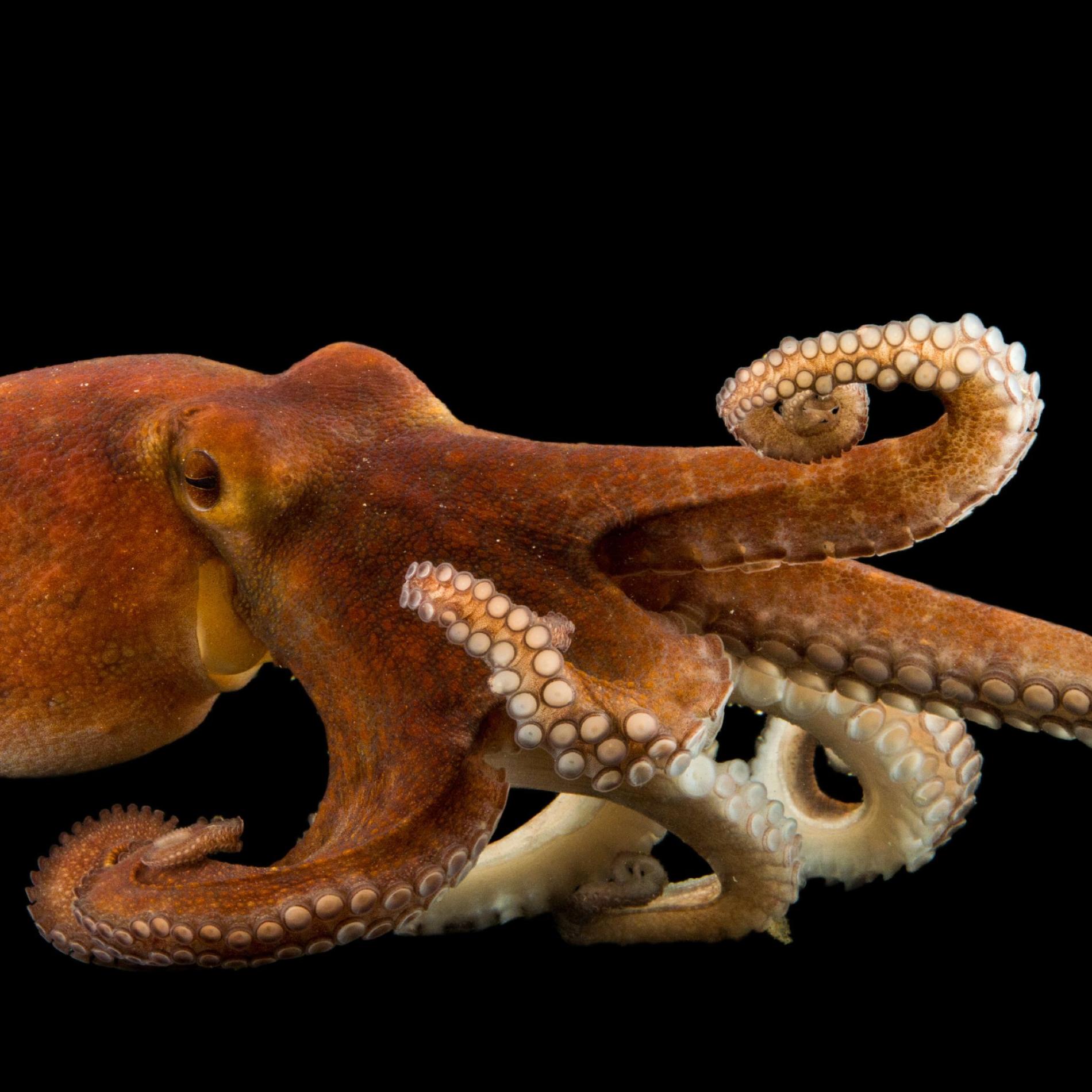
Which of the following is a homeothermic animal?
Salamander
Crocodile
Dugong
Shark
A __________________ is a method used by biologists to identify and classify organisms systematically
based on similarities and differences.
dolphin key
dicotyledon key
dictionary key
dichotomous key

Choose the correct pair of the classification of animals given above.
Salamander : Mammal
Turtle : Reptile
Turtle : Reptile
Pangolin : Mammal
Zebra : Mammal
Turtle : Amphibian
Pangolin : Reptile
Salamander : Amphibian
Plants are classified as non-flowering and flowering plants. Which of the following is flowering plant?
Moss
Fern
Durian tree
Conifer
Paddy plant is an example of flowering plants. Choose one characteristic of paddy plant.
Has woody stem
Has leaves with parallel veins
Has tap root
Consist of two cotyledons
What is an example of a human disturbance?
Deforestation
Drought
Tsunami
Changing Seasons

What is the characteristic of this plant ?
Leaves with network-like veins
Dicotyledons
Wooden stem
Fibrous root system
Which of the animals has the following characteristics.
- Homeothermic
- Breathes through lungs
- Internal fertilisation


A large group of living things that live in the same area and have mutual interaction with one another.
prey
symbiosis
population
community
An organism that produces food by photosynthesis.
Producers
Consumers
Photosynthesis
Saprophytism
The main source of energy for producers.
The sun
Water
Glucose
Carbon dioxide

A consumer that eats only plants.
omnivore
herbivore
carnivore
predator
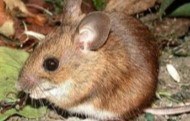
An organism that is killed and eaten by another organism.
consumer
decomposer
prey
host
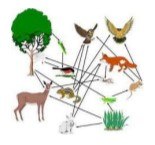
An arrangement of interrelated food chains illustrating the flow of energy between interdependent organisms.
predator
food web
ecosystem
food chain
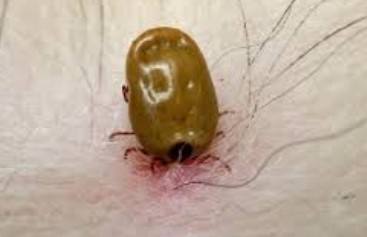
An organism on which a parasite lives.
consumer
host
prey
decomposer
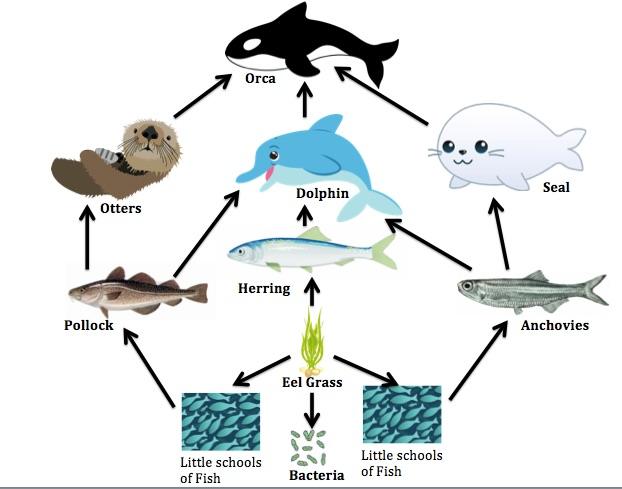
Determine the number of food chain in the food web shown.
3
4
5
6
Fruits and vegetables contain _________ and __________
vitamin ...... protein
mineral ...... fibre
vitamin ...... mineral
mineral ...... water
State the effect of deficiency of Vitamin K.
Prolonged bleeding
Night blindness
Scurvy
Beri beri
Benedict's test is used to test the presence of __________
Starch
Glucose
Fat
Protein
Below are the enzymes produced by the pancreas except?
Maltase
Amylase
Protease
Lipase
Faeces are stored temporarily in the _______ before being eliminated through the anus.
large intestine
small intestine
stomach
rectum

The process of breaking down food into a form the body can use is called ___________________.
Diet
Metabolism
Calories
Digestion
Which nutrient gives you energy?
calcium
fiber
carbohydrates
proteins
How does calcium help our body?
Builds muscle
Helps eyesight
Develops red blood cells
Builds strong bones

The contraction and relaxation movement of the walls of the food pipe is called:
ingestion
Transpiration
Peristalsis
Digestion
Most nutrient absorption occurs in the ________________ .
mouth
stomach
large intestines
small intestines
Protein is broken down into ______________ before they are asborbed into the small intestines.
fatty acids
amino acids
citric acid
hydrochiloric
" The organisms that can cause disease' is called _______
bacteria
pathogen
probiotic
biosome
Disease that can be transmitted from one individual to other individual is called _____________
non-infectious disease
infectious disease
genetic disease
sporadic disease
Not all viruses are pathogen. True of false
true
false
Infectious disease are spread by (i)__________ , transmitted by infected person called (ii) ______________.
pathogens, vector
vector, pathogens
pathogen, host
host, medium
Animal that transmit pathogen from one host to another is called __________
species
vector
predator
prey
Measles, chicken pox, influenza is an examples of infectious diseases, yes or no.
Yes
No
What is the meaning of disease
An illness that cause by toxic chemical expose by our body.
Abnormal condition on body and mind that cause discomfort.
Normal condition by body react to certain foreign substance
Which of the following is disease that is not infectious?
Tinea
Tuberculosis
Dengue fever
cancer

Look at the diagram of the food web. The arrows means “eaten by.”
What will happen if the number of snakes goes down?
The owl will eat the grass
The number of frogs will go down
The hawk and owl will have less food
The number of mice and grasshoppers will go up.

What happens to the amount of available energy in the pyramid as it moves up through the different levels?
it increases
it decreases
it remains the same
it decreases, then increases

In an ecosystem, a fungus, such as the mushroom pictured here, functions as a
autotroph
decomposer
predator
producer

