
NEW
Font size
 Worksheets
4th Grade Science IA 5 Review
Total questions: 57
Worksheet time: 39mins
A small object, manmade or natural, that orbits a larger object.
satellite
moon
Sputnik
Explorer


The telescope in space that allow us to see farther into space and takes pictures of stars, galaxies, and other objects in space
James Webb telescope
Hubble Space telescope
John's Reflecting telescope
Simmons Refracting telescope
Which of the following is a star in our solar system?
The Big Dipper
Orion
The Sun
Draco
What is a planet?
A hot ball of gas
A body that orbits around another planet
Something that can produce its own light
A large body in space that orbits a star
Which of the following is an inner planet?
Jupitar
Neptune
Venus
Uranus
Which of the following is an outer planet?
Earth
Saturn
Mercury
Mars
Which is the correct order of the inner planets?
Venus, Mars, Earth, Mercury
Mars, Venus, Earth, Mercury
Mercury, Venus, Earth, Mars
Earth, Venus, Mercury, Mars
What do the outer planets have in common?
They produce their own light
They do not orbit the sun
They are rocky planets
They are gas giants
Which planet is between Earth and Jupiter?
Venus
Mars
Saturn
Uranus

The hottest stars are __________.
green
red
yellow
blue

The Sun looks like the largest and brightest star in our galaxy because _________.
It is the largest and brightest star.
It is billions of light-years away.
It is the closest star to us.
The Sun is not a star, it is a planet.
The planets __________ around the Sun on their orbit.
rotate
revolve
flip
twist
The moon is a natural satellite of the Earth.
True
False
What is a star?
A hot ball of burning gases that gives off light
A ball of rocky material that orbits a planet
A ball of rock or gas that orbits a star
A big, yellow dot

This diagram shows the eight planets and one dwarf planet in the solar system.
Which object in the solar system is considered a dwarf planet?
Mars
Neptune
Pluto
Mercury
The difference between a space probe and a rover is that a space probe is manned by a human astronaut.
True
False
Which space technology can be used both on Earth and in space?
rover
telescope
space probe
satellite

Look at the picture. Which statement about the objects in this picture are true?
The dimmest star is the smallest star.
The brightest star is the star closest to Earth.
The stars emit less light than the Moon.
The Moon looks bigger than stars because it is close to Earth.
Mars has a longer orbit than Earth because it is farther from the Sun.
True
False
Which object in the sky emits ( gives off) its own light?
planets
stars
asteroids
comets

What is a strength of our Solar System Model?
It does not show us the distance between planets
it is not a clear picture of planets orbits
The model does not show the planets size to scale the Sun.
The model shows us the planets order.

What is a weakness of our Solar System Model?
The model shows the planets order.
The model does not show the actual distance between the planets.
The model shows us that planets orbit a star (the Sun)
The model can give us a good comparison of the planet's size
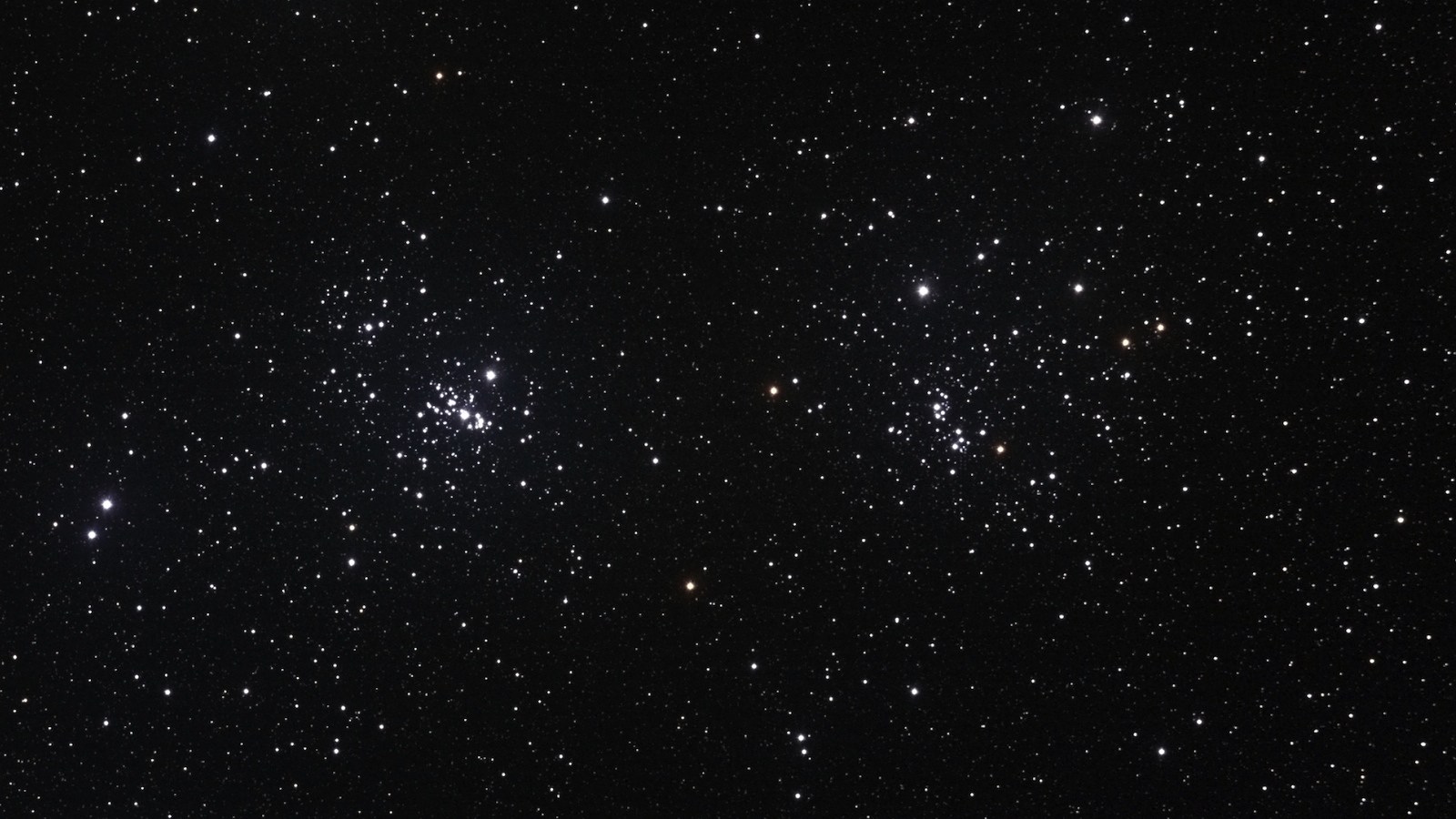

The Sun is the biggest star in the sky.
Which is a difference between stars and planets?
Stars and Planets make their own light
Stars revolve around planets and planets remain still
All planets have moons and both stars and planets give off light
Stars give off their own light and Planets reflect the light of stars

Planet
Asteroid
Star
Moon
Which of these is made of gas?
Earth
Venus
Mercury
Saturn
What is the main source of the moon's light?
Earth
The sun
The moon
The stars in the sky
The _______________ orbits the sun while the ____________ orbits the Earth.
Moon, Earth
Earth, Moon
Earth, sun
Moon, sun
Why does the moon look different every day?
Because the moon revolves around Earth.
Because its brightness changes.
Because it changes size over time.
Because it changes distance to Earth.
What causes Earth to have day and night?
The moon moves between Earth and the sun.
Earth revolves around the sun.
Stars move around Earth in a pattern.
Earth rotates on its axis.
A student finds that the length of a tree’s shadow changes throughout the day. What does this show about Earth?
Earth tilts on its axis.
Earth rotates on its axis.
Earth is surrounded by air.
Earth revolves around the sun.
In the morning, the Sun appears low in the sky, so objects cast ________ shadows.
low
high
short
long
Why do seasons occur?
Because of the distance Earth is from the sun.
Because Earth tilts on its axis.
Because Earth rotates on its axis.
Because Earth is surrounded by air.
The differences between inner planets and outer planets are
Inner planets are large and rocky while outer planets are smaller and made mostly of gas.
Inner planets are large and made of gas while outer planets are smaller and rocky.
Inner planets are small and rocky while outer planets are larger and made mostly of gas.
Inner planets are small and made of gas while outer planets are larger and rocky.
Which of these is caused by the rotation of Earth?
tides
day and night
spring and fall
rainfall
What would happen if the stars we see at night were closer to Earth?
They would be smaller and brighter.
They would be bigger and dimmer.
They would be bigger and brighter.
They would be smaller and dimmer.
What is the pattern of changes the moon goes through as it travels around the Earth called?
reflection
sun phases
moon phases
full moon
If the moon is fully illuminated it is said to be a____________ moon.
New
Full
Crescent
Gibbous
When the moon is between the sun and the earth, we basically do not see it. What is this phase called?
Full Moon
Waning Crescent
Waning Gibbous
New Moon
A satellite is defined as something that orbits a planet. How many NATURAL satellite(s) does Earth have?
Five
Sixteen
One
Three
The term REVOLUTION means to:
An imaginary line that runs through Earth
A phase of the moon
A planet's elliptical orbit around the sun
Spinning of a planet on it's own axis
This phase of the moon is just a small sliver. There is a waxing one and a waning one on each side of the new moon.
Full Moon
Crescent
New Moon
Gibbous



