wayground logo

Free Printable Worksheets

NEW

Font size

S
M
L
XL
Worksheets

Populations and Communities

Total questions: 34

Worksheet time: 24mins

Name
Class
Date
1.

An organism's habitat must provide all of the following exept _______________.

a)

food

b)

water

c)

disease

d)

shelter

2.

The nonliving parts of an ecosystem are called _____________.

a)

populations

b)

organisms

c)

biotic factors

d)

abiotic factors

3.

To produce their own food, algae and plants use the abiotic factors sunlight, carbon dioxide, and _____________.

a)

soil

b)

salt

c)

water

d)

bacteria

4.

A population is all the members of one species living in a particular ______________.

a)

area

b)

habitat

c)

ecosystem

d)

community

5.

A group of antelope leaving the herd in search of better grassland is an example of _____________.

a)

immigration

b)

emigration

c)

increasing birth rate

d)

decreasing death rate

6.

If you count 20 beetles ina garden measuring 5 square meters, the population density of the beetle is ______ beetles per square meter.

a)

100

b)

20

c)

5

d)

4

7.

An organisms's particular role in its habitat, or when and how it survives, is called its ________________.

a)

carrying capacity

b)

ecosystem

c)

competition

d)

niche

8.

All of the following are examples of limiting factors except ______________.

a)

food

b)

soil

c)

space

d)

weather conditions

9.

Which of the following is an example of a predator adaptation?

a)

a porcupines's needles

b)

a shark's powerful jaws

c)

a frog's bright colors

d)

a plant's poisonous chemicals

10.
In which type of interaction do both species benefit?
a)
predation
b)
mutualism
c)
commensalism
d)
parasitism
11.
Which of these relationships is an example of parasitism?
a)
a bird building a nest on a tree branch
b)
a bat pollinating a saguaro cactus
c)
a flea living on a cat's blood
d)
ants protecting a tree that produces the ants' only food
12.
In general, which of the following is a true statement about population size?
a)
If birth rate < death rate, population size increases
b)
If death rate < birth rate, population size decreases
c)
If birth rate > death rate, population size increases
d)
If death rate > birth rate, population size increases
13.
A freshwater lake has a muddy bottom, which is home to different types of algae and other organisms. Many species of fish feed on the algae. Which of the following is an ABIOTIC factor in this ecosystem?
a)
the temperature of the water
b)
the color of the algae
c)
the number of species of fish
d)
the amount of food available to the fish
14.
Which of the following lists the levels of organization in an ecosystem from the smallest unit to the largest?
a)
population, organism, community, ecosystem
b)
organism, population, ecosystem, community
c)
organism, community, population, ecosystem
d)
organism, population, community, ecosystem
15.
All the living and nonliving things that interact in a particular area make up a(n)
a)
ecosystem
b)
population
c)
community
d)
biome
16.
All the different populations that live together in an area make up a(n)
a)
ecosystem
b)
community
c)
habitat
d)
organism
17.
In which of the following areas would primary succession most likely occur?
a)
A new island formed by the eruption of an undersea volcano
b)
A clearing in a forest left by cutting down the trees
c)
An abandon junkyard
18.
Which species are often pioneer species?
a)
cattails and algae
b)
pinetrees and oaks
c)
sagebrush and tumbleweed
d)
lichen and moss
19.
An interaction in which one organism kills and eats another organism
a)
competition
b)
mutualism
c)
commensalism
d)
predation
20.
Environmental conditions that prevent populations from increasing
a)
abiotic factors
b)
carrying capacity
c)
limiting factors
d)
biotic factors
21.
A term that means to leave a population is 
a)
emigration
b)
immigration
c)
sampling
d)
population density
22.
A prairie dog, a hawk, and a badger all are members of the same ________________.
a)
niche
b)
community
c)
species
d)
population
23.

A geographic area where plants, animals, and other organisms, as well as weather and landscape, work together to form an area of life.

a)

population

b)

community

c)

ecosystem

d)

ecology

24.

Does the picture represent a population or community?

a)

population

b)

community

25.

Does this picture represent a population or community?

a)

population

b)

community

26.

which of the following is a biotic factor?

a)

temperature

b)

sunlight

c)

bacteria

d)

water

27.

The living or once living parts of an organism's environment are called its...

a)

community

b)

habitat

c)

biotic factors

d)

abiotic factors

28.

What ecological level of organization can be seen here?

a)

Species

b)

Population

c)

Community

d)

Ecosystem

29.

The squirrel eats nuts, seeds, and insects. It builds a nest in a tree. It is eaten by foxes, hawks, and racoons. It buries its food in the ground for storage over the winter - this helps disperse the seeds for plants. It carries diseases that can be spread in the community.


This situation best shows the squirrel's...

a)

Niche

b)

Habitat

c)

Ecosystem

d)

Community

30.
Maria and her classmates are observing animals at the pond. They notice that wood storks and ibisies both feed on fish. Which of these describes the relationship between these two birds.
a)
Parasitism
b)
Competition
c)
Predator and prey
d)
Producer and consumer
31.
Cattle egrets forage (feed) in fields among cattle. The egret gets easy access to flying insects stirred up by the cattle, and the cattle don't care if they are there or not.
a)
mutualism
b)
commensalism
c)
competition
d)
parasitism
32.
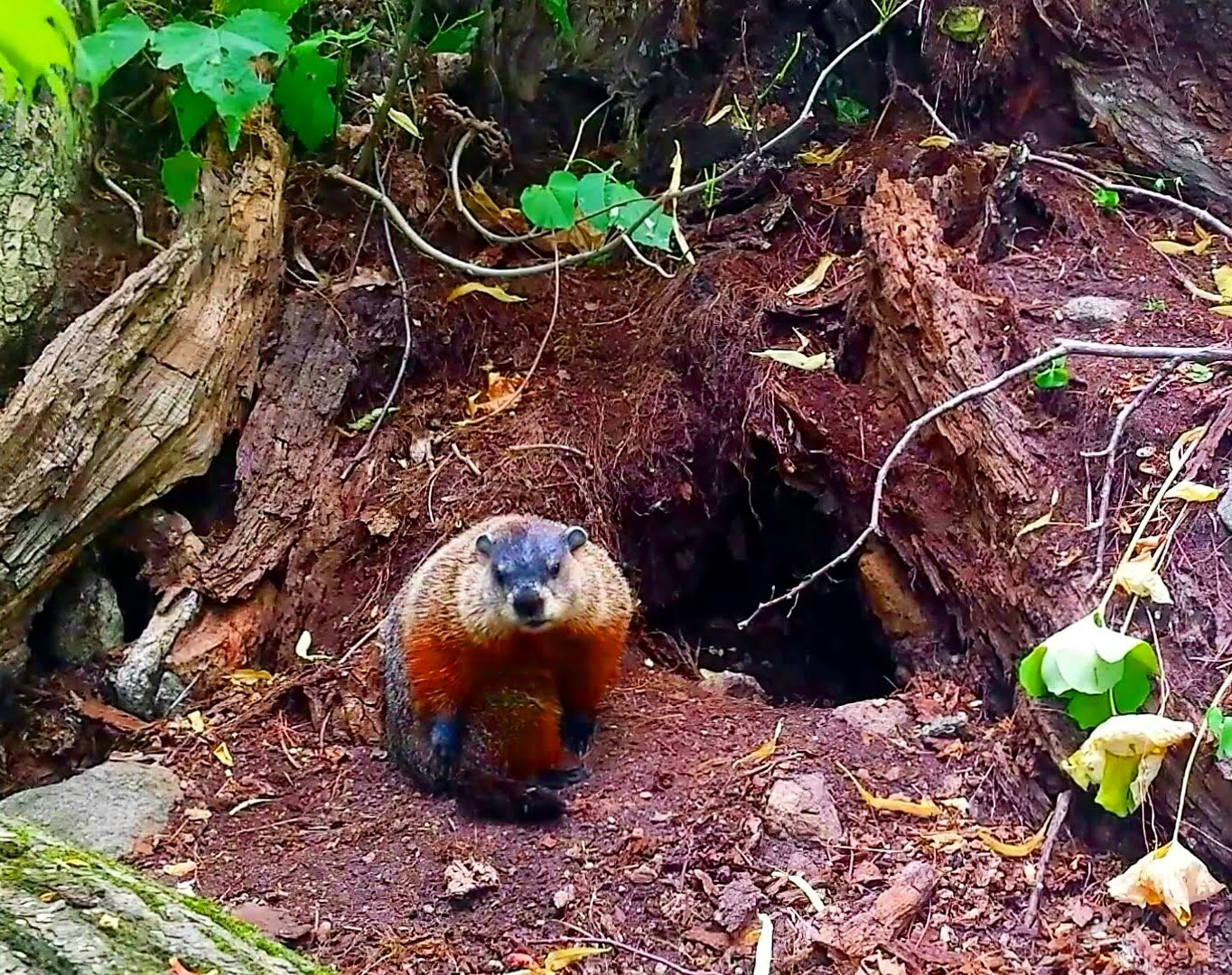
What type of symbiosis?  Skunks often live in burrows that have been dug and abandoned by woodchucks.  
a)
commensalism
b)
mutualism
c)
parasitism
d)
predation
33.
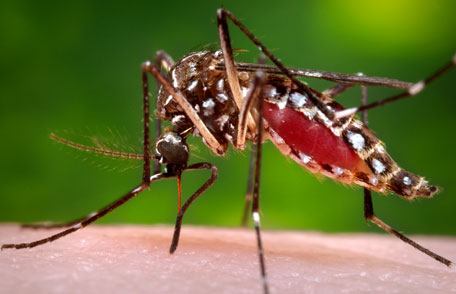
When a mosquito bites you, you are the __________ and the mosquito is the  ____________.
a)
host, hostess
b)
parasite, host
c)
host, parasite
d)
prey, predator
34.
Yucca flowers are pollinated by yucca moths. The moths lay their eggs  in the flowers where  the larvae hatch and eat some of the developing seeds. Both species benefit.  
a)
Mutualism 
b)
Parasitism 
c)
Commensalism