
 Worksheets
Second Term Final Continuous Assessment- British Section
Total questions: 50
Worksheet time: 8hrs 20mins

Vitamin A helps us to:
helps blood to carry oxygen to all parts of our body.
helps to slow down ageing.
helps us to see in the dark.
Make strong bones and teeth.

Vitamin C helps us to:
helps us to pass out faeces.
builds strong muscles.
keeps us from falling sick.
Make strong bones and teeth.
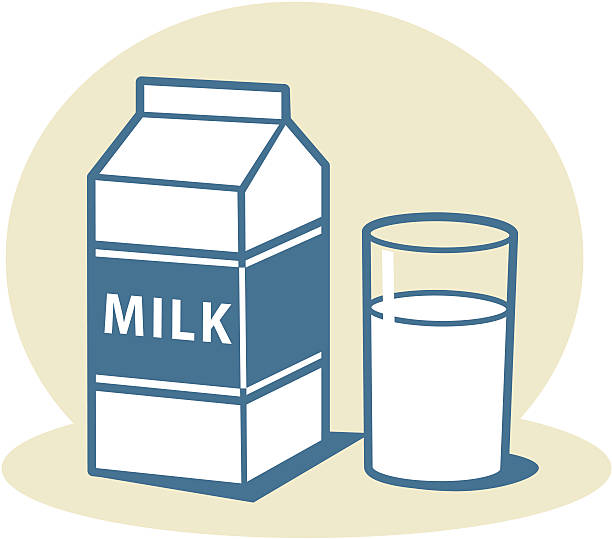
Calcium helps us:
make strong teeth and bones.
helps to balance the amount of water in our blood and body.
helps us to convert the food we eat into energy.
helps us to see in the dark.

Zinc helps us:
make strong teeth and bones.
helps us tosee better in the dark.
helps our skeleton to grow properly.
helps to slow down ageing.
Which group of food gives you the most energy?
fruits and vegetables
Proteins
Carbohydrates
Fiber

Vegetables and fruits are the main source of vitamins, minerals and fibers.
True
False

Proteins...................
helps us to repair our body and build strong muscles.
helps to convert thefood we eat into energy.
helps blood to carry oxygen to all parts of the body.
helps our body to absorb calcium.

What are the 5 food groups?
Fruits, Minerals, Vitamins, Carbohydrates, and Dairy
Fruits, Vegetables, Grains, meat-eggs-beans, and Dairy products
Fruits, Carbohydrates, Minerals and Dairy
Which food group is not necessarily good for you?
Oils and fats
Fruits
Grains
Vegetables

Vitamin D :
helps us to pass out faeces.
gives us the energy to carry out life processes.
keeps us from falling sick.
helps our body to absorb calcium.

What does a plant need to survive?
Water
Sunlight
Air
All of the Above

What is the function of the roots of a plant?
Absorb water and nutrients from the soil.
Attract insects.
Support the plant.
Make food for the plant.
The three main parts of a plant are:
leaves, stems, roots
flowers, leaves, stem
stem, flowers, roots
None of the above

The stem...........
transports water and nutrients from the roots to the leaves.
transports food made from the leaves to other parts of the plant.
supports the plant.
all of the above
5. Which part of a plant makes the food?
root
leaf
stem
flower

Which of the following is the green pigment that helps plants to make food?
Chlorophyll
Roots
Leaves
Spores

What does a plant's flower do?
Flowers make seeds and attract insects.
Flowers hold up the leaves.
Flowers take in water and sunlight.
Flowers absorb water and nutrients from the soil.

Name the part of the leaf labeled number 3.
stalk
blade
veins

Plants _______ make their own food at night
can
can't
True or False: All plants produce flowers.
True
False

What will happen if a plant does not get water?
it becomes a seed
it grows healthier
it grows faster
it will dry up and die

.................. helps to slow down ageing.
Vitamin B
Vitamin A
Vitamin E
Vitamin D
Magnesium.............................
helps our body to make proteins
helps to slow down ageing.
helps us to see in the dark.
Make strong bones and teeth.
True or False: Plants can make their own food.
True
False
Plants are __________
non-living
living

Eating too much food without exercise can make us --------
Thin
Sick
Overweight
Eating to much oily, fatty or salty food can cause ___________________.
heart disease
stomach ache
tooth ache
Eating to much oily, fatty or salty food can cause ___________________.
heart disease
stomach ache
tooth ache
How does a cavity form?
Eating healthy food
Bacteria
Virus

.................. is the number of times our heart beats in one minute.
Exercise
Pulse rate

All bacteria are harmful to humans
true
false

Name this bacteria shape
spherical
rod-like
spiral-shaped

Bacteria that help break down dead material in the environment are called .........................
decomposers
virus
fungi
What do you need to be able to see bacteria?
microscope
telescope
sunglasses

Yogurt contains harmful bacteria.
True
False

You can kills germs by ___________________.
washing your hands.
thinking.
eating soap.

Name this bacteria shape.
rod like
spherical
spiral
The best environment for fungi is........................................
Cool and damp
Warm and moist
Cool and dry
What are some examples of food made by fungi ?
bread
cheese
mushroom
all of the above

Mushrooms reproduce by _____________.
seeds
spores
laying eggs

Where are the spores of a mushroom found?
cap
gills
stalk

Like plants, fungi cannot _____________ from place to place.
move
run
walk
How do fungi obtain food?
They make their own food.
They feed on living and dead things.
They do not need food.
They eat animals.
Fungi are kind of the plants.
True
False

Bacteria are only found in dirty places
True
False

Name this bacteria shape
spiral
rod
spherical

How much of your plate at meals should be fruits and vegetables?
Your Whole Plate
Half Of Your Plate
A Quarter of your Plate

Eating big portions of fatty and sugary foods keep you healthy.
True
False

How often should you try to brush your teeth
Once a day
Twice a day
Four times a day
Never

