wayground logo

Free Printable Worksheets

Font size

S
M
L
XL
Worksheets

Form4s- Food and Nutrition quiz

Total questions: 50

Worksheet time: 29mins
Name
Class
Date
1.
A pattern of eating that includes how much, what, and how often a person eats.
a)
Metabolism
b)
Diet
c)
Calories
d)
Vitamins 
2.
Nutrients that build and repair tissues and cells e.g. meat, milk, eggs.
a)
Fat
b)
Minerals
c)
Vitamins
d)
Protein
3.
A chemical compound made up of one or more simple sugar e.g. bread, rice, pasta
a)
Protein
b)
Water
c)
Fat
d)
Carbohydrates
4.
Elements essential for good health. e.g. Calcium, Iron, Potassium 
a)
Protein
b)
Fat
c)
Minerals
d)
Carbohydrates
5.
The body uses this to carry nutrients and waste. It also helps joints move smoothly.
a)
Fat
b)
Water
c)
Minerals
d)
Vitamin 
6.
Organic compounds that control several body functions. e.g. A, C, K
a)
Carbohydrates
b)
Metabolism
c)
Vitamins
d)
Digestion
7.
Energy storage nutrients that help the body store some vitamins e.g. oils, butter, margarine
a)
Fats
b)
Carbohydrates
c)
Minerals
d)
Vitamins
8.
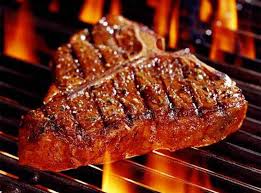
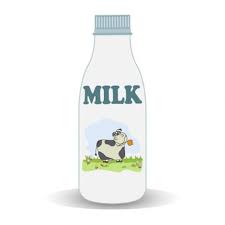
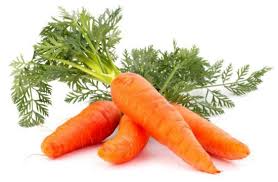
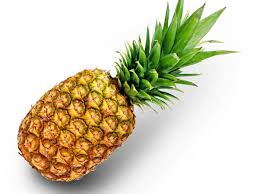
What food group is the above food in?
a)
Fruit
b)
Vegetable
c)
Dairy
d)
Grain
9.
What food group is the above food in?
a)
Grain
b)
Protein
c)
Vegetable
d)
Dairy
10.
What food group is the above food in?
a)
Vegetable
b)
Fruit
c)
Grain
d)
Dairy
11.
What food group is the above food in?
a)
Dairy
b)
Vegetable
c)
Fruit
d)
Protein
12.
What food group supplies a large amount of protein?
a)
Dairy
b)
Fruit
c)
Meats
d)
Vegetables
13.
What is the main reason for eating a wide variety of foods? 
a)
to learn the food label
b)
to provide all the nutrients you need 
c)
to keep from getting bored with your diet 
d)
to help improve physical fitness 
14.
When you don't drink enough water you can become:
a)
silly
b)
hyper
c)
intoxicated 
d)
dehydrated 
15.
WHAT ARE THE 6 NUTRIENTS?
a)
Carbs, Meats, Fibers, Water, Protein, and Dairy
b)
Fruits, Milk, Fibers, Water, Pork, and Vitamins
c)
Carbs, Fats, Minerals, Water, Proteins, and Vitamins
d)
Carbs, Fats, Fibers, Cheese, Protein, and Vegtables
16.
Why do we eat carbohydrates?
a)
healthy growth
b)
energy
c)
fight disease
d)
why not
17.
What helps you digest your food?
a)
fats
b)
vitamins
c)
minerals
d)
fibre
18.
What is an example of a carbohydrate?
a)
peas
b)
bread
c)
beans
d)
water
19.
What is a good source of proteins
a)
milk
b)
cheese
c)
red meat
d)
chocolate
20.
Milk, cheese and yogurt are all good source of_____
a)
Calcium
b)
Vitamin C
c)
Protein
d)
Vitamin B
21.
Why do we eat fats?
a)
growth
b)
fight disease
c)
energy
d)
be healthy
22.
what do we need to stop dehydration?
a)
vitamins
b)
minerals
c)
carbohydrates
d)
water
23.
You just had a hard work out and your muscles are sore! which nutrient should you be trying to get to repair your muscles?
a)
carbohydrates
b)
fat
c)
water
d)
protein
24.

Substances in food that your body needs to function are called

a)

Health

b)

Calcium

c)

Unsaturated Fats

d)

Nutrients

25.
Examples of complex carbohydrates include:
a)
Soda, energy drinks, juice
b)
Whole wheat bread, vegetables, rice
c)
Lean chicken, fish, peanut butter
d)
Simple carbohydrates like sugar
26.

The study of nutrients and how the body uses them is called

a)

Nutrition

b)

Biology

c)

Chemistry

d)

Physics

27.

Protein helps to...

a)

Build bones and teeth

b)

Build and repair body tissue

c)

Hydrate the body

d)

Improve eyesight

28.

Bread, cereal, rice and pasta are good sources of which nutrient?

a)

Carbohydrates

b)

Vitamin A

c)

Protein

d)

Water

29.

Vitamins A, D, E, K are:

a)

Found only in supplements

b)

Are only needed once a week

c)

Are water-soluble

d)

Are fat-soluble

30.

This Vitamin helps your eyes adjust to dim light.

a)

Vitamin A

b)

Vitamin B

c)

Vitamin C

d)

Vitamin D

31.

Which Vitamin helps the body to fight infection?

a)

Vitamin A

b)

Vitamin B

c)

Vitamin C

d)

Vitamin D

32.

The function of iron in the body is to:

a)

Help build strong bones and teeth

b)

Help cells absorb nutrients and aid in digestion

c)

Help cells use oxygen + keep the blood healthy

33.

Which of the following foods are in the protein group?

a)

Bread, cereal, rice, and pasta

b)

Oranges, lemons, limes, and grapefruit

c)

Beans, peanut butter eggs, fish, poultry, meat

d)

Milk, yogurt, and cheese

34.
Which of the following is not a nutrient?
a)
water
b)
vitamins
c)
carbohydrates
d)
fiber
35.
Which of the following foods is NOT a protein?
a)
Orange
b)
Steak
c)
Eggs
d)
Chicken
36.

The main Nutrients names are:

a)

Carbohydrates. Fish, Vitamins, Minerals and Water

b)

Carbohydrates. Chicken. Fats. Vitamins, Minerals and Water

c)

Grains. Protein. Fats. Vitamins, Minerals and Water

d)

Carbohydrates. Protein. Fats. Vitamins, Minerals and Water

37.
Which of the following are not considered 'grains'?
a)
Cereals
b)
Bread
c)
Pasta
d)
Beans
38.
You can only get protein from animal sources (beef, chicken and fish).
a)
True
b)
False
39.

Why you should you eat fruits and vegetables?

a)

a. They contain fiber, which helps keep your digestive system

healthy.

b)

b.They give you energy

c)

c. They contain vitamins and minerals that help you stay

healthy.

d)

d. All of the above

40.

4. One medium-size apple equals one serving of fruit. If you

eat half an apple, how many servings of fruit will you

have eaten?

a)

A. 1/2

b)

B. 3/4

c)

C. 1

d)

D. 1 1/2

41.

5. Vitamin A is important for good eyesight, helps your body

fight infection, and keeps your skin and hair healthy.

Which of the following foods have the most vitamin A?

a)

A. meats

b)

B. breads

c)

C. deep yellow or orange fruits and vegetables

d)

D. candy

42.

6. If you eat too much fat, you are more likely to gain weight

and develop heart disease. Which of these foods contain

the least amount of fat?

a)

A. breads

b)

B. fruits

c)

C. vegetables

d)

D. meats

e)

E. B and C

43.

8. Vitamin C helps your body fight disease by maintaining a

strong immune system. Which food has more vitamin C?

a)

A. milk

b)

B. oranges

c)

C. broccoli

d)

D. bread

44.

9. You should eat at least five servings of fruits and

vegetables each day. At least how many servings

should you eat in a week?

a)

A. 21

b)

B. 15

c)

C. 48

d)

D. 35

45.

10. The color of a fruit or vegetable can indicate what kinds

of vitamins it is high in. Which of the following foods

have the most vitamin A?

a)

A. red fruits and vegetables

b)

B. green leafy fruits and vegetables

c)

C. purple fruits and vegetables

46.

11. On average, today’s youth are eating too much fat.

Which of these foods contains the most fat and should

be eaten in small amounts?

a)

A. bacon

b)

B. orange

c)

C. avocado

d)

D. tortilla

47.

13. Calcium is needed to keep bones strong. Which

vegetable contains a significant amount of calcium?

a)

A. squash

b)

B. sweet potato

c)

C. broccoli

48.

True or False: It is important to eat a variety of foods.

a)

True

b)

False

49.

Which foods are part of the Protein group and the Vegetable group?

a)

Starchy vegetables” “”

b)

Dry beans”

c)

Nuts

50.
40% of your diet should come from fats.
a)
True
b)
False