
 Worksheets
Characteristics of the Atmosphere
Total questions: 50
Worksheet time: 30mins
atmosphere
mixture of gases that surrounds a planet or moon
measure of force with which air molecules push on a surface
distance from sea level
a measure of the average energy of particles in motion
air pressure
mixture of gases that surround a planet or moon
measure of the force with which air molecules push on a surface
distance from sea level
a measure of the average energy of particles in motion (how fast the particles are moving)
altitude
mixture of gases that surround a planet or moon
distance from sea level
measure of the force with which air molecules push on a surface
measure of the average energy or particles in motion
oxygen
this holds the atmosphere around the Earth
the most common atmospheric gas
the second most common atmospheric gas
transfer of thermal energy between objects of different temperatures (particles must touch each other to transfer heat)
gravity
this holds the atmosphere around the Earth
most common atmospheric gas
second most common atmospheric gas
transfer of thermal energy between objects of different temperatures (particles must touch one another to transfer heat)
heat
this holds the atmosphere around the Earth
most common atmospheric gas
second most common atmospheric gas
transfer of thermal energy between objects of different temperatures (particles must touch one another to transfer heat)
nitrogen
this holds the atmosphere around Earth
most common atmospheric gas
second most common atmospheric gas
transfer of thermal energy between objects of different temperatures (particles must touch one another to transfer heat)
tropo
heat
middle
layer
turning or changing
strato
heat
middle
layer
turning or changing
meso
heat
middle
layer
turning or changing
thermo
heat
middle
layer
turning or changing
troposphere
layer above the troposphere (temperature decreases as you go higher)
layer between the stratosphere and the thermosphere (temperature decreases as you go higher)
uppermost layer (temperature increases as you go higher)
lowest layer of the atmosphere (temperature decreases as you go higher)
stratosphere
layer above the troposphere (temperature increases as you go higher)
layer between the stratosphere and the thermosphere (temperature decreases as you go higher)
uppermost layer of the atmosphere (temperature increases as you go higher)
lowest layer of the atmosphere (temperature decreases as you go higher)
mesosphere
layer above the troposphere (temperature increases as you go higher)
layer between the stratosphere and the thermosphere (temperature decreases as you go higher)
uppermost layer of the atmosphere (temperature increases as you go higher)
lowest layer of the atmosphere (temperature decreases as you go higher)
thermosphere
layer above the troposphere (temperature increases as you go higher)
layer between the stratosphere and the thermosphere (temperature decreases as you go higher)
uppermost layer of the atmosphere (temperature increases as you go higher)
lowest layer of the atmosphere (temperature decreases as you go higher)
ions
electrically charged particles
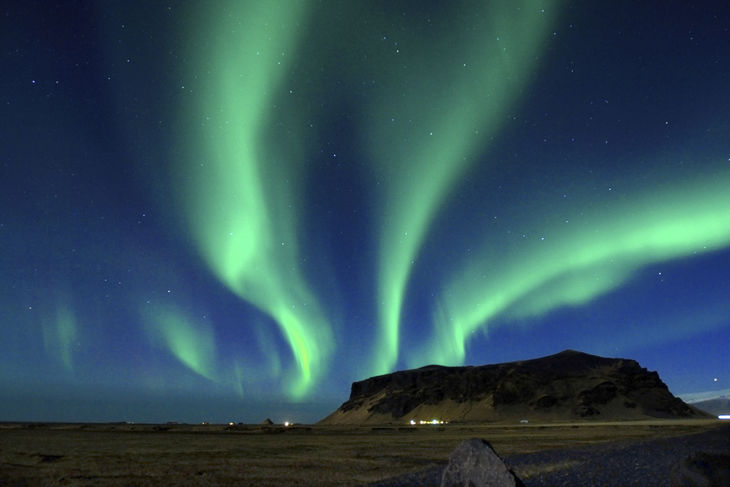
shimmering lights in the polar regions (ions radiating energy)
ball
"home of the auroras"
Exosphere
Troposphere
Thermosphere
What is the atmosphere that surrounds the Earth made of?
oxygen
a mixture of particles
a mixture of gases
water vapor
What gas is most of the atmosphere made of?
. oxygen
nitrogen
Carbon dioxide
argon
How much of the atmosphere is oxygen?
about 1%
about 78%
about 21%
about 100%
Where is most of the water in the atmosphere?
in rain
in ice
in water vapor
in carbon dioxide
At sea level, a square inch of the Earth is under how much air?
150 lbs
15 lbs
30 lbs
1500 lbs
Where is air pressure strongest?
on top of a mountain
on the Earth’s surface
in outer space
close to the sun
coldest layer of the atmosphere
a. troposphere
mesosphere
stratosphere
thermosphere
atmosphere layer with the ozone layer
troposphere
mesosphere
stratosphere
thermosphere
atmosphere layer closest to Earth
troposphere
mesosphere
stratosphere
thermosphere
Where is the ionosphere?
in the troposphere
. in the thermosphere
on the tops of mountains
at the bottom of the ocean
Define atmosphere
A gas molecule made up of three oxygen atoms
A mixture of gases that surrounds a planet, moon, or other celestial body
The force per unit area that is exerted on a surface by the weight of the atmosphere
The lowest layer of the atmosphere, in which the temperature drops at a constant rate as altitude increases; the part of the atmosphere where weather conditions exist
What is the order of the layers of the atmosphere from the ground up?
Thermosphere, Troposphere, Ozone, Stratosphere, Mesosphere
Troposphere, Stratosphere, Thermosphere, Mesosphere
Troposphere, Stratosphere, Thermosphere, Mesosphere, Ozone
Troposphere, Stratosphere, Mesosphere, Thermosphere
Define conduction
The transfer of energy as heat through a material
The movement of matter due to differences in density that are caused by temperature variations; can result in the transfer of energy as heat
The fraction of solar radiation that is reflected off the surface of an object
The curving of the path of a moving object from an otherwise straight path due to Earth’s rotation
The part of earths atmosphere that shields earth from harmful ultraviolet radiation is called the ____________.
Thermosphere
Ionosphere
The Lithosphere
Ozone Layer
Which two gases make up 99% of the volume of clean dry air?
oxygen and carbon dioxide
nitrogen and ozone
oxygen and nitrogen
nitrogen and carbon dioxide
The form of oxygen that combines three oxygen atoms per molecule (O3).
oxygen ions
ozone
O2
all of these
In which layers of the atmosphere does temperature increase with increasing height?
troposphere and stratosphere
stratosphere and mesosphere
stratosphere and thermosphere
troposphere and thermosphere
Temperature decreases with height in these layers
mesosphere and stratosphere
stratosphere and thermosphere
troposphere and mesosphere
Thermosphere and exosphere
As altitude increases, pressure _______________.
Increases
Decreases
Where auroras (the Northern Lights) take place
Troposphere
Stratosphere
Mesosphere
Thermosphere

