wayground logo

Free Printable Worksheets

NEW

Font size

S
M
L
XL
Worksheets

Moon Phases, Earth Layers, Eclipses

Total questions: 50

Worksheet time: 35mins

Name
Class
Date
1.
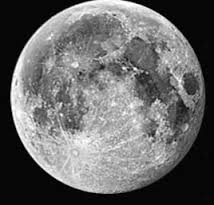
What moon phase is this picture?
a)
This is the full moon phase.
b)
This is the waxing gibbous moon phase.
c)
This is the waning gibbous moon phase.
d)
This is the first quarter moon phase.
2.
What moon phase is this picture?
a)
This is the waning crescent phase.
b)
This is the waxing gibbous phase.
c)
This is the waning gibbous phase.
d)
This is the new moon phase.
3.
What is this moon phase?
a)
This is the waxing crescent phase.
b)
This is the full moon phase.
c)
This is the waxing gibbous phase.
d)
This is the last quarter moon.
4.
What is this moon phase?
a)
This is the waxing gibbous moon phase.
b)
This is the last quarter moon phase.
c)
This is the first quarter moon phase.
d)
This is the new moon phase.  
5.
What moon phase is this picture?
a)
This is the full moon phase.  
b)
This is the waxing crescent moon phase.
c)
This is the waning gibbous moon phase.
d)
This is the waning crescent moon phase.
6.
What moon phase is this picture?
a)
This is the new moon phase.
b)
This is the waxing crescent moon phase.
c)
This is the waxing gibbous moon phase.
d)
This is the waning crescent moon phase.
7.
What moon phase is this image?
a)
This is the full moon phase.
b)
This is the last quarter moon phase.
c)
This is the waxing gibbous moon.
d)
This is the new moon phase.
8.
What is the difference between a gibbous moon and a crescent moon?
a)
The gibbous shows more than half of the bright side of the moon.
b)
The crescent shows more than half of the bright side of the moon.
c)
The gibbous shows less than half of the bright side of the moon. 
9.
How many phases does the moon go through?
a)
4
b)
8
c)
10
d)
16
10.
The moon seems to change shape from day to day in a cycle that lasts about a month as it goes through _.
a)
revolutions
b)
phases
c)
rotations
d)
eclipses
11.
As the moon's shape appears to get smaller, we say that the moon is _.
a)
swelling
b)
waxing
c)
waning
d)
disappearing
12.
Phases of the moon in which the moon appears to be getting larger are referred to as _.
a)
waxing
b)
waning
c)
new
d)
eclipse
13.
The cycle of the moon lasts about a _.
a)
day
b)
year
c)
week
d)
month
14.
How long is a lunar month?  
a)
30
b)
29.5
c)
27
d)
27.3
15.
Name the moon phase
a)
First Quarter
b)
Last Quarter
c)
New Moon
d)
Full Moon
16.
What is illuminating the Moon?
a)
Nuclear Fusion
b)
Sunlight
c)
Mirrors
d)
Flood Lights
17.
Which of the following words describe the phases of the moon?
a)
none, quarter, half, three quarters, full
b)
new, crescent, quarter, gibbous, full
c)
dark, light, half, quarter, blue
d)
first quarter, second quarter, third quarter, fourth quarter
18.
The moon ____________ or goes around the Earth.
a)
orbits
b)
cries
c)
climbs
19.
Changes in the moon's appearance are
a)
phases
b)
eclipses
c)
stages
d)
cycle
20.
Define Gibbous
a)
Less than half of moon visible
b)
More than half of moon visible
c)
All of moon visible
d)
None of moon visible
21.
Name the moon phase that would come AFTER this moon.
a)
waning crescent
b)
waxing crescent
c)
waning gibbous
d)
waxing gibbous
22.
The outermost solid layer of the Earth is called the
a)
mantle
b)
outer core
c)
inner core
d)
crust
23.
This layer of the Earth is found between the core and the crust.
a)
mantle
b)
outer core
c)
inner core
d)
crust
24.
The layer that lies beneath the mantle and surrounds the inner core. 
a)
mantle
b)
outer core
c)
inner core
d)
crust
25.
This is the outermost, rigid layer of the Earth, made up of two parts, is divided into pieces call tectonic plates.
a)
Inner Core
b)
Asthensophere
c)
Lithosphere
d)
Outer Core
26.
The solid, dense center of our planet that extends from the bottom of the outer core to the center of the Earth.. 
a)
mantle
b)
outer core
c)
inner core
d)
crust
27.
What are the three main layers of the Earth?
a)
Center, Middle, Outer
b)
Center, Mantle, Crush
c)
Core, Mantle, Crust
d)
Core, Middle, Crush
28.
What happens to temperature as you move down through the layers?
a)
it remains the same
b)
it increases then decreases
c)
it increases
d)
it decreases
29.
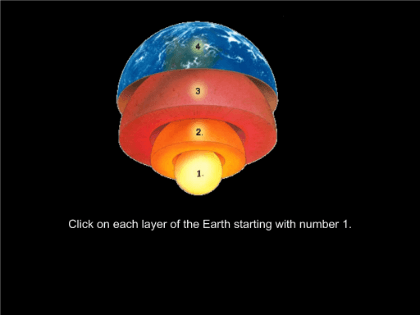
Which layer is the CRUST?
a)
1
b)
2
c)
3
d)
4
30.
Which layer is the MANTLE?
a)
1
b)
2
c)
3
d)
4
31.
Which layer is the HOTTEST layer?
a)
Core
b)
Mantle
c)
Crust
32.
Which layer is the OUTER CORE?
a)
1
b)
2
c)
3
d)
4
33.
The energy from the sun is created by a process called:
a)
nuclear fission
b)
nuclear fusion
c)
nuclear reaction
d)
nuclear core
34.
The temperature inside the sun's core can reach about:
a)
15,000 degrees fahrenheit
b)
15,000,000 degrees fahrenheit
c)
15,000,000 degrees celsius
d)
15,000,000,000 degrees celsius
35.
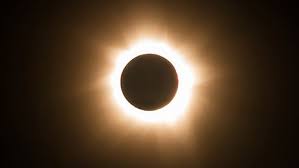
Which type of eclipse is this
a)
Solar Eclipse
b)
Lunar Eclipse
36.
What is the sun made out of?
a)
fire and lava
b)
gases
c)
magma
d)
flames
37.
For a solar eclipse to occur, what has to happen?
a)
The sun must be directly between Earth and the moon.
b)
The moon must be directly between Earth and the Sun.
38.
During a solar eclipse...
a)
The sun is blocked
b)
The Earth is blocked
39.
You would see a partial solar eclipse if you were within the Moon’s penumbra.
a)
True
b)
False
40.
What does this line on the map of the United States show about the solar eclipse?
a)
the path of no eclipse
b)
the path of totality
c)
the path of the lunar eclipse
41.
What is the darkest inner part of the shadow cone called, where a total eclipse can be viewed.
a)
Total
b)
Umbra
42.

A lunar eclipse occurs at which moon phase?

a)

quarter moon

b)

new moon

c)

crescent moon

d)

full moon

43.

A lunar eclipse occurs about

a)

once in 3 years

b)

twice a year

c)

once a month

d)

once in 5 years

44.

During a lunar eclipse

a)

Earth's shadow covers the moon

b)

the sun's shadow covers the moon

c)

the moon covers the sun

d)

Earth's shadow covers the sun

45.

The position of the Earth, moon and Sun during a lunar eclipse is

a)

sun--moon--Earth

b)

Earth--sun--moon

c)

sun--Earth--moon

d)

moon--sun--Earth

46.

Since some light will still illuminate the moon, it will appear

a)

red

b)

green

c)

yellow

d)

blue

47.

What type of eclipse is this an example of?

a)

Lunar Eclipse

b)

Solar Eclipse

48.

What type of eclipse is this an example of?

a)

Lunar Eclipse

b)

Solar Eclipse

49.

A __________ is the lighter, outer part of a shadow cone.

a)

penumbra

b)

umbra

50.

A __________ is an eclipse in which the entire disk of the full moon is covered by earth's umbra.

a)

total solar eclipse

b)

total lunar eclipse