
 Worksheets
Earth & Resources
Total questions: 49
Worksheet time: 37mins
the layer of gas surrounding planet Earth, containing gases such as nitrogen and oxygen
hydrosphere
biosphere
atmosphere
geosphere
all the water in the air, oceans, rivers, lakes, ice caps, soil, rocks, and organisms of Earth
geosphere
biosphere
hydrosphere
atmosphere
the sum of all living matter
biosphere
atmosphere
hydrosphere
geosphere
sand or small pieces of rock broken down by weathering and deposited on land or in water
landforms
molten rock
magma
sediments
the portion of Earth that includes Earth's interior; rocks, minerals, and landforms
geosphere
atmosphere
hydrosphere
biosphere
rock heated to a temperature that is hot enough to turn it into a thick liquid
sediments
landforms
molten rock
organisms

What Are The Three Main Types Of Rocks?
Igneous, Depository, Metamorphic
Depository, Igneous, Sedimentary
Metamorphic, Igneous, Depository
Igneous, Metamorphic, Sedimentary
How are metamorphic rocks formed?
Heating and cooling
Deposition
Heating and pressure
Materials gathering and pressing together
How are igneous rocks formed?
Sediment forming together
Heating and pressure
Cooling
Deposition
How are sedimentary rocks formed?
Heating and pressure
Sediment forming together
Weathering
Cooling



Which of the following is a natural resource?
water
computers
cars
We must _____ of the natural resources otherwise it will get over.
take care
destroy

Why should I recycle?
So that I can use it again and again.
So that it gets over.

The lithosphere includes the _____ and part of the _____.
core, crust
mantle, core
crust, core
crust, mantle

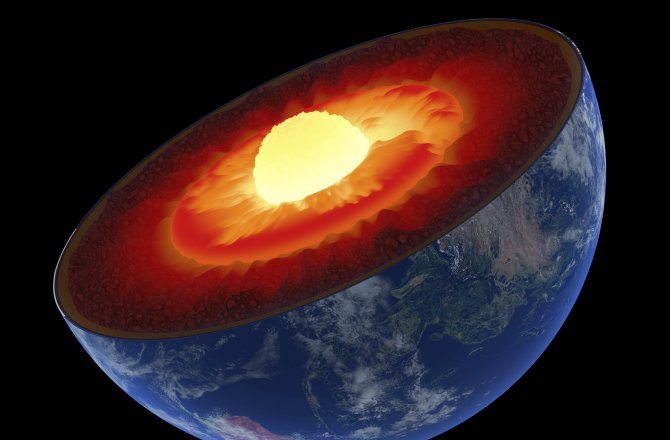
Which physical layer is represented by the yellow layer?
lithosphere
mesosphere
core
inner core

Earth's thickest layer?
Crust
Mantle
Inner
Core
Outer
Core
Which layer is considered the thinnest layer which is also rocky and the least dense of all the layers?
Mesosphere
Core
Mantle
Crust
Which of Earth's layers is completely solid?
Outer Core
Mesosphere
Inner core
Asthenosphere
What is one way to conserve energy?
Use hot water only.
Play on the Xbox.
Put a timer on your tv.
Only use lava lamps.
What is the best way to save energy ?
to leave the lights on when you're away
to turn the tv off when you're not in the room
leave the faucet on when your brushing you're teeth
to keep you're oven on after you bake something
What does conserve mean?
To use before it runs out.
To not use in an amount of time.
To save by using carefully.
To enjoy life and don't care about what people say.

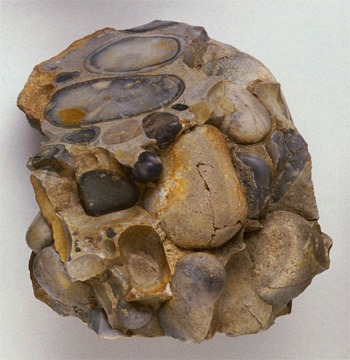
This rock was formed by smaller pieces of rock that settled at the bottom of a lake millions of years ago. What type of rock is this?
Sedimentary
Igneous
Metamorphic

The process when rocks break into smaller pieces due to exposure to natural elements is called...
Deposition
Erosion
Weathering
The process by which sediments move from one place to another from wind or rain is called...
Deposition
Erosion
Weathering
The process by which metamorphic rocks are formed...
Erosion and Deposition
Heat and Pressure
Melting and Cooling
What do we call the material that comes from rocks that have been broken down into smaller pieces?
Texture
Weathering
Sediment
Erosion
What causes igneous rocks to form?
Erosion and Weathering
Cooling of magma or lava
Heat and Pressure
Where do igneous rocks form?
underwater
deep underground
in the air
near volcanoes

