
NEW
Font size
 Worksheets
Peripheral Nervous System Review
Total questions: 52
Worksheet time: 33mins
The part of the PNS that controls involuntary actions
autonomic nervous system
somatic nervous system
organic nervous system
reflexive nervous system
Anna is recovering from a fight with Arianna. Anna's breathing is slowing down, her pulse is slowing, and she is fatigued. What part of the nervous system is responsible for these changes?
Cranial Nerves
Parasympathetic
Spinal Nerves
Sympathetic
A brain freeze is caused by a rapid decrease in temp, which causes brain blood vessels to quickly constrict, then quickly fill up with a rush of blood.
How interesting was this fact??
1 (Super boring)
2 (A little boring)
3 (I'm feeling pretty neutral)
4 (Hey, that's neat)
5 (HOLY SMOKES that's crazy!)
The pupil is located at the center of the
sclera
iris
retina
nothing
The vitreous humor is
gel like and gives the eyeball its shape
watery and gives the eyeball its shape
The sclera is designed for
strength
clarity


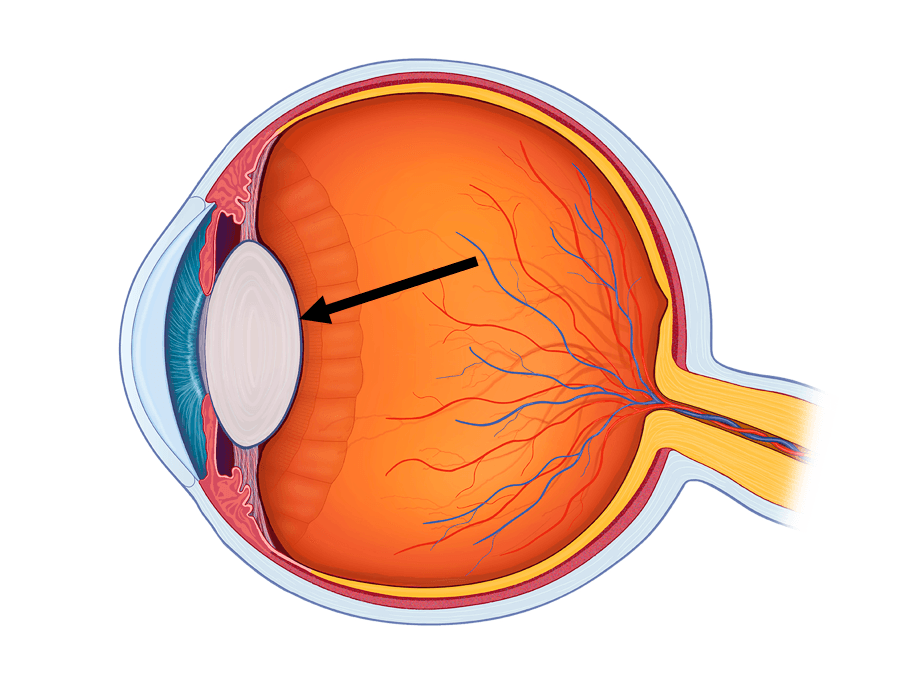
This part of the eye focuses light onto the retina.
Retina
Optic Nerve
Sclera
Lens
Cornea
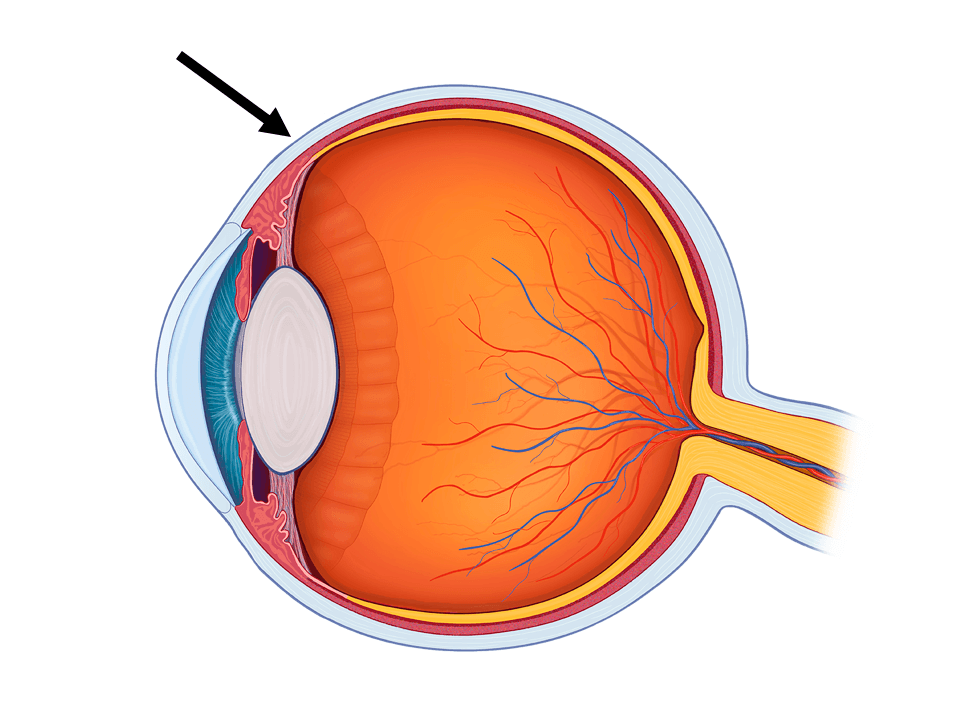
The white outer part of the eye.
Cornea
Lens
Retina
Sclera
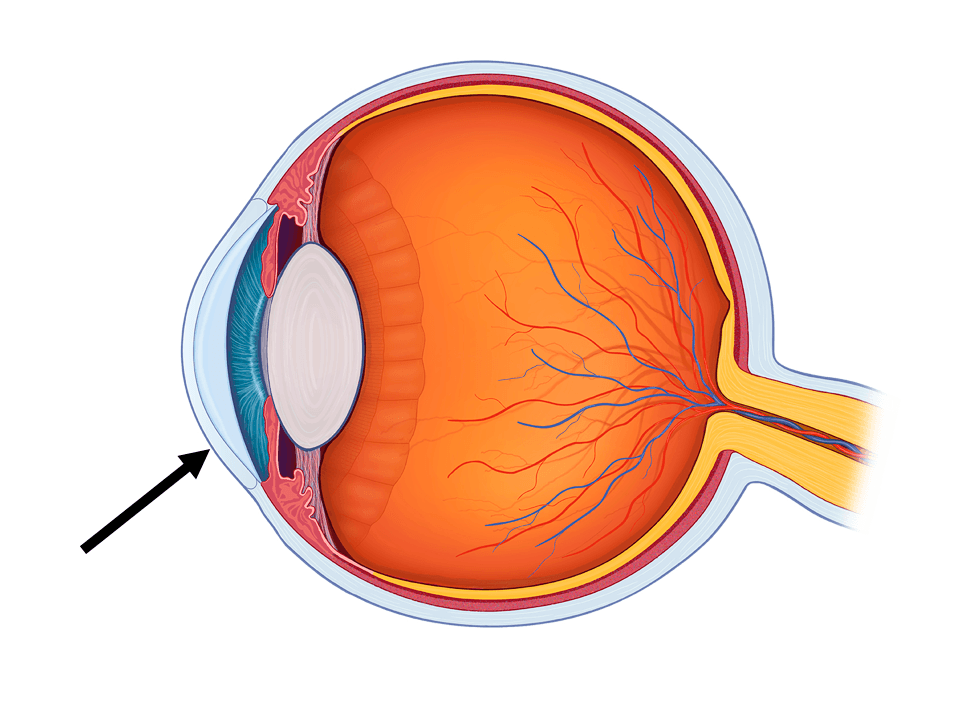
The clear part of the eye that light will first pass through.
Lens
Cornea
Sclera
Retina
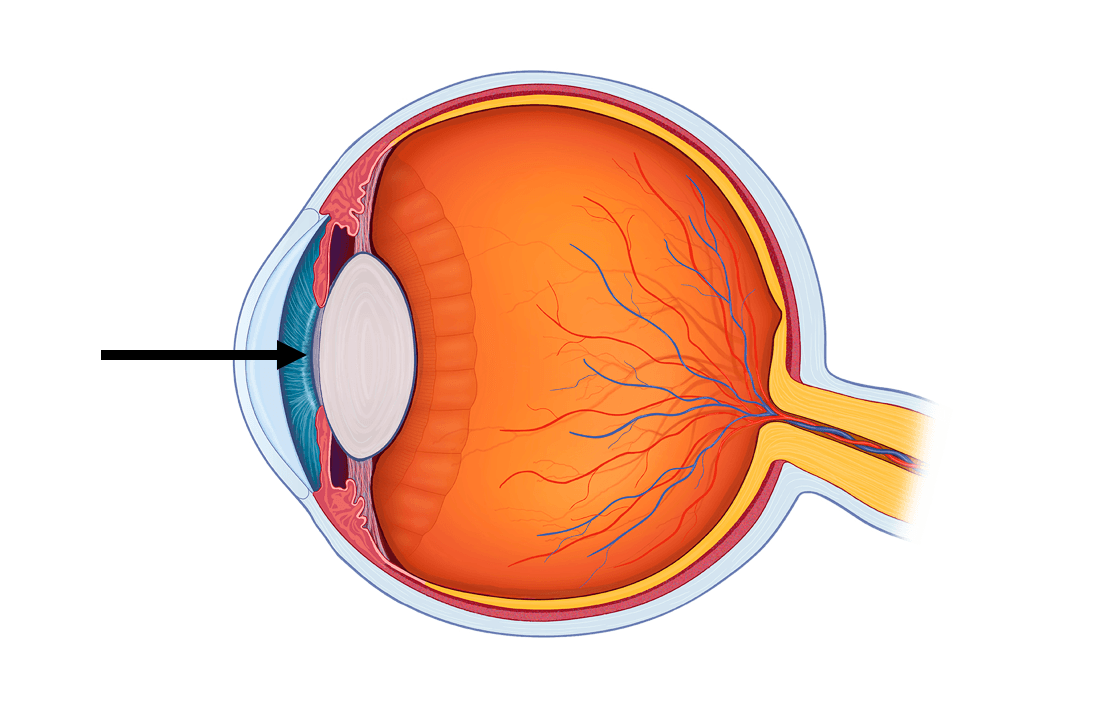
The opening of the eye where light enters
Retina
Sclera
Iris
Pupil
Lens
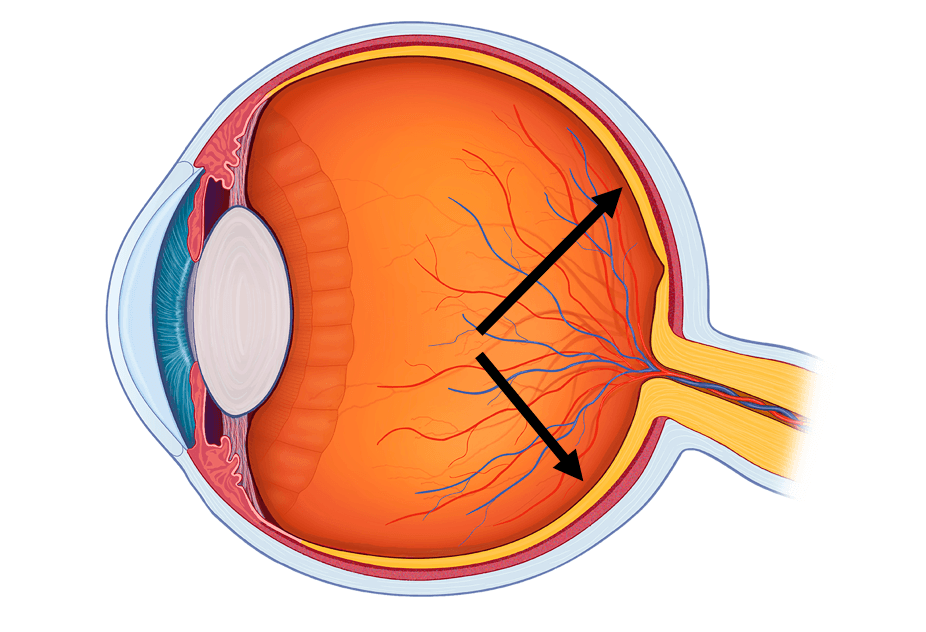
Photosensitive part of the eye that contains rods and cones.
Sclera
Retina
Optic Nerve
Cornea
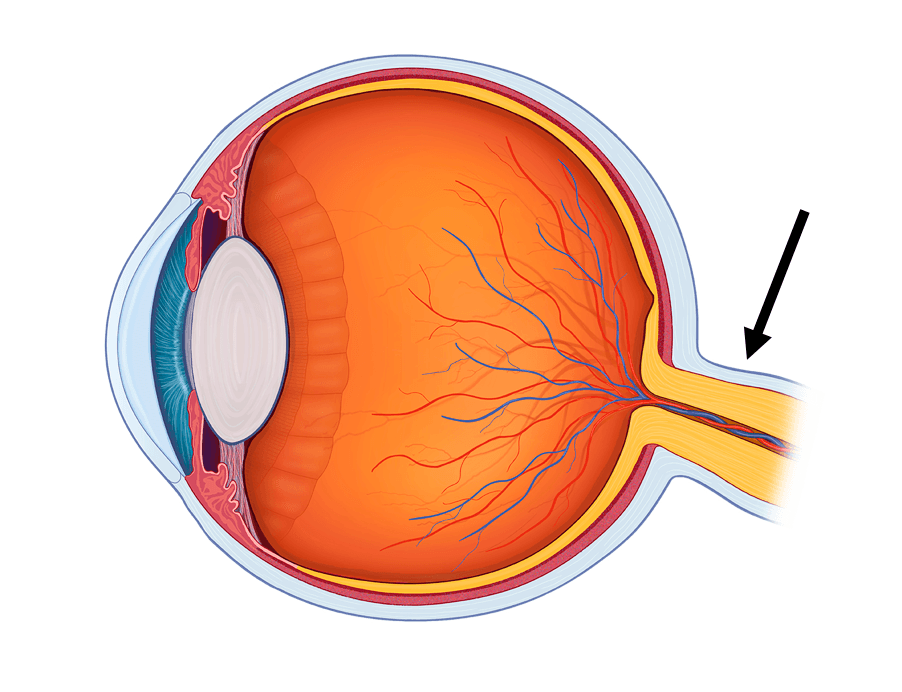
This part of the eye sends signals from the retina to the visual cortex.
Optic Nerve
Retina
Iris
Cornea
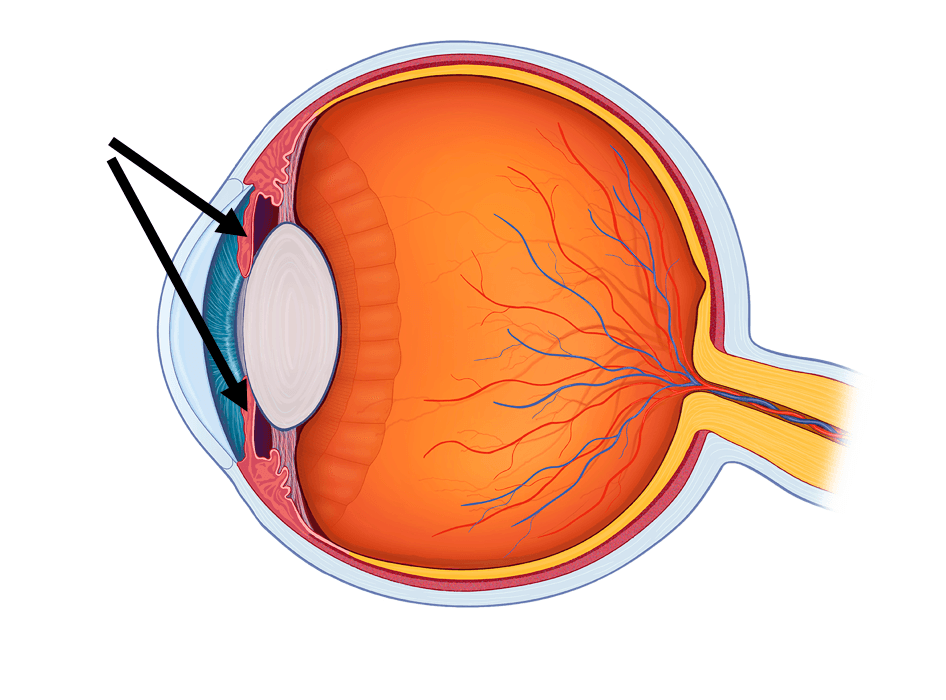
This part of the eye gives it its color. It can open and close to change the size of the pupil.
Cornea
Lens
Iris
Retina

What part is #1?
Pinna
Ear Canal
Ear Drum
Oval Window
What part is #2?
Pinna
External Auditory (Ear) Canal
Ear Drum
Oval Window
What part is #3?
Pinna
Ear Canal
Tympanic membrane (Ear Drum)
Oval Window
What part is #7?
Semicircular Canals
Eustachian Tube
Cochlea
Oval Window
What part is #6?
Semicircular Canals
Eustachian Tube
Cochlea
Oval Window
What part is #9?
Semicircular Canals
Eustachian Tube
Cochlea
Oval Window
What part is #10?
Incus/Anvil
Malleus/Hammer
Cochlea/Snail Shell
Stapes/Stirrup
What part is #12?
Incus/Anvil
Malleus/Hammer
Cochlea/Snail Shell
Stapes/Stirrup
What part is #13?
Incus/Anvil
Malleus/Hammer
Cochlea/Snail Shell
Stapes/Stirrup
Which type of receptor is used by eyes to help us see?
mechanoreceptor
thermoreceptor
chemoreceptor
photoreceptor
Which type of receptor is used by our senses of taste and smell?
chemoreceptors
mechanoreceptors
photoreceptors
thermoreceptors
What is Sensation?
Sensation refers to the process of sensing our environment through touch, taste, sight, sound, and smell.
refers to how the mind process information
refers to how we store information
Perception ca be defined as-
how we perceive different things
how we interpret the information from the external world
how we sense things from the external world
If an elderly person thinks that food does not taste as good as it used to, what is the likely reason?
a decline in his or her kinesthetic senses
a decline in his or her cochlea
a decline in his or her vestibular system
a decline in her or his olfaction (chemoreceptors)
This ear structure is responsible for balance.
eustachian tube
cochlea
tympanic membrane
semicircular canal
The colored part of the eye
pupil
iris
lens
retina
Which spot of the tongue is known as the "sweet" spot?
very tip
very back
sides
front
Which spot of the tongue is known as the "sour" spot?
very tip
very back
sides
front

