
 Worksheets
IGCSE Biology - Transport in mammals
Total questions: 42
Worksheet time: 28mins
Blood returning from the body enters the
right atrium
left atrium
left ventricle
right ventricle

Which type of blood vessel has a thick elastic wall?
Veins
Arteries
Capillaries
What carries oxygen around the body?
Plasma
Red Blood Cells
Platelets
White Blood Cells
What causes the blood to be the distinct red colour?
Haemoglobin
Glucose
Hormones
Oxygen
Which of the following is NOT a type of blood vessel?
Artery
Capillary
Vein
Ventricle
What is the function (job) of the platelets?
To form clots (i.e. scabs) when you have cuts and grazes.
To transport oxygen to the muscles
To carry dissolved sugars.
To produce antibodies
Which of the following is true of an artery?
One, some or all answers could be correct?
it carries blood back to the heart
it has a thick layer of elastic tissue
it has a thin layer of muscle tissue
it has a narrow lumen
Which of the following is true of an artery?
One, some or all answers could be correct?
it carries blood at a high pressure
it always carries oxygenated blood
it carries blood away from the heart
it has an outer layer of connective tissue
Which of the following is true of a vein?
One, some or all answers could be correct?
it carries blood at a high pressure
it always carries deoxygenated blood
it carries blood away from the heart
it contains valves
Arteries have a thick layer of muscle and elastic tissue.
Why is this important?
One, some or all answers could be correct?
Prevents arteries from bursting due to high blood pressure
Smooths out blood flow so it is in pulses
Helps to force blood back to the heart
Helps the artery to pick up oxygen
Which of the following is/are true of an arteriole?
One, some or all answers could be correct?
It is a small artery
It connects arteries to capillaries
It contains smooth muscle that can contract and relax
It controls blood flow to different organs by changing its diameter
Which of the following shows a correct route for the exchange of substances in blood?
arteriole --> artery --> capillary --> vein --> venule
artery --> vein --> capillary --> venule --> arteriole
venule --> vein --> capillary --> artery --> arteriole
artery --> arteriole --> capillary --> venule --> vein
Which of the following is/are true of a shunt vessels?
One, some or all answers could be correct?
It connects an artery to a vein directly
It bypasses using capillaries
It can control blood flow to different body areas
It can constrict (narrow) or dilate (widen)
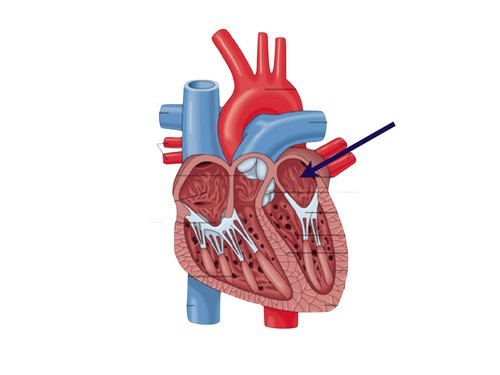
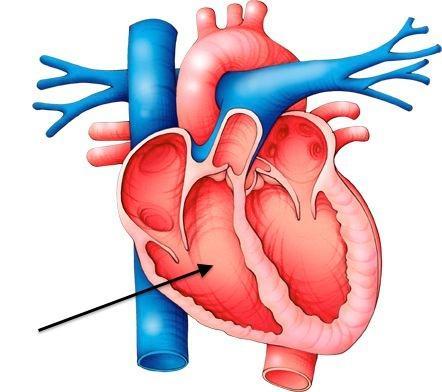
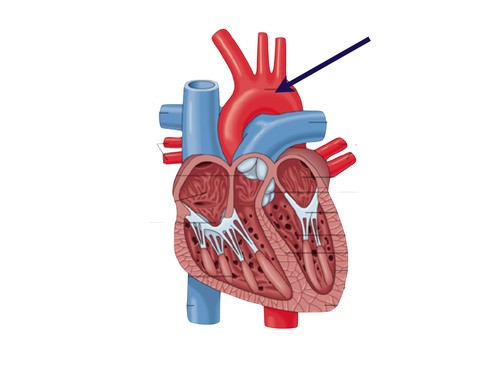

The diagram shows some parts from the blood of a mammal.
Which part would contain the breakdown products of bacterial cells?
A
B
C
D
Which describe the structure and function of a red blood cell?
structure: cell contents are dead
function: transport of water
structure: has a nucleus
function: produces antibodies
structure: has cilia
function: moves particles in the respiratory tract
structure: has no nucleus
function: transport of substances

The photograph shows human blood cells as seen under a microscope at high power.
Which are red cells?
P and Q
Q and R
R and S
S and P

The photograph shows two blood cells, X and Y.
What are the functions of cells X and Y?
cell X: carries out phagocytosis
cell Y: carries oxygen
cell X: carries oxygen
cell Y: produces antibodies
cell X: carries oxygen
cell Y: carries carbon dioxide
cell X: produces antibodies
cell Y: carries oxygen
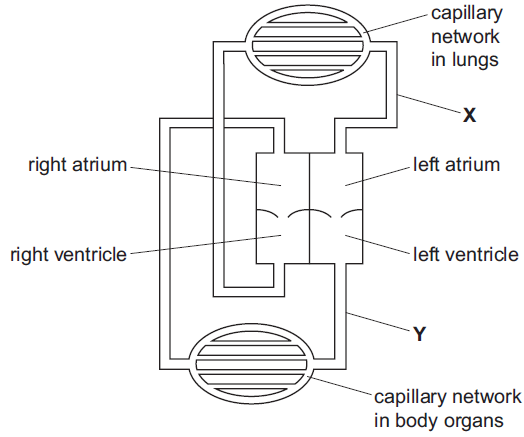
The diagram shows the circulatory system of a mammal.
What describes the blood in vessels X and Y?
X: deoxygenated
Y: deoxygenated
X: deoxygenated
Y:oxygenated
X:oxygenated
Y: deoxygenated
X: oxygenated
Y: oxygenated

The diagram shows human blood as seen through a light microscope.
A person’s blood is unable to clot.
Which component of the blood is not functioning properly?
A
B
C
D
A deficiency in which of the following may result in a person’s blood failing to clot properly?
antibodies
fibrinogen
haemoglobin
protease

The diagram shows the vessels associated with the flow of fluids to and from body cells.
Which is the lymph vessel?
A
B
C
D
What happens when the left ventricle contracts?
atrioventricular valves: closed
semilunar valves: closed
atrioventricular valves: closed
semilunar valves: open
atrioventricular valves: open
semilunar valves: closed
atrioventricular valves: open
semilunar valves: open
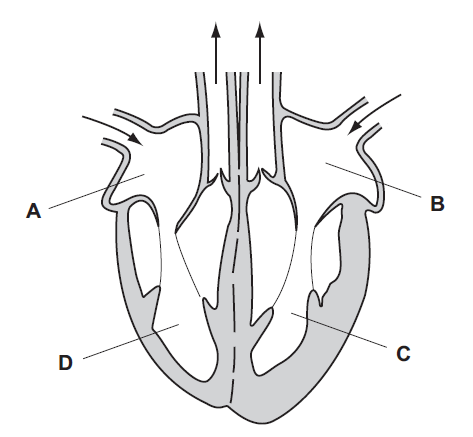
The diagram shows the directions of blood flow through a heart.
Which chamber of the heart receives blood directly from the lungs?
A
B
C
D
When the heart contracts a wave of blood is pushed through the arteries. This makes them expand and recoil. We can feel this as our (a) ?
Name the blood vessel leaving the left ventricle and carrying blood to the body.
(a)
Which blood vessel carries blood from the heart to the kidneys?
Only one answer is correct.
pulmonary artery
pulmonary vein
renal artery
renal vein
Which of the following is/are features of the lymphatic system?
One, some or all responses may be correct.
protects the body from infection
transports oxygen in red blood ells around the body
contains white blood cells
transports and circulates body fluids
Which of the following would reduce the risk of coronary heart disease (CHD)?
One, some or all responses may be correct.
a diet lower in salt
a diet higher in cholesterol
strategies to reduce stress
lack of exercise
Arrange the events below in the order that they actually happen for coronary heart disease?
I. plaque forms
II. cholesterol builds up in artery wall
III. blood clot forms
Only one answer is correct?
I --> II --> III
II --> III --> I
I --> III --> II
II --> I --> III
Which of the following treatments for coronary heart disease (CHD) do not require a person's chest to be opened up?
One, some or all responses may be correct.
stent
aspirin
angioplasty
coronary bypass surgery
How are angioplasty and using a stent different?
One, some or all responses may be correct.
A catheter (thin tube) is threaded through a small hole in the arm or leg
A balloon is inflated inside a blocked artery
Blood flow to the heart muscle is restored
A small mesh tube is involved when using a stent
Which of the following is/are true of coronary bypass surgery?
One, some or all responses may be correct.
An artery is taken from the arm or leg
Another artery is used to bypass the blocked artery
An artery is attached before the blockage in the coronary artery
Blood flow to the heart muscle is restored

