
 Worksheets
Carbonyl
Total questions: 14
Worksheet time: 8mins


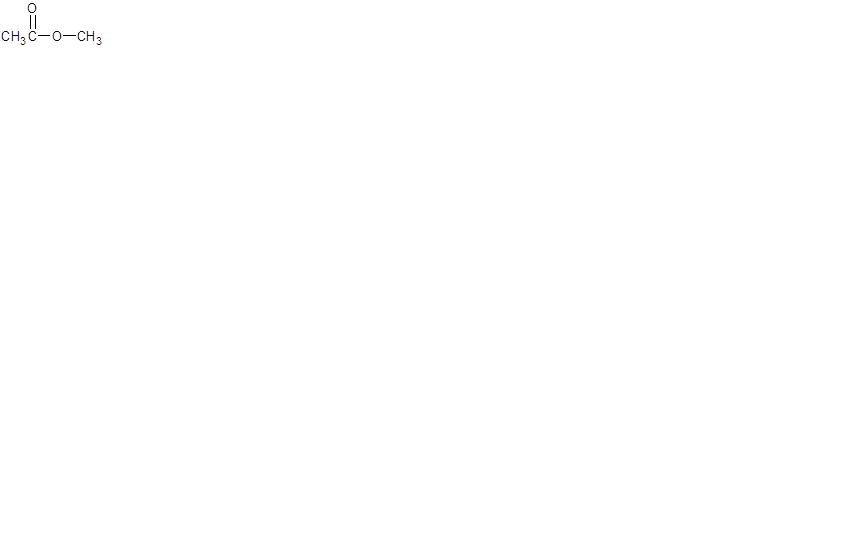
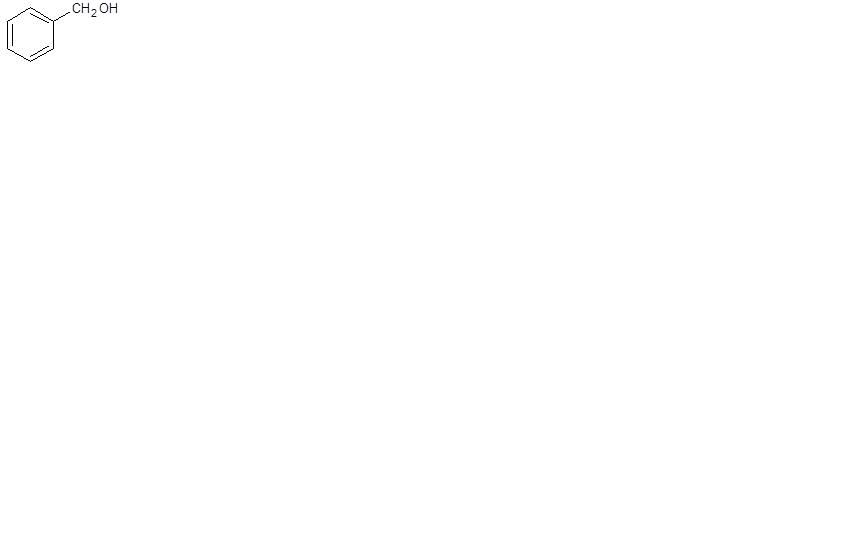
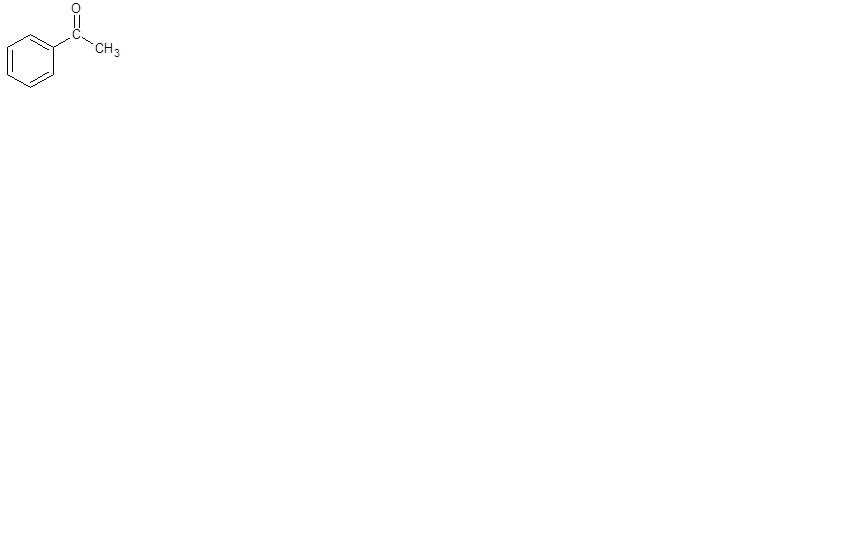
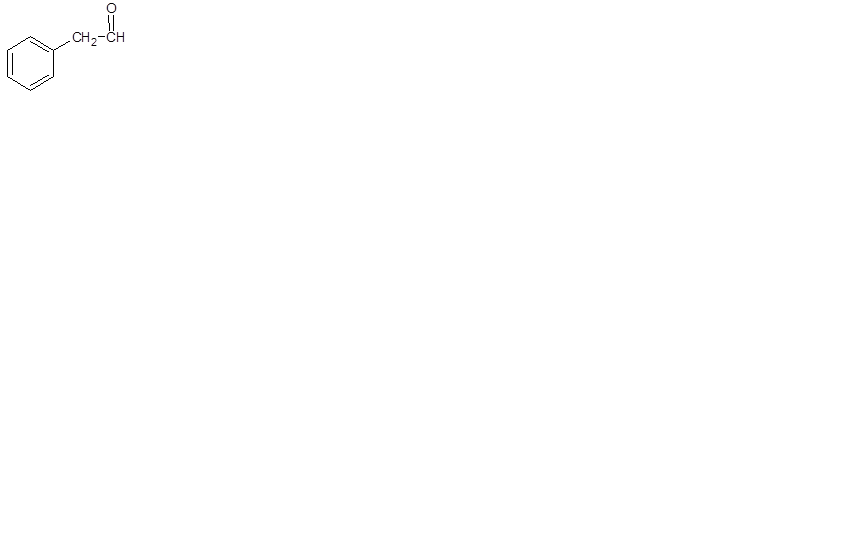
An organic compound X has the following chemical properties.
· Forms a yellow precipitate when tested with 2,4-dinitrophenylhydrazine.
· Forms a yellow precipitate when it reacts with an excess iodine in alkaline solution.
Which of the following compounds is X?
The following reaction scheme shows how propene can be prepared from propanal in two stages using reagents X and Y. Which of the following are the reagents X and Y?
X Y
CH3CH2CHO → CH3CH2CH2OH → H3CH=CH2
X: LiAlH4 ; Y: KOH, ethanol, reflux
X: NaBH4 ; Y: conc.H2SO4, heat
X: dillute H2SO4 ; Y: conc.ethanol, reflux
X: dillute H2SO4 ; Y: KOH, ethanol, reflux
Which substance would test positively with 2,4-DNPH but negatively with Tollens’ reagent?
Propanal
Propanone
Propanoic acid
1-propanol
Acetone reacts with HCN to form a cyanohydrin. It is an example of
Electrophilic addition
Electrophilic substituition
Nucleophilic addition
Nucleophilic substituition
Which reagent would you choose to convert 1-pentanol to pentanal?
PCC in CH2Cl2
K2Cr2O7 with aqueous H2SO4
KMnO4 with aqueous H2SO4
KOH, ethanol, reflux


Give the IUPAC name for the following compound
2-methyl-3-butanone
3-methyl-3-butanone
3-methyl-2-butanone
3-methylbutanone

Name the reaction mechanism to form X.
Nucleophilic substitution
Electrophilic addition
Nucleophilic addition
Electrophilic substitution
The only aldehyde that gives positive result with I2/NaOH is
Butanal
2-methylpropanal
Ethanal
Propanal

