
Font size
 Worksheets
animals systems (response and movement)
Total questions: 29
Worksheet time: 28mins
What are the Neurons?
Units that constitute the nervous system.
Units that constitute the brain tissue.
Blocks of tissue that constitute the endocrine system.
Blocks or tissues that constitute the organs of the body system.
What is the function of the nerve cells?
They are responsable of your defense mechanism.
They transmit signals or messages to other neurons, organs or glands.
They transmit substances to your endocrine system to produce hormones.

What type of neuron is represented on the image?
Motor Neuron
Interneuron
Sensory Neuron
Type of neuron that perceive information about your environment.
Motor Neuron
Interneuron
Sensory Neuron
Type of neuron that sends nerve impulses to muscles and gland, by the command of other neurons.
Motor Neurons
Interneurons
Sensory Neurons
Nervous system is made up of ___________
muscles
tissues
nerve cells
organs
Ligament
a band of tissue that provides support between bones
a band of tissue connecting muscles together
a band of tissue connecting two bones in a joint
Tendon
a band of tissue that connects muscle to muscle
a band of tissue that connects muscle to bone
a thread of tissue that connects muscle to ligaments

This diagram shows which system?
Respiratory
Cardiovascular
Nervous
Skeletal

This diagram shows which system?
Cardiovascular
Nervous
Excretory
Muscular

what is the suport system for this insect?
endoskeleton
exoskeleton
hydrostatic skeleton
chitin
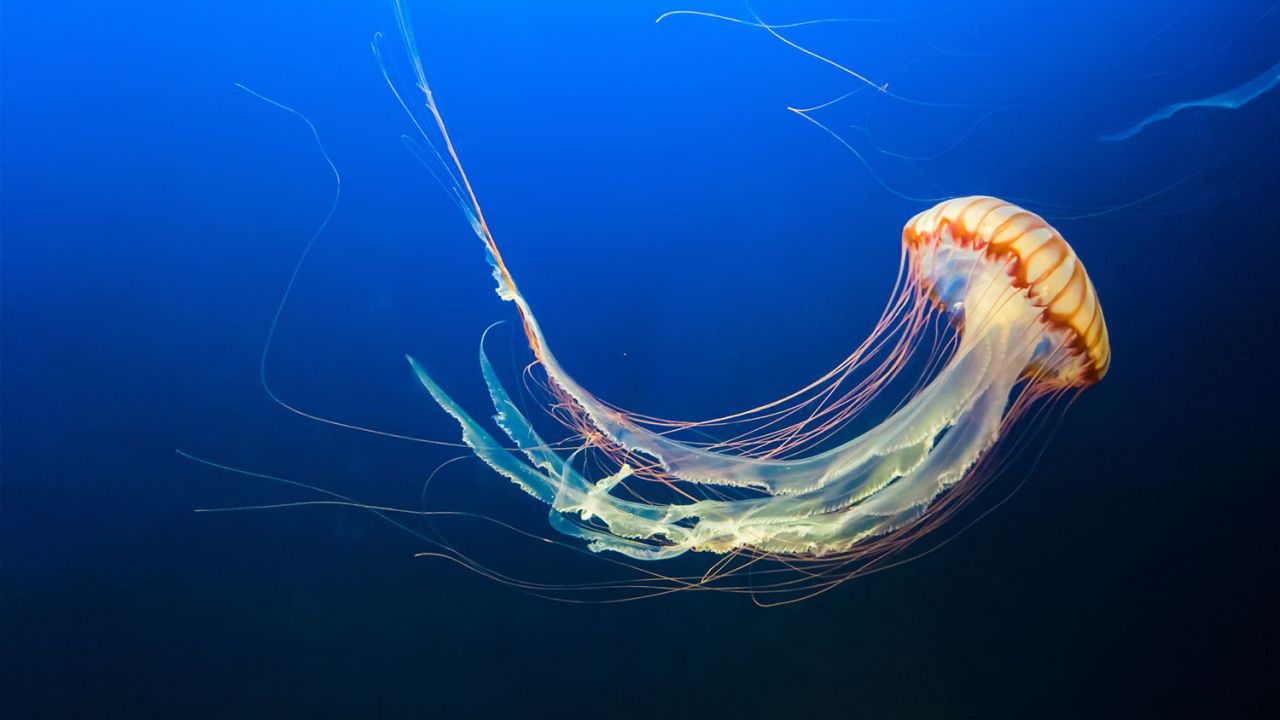
in the water, this animal is supported by....
endoskeleton
no skeleton
exoskeleton
hydrostatic skeleton

which animals have the same support system as the rabbit?
turtle and starfish
bird and whale
scorpion and crab
snake and caterpillar
what are the functions of skeleton in vertebrate animals? choose two from below....
support the body weight
protect animals from their enemy
helps animals to grow
maintain the shape of the animals' body
Which animal in not supported by an exoskeleton?


What means exoskeletons?
Is the same as vertebrates animals
Hard skeletons on the outside of the bodies of the animals
Hard skeletons on the inside of the bodies of the animals

Which of the following is NOT a function of an endoskeleton?
To enable movement
To protect the internal organs
To increase the weight of the body
To maintain the shape of the body
A shell is a type of _____
exoskeleton
endoskeleton
hydrostatic skeleton
Most endoskeletons are made of.....
cartilage
fluid
bone
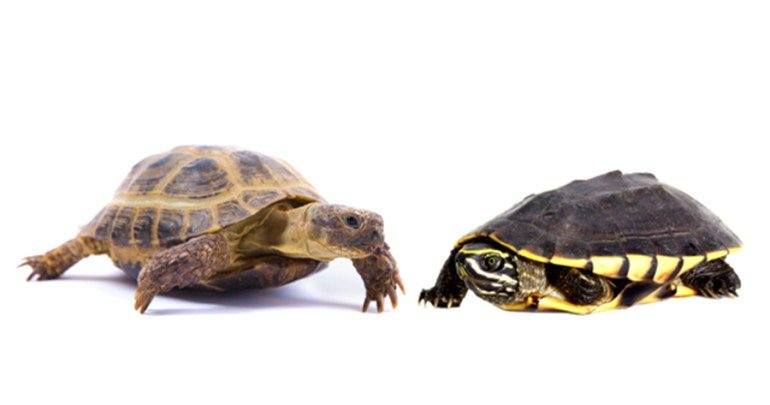
Tortoises and turtles have both endoskeletons and exoskeletons
TRUE
FALSE
Mammals and birds get support from
endoskeleton
exoskeleton
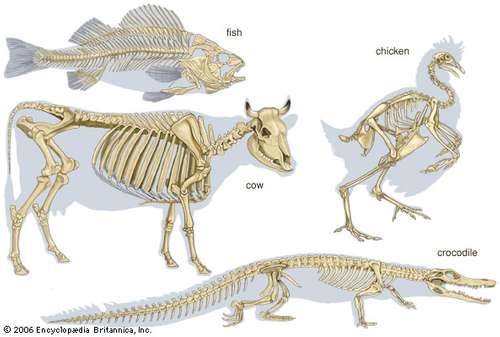
What is the support system of vertebrates as shown in the diagram.
Endoskeleton
Exoskeleton
Hydrostatic skeleton
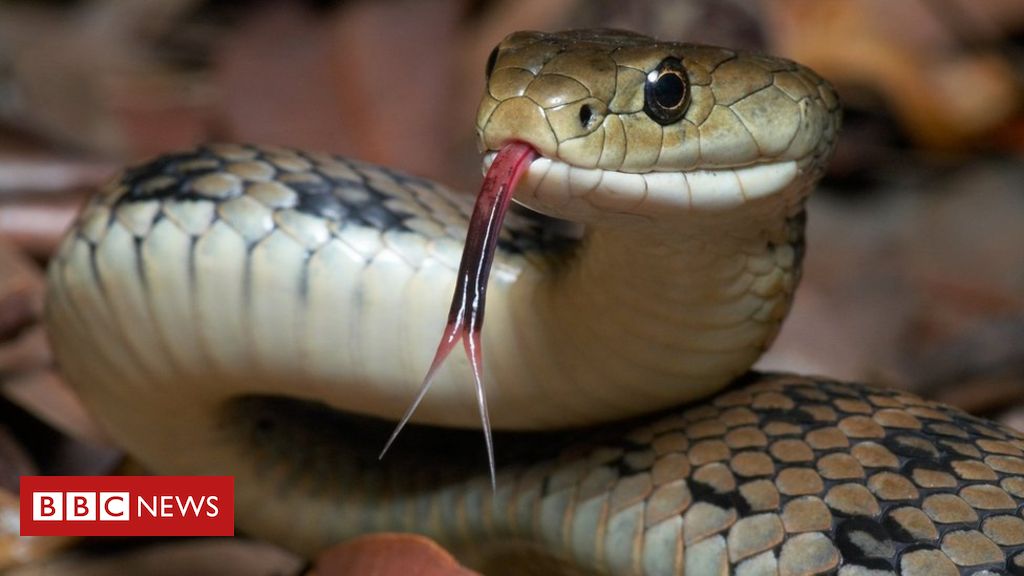
What is the type of skeleton in a snake?
Endoskeleton
Exoskeleton
Hydrostatic skeleton
Endoskeletons are skeletons outside the body. True or false?
TRUE
FALSE
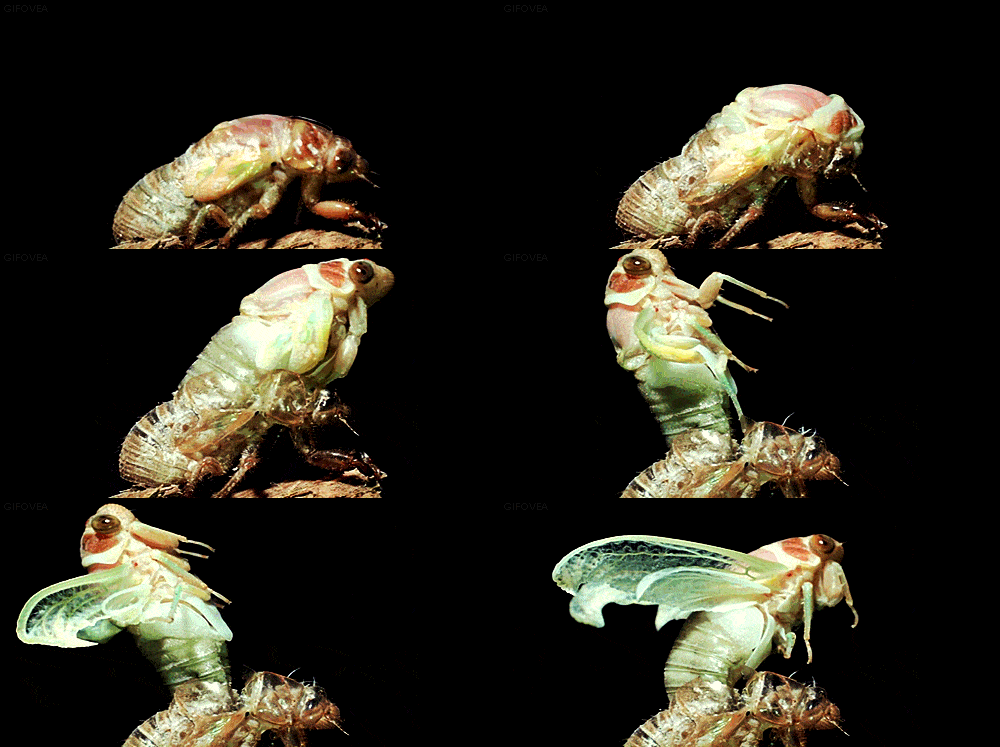
The animals that have exoskeleton will shed the skin repeatedly until they reach adulthood as shown in the diagram. The process is called (a)
What is the type of skeleton in a snake?
Endoskeleton
Exoskeleton
Hydrostatic skeleton
Which of the following is NOT true about the nervous system of most invertebrates?
The nerve cord is ventral
There is a greater diversity across invertebrate species in nervous system organization than in vertebrates
Their nervous system functions are relatively simple
They show a greater degree of centralization and cephalization
What part of the brain controls conscious activities, memory, language, and the senses?
Cerebrum
Cerebellum
Hypothalamus
Brainstem
The cerebellum controls ____________
senses
movement, posture, balance and coordination

