
 Worksheets
APE MAN & Periodic Trends
Total questions: 65
Worksheet time: 55mins


If a neutral atom has 3 electrons, how many protons does it have?
1
2
4
3
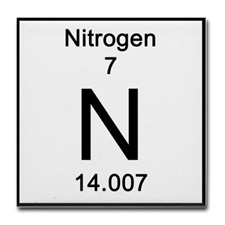

What is the mass number of this atom?
1
3
4
7
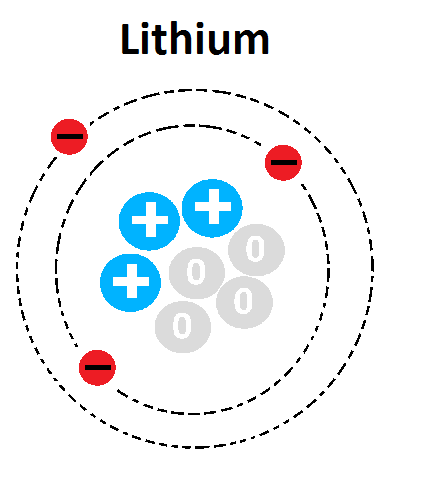
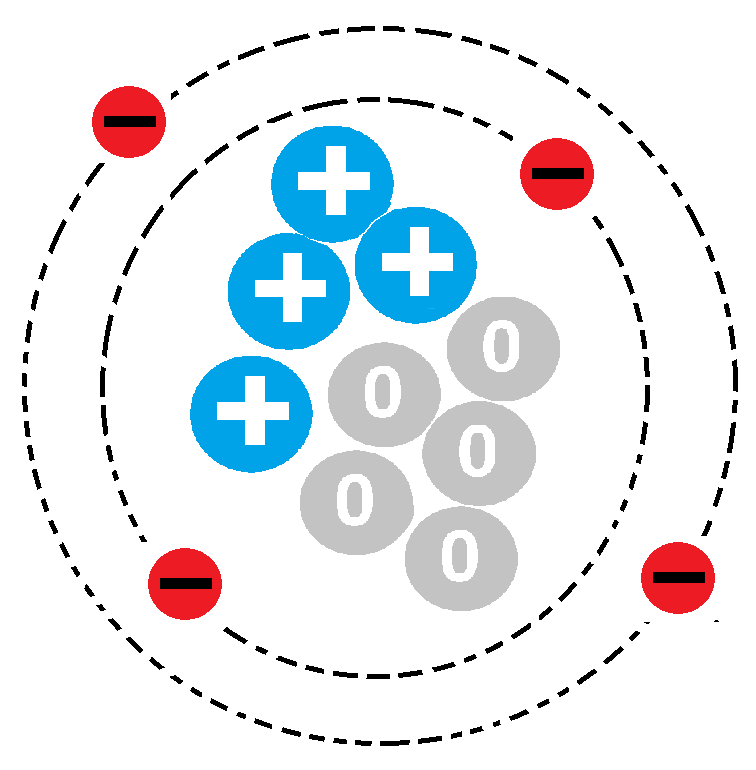


Which element is this?
Nickel
Neon
Sodium
Nitrogen

Name this element.
Neon
Magnesium
Sodium
Manganese


If an atom has 17 protons, 18 neutrons, and 17 electrons, what is the mass of this atom?
17
18
35
52

An atom of a certain element has 36 protons, 36 electrons, and a mass number of 84. At room temperature this element is a very stable gas. How many neutrons are in this atom? (8.5A)
84
36
48
72


What element is this?
Beryllium
Fluorine
Carbon
Boron
What element is this?
Oxygen
Silicon
Sulfur
Argon
How many neutrons are in an element with 9 protons, 9 electrons, and a mass number of 19?
9
10
18
28
An atom consists of 12 protons, 12 electrons, and 12 neutrons. Which of the following can be used to identify the element?
Neutrons
Electrons
Atomic number
Atomic mass

Four students were asked to name the parts of an atom that determine the atom’s identity and chemical properties. The students’ responses are shown in the table below.
Student 1
Student 2
Student 3
Student 4

On the periodic table, Groups are
Horizontal rows
Vertical columns

On the periodic table, Periods are
Horizontal rows
Vertical columns
What is a valence electron?
Electrons in the first energy shell
Electrons in the second energy shell
Electrons in the outer shell
Total number of electrons
The group number tells you the number of
protons
valence electrons
energy levels
The period number tells you the number of
protons
energy levels
valence electrons
Which elements have properties in common?
elements in a group
elements in a period

How many valence electrons?
2
3
4
5

How many valence electrons?
2
3
4
5

How many valence electrons?
2
4
6
8
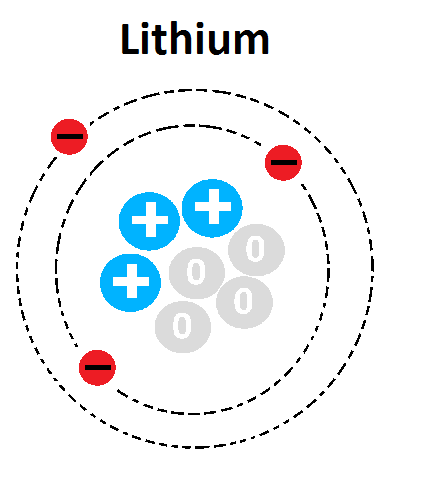
What group is this element in?
1
13
14
17
What group is this element in?
2
14
18
1

What group is this element in?
2
10
8
18

How many energy levels does this atom have?
2
3
5
10
How many orbitals does this atom have?
8
10
2
18
What period is this element in?
7
2
3
10
What period is this element in?
2
4
6
1
What period is this element in?
2
10
8
1
Elements in the same group have __________
Similar Properties
Same number of shells
Similar Mass
Which elements have the most similar chemical properties?
boron and carbon
oxygen and sulfur
aluminum and bromine
argon and silicon
Using the periodic table, determine the name of the element that has 2 valence electrons and 6 energy levels.
Francium
Barium
Molybdenum
hydrogen


A researcher wants to experiment with an element that reacts like sulfur (S) but has a smaller atomic mass. Which element should the researcher select for the experiment?
Oxygen (O)
Selenium (Se)
Phosphorous (P)
Chlorine (Cl)

Which two elements have properties in common?
Nitrogen and Phosphorous
Oxygen and Nitrogen
Sulfur and Nitrogen

The atoms of a certain element contains 11 protons and 1 valence electron. Which statement correctly identifies this element and describes its chemical reactivity? (8.5B)
The element is sodium, and it is highly reactive
The element is fluorine, and it is not very reactive.
The element is sodium, and it is not very reactive.
The element is fluorine, and it is highly reactive.
A student is studying calcium, a highly reactive element that humans need for strong bones. Which characteristic of calcium is most closely related to its chemical reactivity?
The 20 protons in each atom of calcium
The 2 valence electrons in each atom of calcium
The atomic mass of calcium, which is 40.078 amu
The density of calcium, which is 1.54 g/cm3
Four students were asked to name the parts of an atom that determine the atom’s identity and chemical properties. The students’ responses are shown in the table below.
Student 1
Student 2
Student 3
Student 4
How do electrons of an element determine that element's reactivity?
If the valence shell has missing electrons it is very reactive to attract or lose more electrons.
If the valence shell has a full ring of electrons it is very reactive because it needs more.
If the valence shell has a full shell of electrons it is very reactive because it is already full.
If the valence shell has missing electrons it is not reactive because it is missing electrons.

