
 Worksheets
Physical and Chemical Changes
Total questions: 60
Worksheet time: 53mins
Name
Class
Date
1.
Which of the following is a sign that a chemical reaction has occurred?
a)
change in shape
b)
melting
c)
formation of a gas
d)
dissolving
2.
Is hammering wood together to build a house a chemical or physical change?
a)
chemical
b)
physical
3.
Is melting butter for popcorn a chemical or physical change?
a)
chemical
b)
physical
4.
Is bleaching your hair a physical or chemical change?
a)
physical
b)
chemical
5.

Is burning wood a chemical or physical change?
a)
chemical
b)
physical
6.
A change in the size, shape, or state of matter.
a)
chemical change
b)
physical change
c)
chemical reaction
d)
electron change
7.
Which of the following is NOT an example of a physical change?
a)
crumpled paper
b)
pencil sharpening
c)
shrunken clothing
d)
sour milk
8.
Kim puts an ice cube in a beaker and it melts. This is a good example of:
a)
a physical change.
b)
a chemical change.
c)
an experiment.
d)
an analysis.
9.

Photosynthesis is an example of a
a)
physical change
b)
chemical change
10.
When you break a cracker into pieces it is a
a)
Chemical change
b)
Physical change
c)
Chemical Weathering
d)
Physical Weathering
11.
Adding baking soda and vinegar together and it fizzes and creates carbon dioxide.
a)
Chemical
b)
Physical
12.
What is an example of a Chemical change?
a)
Ripped paper
b)
boiled egg
c)
cracked egg
d)
sugar in water
13.
Which is a physical change?
a)
burning match
b)
vinegar in baking soda
c)
melting butter
d)
cooking an egg
14.
Liv lit a match and said it was a physical change. Is she correct?
a)
Yes
b)
No
c)
I dunno...
d)
...
15.
Jayden asked Gabe what she could do to an egg for a chemical change. Gabe answered correctly and said...
a)
You can drop the egg.
b)
You can cook the egg.
c)
You can crack the egg.
d)
You can paint the egg.
16.
what is the definition of chemical change?
a)
any change that results in the formation of new chemical substances.
b)
changing clothes
c)
matter cannot be created or destroyed, only change form
d)
changes affecting the form of a chemical substance, but not its chemical composition.
17.
what is burning?
a)
physical change
b)
physical property
c)
chemical change
d)
chemical property
18.
One cup of water is left outside for two days when it was checked there was only half a cup left. What happened?
a)
evaporation; chemical change
b)
condensation; physical change
c)
evaporation; physical change
d)
condensation; chemical change
19.
Which of the following tells you that a chemical change has occurred?
a)
Change Shape
b)
Melting
c)
Vaporizing
d)
Change in color
20.
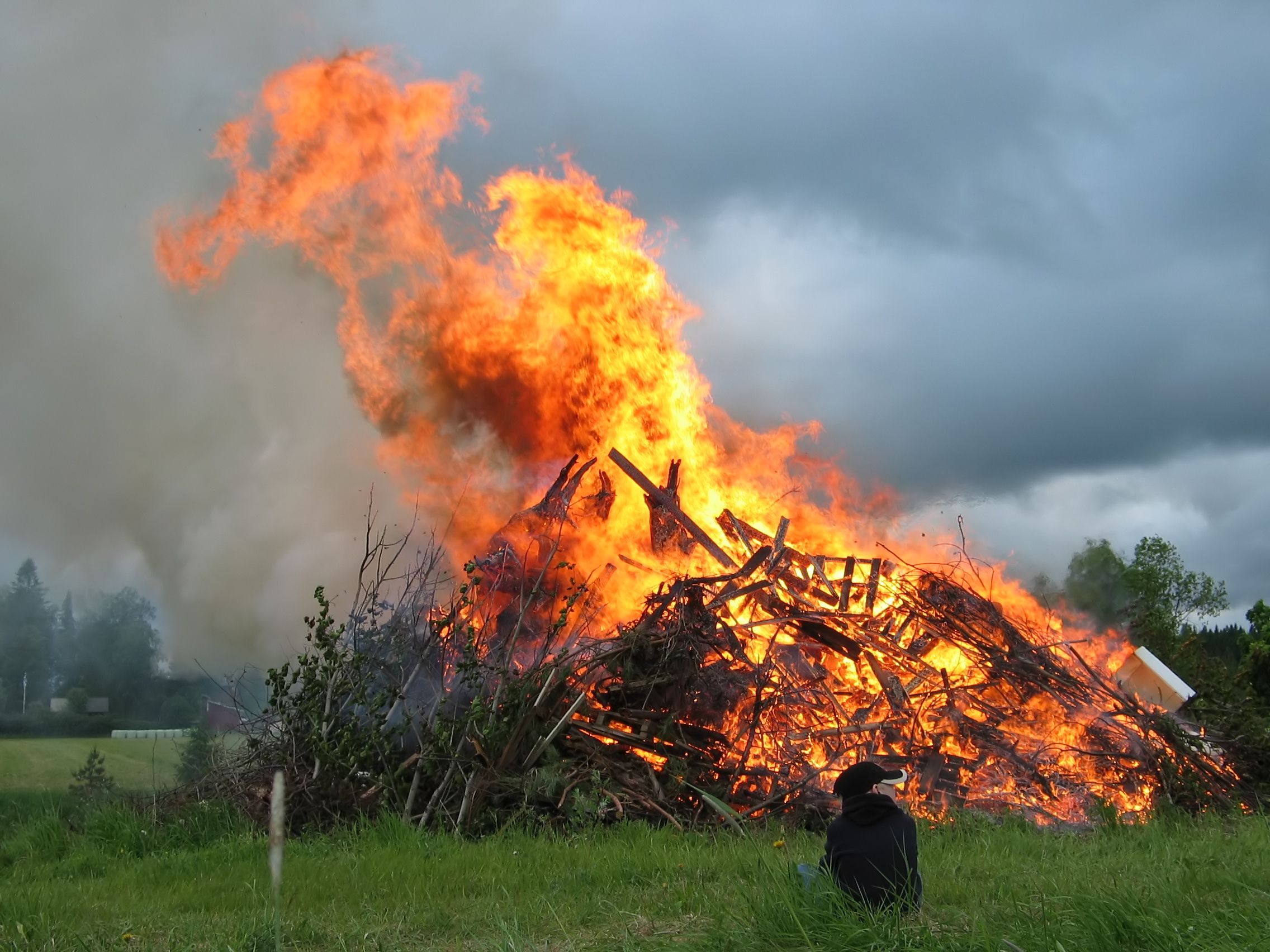
Is wood burning a physical or chemical change?
a)
Physical
b)
Chemical
21.
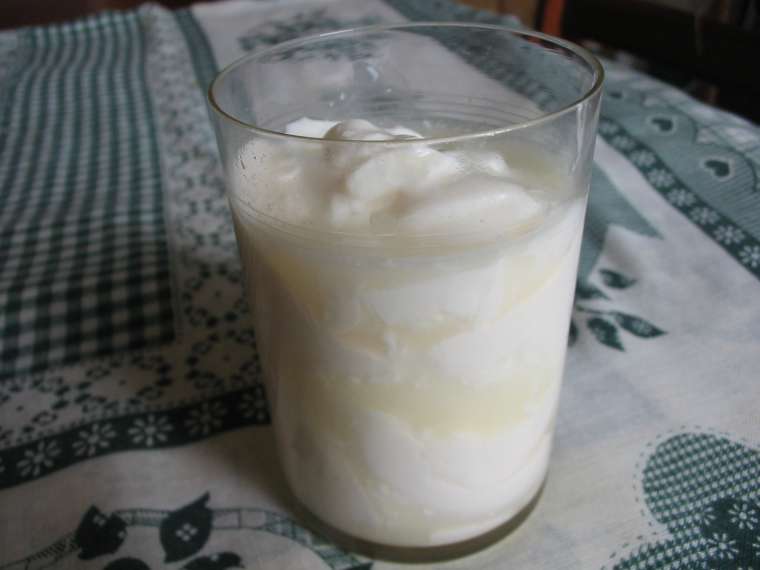
Is milk going sour a physical or chemical change?
a)
Physical
b)
Chemical
22.

Is gatorade powder dissolving in water physical or chemical change?
a)
Physical
b)
Chemical
23.

Is mold growing on cheese a physical or chemical change?
a)
Physical
b)
Chemical
24.

Is making orange juice a physical or chemical change?
a)
Physical
b)
Chemical
25.

Is sharpening a pencil a physical or chemical change?
a)
Physical
b)
Chemical
26.

Is copper tarnishing a physical or chemical change?
a)
Physical
b)
Chemical
27.

Is the formation of the grand canyon a physical or chemical change?
a)
Physical
b)
Chemical
28.
The Law of Conservation of Mass tells us matter can't ______________.
a)
change color
b)
change state of matter
c)
be created or destroyed
d)
change temperature
29.
Which of the following is not a clue that a chemical reaction has taken place?
a)
Changing size
b)
Changing color
c)
A gas being formed
d)
Formation of a precipitate
30.
Which of the following IS a clue that a chemical change has occurred?
a)
State of matter change
b)
Size Change
c)
Change in temperature
d)
Shape change
31.
Digesting your food is an example of
a)
chemical change
b)
physical change
32.
The melting of wax is an example of a
a)
chemical change
b)
physical change
33.
Which of the following describes a precipitate?
a)
a liquid forms when a block of metal is heated
b)
a solid forms when one liquid is poured into another
c)
a gas forms when a solid is placed in a liquid
d)
bubbles form when an acid is poured on a rock
34.
Which is a chemical change?
a)
freezing fruit juice
b)
slicing a potato
c)
boiling water
d)
copper metal turning green
35.
Which is a physical change?
a)
digesting food
b)
burning natural gas
c)
exploding firework
d)
chopping onions
36.
Which is a physical change?
a)
melting ice
b)
burning wood
c)
rotting food
d)
rusting iron
37.
The burning of coal is an example of a
a)
chemical change
b)
physical change
38.
Dissolving sugar in water is an example of a
a)
physical change
b)
chemical change
39.
Which process is an example of a purely physical change?
a)
A peanut butter sandwich is eaten and broken down by enzymes in the stomach.
b)
Carrots are cut into small pieces and mixed into a salad.
c)
Sodium metal and chlorine gas are combined to form sodium chloride, or table salt.
d)
Sodium metal and water are combined to form a basic compound and a flammable gas.
40.
Tearing paper into pieces is an example of what kind of change?
a)
a mass change
b)
a chemical change
c)
a physical change
d)
a energy change
41.
There are several differences between chemical and purely physical changes. Which process is an example of a chemical change?
a)
steam rising from a boiling pot of soup
b)
a metal railing rusting in damp weather
c)
alcohol evaporating from a cotton swab
d)
a piece of wood shrinking as it dries out
42.
When paper is burned, the mass of the remaining ash is less than the mass of the original paper. Which statement best explains this result?
a)
The ash has less volume than the paper.
b)
Some of the matter is destroyed during the reaction.
c)
The mass of the ash cannot be accurately determined.
d)
Some of the products of the reaction were given off as a gas.
43.
Which process represents a chemical change?
a)
Which process represents a chemical change?
b)
A metal bar is rolled into a flat sheet.
c)
Vinegar bubbles when baking soda is added.
d)
Sand, water, and salt combine to form a mixture.
44.
Trini adds 10 g of baking soda to 100 g of vinegar. The mixture begins to bubble. When the bubbling stops, Trini finds the mass of the resulting mixture. She determines its mass is 105 g. Why has the mass changed?
a)
A gas has formed and left the mixture.
b)
Vinegar evaporated during the experiment.
c)
Mixtures always are less massive than their parts.
d)
Mass was destroyed when vinegar reacted with baking soda.
45.
Which process is an example of a purely physical change?
a)
Burning
b)
Rusting
c)
Flattening
d)
Decomposing
46.
Chemical changes result in new substances with new physical properties. Purely physical changes do not result in new substances. Which process is an example of a chemical change?
a)
chopping a tree
b)
grilling a burger
c)
heating a cup of tea
d)
drying clothes in the dryer
47.
Glass Breaking
a)
Physical
b)
Chemical
48.
building a house out of playdough
a)
Physical
b)
Chemical
49.
separating a mixture
a)
Physical
b)
Chemical
50.
rotting tomatoes
a)
Physical
b)
Chemical
51.
making koolaid
a)
Physical
b)
Chemical
52.
cutting your hair
a)
Physical
b)
Chemical
53.
fireworks exploding
a)
Physical
b)
Chemical
54.
releasing the helium from a balloon
a)
Physical
b)
Chemical
55.
baking a cake
a)
Physical
b)
Chemical
56.
burning dinner
a)
Physical
b)
Chemical
57.
freezing leftovers
a)
Physical
b)
Chemical
58.
a plant turning sunlight into energy
a)
Physical
b)
Chemical
59.
crushing a can of soda
a)
Physical
b)
Chemical
60.
boiling water
a)
physical
b)
chemical
100 %

