
 Worksheets
Chemical/physical changes in food
Total questions: 10
Worksheet time: 5mins
Acidic
Turns food brown and creates pleasant, volatile, aromatic compounds. It is a reaction between amino acids in protein and sugar or starch. It begins at 154°C.
Occurs when a starch is exposed to dry heat; the starch is broken down into dextrin, resulting in a change in colour to golden brown.
A mixture with a pH between 8 and 14.
A mixture with a pH between 1 and 6.
Alkalis
A gelatinised mixture is allowed to stand for a period of time, allowing the gel structure to tighten and cause a ‘weeping’ effect. This may also occur with over coagulation.
A mixture with a pH between 1 and 6.
A mixture with a pH between 8 and 14.
Starch granules absorb liquid in the presence of heat and thicken the liquid, forming a gel.

Caramelisation
This process occurs when a supersaturated sugar solution is boiled, and large crystals are formed.
Occurs when a starch is exposed to dry heat; the starch is broken down into dextrin, resulting in a change in colour to golden brown.
Turns food brown and creates pleasant, volatile, aromatic compounds. It is a reaction between amino acids in protein and sugar or starch. It begins at 154°C.
The process that sugars undergo when heated to high temperatures to develop a golden-brown colour
Coagulation
A gelatinised mixture is allowed to stand for a period of time, allowing the gel structure to tighten and cause a ‘weeping’ effect. This may also occur with over coagulation.
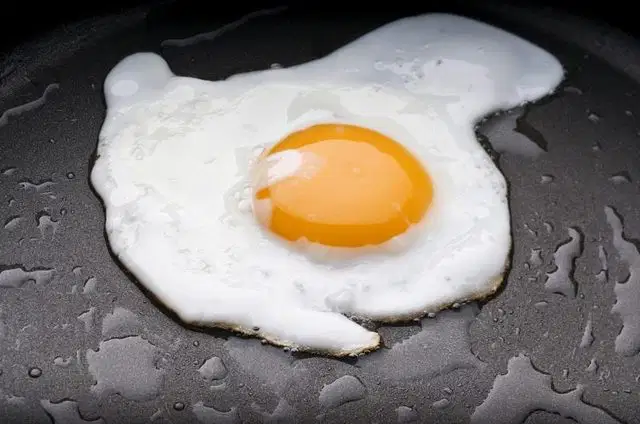
A permanent change in the protein from a liquid into a thick mass as a result of heat or the addition of acids. The denatured proteins form a new structure that retains water – a semi liquid becomes firm and maintains shape.
The process of incorporating air into food products to increase volume and create a light, airy texture.
Turns food brown and creates pleasant, volatile, aromatic compounds. It is a reaction between amino acids in protein and sugar or starch. It begins at 154°C.

Dextrinisation
The process that sugars undergo when heated to high temperatures to develop a golden-brown colour
The process of incorporating air into food products to increase volume and create a light, airy texture.
Starch granules absorb liquid in the presence of heat and thicken the liquid, forming a gel.
The process that occurs when a starch is exposed to dry heat; the starch is broken down to dextrin, resulting in a change in colour to golden brown

Gelatinisation
A gelatinised mixture is allowed to stand for a period of time, allowing the gel structure to tighten and cause a ‘weeping’ effect. This may also occur with over coagulation.
Starch granules absorb liquid in the presence of heat and thicken the liquid, forming a gel.
Occurs when a starch is exposed to dry heat; the starch is broken down into dextrin, resulting in a change in colour to golden brown.
The process of incorporating air into food products to increase volume and create a light, airy texture.
Maillard reaction
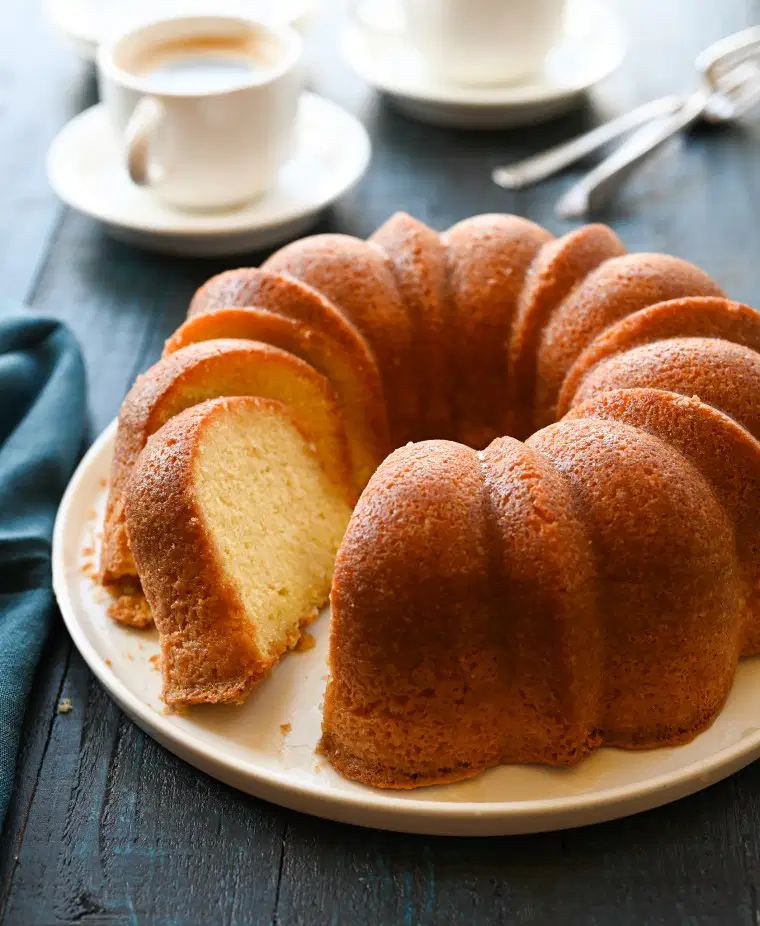
Turns food brown and creates pleasant volatile aromatic compounds. It is a reaction between amino acids in protein and sugars and/or starch. It begins at about 154 °C, so can be seen when sautéing on the cooktop or baking in the oven.
The permanent structural change of the protein molecules in food, with a weakening or breaking of the bonds between. This can occur with the application of heat, mechanical action or the addition of acids.
Process when sugar (sucrose) begins to decompose when exposed to high temperatures (190°C) using dry heat. Hundreds of compounds are generated as the sugar decomposes, resulting in browning and enjoyable aromas.
Occurs when a starch is exposed to dry heat; the starch is broken down into dextrin, resulting in a change in colour to golden brown.
Denaturisation
A permanent change in the protein from a liquid into a thick mass as a result of heat or the addition of acids. The denatured proteins form a new structure that retains water – a semi liquid becomes firm and maintains shape.
The permanent structural change of the protein molecules in food. This can occur with the application of heat, mechanical action or the addition of acids.
Turns food brown and creates pleasant, volatile, aromatic compounds. It is a reaction between amino acids in protein and sugar or starch. It begins at 154°C.
The process that sugars undergo when heated to high temperatures to develop a golden-brown colour
Emulsification
Starch granules absorb liquid in the presence of heat and thicken the liquid, forming a gel.
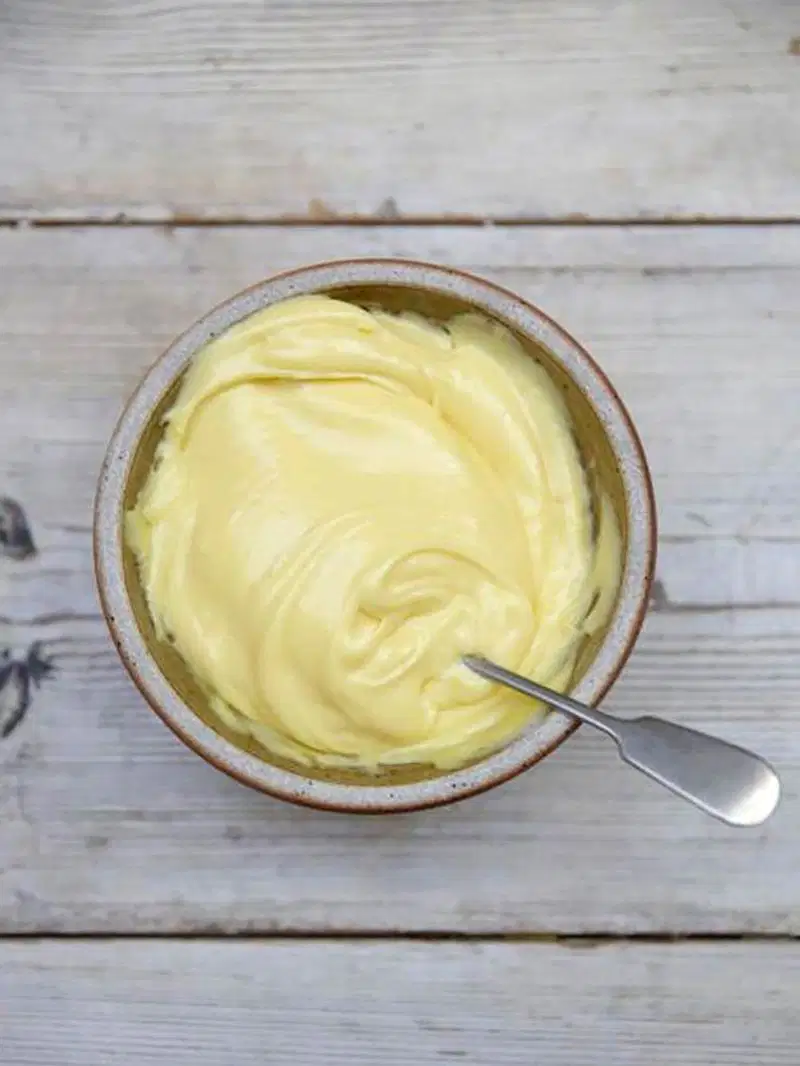
Mixing two liquids that don’t normally combine evenly; for example, water and oil
The process of incorporating air into food products to increase volume and create a light, airy texture.
A gelatinised mixture is allowed to stand for a period of time, allowing the gel structure to tighten and cause a ‘weeping’ effect. This may also occur with over coagulation.

Aeration
Occurs when a starch is exposed to dry heat; the starch is broken down into dextrin, resulting in a change in colour to golden brown.
This process occurs when a supersaturated sugar solution is boiled, and large crystals are formed.
Turns food brown and creates pleasant, volatile, aromatic compounds. It is a reaction between amino acids in protein and sugar or starch. It begins at 154°C.
The process of incorporating air into food products to increase volume and create a light, airy texture. This can be due to biological, chemical or mechanical actions

