
 Worksheets
Judicial Branch
Total questions: 75
Worksheet time: 38mins
Supreme Court justices are nominated by the ____.
President
Vice President
Senate
Congress
Supreme Court justices are confirmed by the _____.
Vice President
Senate
House of Representatives
Congress
How many justices make up the Supreme Court?
5
7
8
9
How many Appellate Courts are in the United States?
5
10
12
50
Who is the current Chief Justice of the Supreme Court?
Sonia Sotomayor
John Roberts
Brett Kavanaugh
Clarence Thomas
What is the term limit for a Supreme Court Justice?
1 year
5 years
10 years
For their life or until they retire
How many Supreme Court Justices does it take to arrive at a majority decision?
4
5
6
7
True or False, approving the writ of certiorari means the Supreme Court will not hear the case?
True
False
What does the Judicial Branch do?
Interprets the laws
Makes the laws
Carries out the laws
What is the job of an appellate court?
To automatically overturn the original ruling
To uphold the original ruling no matter what
To select cases for the Supreme Court
To review an original case for a mistake
The Supreme Court has the power of Judicial Review? What is Judicial Review?
When the Supreme Court decides if a law is unconstitutional
When the Supreme Court enforces the laws of the Legislative Branch
When the Supreme Court creates new law
When the Supreme Court vetoes a Presidential appointment
1. Case is filed in a federal district court.
2. ???
3. Case is appealed to the US Supreme Court, which does one of the following:
a. Allows the lower court ruling to stand.
b. Sends the case back to the lower court for reconsideration.
c. Decides to try the case.
“Laws are a dead letter without courts to expound and define their true meaning and operation.”
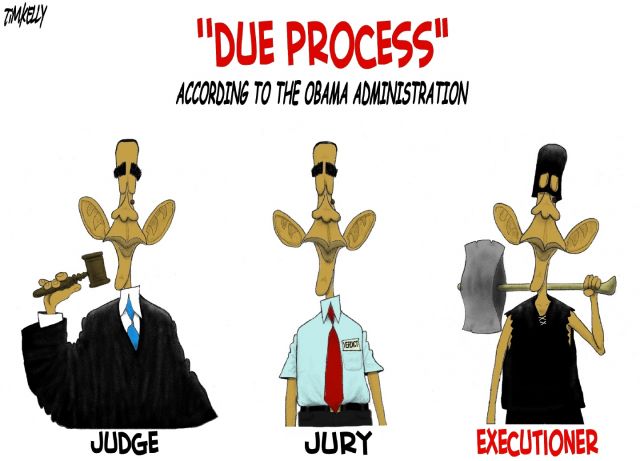
What is "due process of law?"
Government must not enact too many laws or regulations.
Office holders and officials must be bound by the laws.
The process of citizens following the law.
Government must act fairly and in accordance with established rules.
Choose the answer(s) that are true of Judicial Review.
Allows the US Supreme Court the authority to choose which cases they will hear.
Is the result of Marbury v Madison
The actions of the executive and legislative branches of government are subject to review.
Gives the US Supreme Court authority to rule actions unconstitutional.
Appellate Jurisdiction is when:
a court is the first to hear a case
a court has the authority to hear a case
a court reviews the decision of a lower court
power is shared between the Federal and State courts to hear a certain case
If a Supreme Court justice agrees with the decision of the court, but did not agree with the reasoning of how they came to that conclusion, the justice may write a:
Writ of Certiorari
Concurring Opinion
Majority Opinion
Dissenting Opinion
The Rule of 4 states that:
Attorney's are only allotted 4 minutes per witness for questioning
If there are ever less than 4 Supreme Court Justices, the role of the Judicial Branch is taken over by the President
There must be at least 4 members of a jury in order to try a case
4 or more Justices must agree to hear a case for it to go to the Supreme Court
What is the opinion of the Supreme Court justices who make up the minority?
Majority Opinion
Concurring Opinion
Unanimous Decision
Dissenting Opinion
What is the highest Court in the United States.
State Court
Federal Court
Supreme Court
District Court
True or False: to be a Supreme Court justice you have to be born in the US
True
False
Supreme Court nominees are confirmed by the
Congress
House
Senate
President
The Supreme Court is
part of the legislative branch
the highest court in the land
part of the executive branch
appointed by each president
Which case established judicial review?
Brown v Board of Education
Tinker v Des Moines
Marbury v Madison
Miranda v Arizona
All of the following are factors that affect whether a nominee receives a federal court position EXCEPT:
the experience of the nominee
the political ideology of the nominee
recommendations from the Speaker of the House
Nominations from the Senate Judiciary Committee
When the Supreme Court enacts social justice rulings this is viewed as __.
judicial activism
judicial restraint
a mittimus judgment
preemptory challenge
The authority of a court to hear a case is called __.
originalism
jurisdiction
amicus curiae
stare decisis
The two types of courts are ___ and ___.
domestic and foregin
tribal and tax
neutral and biased
federal and state
Which courts hear the most cases?
bankruptcy
state
special
constitutional
How many justices are on the Supreme Court?
6
9
12
15
The role of the Judicial Branch is to
enforce the laws
create the laws
support treaties and executive agreements
interpret the laws
Approximately how many cases does the Supreme Court hear per year?
25
150
300
8000
The Supreme Court has both __ and __ jurisdiction.
constitutional and extra-legal
original and appellate
executive and non-executive
exclusive and inclusive
Under Article III of the Constitution, __ creates the inferior (lower) courts.
the president
Congress
the Senate Judiciary Committee
the Attorney General
All of the following are means the Supreme Court chooses cases EXCEPT:
"Rule of Four"
writ of habeas corpus
writ of certiorari
certificate
All of the following are types of jurisdictions EXCEPT:
original
appellate
exclusive
overture
Which of the following is NOT a part of a criminal case?
evidence is presented to a grand jury & they decide if there is enough evidence to indict
the district attorney gathers works with law enforcement to gather evidence
once the trial court decides the case, it then automatically goes to the appellate court
Once indicted by a grand jury, a new trial begins with a new set of jurors
The __ nominates federal and Supreme Court justices with confirmation from a majority of the __.
president; Senate
Senate Judiciary Committee; Attorney General
president; House of Representatives
vice president; electors
What does judicial review mean?
that the Supreme Court can investigate the president for misconduct
that the Supreme Court can declare executive orders and legislation unconstitutional
that the president can review an Supreme Court decisions he deems unfair
that Congress has the right to ensure the Supreme Court's decisions are impartial
Why did the Founding Fathers want federal judges to serve life terms?
they wanted to ensure that judges couldn't be bribed
they didn't want masses of uneducated people to influence the outcome of the judicial process
they wanted an independent judiciary that was free from the influence of politics
they wanted to make sure that there was long-lasting stability in the judiciary
Which of the following is a TRUE statement regarding the Supreme Court?
New evidence is argued before the Supreme Court
all decisions must be unanimous
Supreme Court decisions can be overruled by the president
on attorney from each side is given 30 minutes to argue his case
When the Supreme Court enacts social justice rulings this is viewed as __.
judicial activism
judicial restraint
a mittimus judgment
preemptory challenge
All of the following are factors that affect whether a nominee receives a federal court position EXCEPT:
the experience of the nominee
the political ideology of the nominee
recommendations from the Speaker of the House
Nominations from the Senate Judiciary Committee
The Supreme Court's power of judicial review came from which court case?
Gibbons v Odgen
Marbury v Madison
Citizens United v U.S.
Miranda v Arizona
Which of following is FALSE regarding District Courts?
There are 94 District Courts
There are no juries at the District Court level; the judge hands down the ruling
Most of the cases are settled out of court
The District Court hears civil and criminal cases
Which of the following is FALSE regarding the Appellate Courts?
They are made up of 3 judges
There are 35 Appellate Courts throughout the U.S.
They act as "gatekeepers" to relieve the Supreme Court of the burden of hearing so many cases
Their rulings are final unless overturned by the Supreme Court
The __ nominates federal and Supreme Court justices with confirmation from a majority of the __.
president; Senate
Senate Judiciary Committee; Attorney General
president; House of Representatives
vice president; electors
The Supreme Court has both __ and __ jurisdiction.
constitutional and extra-legal
original and appellate
executive and non-executive
exclusive and inclusive
Approximately how many cases does the Supreme Court hear per year?
25
150
300
8000
The two types of courts are ___ and ___.
domestic and foregin
tribal and tax
neutral and biased
federal and state
The authority of a court to hear a case is called __.
originalism
jurisdiction
amicus curiae
stare decisis
True or False, Judicial restraint is supported typically by those with liberal ideology?
True
False
True or False, Judicial Activism is supported typically by individuals with liberal ideology.
True
False
True or False, Judicial review is an effective check and balance on the other two branches?
True
False
Which of the following would best describe a dissenting opinion?
"Opinion of the Court"
Agree with the majority but for different reasons
Decided to sit out the case for personal reasons
Disagrees with the majority outcome for different reasons.
True or False, Concurrent opinions written disagree with the Majority opinion.
True
False
What is the LOWEST type of Federal court?
District Court
Court of Appeals
The Supreme Court
The US Senate
To appeal means
To say "no" to a bill
To ask again
To make laws
To elect the President
If you do not like the decision of the District court, what court do you ask to hear your case?
District Court
The Supreme Court
Court of Appeals
The US Senate

