
 Worksheets
Elements and Principles of Design
Total questions: 43
Worksheet time: 24mins
Balance where one side of the work mirrors or is similar to the other side.
asymmetrical
radial
symmetrical

What kind of Balance is shown in this image?
Symmetrical
Asymmetrical
Radial

Which principle of design is being shown in this picture?
Movement/Rhythm
Symmetrical Balance
Radial Balance
Line
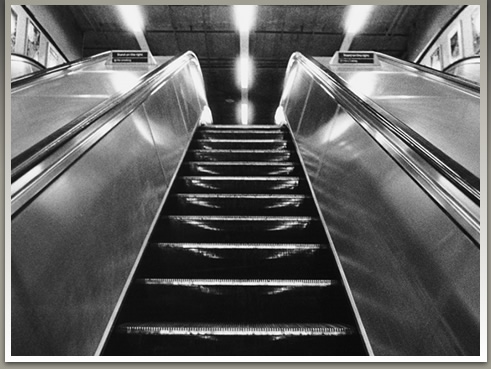

What kind of Balance is shown in this image?
Symmetrical
Asymmetrical
Radial
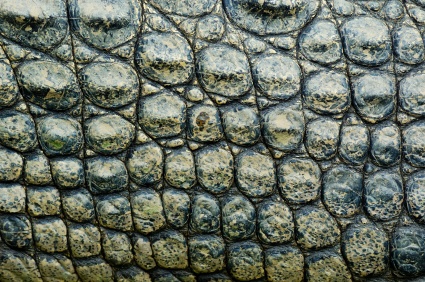
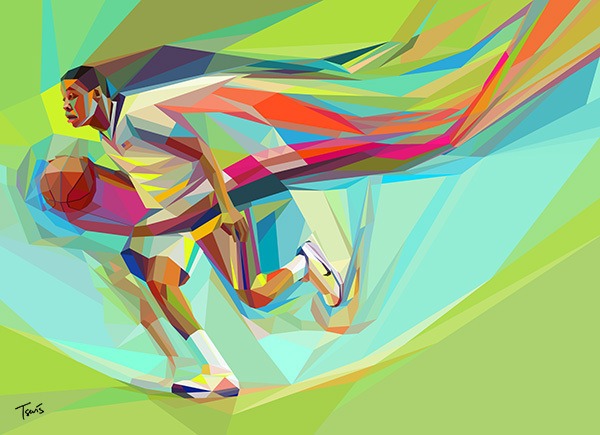
Balance where one side is different from the other.
radial
asymmetrical
symmetrical

repetition

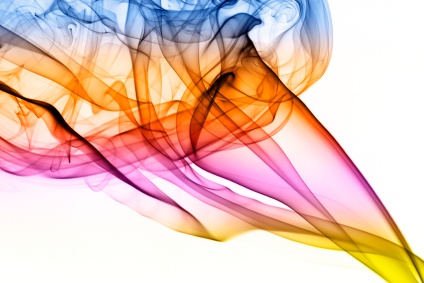

Another name for color.
shade
intensity
tint
hue

One primary and one secondary color mixed together.
analogous color
complimentary color
tertiary color
neutral color
Colors that evoke the feeling of warmth (reds, yellows, oranges)
neutral colors
warm colors
cool colors
tertiary colors
Elements of a design are used repeatedly, creating movement. Creates a mood like music.
rhythm
harmony
emphasis
variety
Colors that evoke the feelings of calm and peace (blues, greens, violets).
cool colors
tertiary colors
analogous colors
warm colors
The path a viewer's eye takes through a design.
motion
emphasis
movement
harmony
What are the primary colors on the color wheel?
blue, purple, red
red, green blue
red, yellow, blue
cyan, magenta, yellow
Which is not a neutral color?
blue violet
Vienna brown
gray
slate gray

What color theme do the squares represent?
Complimentary
Analogous
Monochromatic
Duotone
Which of the following is an example of a tertiary color?
brown
blue
gray
blue-green
Relationship of the size of one part to another or to the whole.
harmony
emphasis
proportion
pattern
Which is NOT a primary color?
red
yellow
green
blue
secondary colors
blue/orange/purple
orange/green/purple
pink/yellow/orange
red/blue/yellow


What type of color scheme is this?
Analogous
Complimentary
Monochromatic
Polychromatic

Red and Orange are
Primary Colors
Analogous Colors
Complementary Colors
Analogous colors are ______________ each other on the color wheel.
opposite from
next to
across from
diagonal to
Red and Green are
Primary Colors
Analogous Colors
Complementary Colors

Color #2 is an example of a _________ of red.
tint
shade
tone
pure hue
A color scheme with one color from the color wheel and a color that is not on the color wheel is:
Monochromatic Color scheme
Analogous Color Scheme
Accented Neutral Color Scheme
Complimentary Color Scheme
Mixing 2 primary colors creates a (a)
On the color wheel, complimentary colors are (a) from each other.
Which of the following is most important when arranging furniture in a living room?
Maximizing wall space
Ensuring clear pathways
Placing all furniture against the walls
Using only matching furniture
When your furniture is the right size for the room, it has the right _______________.
Texture
Pattern
Unity
Scale
Which balance is circular around a center point?
Repetition
Radiation
Gradation
Transition
Line, color, texture, shape, form, and space are considered:
Elements of Design
Principles of Design
The guidelines for Room Arrangement Are: (a) (b) (c) (d)

