Worksheets
Eco. Succession & relationships quiz
Total questions: 22
Worksheet time: 21mins
___________________ begins on barren rock. This newly formed
rock contains no life.
Primary Succession
Secondary Succession
Lichens and mosses are _________________. They can grow directly on rock and begin breaking it apart.
Barren
Perennials
Annuals
Softwood
Pioneer Species
Species diversity is very __________________ at the beginning
Low
High
Equal
Each plant community ________________ the environment making it more suitable for larger plants. As soil depth increases, larger plants become the dominant species.
Modify
Increases
Decreases
Harms
Large trees __________ out light to plants below, but they also provide ________________________ for many animals.
Chanel, water and light
cut, Shelter and warmth
Block, Food and Shelter
Increase, water and competition
Who has the greatest species diversity.
Climax Community
Pioneer Species
Softwood
Grasses and Shrubs
What can destroy climax communities and cause secondary succession?
Overgrazing, and overpopulation
Forest fires and volcanic eruptions
Lakes and Fires
Mowing and Construction
Species diversity is _________ at the beginning of secondary succession because the _________ already contains seeds and spores from many plants. This allows secondary succession to happen much _________.
Greater, soil, faster
lower, grass, faster
greater, soil, slower
lower, soil, faster
What two things can reduce or maintain biodiversity/species diversity low. ( referring to foundation document)
Secondary and Primary Succession
Climax Community and fires
Mowing and Barren rock
Construction and mowing
In the caves of the Edwards Aquifer region, Texas blind salamanders live in total darkness. These salamanders feed on amphipods that are also found in these dark caves. The amphipods gain nutrients and energy by consuming the collection of dead organic matter and feces called detritus. What is the relationship between Texas blind salamanders and amphipods?
Producer/consumer
Parasite/host
Predator/prey
Scavenger/carrion
Fleas attach to the skin of warm-blooded animals like dogs. The fleas feed on the blood of dogs, and they cause the dogs to itch. What is the relationship between fleas and dogs?
Fleas are hosts, and dogs are their parasites.
Fleas are predators, and dogs are their prey.
Dogs are hosts, and fleas are their parasites.
Dogs are predators, and fleas are their prey.
When a cheetah kills and eats a gazelle, the cheetah is best described as a –
producer
parasite
predator
scavenger

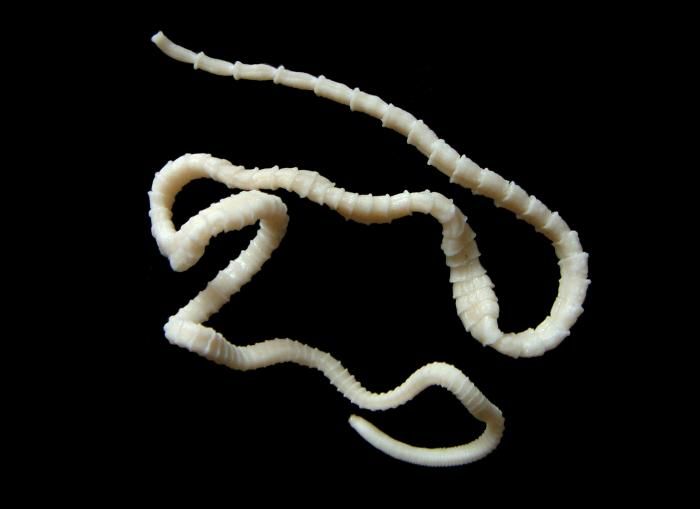
A tapeworm lives in the intestine of a cat absorbing nutrients through its skin. A tapeworm and a cat have this type of relationship.
mutualism
parasitism
commensalism
competition
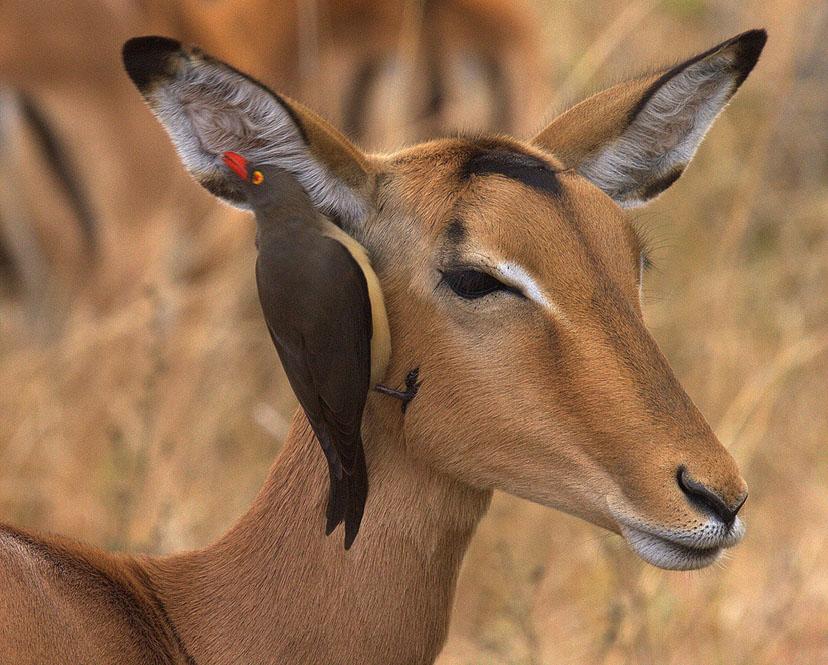

Aphids are tiny insects that live on and eat the leaves of plants, removing vital nutrients from the plants.
Predation
Parasitism
Commensalism
Mutualism

Mockingbirds will push the eggs out of a blue bird's nest and use the nest for it's own babies illustrating...
commensalism
parasitism
mutualism
predation