
NEW
Font size
 Worksheets
Human Nutrition
Total questions: 50
Worksheet time: 27mins
The function of Calcium and Phosphorus is to _________
Hardens the enamel of teeth.
Builds haemoglobin in the red blood cells.
Maintains the functions of the nervous system.
Build strong bones and teeth.
Which of the following statements is the function of carbohydrate?
Regulate body processes
Replace dead cells
Act as a chemical solvent
Supplies a lot of energy
What are the correct example of foods for carbohydrate?
Rice, noodle, pasta
Rice, meat, noodle
Meat, Noodle, Water
Banana, Fish, Pasta
What are the correct example of foods for protein?
Meat, fish
Onion, lettuce
Anchovies, banana
Rice, noodle
What are the correct example of foods for vitamin?
Orange, lemon
Anchovies, meat
Rice, cereals
Noodle, fish
Which nutrient helps build and maintain body cells and tissues?
Protein
Water
Carbohydrates
Fiber
Which nutrient is the starches and sugars in foods?
lipids
proteins
carbohydrates
vitamins
Which nutrient is vital to every body function?
lipids
water
minerals
protein
Substances in food that provide nourishment essential for growth and the maintenance of life are called nutrients. What are the 6 nutrients?
Carbohydrates, Meats, Minerals, Water, Protein, and Dairy
Fruits, Milk, Vitamins, Water, Pork, and Vitamins
Carbohydrates, Fats, Water, Protein, Minerals and Vitamins
Carbohydrates, Fats, Minerals, Cheese, Protein, and Vegetables
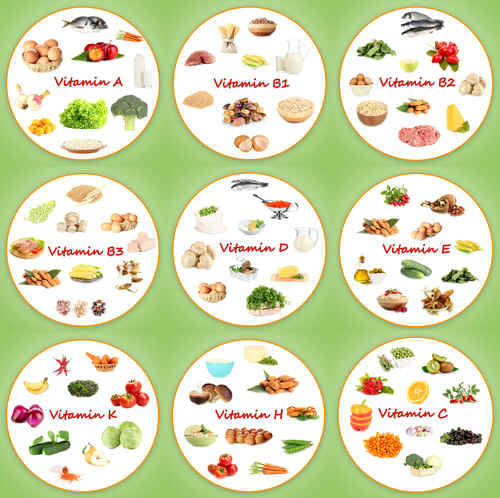
Which nutrient helps control body functions such as digestion, metabolism, and wound healing?
Vitamins
Minerals
Water
Vegetables
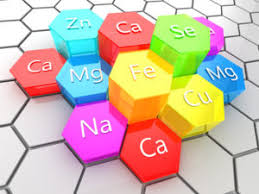
Which nutrient are substances that the body CANNOT manufacture, but are needed for forming healthy bones and teeth and regulating many vital body processes?
Protein
Minerals
Water
Vitamins
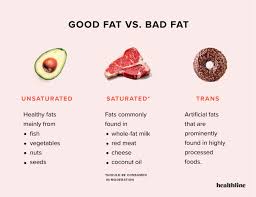
Which one of these is considered the "good fats" that we get from foods?
Unsaturated Fat
Trans Fat
Saturated
Carbs
Which Vitamin is the only one our bodies can make?
A
D
B12
Calcium


Identify the correct statements for food additives
1) not normally consumed as food
2) added intentionally to food
3) includes contaminants
4) deteriorates quality
option 1 & 2
Food additives usage is prohibited in which of the food item.
RTE
infant food
health supplements
What are the five processes in human nutrition (in order)?
ingestion,digestion,egestion,absorption,assimilation
ingestion,digestion,absorption,egestion,assimilation
ingestion,digestion,absorption,assimilation,egestion
absorption,ingestion,digestion,egestion,assimilation
Where does ingestion begin?
duodenum
stomach
mouth
colon
Which of the following enzymes digests proteins?
Trypsin
Lipase
Peptidases
Amylase
Bile is produced by ____, stored in ____, released by _____
liver; duodenum; bile duct
liver; gall bladder; bile duct
gall bladder; liver; bile duct
gall bladder; duodenum; bile duct
Name the glands associated with the Human Digestive System?
Only salivary glands and pancreas
Only salivary glands and liver
Only liver and pancreas
Salivary Glands, Liver and Pancreas
In which part of the alimentary canal does digestion of protein begin?
Small intestine
Buccal cavity
Stomach
Oesophagus
The part that stores liver’s digestive juice until they are needed by the intestines.
Pancreas
Gall bladder
Duodenum
Spleen

The diagram shows the human alimentary canal.
Which of the organs are related to digestion of carbohydrates?
R and T only
P and Q only
S and T only
Q, R, S, and T
The mechanical and chemical breakdown of food into small particles and molecules that your body can absorb and use....
ingestion
elimination
digestion
absorption
Occurs when the cells of the digestive system take in small molecules of digested food
absorption
digestion
elimination
ingestion
The removal of undigested food and other wastes from the body
absorption
elimination
digestion
ingestion
A type of digestion where food is physically broken into smaller pieces...
chemical digestion
mechanical digestion
indigestion
automatic digestion
___________ are enzymes that help break down carbohydrates.
Amylase
Papain
Lipase
Pepsin
___________ are enzymes that help break down fats.
Lipase
Amylase
Papain
Pepsin
Food moves through the esophagus and the rest of the digestive tract by waves of muscle contractions called
peristalsis
homeostasis
sonar waves
tsunami waves
A thin, watery liquid that forms when food mixes with gastric juices
chyme
gastric juice
bolus
enzyme
The folds of the small intestine are covered with fingerlive projections called...
bolus
bile
villi
rugae


Identify the part of the tooth labelled A.
Dentine
Pulp
Enamel
Root
What is often added to water and tooth paste to improve the quality of peoples teeth.
Whitening agents
Water
Fluoride
Chlorine
How many teeth are there in the human body
33
34
32
43

What are the four front middle teeth that help to bite the food called?
incisors
premolars
molars
canines


Which teeth are identified in this picture? These teeth are big and strong to help you grind food so it can be swallowed
incisors
premolars
molars
canines
How does a cavity form?
Virus
Eating healthy food
Bacteria
--------- combines with -------- to weaken the enamel which leads to tooth decay.
Chocolates , food
Acids , plaque
Glucose , plaque
What organ is responsible for the majority of the absoption that occurs in the digestive system?
large intestine
small intestine
stomach
oral cavity
Which organ releases digestive enzymes into the small intestine?
pancreas
small intestine
esophagus
salivary glands

