wayground logo

Free Printable Worksheets

Font size

S
M
L
XL
Worksheets

Biology STAAR Review

Total questions: 59

Worksheet time: 41mins

Name
Class
Date
1.

AMINO ACIDS ARE THE BUILDING BLOCKS OF...

a)

CARBHYDRATES

b)

LIPIDS

c)

NUCLEIC ACIDS

d)

PROTEINS

2.

FATTY ACIDS AND GLYCEROL ARE THE BUILDING BLOCKS OF..

a)

CARBOHYDRATES

b)

LIPIDS

c)

NUCLEIC ACIDS

d)

PROTEINS

3.

WHAT ELEMENTS DO ALL BIOMOLECULES (LIPIDS, PROTEINS, NUCLEIC ACIDS, CARBS) HAVE IN COMMON?

a)

CARBON, HYDROGEN, FLOURINE

b)

CARBON, HYDROGEN, CHLORINE

c)

CARBON, HYDROGEN, IODINE

d)

CARBON, HYDROGEN, OXYGEN

4.

WHICH BIOMOLECULES STORES LONG-TERM ENERGY?

a)

PROTEIN

b)

CARBS

c)

LIPIDS

d)

NUCLEIC ACIDS

5.

This cell is a -

a)

PROKARYOTIC

b)

PLANT

c)

ANIMAL

d)

PROTIST

6.

WHAT ELEMENT DO AMINO ACIDS AND NUCLEOTIDES HAVE THAT THE OTHERS DO NOT HAVE?

a)

PHOSPHATE

b)

NITROGEN

c)

CARBON

d)

OXYGEN

7.
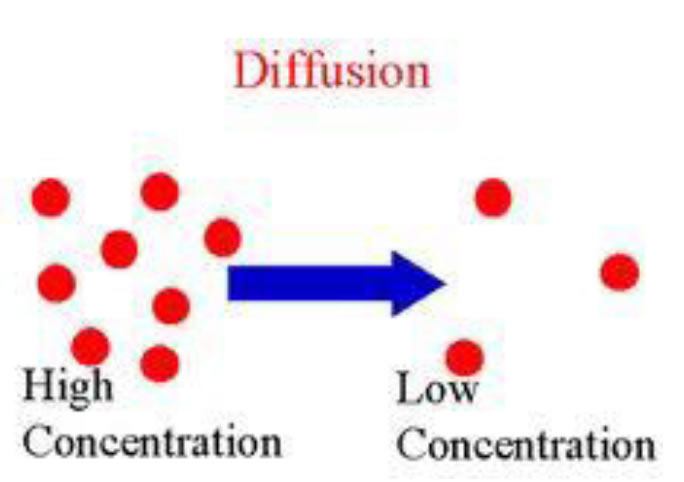
Movement of particles from high to low concentration. 
a)
Passive Transport
b)
Active Transport
8.
a)
Cytokinesis
b)
Interphase
c)
Anaphase
d)
Metaphase
9.

What do viruses have in common with living cells? They both...

a)

store genetic information

b)

have chloroplasts

c)

use glucose for cellular respiration

d)

have endoplasmic reticulum

10.
Which phase of which process does this picture show?
a)
Transcription
b)
Translation
c)
Replication
11.
How would the DNA sequence GCTATA be transcribed to mRNA?
a)
GCUAUA
b)
CGATAT
c)
CGAUAU
d)
GCUTUT
12.
Which of the following genotypes is homozygous dominant?
a)
A
b)
Aa
c)
AA
d)
aa
13.

In DNA, adenine pairs with _______, while guanine pairs with _______.

a)

uracil / cytosine

b)

thymine / uracil

c)

thymine / cytosine

d)

adenine / guanine

14.

Use the chart to find to amino acid that corresponds to the codon GGA:

a)

Alanine

b)

Glutamic Acid

c)

Lysine

d)

Glycine

15.

The 2 sex chromosomes found in a human female are:

a)

XX

b)

XY

16.
How do viruses reproduce?
a)
They copy their own genetic material inside a protein coat.
b)
They kill a cell and reproduce inside it.
c)
They invade a living cell and use the cell's functions to replicate their genetic material.
d)
They do not reproduce because they are not technically living things.
17.
Which of the following is a possible result of a disruption in the cell cycle?
a)
cancer
b)
photosynthesis
c)
cellular respiration
d)
protein synthesis
18.
This cell is undergoing mitosis.  What stage of mitosis is shown?
a)
prophase
b)
metaphase
c)
anaphase
d)
telophase
19.
The ability to taste a bitter chemical called PTC is a dominant trait in humans.  The Punnett square below shows a cross between two parents who are heterozygous for the ability to taste this chemical.  What is the probability, expressed as a percentage, that these parents will produce an offspring who is homozygous recessive for the tasting trait?
a)
0%
b)
25%
c)
50%
d)
75%
20.
The standardized system for naming organism is known as binomial nomenclature.  What two pieces of information are used to name and identify organisms using this system?
a)
genus and species
b)
class and genus
c)
class and species
d)
domain and kingdom
21.
Normal-
AGA-TTC-ATA-GCG
Mutant-
AGA-TTC-AAT-AGC-G
What is the type of mutation that has occurred?
a)
deletion frameshift
b)
insertion frameshift
c)
substitution
d)
nonsense
22.
Does passive transport require energy?
a)
Yes
b)
No
23.
What is a codon?
a)
RNA
b)
Daughter cell
c)
chromosome
d)
group of 3 base codes
24.
what does tRNA do?
a)
carry info from genes to ribosomes
b)
carry amino acids to ribosomes
c)
help with RNA splicing
d)
make up ribosomes
25.

structures that are similar because they came from a common ancestor but may have a different function are called:

a)

analogous

b)

vestigeal

c)

homologous

26.
The genetic variation that leads to evolution can occur when genes from one population are introduced into the gene pool of a different population.  This process is known as
a)
mutation
b)
crossing over
c)
natural selection
d)
gene flow
27.
This picture represents which type of cellular transport?
a)
passive transport
b)
endocytosis
c)
exocytosis
d)
osmosis
28.
Autotroph or heterotroph?
a)
Autotroph
b)
Heterotroph
29.
What is a phenotype?
a)
The expression of a trait; physical appearance.
b)
refers to the genetic makeup of an individual
c)
An organism that has the same genes for a trait (ex. TT or tt)
d)
the passing of traits from parent to offspring
30.
This diagram shows the cell cycle.

Which of the following activities occur in the S phase?
a)
Replication of the DNA
b)
Growth of the cell
c)
Formation of the mitotic spindle
d)
Breakdown of the nuclear membrane
31.
What is the maintenance of constant internal conditions in an organism called?
a)
perspiration
b)
photosynthesis
c)
homeostasis
d)
metabolism
32.
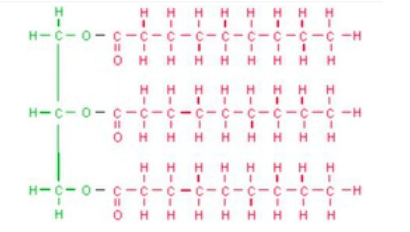
Which biomolecule is this a picture of?
a)
Protein
b)
Nucleic Acid
c)
Lipid
d)
Carbohydrate
33.
Which group(s) of organisms do not have vertebrae?
a)
lampreys and lancelets
b)
lampreys and tuna
c)
lancelets only
d)
salamanders, tuna, and lampreys
34.
In order for humans to reproduce an egg must be fertilized by a sperm. For women ovulation is the time when an egg is released due to hormone stimulation. WHICH BODY SYSTEMS?
a)
excretory and endocrine
b)
endocrine and reproductive
c)
digestive and nervous
d)
circulatory and respiratory
35.
Specialized tissue within roots, stems and leaves that moves food downward.
a)
tissue
b)
xylem
c)
transipration
d)
phloem
36.
This picture would represent which type of tropism?
a)
Phototropism
b)
Geotropism
c)
Hydrotropism
d)
Thigmotropism
37.
The amount of energy that usually transfers from one trophic level to the next...
a)
10%
b)
20%
c)
80%
d)
50%
38.

Which of the following is a herbivore and primary consumer?

a)

cricket

b)

frog

c)

hawk

d)

shrew

39.
Which organism recieves the least amount of energy from the producer?
a)
Owl
b)
Grasshopper
c)
Lilypad
d)
Mouse
40.
How can photosynthesis be related to cellular respiration?
a)
What's produced (made) by one is needed (the reactants) for the other
b)
They both produce the same products
c)
They both have the same reactants (need the same things)
d)
These 2 processes have nothing in common
41.

Which best describes the basic structure of a virus?

a)

A nucleic acid strand surrounded by a protein coat.

b)

A protein tail surrounded by a lipid coat.

c)

A lipid tail surrounded by a carbohydrate coat.

d)

A nucleic acid strand surrounded by a carbohydrate coat.
42.
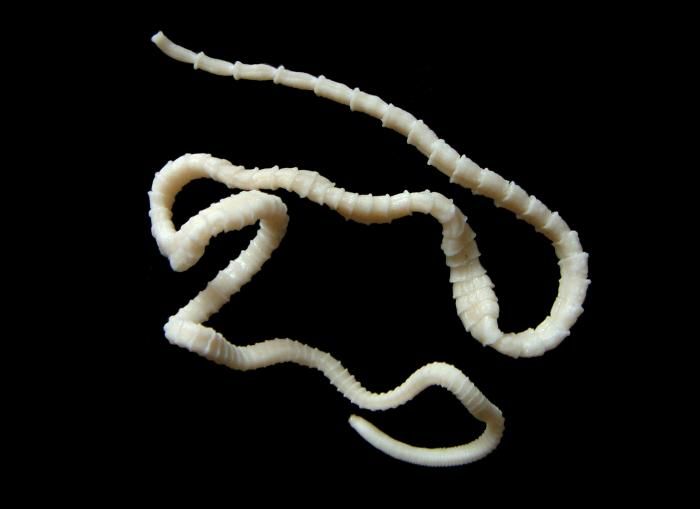
A tapeworm and a cat have this type of relationship.
a)
mutualism
b)
parasitism
c)
commensalism
d)
competition
43.
Cattle egrets forage (feed) in fields among cattle. The egret gets easy access to flying insects stirred up by the cattle, and the cattle don't care if they are there or not.
a)
mutualism
b)
commensalism
c)
competition
d)
parasitism
44.
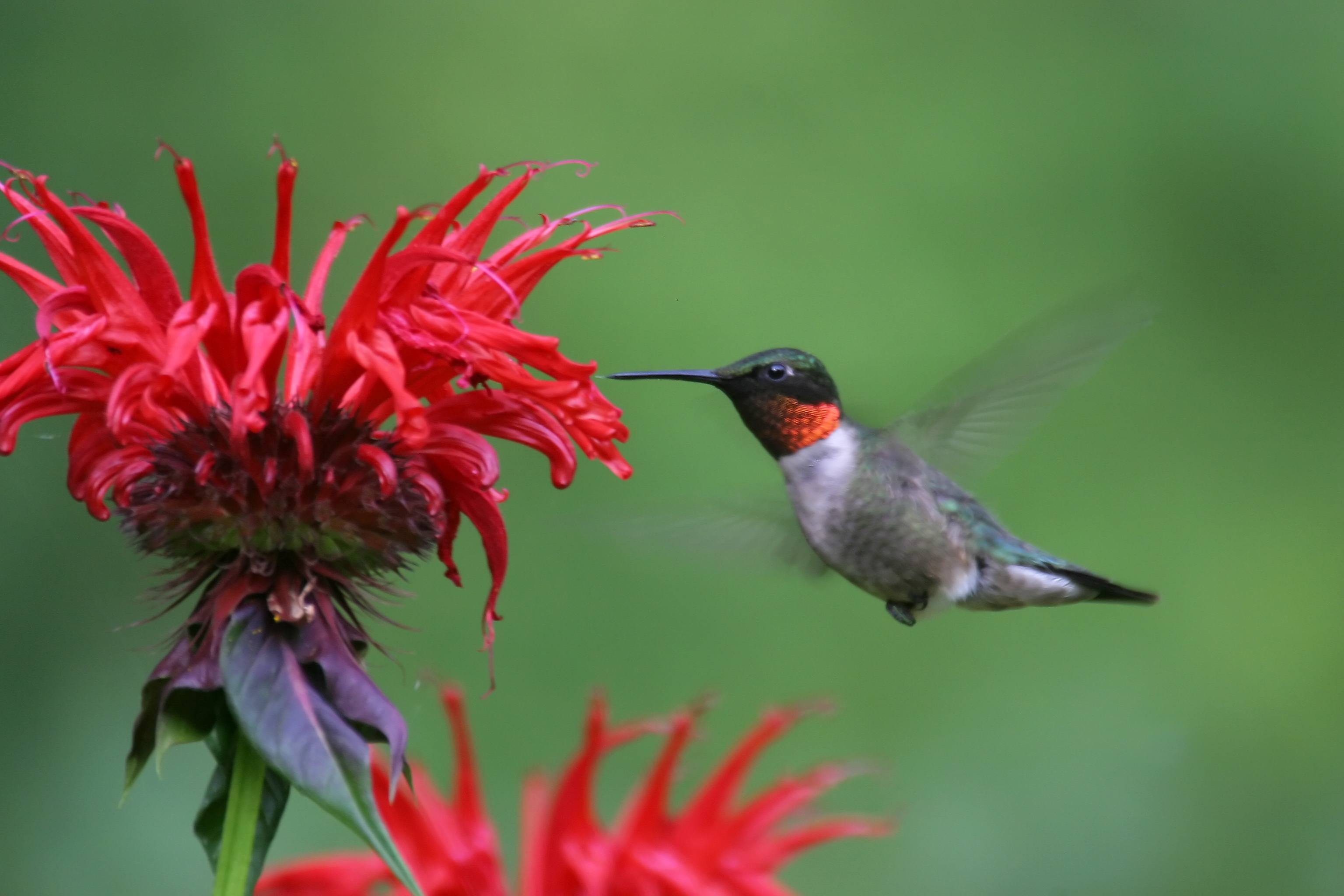
What type of symbiosis?  Hummingbirds feed on nectar from flowers.  The flowers are pollinated by hummingbirds as they move from flower to flower.
a)
commensalism
b)
mutualism
c)
parasitism
d)
predation
45.
Based on the dichotomous key, in what order should this insect be classified?
a)
Mantodea
b)
Raphidioptera
c)
Coleoptera
d)
Lepidoptera
46.
the trait or behavior that helps an organism to survive and reproduce
a)
run fast
b)
natural selection
c)
variation
d)
adaptation
47.
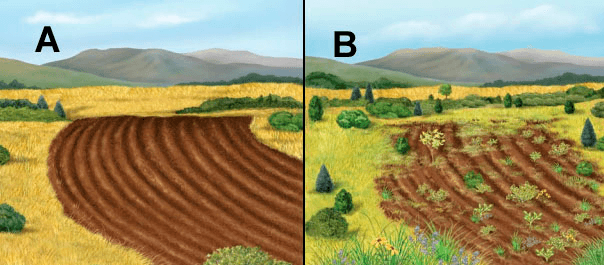
What type of succession is shown going from figure A to figure B?
a)
primary succession
b)
ecological succession
c)
secondary succession
d)
intermediate
48.
What is the goal of the pioneer species in Primary Succession?
a)
To kill the dead materials after a disaster
b)
To rebuild soil
c)
To feed Johnny
d)
To put fresh oxygen into the air
49.
What is the name given to lichen or algae after a primary succession?
a)
pioneer species
b)
volunteer species
c)
founder species
d)
conqueror species
50.

A catastrophic event can be described as...

a)

When an ecosystem is destroyed by a natural disaster or human events.

b)

When the cats destroy an event.

c)

When large numbers of events occur all at once.

d)

When the strophic layers of the Earth are destroyed.

51.

What is true about sustainability?

a)

Having a small number of species increases biodiversity

b)

Sustainability is how organisms change over time

c)

Sustainability is how much rainfall and sunlight an ecosystem receives

d)

The more different types of species you have (biodiversity) the better an ecosystem can sustain itself

52.

Natural selection results in change in a population's _____________ traits over time.

a)

inherited

b)

acquired

53.
Genetic drift is change in the allele frequency of a population due to...
a)
random chance
b)
natural selection
c)
non-random mating (sexual selection)
d)
artificial selection
54.
The most specific of the classifications is?
a)
class 
b)
order 
c)
genus 
d)
species
55.
Which term means "True Nucleus" or cell(s) with a nucleus?
a)
Eukaryotes
b)
Prokaryotes
c)
Multi-cellular
56.
The 2 kingdoms that make up Prokaryotes are?
a)
Animals and Plants 
b)
Protists and Fungi
c)
Archea and Bacteria
57.
The 8 levels of classification, most broad to most specific.
a)
Domain, Genus, Family, Order, Class, Phylum, Kingdom, Species
b)
Domain, Species, Kingdom, Genus, Phylum, Family, Class, Order
c)
Domain, Kingdom, Phylum, Class, Order, Family, Genus, Species
d)
Order, Kingdom, Species, Domain, Phylum, Family, Class, Genus
58.

Why do scientists use scientific names?

a)

to confuse people

b)

to have a common language

c)

to allow people to say the same thing

d)

because common names are not appropriate

59.
Y for yellow body is dominant over y for blue body.  What alleles would produce yellow bodies?
a)
YY,yy
b)
Yy,yy
c)
YY only
d)
YY,Yy