
Font size
 Worksheets
Ecology Review
Total questions: 33
Worksheet time: 26mins


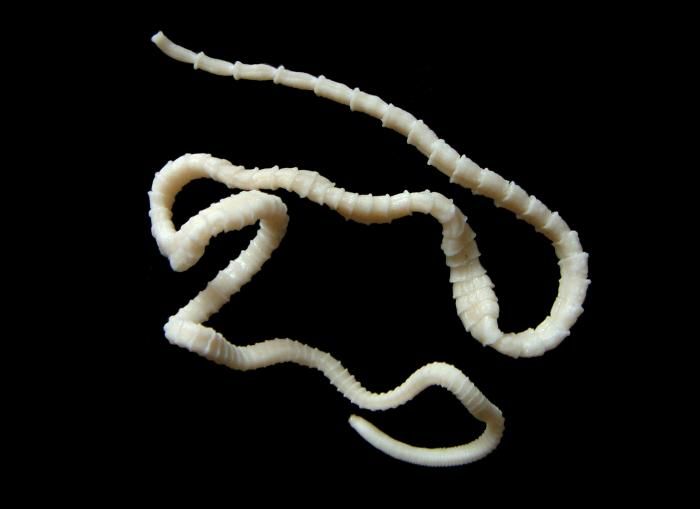
A tapeworm lives in the intestine of a cat absorbing nutrients through its skin. A tapeworm and a cat have this type of relationship.
mutualism
parasitism
commensalism
competition
Which member of the following food chain is most likely to be affected by mercury, a pollutant, with regards to biomagnification? Algae -> zooplankton -> salmon –> bear
algae
salmon
zooplankton
bear
1. Why might an introduced animal species overrun native species in an ecosystem?
Its population size is smaller than those of native species.
It eats less food.
It is a predator.
It has no natural enemies.

What is the carrying capacity of the graph?
1000
8000
800
600

What happens if a population grows past its carrying capacity?
The population keeps growing
The population starts to die off
The entire species will go extinct
The carrying capacity just increases
What limits Population Growth?
birth rates increasing
resources being used up
natural selection taking place
none of the above

Exponential Growth occurs when
populations have unlimited resources
organisms are keystone species
there are invasive species in a habitat
organisms have competition
Mitochondrion
Chloroplast
Cytoplasm
Nucleus
Water and light
The threat to biodiversity that occurs when the homes of different species are destroyed
pollution
habitat destruction
overexploitation
climate change
When human-made chemicals and garbage find their way into nature and harm the air, soil, and water it is called
pollution
habitat destruction
overexploitation
climate change
Match the solution to the problem
Invasive species
hunting them
Overuse of Resources
Recycle
Pollution
Control waste
Habitat Loss
Plant native plants

Fish on a coral reef stake out their territory and chase away any younger fish that try to live there.
Density-Dependent
Density-Independent
European Frog's-bit is native to Europe but was introduced to North America in the 1930s as an ornamental pond plant. It is one of eleven invasive aquatic species identified in Maine law as illegal to import, sell, and transport. What is a way to prevent its spread from one lake to another?
Treating infestations with aquatic herbicides.
Banning the sale and distribution of the plant.
Watercraft inspections at boat ramps
Shut down the use of recreational boating
The majority of public perception is that individuals do not make a difference in regards to impacting the environment. Each of the practices below are what individuals can do to mitigate human impact on the environment EXCEPT
buy a conventional car.
carpool to work and school.
reduce, reuse, and recycle.
buy locally grown sustainable food.
Which would be a reasonable plan to stop habitat fragmentation? Select all
Building wildlife bridges that help animals cross roads
Preserving multiple small parks around town
Plants trees on land that has been deforested
Prescribed peat moss burns
CO₂ levels in the atmosphere rose steadily from 320 ppm in 1960 to over 415 ppm in 2020. During the same period, deforestation rates increased and fossil fuel use expanded.
Which reasoning best explains this trend?
Both deforestation and burning fossil fuels release carbon into the atmosphere.
Deforestation increases carbon storage in forests.
Fossil fuels remove CO₂ from the atmosphere.
Atmospheric CO₂ is unrelated to human activity.
A builder is proposing a new housing development in an area of western Massachusetts. Construction of the housing development will destroy the wetland habitat in the area.
Which of the following would be the most likely consequence of the wetland’s destruction?
Reduction in local temperature due to urbanization.
Loss of biodiversity in local wildlife
A forest has 30 native tree species. After emerald ash borer beetles spread, ash trees declined by 90%. Within 5 years, 10 bird species that depended on ash trees for nesting also declined.
Claim:
Invasive species can cause cascading effects on ecosystems.
Which evidence best supports the claim?
Ash tree populations declined after beetle invasion, and bird species also declined.
Some species in the forest were not affected by the beetle.
Forests normally lose species over time.
Bird species increased after ash trees were lost.

