
 Worksheets
SOLUBILITY
Total questions: 41
Worksheet time: 22mins

In general as temperature decreases, the solubility...
increases
decreases
stays the same
Calculate the molarity of a solution containing 1.5 moles of NaCl in 0.5 L of solution
1.5
0.33 M
30 M
3 M
True or False: Molarity can be determined by knowing either the number of moles OR the volume of the solution alone.
True
False
Which of these pH values represent an acid?
4
8
10
12
Which of the following are properties of acids?
They conduct electricity when dissolved in water
They taste sour
They react with metals to produce hydrogen gas
All of the answer choices are correct
An acid is a solution that contains __________ ions dissolved in water.
positive
negative
Which of the following is a property of a base?
bitter taste
reacts with metals
salty
sour taste
Bases have many uses. They are mainly used to make
cleaning products
soaps
concrete
all of the answer choices
Ocean water is only slightly basic. What might its pH value be?
5
8
12
2
Bases turn blue litmus paper red.
True
False
A sour taste is a characteristic of:
acids
bases
neutral
pH scale
Which is a characteristic of a base?
tastes sour
found mostly in foods
feels slippery
turn litmus paper red
According to Arrhenius, what is the definition of an ACID?
a substance that contains hydroxide and ionizes to produce OH-
a substance that contains hydrogen and ionizes to produce H+
a substance that contains hydrogen and ionizes to produce OH-
a substance that contains hydroxide and ionizes to produce H+
According to Bronsted-Lowry, what is the definition of an BASE?
a substance that donates a hydrogen (H+) ion
a substance that donates a hydroxide (OH-) ion
a substance that accepts a hydrogen (H+) ion
a substance that accepts a hydroxide (OH-) ion

What is the conjugate base in the following reaction?
HCO3-
HCl
H2CO3
Cl-

Which of the following correctly identifies an Acid-Base Pair?
HH4+ , OH-
H2O , OH-
CaCO3 ,CaCl2
HNO3 , H2SO4
Which of the following is an Arrhenius Acid?
LiOH
CO32-
OH-
H3PO4
A substance doing the dissolving, usually the part of a solution present in the larger amount
solvent
solute
solution
solubility
a substance being dissolved, usually the part of the solution in the lesser amount
solvent
solute
solubility
concentration
a substance that vigorously reacts with most metals to produce hydrogen; it readily conducts electricity; it turns litmus red and has a pH of less than 7; it typically is corrosive or sour-tasting
acid
base
neutral
solution
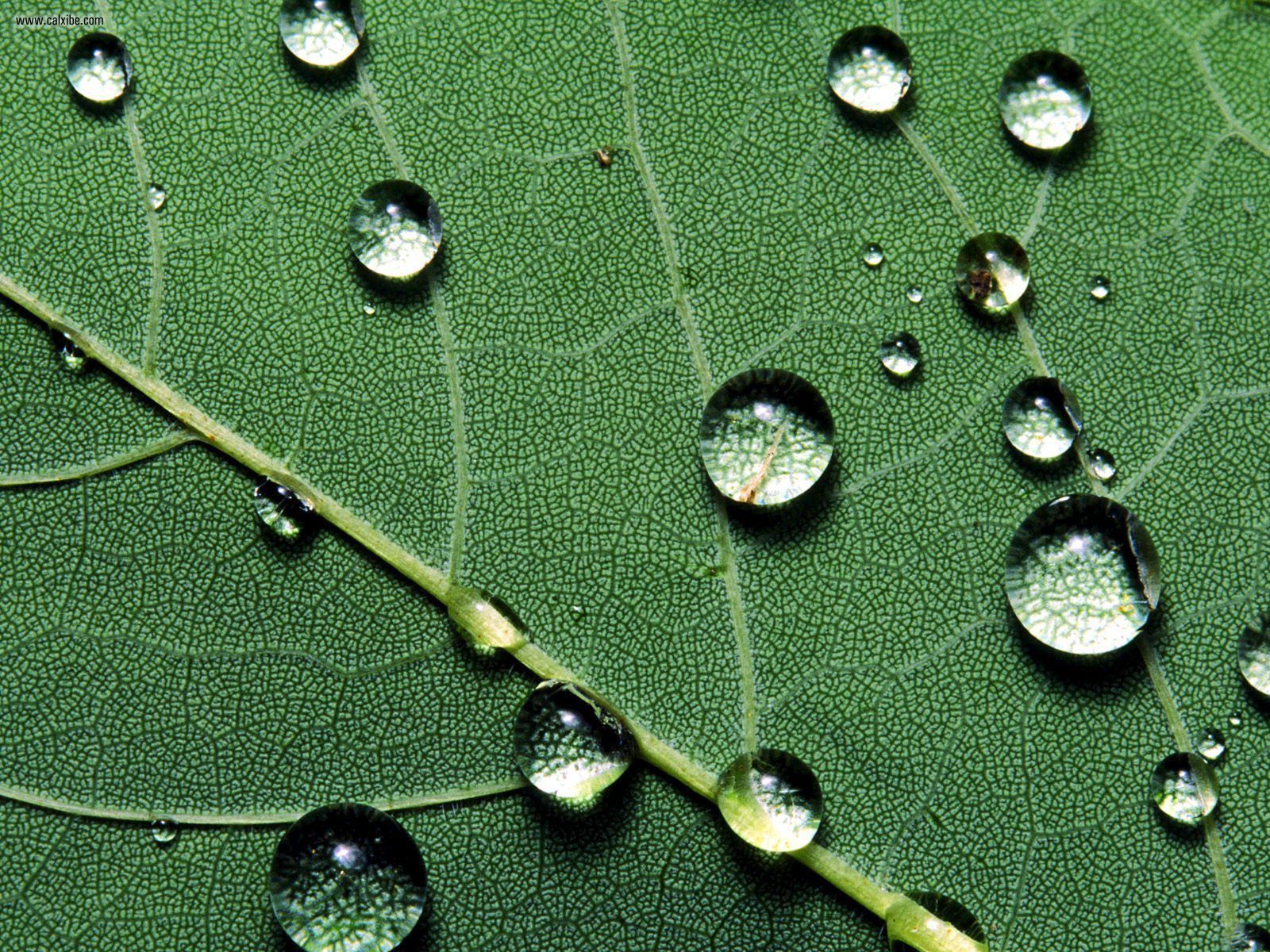
Refer to the picture of water sticking to a leaf; this is occurring because of:
Adhesion
Cohesion
Describe COHESION.
Water molecules attracted to other substances.
Water molecules climbing upwards against the force of gravity.
Water molecules dissolving many substances because of its polarity.
Water molecules attracted to other water molecules.


Water's ability to stick to glass is
adhesion
cohesion
surface tention
capillary action

