wayground logo

Free Printable Worksheets

NEW

Font size

S
M
L
XL
Worksheets

Ecology

Total questions: 52

Worksheet time: 3hrs 51mins

Name
Class
Date
1.
All of the living and nonliving things in an area that interact with each other are called a/an ______.
a)
community
b)
habitat
c)
population
d)
ecosystem
2.
An area where an organism finds food, shelter and water in a specific arrangement
a)
niche
b)
biosphere
c)
biome
d)
habitat
3.

The living parts of an ecosystem

a)

Biotic

b)

Abiotic

c)

Neobiotic

d)

Cysbiotic

4.

The non-living parts of an ecosystem

a)

Neobiotic

b)

Cysbiotic

c)

Biotic

d)

Abiotic

5.
The study of how living things interact with one another and with their environment.
a)
Biology
b)
Lithology
c)
Ecology
d)
Farmacology
6.

Organisms that share common characteristics and can produce fertile offspring

a)

Species

b)

Orders

c)

Phylums

d)

Kingdoms

7.
Two or more members of a particular species living and interacting in the same area
a)
Community
b)
Population
c)
Organisms
d)
Biosphere
8.
Different populations living and interacting with each other in the same area
a)
Biome
b)
Ecosystem
c)
Community
d)
Niche
9.
Most of our limited fresh water supply is stored in ____
a)
The Great Lakes
b)
Aquifers
c)
The Atmosphere
d)
Glacial Ice
10.
Bacteria which convert nitrogen gas into bio-available forms of nitrogen, such as ammonia and nitrate, are known as _____
a)
De-nitrification bacteria 
b)
Nitrogen fixing bacteria
c)
Oxidizers
d)
Buffers
11.
Which is not a biome found in North America?
a)
Mojave Desert
b)
Grasslands of the Great Plains
c)
Everglades / Coastal Plain
d)
Tropical Rain Forest 
12.

An underground reservoir of water is known as ______

a)

An Estuary

b)

An Aquifer

c)

Sublimation

d)

Permafrost

13.
The shrew provides energy for the _______?
a)
cricket
b)
grasshopper
c)
frog
d)
snake
14.

This picture best represents...?

a)

Food Web

b)

Food Chain

c)

Food Pyramid

d)

Autotrophs

15.

This picture best represents....?

a)

Food Web

b)

Food Chain

c)

Food Pyramid

d)

A Mess

16.
A producer is a (n) ______________.
a)
heterotroph
b)
omnitroph
c)
autotroph
d)
oscartroph
17.

Which best describes what a food chain shows you?

a)

One way energy flows through an ecosystem

b)

Flowers flowing through an ecosystem

c)

Consumers going into other consumers

d)

Only Autotrophs

18.
Another name for a consumer is a
a)
heterotroph
b)
autotroph
c)
producer
d)
plant
19.
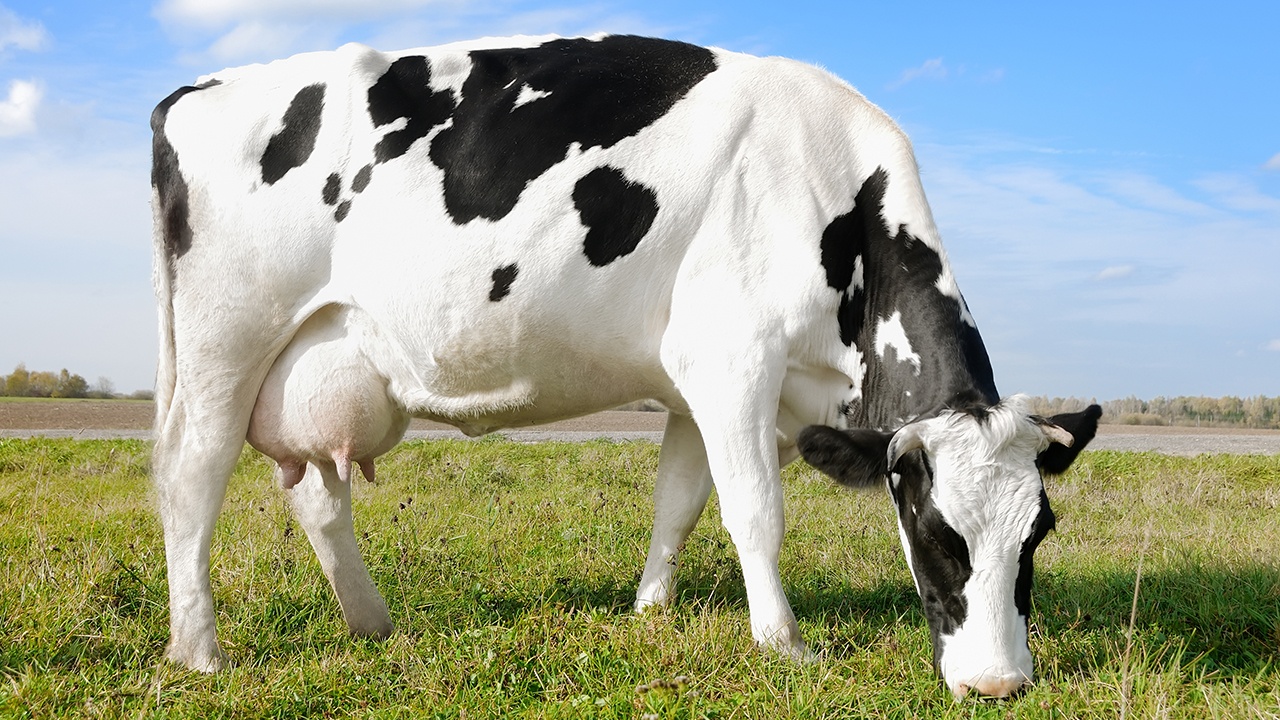
The image provided is an example of a:
a)
Producer
b)
Heterotroph
c)
Consumer
d)
Decomposer
20.
The image provided is an example of a(n):
a)
Autotroph
b)
Carnivore
c)
Herbivore
d)
Decomposer
21.

What do herbivores eat?

a)

Animals

b)

Plants and Animals

c)

Plants

d)

Dead Animals

22.

What do omnivores eat?

a)

Animals

b)

Plants and Animals

c)

Plants

d)

Dead Animals

23.

Place the levels of environment in the correct order.

a)

biome, biosphere, population, organism, ecosystem,community

b)

organism, ecosystem, biosphere, population, community, biome

c)

organism, population, community, ecosystem, biome, biosphere

d)

population, community, organism, biome, ecosystem, biosphere

24.

How much energy is transferred between trophic levels?

a)

25%

b)

20%

c)

10%

d)

90%

25.

What was NOT a part of the water cycle?

a)

Condensation

b)

Precipitation

c)

Decompostition

d)

Evaporation

26.
What does every food chain start with? (Even if it's not drawn or written there!)
a)
producers
b)
sun
c)
consumer
d)
decomposers
27.

A relationship in which two organisms live physically close together (sometimes on or in one another)

a)

resource

b)

host

c)

succession

d)

symbiosis

28.

In this Energy Pyramid which type of consumer gets only 10% of the energy stored in plants?

a)

Herbivore

b)

Carnivore

c)

Scavenger

d)

Secondary Consumer

29.
The image provided is an example of a(n):
a)
Carnivore
b)
Herbivore
c)
Producer
d)
Autotroph
30.
A graphic illustration that shows each trophic level and the amount of useable energy contained within.
a)
Food chain
b)
Food web
c)
Energy Pyramid
d)
All of these
31.
As you move upward, from level to level, in an energy pyramid, energy _____.
a)
increases
b)
decreases
c)
stays the same
d)
increases exponentially
32.

When there is higher biodiversity

a)

more organisms are likely to die because they can't adapt to environmental changes.

b)

there is less diversity and the ecosystem is not healthy.

c)

there is more diversity and higher sustainability of life and the ecosystem is healthier.

d)

there is more diversity and lower sustainability of life

33.
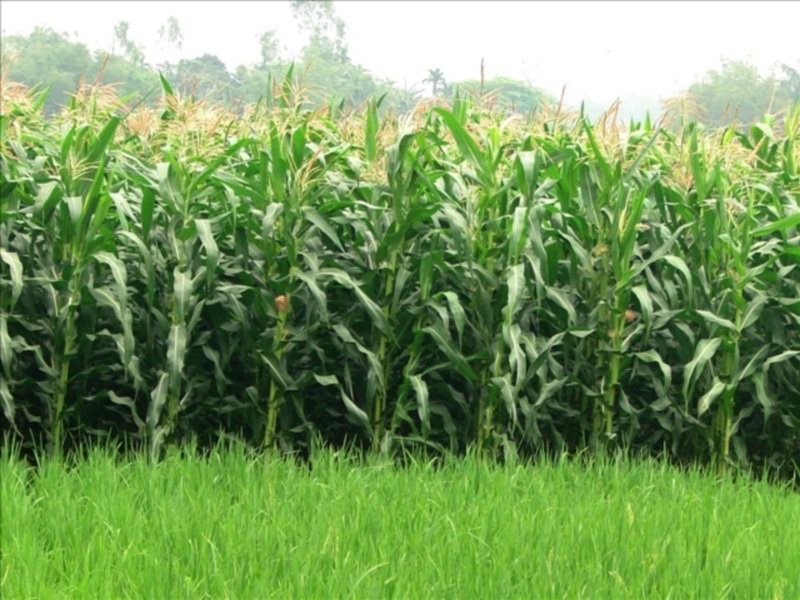
This picture is a great example of ____________ biodiversity.
a)
high
b)
moderate
c)
low
d)
hhhmmmm there is no way to know without counting.
34.
This picture is a great example of ____________ biodiversity.
a)
high
b)
moderate
c)
low
d)
hhhmmmm there is no way to know without counting.
35.
Different biomes support different varieties of organisms.  Think of a desert biome.  In this environment you will see organisms that have adapted to the heat and low availability of water, such as a cacti, mouse or rattle snake.  In which biome would you find an animal that has padding on its feet, white fur?
a)
Desert
b)
Tundra
c)
Forest 
d)
Savannah
36.
A small marine area has phytoplankton as its only producer.  Should the marine biologist be concerned about this ecosystem?
a)
No the fish do not need the phytoplanton. Since there are so many fish, there is high biodiversity.
b)
Yes, this ecosystem has low biodiversity.  Without a producer the herbivores will die out leaving no food.
c)
Yes, this system has high biodiversity; however the fish can adapt and get food from another source.
d)
Yes, the fish will overate to get all of the phytoplankton that is left, then they will die.
37.
Natural resources are
a)
renewable.
b)
nonrenewable.
c)
resources that exist without actions of humankind. 
d)
resources produced by humans from using biotic and abiotic factors found in nature.
38.
Which of the following is NOT a Natural Resource?
a)
Coal
b)
Paper
c)
Solar
d)
Wind
39.
Which of the following is NOT a Natural Resource?
a)
Oil
b)
Natural Gas
c)
Plastic
d)
Water
40.
Renewable resources 
a)
can be replenished.
b)
cannot be replenished.
c)
are limited.
d)
are fossil fuels.
41.

How does population growth affect natural resources?

a)

The more people on the planet, the less natural resources that are available for each person.

b)

The less people on the planet, the less natural resources that are available for each person.

c)

The more people on the planet, the more natural resources that are available for each person.

42.

Fossil fuels are nonrenewable because...

a)

they are used to produce heat.

b)

they take a long time to form.

c)

they can be found underground.

43.

A symbiotic relationship in which both species benefit.

a)

symbiosis

b)

parasitism

c)

mutualism

d)

commensalism

44.

A symbiotic relationship in which one species benefits and the other is unaffected.

a)

symbiosis

b)

parasitism

c)

mutualism

d)

commensalism

45.

A symbiotic relationship in which one species benefits\and the other species is harmed.

a)

symbiosis

b)

parasitism

c)

mutualism

d)

commensalism

46.

Barnacles create home sites by attaching themselves to whales. As the barnacle is a filter feeder, it also gets access to more water (and more food) due to the relationship. Whale is unaffected.

a)

symbiosis

b)

parasitism

c)

mutualism

d)

commensalism

47.

Ostriches and gazelles feed next to each other. They both watch for predators. Because the visual abilities of the two species are different, they can each identify threats that the other animal may not see as readily.

a)

symbiosis

b)

parasitism

c)

mutualism

d)

commensalism

48.

Mistletoe extracts water and nutrients from the spruce tree to the detriment (ill effect) to the spruce

a)

symbiosis

b)

parasitism

c)

mutualism

d)

commensalism

49.
What stage occurs in the water cycle when water vapor cools?
a)
evaporation
b)
condensation
c)
sublimation
d)
transpiration
50.
What step of the water cycle is when plants gives off water vapor from photosynthesis?
a)
evaporation
b)
transpiration
c)
sublimation 
d)
condensation
51.

What "event" could we consider to be the start of problems with the environment?

a)

Civil War

b)

Gold Rush

c)

Industrial Revolution

d)

World War II

52.

You watched 2 documentaries, one called Kiss the Ground and the other called Biggest Little Farm. Both of them stressed the importance of the "health" of

a)

people

b)

cows

c)

fruits

d)

soil