
 Worksheets
W1: Ecosystems & Invasive Species
Total questions: 15
Worksheet time: 1hrs 22mins

Is disease a biotic or abiotic factor?
biotic
abiotic

Is sunlight a biotic or abiotic factor?
biotic
abiotic
T/F: Abiotic factors are an unimportant part of ecosystems.
true
false
Which of the following MOST completely describes the components of a pond ecosystem?
the soil and water that make up the pond
the organisms and non-living environment in and around the pond
the plants and animals that live in and around the pond
the fish and other aquatic animals in the pond
Which statement below refers only to biotic components in an ecosystem?
Evaporation, transpiration, and precipitation are complex processes that cycle water between the atmosphere and the Earth's surface.
Photosynthesis and respiration are not considered atmospheric processes.
Vegetation is an indicator of several environmental factors, including precipitation, temperature, soil, geology, and wind.
In Yellowstone Park, shrubs have expanded their range into large areas formerly populated by short grasses, due to overgrazing and trampling by livestock.
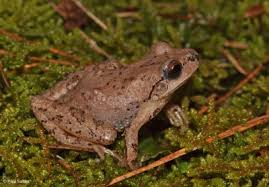
Name the levels of an ecosystem in order from smallest to largest.
Ecosystem, population, organism, community
Community, organism, population, ecosystem
Organism, population, community, ecosystem
Ecosystem, community, population, organism
The primary cause of invasive species introduction is
too much food
human actions
weather events
asteroids
TRUE or FALSE? Invasive species can be introduced to an ecosystem intentionally.
True
False
Invasive species don't harm native species that are beneficial to the environment.
TRUE
FALSE
Invasive species can crowd out native species.
TRUE
FALSE
Which order is correct? (Levels of Ecological Organization)
Organism, Community, Ecosystem, Population, Biosphere
Organism, Community, Population, Ecosystem, Biosphere
Clownfish, Group of Clownfish, (Sea Turtle, Star Fish, Jelly Fish), Marine, The World

