wayground logo

Free Printable Worksheets

NEW

Font size

S
M
L
XL
Worksheets

Bonding Review

Total questions: 28

Worksheet time: 26mins

Name
Class
Date
1.
When electrons are transfered from cations to anions a ________ bond is formed
a)
Polar covalent
b)
Nonpolar covalent
c)
Ionic
d)
Metallic
2.
When electrons are shared a ________ bond is formed
a)
Ionic
b)
Covalent
c)
Metallic
3.

Which part of the atom is responsible for chemical bonding?

a)

Core Electrons

b)

Valence Electrons

c)

Protons

d)

Neutrons

4.
A chemical bond that involves the sharing of nonmetal electrons.
a)
ionic bond
b)
an Ion
c)
covalent bond
d)
a anion
5.
How are covalent bonds explained?
a)
When one atom takes the other atom's electron
b)
When the atom shares an electron with an another atom
c)
When the two nucleus merge
d)
When the neutrons leave the nucleus
6.

A positively or negatively charged particle.

a)

covalent bond

b)

ion

c)

oxidation number

d)

subscript

7.

A chemical bond between oppositely charged ions.

a)

Covalent bonds

b)

Ionic Bonds

c)

Ion

d)

Compound

8.

A chemical bond formed between shared atoms.

a)

covalent bond

b)

chemical bonds

c)

compound

d)

ionic bonds

9.

What are ionic bonds?

a)

Valence electrons transferred between atoms

b)

Core electrons transferred between atoms

c)

Protons are transferred between atoms

d)

Neutrons are transferred between atoms

10.

An ion that is negative is called a ____________________.

a)

polar ion

b)

nonpolar ion

c)

anion

d)

cation

11.

An ion that is positively charged is called a ________________.

a)

polar ion

b)

cation

c)

anion

d)

positive ion

12.

What are the 2 types of ions?

a)

protons and neutrons

b)

molecules and compounds

c)

polar and nonpolar

d)

cation and anion

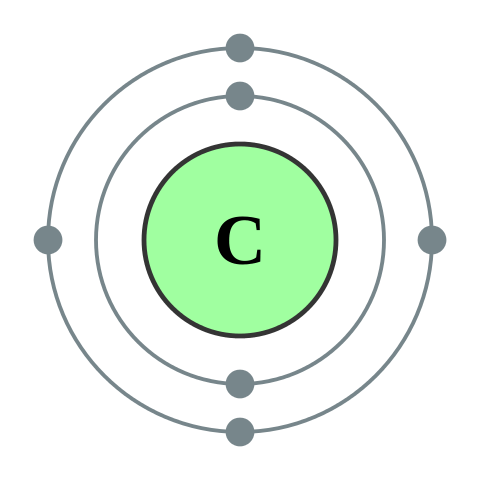
13.
a)
2
b)
3
c)
5
14.
a)
12
b)
7
c)
8
d)
14
15.

How many valence electrons does carbon have?

a)

4

b)

5

c)

6

d)

7

16.

Chlorine ( Cl) has _________ valence electrons.

a)

3

b)

5

c)

7

d)

8

17.

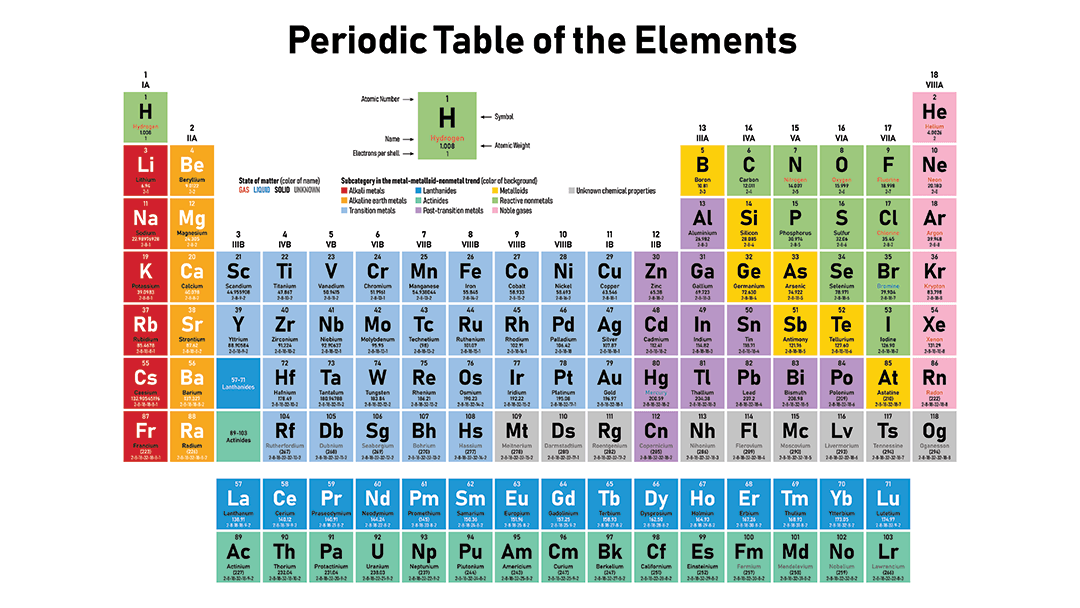
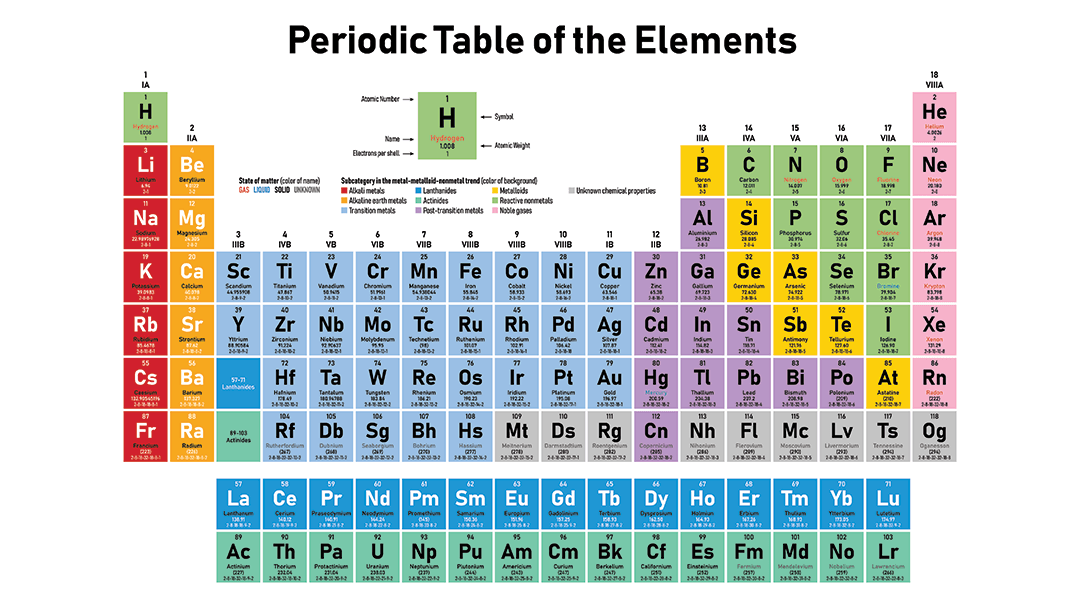
How many valence electrons does Na have?

a)

1

b)

5

c)

6

d)

11

18.

How many elements are in this chemical formula?

HCl

a)

1

b)

2

c)

3

d)

4

19.

How many atoms of Carbon are in this formula? C6 H12O6C_{6\ }H_{12}O_6  

a)

6

b)

1

c)

12

20.

How many different types of elements are in this chemical formula?  NaHCO3NaHCO_3  

a)

1

b)

2

c)

3

d)

4

21.

What is a molecule?

a)

two elements bonded together (sharing electrons)

b)

a mixture of different substances

c)

smallest individual particles

d)

salt mixed in water

22.
Covalent bonds are between...
a)
two or more nonmetals
b)
sodium and chlorine
c)
metals and metals
d)
metals and nonmetals
23.
What kind of chemical bond forms between a metal and a nonmetal?
a)
ionic
b)
covalent
c)
fake
d)
metallic
24.
Ionic bonds are between...
a)
nonmetals and nonmetals
b)
carbon and oxygen
c)
metals and nonmentals
d)
hydrogen and chlorine
25.
What kind of bond forms between two nonmetals?
a)
ionic 
b)
covalent
c)
metallic
d)
fake
26.
If an atom gains two electrons what charge will it have?
a)
-2
b)
-1
c)
+1
d)
+2
27.
If an atom has 7 protons and 7 electrons what charge will it have?
a)
-2
b)
-1
c)
0
d)
+2
28.

Which of the following is NOT a covalent bond?

a)

K2S

b)

H2O

c)

I2

d)

CO2