
 Worksheets
Unit 6- Renaissance, Reformation, Age of Exploration and the
Total questions: 50
Worksheet time: 25mins
The Renaissance philosophy of humanism emphasizes the importance of:
trade as the primary method of building a country’s wealth
the accomplishments and capabilities of individual human beings
religious rather than secular teachings
technological innovations
The global transfer of foods, plants, and animals during the colonization of the Americas is known as the
Scientific Revolution
New Imperialism
Columbian Exchange
Middle Passage
What was the main reason for Henry VIII's split with the Roman Catholic Church?
his religious beliefs
his unwillingness to pay Church taxes
his desire for a male heir
his treatment of Catherine of Aragon
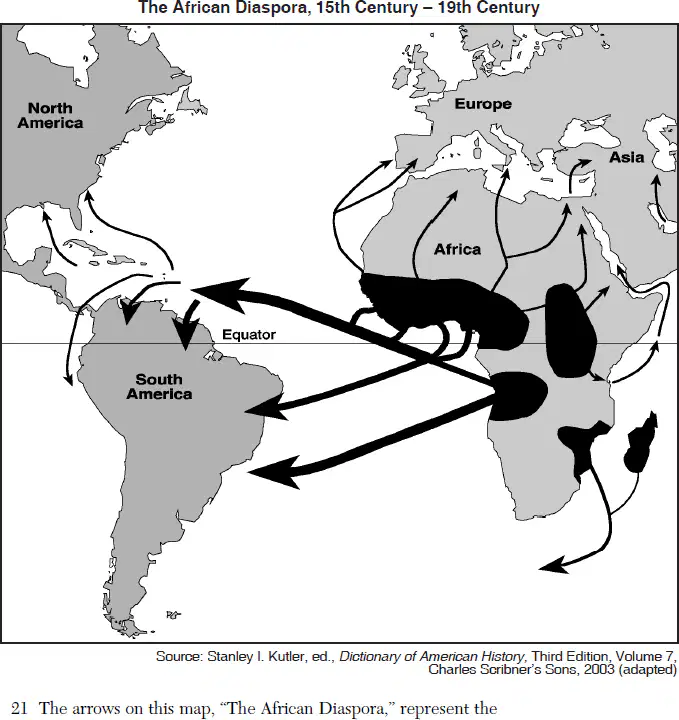
The map of Africa above best explains which of the following developments in African history?
The migration of Bantu-speaking peoples
The diffusion of culture throughout the Islamic world
The emergence and growth of West African kingdoms
The growth of forced labor through chattel slavery

Which of the following BEST defines the Renaissance?
a European period in the 1600s and 1700s that focused on the value of reason
a period from the 1300s to 1600s that brought new beliefs, culture, and art to Europe
a movement in the 1500s and 1600s during which religious leaders broke away from the Catholic Church in Europe
a European movement from 1800 to 1850 that emphasized the imagination and feelings

The religious order developed by Ignatius Loyola during the Catholic counter-reformation
Franciscans
Jesuits
Dominicans
Anti−Lutherans

Martin Luther was primarily dissatisfied with the Roman Catholic Church because he
thought the church lacked structure
disagreed with the sale of indulgences.
blamed the church for not curing people who had the plague.
. believed that kings should have more power to appoint clergy
How did the expansion of sugar plantations in the Americas change the trans-Atlantic economy?
by improving the efficiency of manufacturing
processes
by increasing the demand for slave labor
by increasing the need for market competition
by improving the design of farming equipment
The Renaissance played an important role in launching the Age of Exploration by:
Creating great works of art that could be sold to people in the Americas
Encouraging a new spirit of adventure and curiosity
Bringing artist from around the world to study Renaissance techniques.
Causing a split of the Catholic Church
Which Protestant reformer preached the idea of predestination?
Martin Luther
John Wesley
Henry VIII
John Calvin
What accounted for the majority of the population loss suffered by Native American after the European arrival?
epidemic diseases
enslavement
losses in warfare
internal civil conflicts
One major effect of the Protestant Reformation on western Europe was the:
decline in religious unity
increased power of the Catholic pope
reduction in religious wars
increase in the sale of indulgences by the Catholic Church
What effect did the arrival of Europeans have on both the Aztec and Inca civilizations?
It led to democratic reforms in both civilizations
It led to the destruction of the Aztec and Inca civilizations.
It led to the migration of Aztec and Inca civilizations to Europe.
It led to improved healthcare and education systems in both civilizations.
Which of the following terms describes the series of meetings held by the Catholic Church following the Protestant Reformation?
the Council of Trent
the Diet of Worms
the Reconquista
the Spanish Inquisition
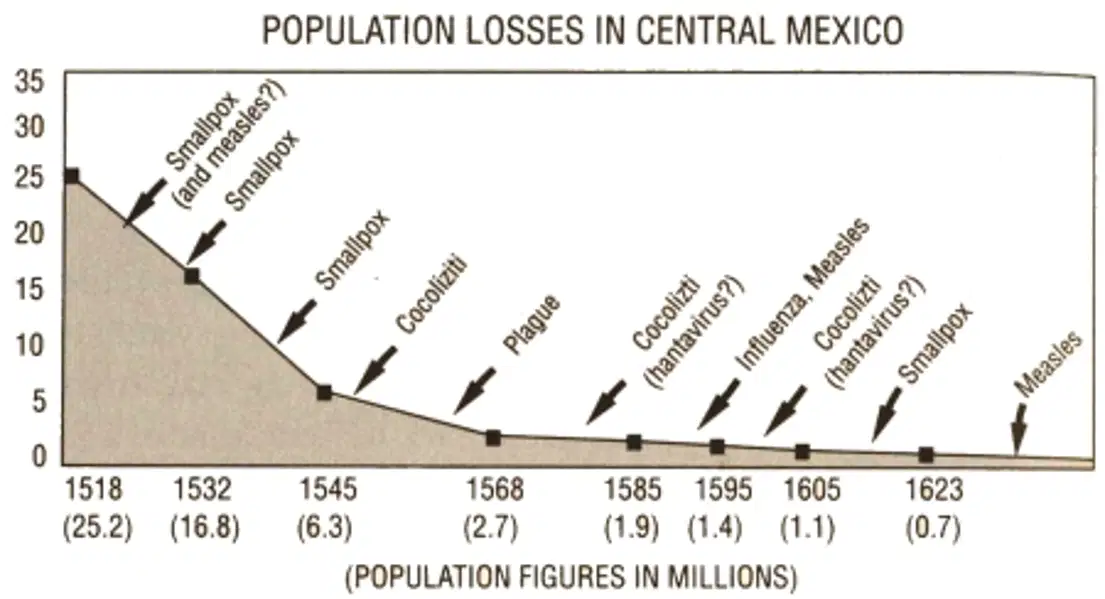
Which statement best explains the population trend shown in this graph?
Native Americans believed in polygamy
Native beliefs included sacrifice
Europeans brought disease to Central America
Tribal warfare raged during this time period
Johannes Gutenberg was responsible for
the invention of moveable type in the West
the unification of the Holy Roman Empire
the construction of the Wittenberg cathedral during the 15th century
the defeat of the Catholic forces during the Thirty Years War
Which of these describes a major difference between Martin Luther’s beliefs and the beliefs of the Catholic Church?
Baptism alone allows sinners to achieve grace.
Only priests should be allowed to interpret scripture.
Sinners may achieve salvation through faith alone
Only by receiving communion may sinners be saved.

A historian might use the above image, De humani corporis fabrica (1555) as evidence of:
the Roman Catholic Church’s disapproval of accurate depictions of the human form
the connection between Renaissance art and increased biological knowledge through the use of dissections
the importance of one-point perspective in architectural drawings
the tendency in the sixteenth century to focus on idealized female forms
What were Europeans’ main motives for making voyages of exploration?
to test their new technologies
to grow wealthy and spread Christianity
to break the Portuguese monopoly on trade
to gain extra land for a growing population
The powerful family from Florence that acted as patrons to many early Renaissance artists and writers was the:
Medicis
Donatellos
Machiavellians
Habsburgs
The grants of land and native workers to individual Spaniards as a labor system were called
obrajes
audencias
encomiendas
consulados
Renaissance art made use of all of the following EXCEPT:
abstract geometric shapes
perspective
accurate and detailed depictions of human anatomy
both secular and religious subjects
The Renaissance began in which of the following countries?
Spain
France
England
Italy
The author of this passage, Niccolò Machiavelli, was
the leader of Florence during the Renaissance
one of the Terrible Popes
a major figure in the Protestant Reformation
a political philosopher who wanted to
influence the powerful Medici family
Which of the following was an important demographic (population) change that occurred between 1450 and 1750?
new navigational inventions made sea travel on the Atlantic Ocean more practical
social mobility increased as new opportunities opened in the Western Hemisphere
native groups in the Americas were devastated by disease contracted from Europeans
absolute governments proved to be much less effective than constitutional monarchies
The literary movement that started the Renaissance and was based on a renewed interest in classical learning and focus on the individual was:
utopianism
humanism
Machiavellianism
idealism
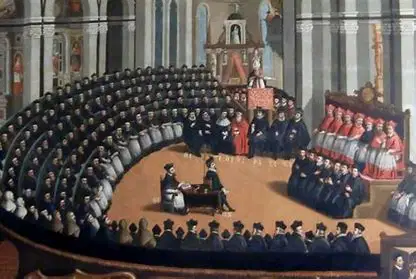
What was one major effect of the invention of the printing press?
It helped introduce new leadership roles in the church.
It helped popularize reforms in the Catholic Church.
It helped increase the spread of new religious ideas.
It helped Catholic leaders increase power.
What was the main difference between Calvinism and Lutheranism?
Calvinism taught that the pope had ultimate authority
Calvinism taught that salvation could not be earned.
Calvinism taught the doctrine of predestination...
Calvinism taught that everyone will be saved.
Which of the following English monarchs was responsible for adopting a more moderate position of religious pragmatism (tolerance) known as the Media Via following the Protestant Reformation?
Henry VIII
Edward VI
Elizabeth I
Mary I
Which Western European kingdom was the first to pursue widespread maritime exploration along the west coast of Africa and into the Indian Ocean?
England
Spain
Portugal
France
How did the style of portraits and sculptures illustrate the ideas of the Renaissance?
They incorporated religious themes into vague natural scenes
They created a magical mood by depicting religious figures hovering.s
They used realism to reveal the individual personality of their subjects.
They emphasized technical aspects to highlight scientific achievement
Which Protestant reformer preached the idea of predestination?
John Wesley
Henry VIII
Martin Luther
John Calvin
What accounted for the majority of the population loss suffered by Native American after the European arrival?
losses in warfare
epidemic disease
internal civil conflicts
enslavement
One major effect of the Protestant Reformation on western Europe was the:
increased power of the Catholic pope
increase in the sale of indulgences by the Catholic Church
reduction in religious wars
decline in religious unity
What effect did the arrival of Europeans have on both the Aztec and Inca civilizations?
It led to the destruction of the Aztec and Inca civilizations.
It led to the migration of Aztec and Inca civilizations to Europe
It led to democratic reforms in both civilizations.
It led to improved healthcare and education systems in both civilizations.
Which of the following terms describes the series of meetings held by the Catholic Church following the Protestant Reformation
the Spanish Inquisition
the Diet of Worms
the Council of Trent
the Reconquista.

Which statement best explains the population trend shown in this graph?
Native Americans believed in polygamy
Europeans brought disease to Central America
Tribal warfare raged during this time period
Native beliefs included sacrifice
Johannes Gutenberg was responsible for
the construction of the Wittenberg cathedral during the 15th century
the defeat of the Catholic forces during the Thirty Years War
the invention of moveable type in the West
the unification of the Holy Roman Empire
Which of these describes a major difference between Martin Luther’s beliefs and the beliefs of the Catholic Church?
Sinners may achieve salvation through faith alone.
Baptism alone allows sinners to achieve grace.
Only by receiving communion may sinners be saved.
Only priests should be allowed to interpret scripture.

A historian might use the above image, De humani corporis fabrica (1555) as evidence of:
the Roman Catholic Church’s disapproval of accurate depictions of the human form
the tendency in the sixteenth century to focus on idealized female forms
the importance of one-point perspective in architectural drawings.
the connection between Renaissance art and increased biological knowledge
What were Europeans’ main motives for making voyages of exploration?
to break the Portuguese monopoly on trade
to grow wealthy and spread Christianity
to gain extra land for a growing population
to test their new technologies
The powerful family from Florence that acted as patrons to many early Renaissance artists and writers was the:
Machiavellians
Tortugas
Donatellos
Medicis
The grants of land and native workers to individual Spaniards as a labor system were called
obrajes
audencias
consulados
encomiendas
Renaissance art made use of all of the following EXCEPT:
accurate and detailed depictions of human anatomy
both secular and religious subjects
abstract geometric shapes
perspective
Innovations
· Caravel
· Astrolabe
· Magnetic Compass
Which Age did these innovations contribute MOST to?
Agricultural Revolution
Exploration
Reformation
Industrial Revolution
The Renaissance began in which of the following countries?
Luxembourg
France
Germany
Italy
The literary movement that started the Renaissance and was based on a renewed interest in classical learning and focus on the individual was:
utopianism
humanism
idealism
Machiavellianism
What was one major effect of the invention of the printing press?
It helped Catholic leaders increase power.
It helped popularize reforms in the Catholic Church.
It helped increase the spread of new religious ideas.
It helped introduce new leadership roles in the church.
Which individual’s work had the greatest impact on the spread of Martin Luther’s ideas?
Galileo Galilei
Johannes Gutenberg
William Shakespeare
Niccolò Machiavelli
In The Prince, Machiavelli advises rulers to
seek the approval of the people
promote openness in government
learn and follow the commandments of the Church
establish and maintain power

