
 Worksheets
Year 3 Science
Total questions: 50
Worksheet time: 28mins
How can you help prevent tooth decay?
Brush with fluoride toothpaste
Don’t eat sweets between meals
Both A and B
All food chains begin with a
An arrow
Producer
Consumer
Animal

Potatoes provide me
fibre
protein
carbohydrate
An animal's home is called its _____________________.
house
hole
habit
habitat
Which part of the plant takes in water and minerals from the soil?
the stem
the fower
the leaf
the root
Which of the following objects cannot absorb water?


Rice is classified as _______________.
fats
sugars
carbohydrates

Eating eggs provide ____________ for my growth.
protein
fibre
carbohydrate
What is the importance of water?
to provide energy
to regulate body temperature
for growth

The food above is classified as...
protein
fats
carbohydrate
vitamins

The food above is classified as...
protein
fats
carbohydrate
vitamins

The food above are important for...
providing energy
growth
preventing constipation
warming up our body

I don't like to eat fruits and vegetables. What will happen to me?
Fever
Getting fatter
Constipation

The food class above is...
Protein
Carbohydrate
Fibre

This animal is a _____________.
carnivore
herbivore
omnivore
Which animal eats plant only?
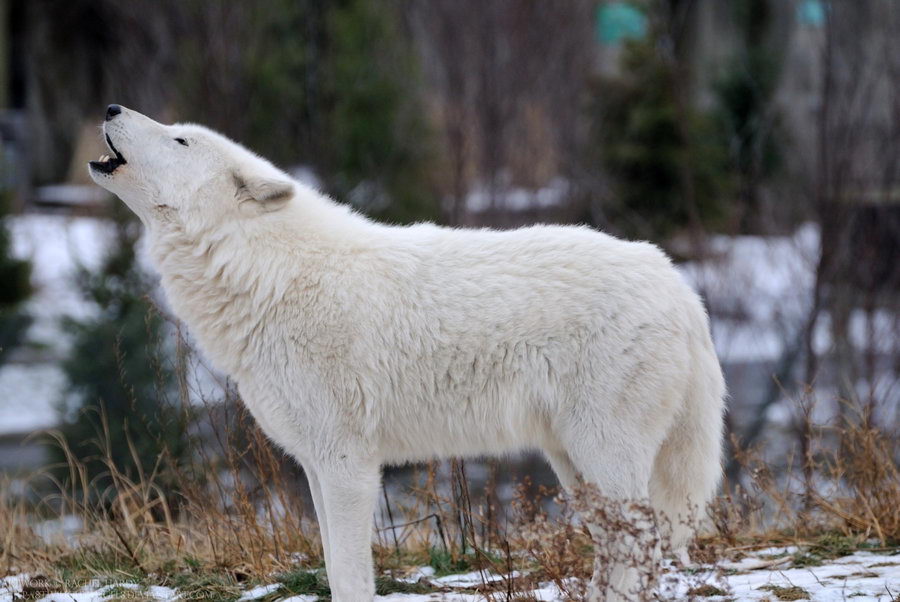
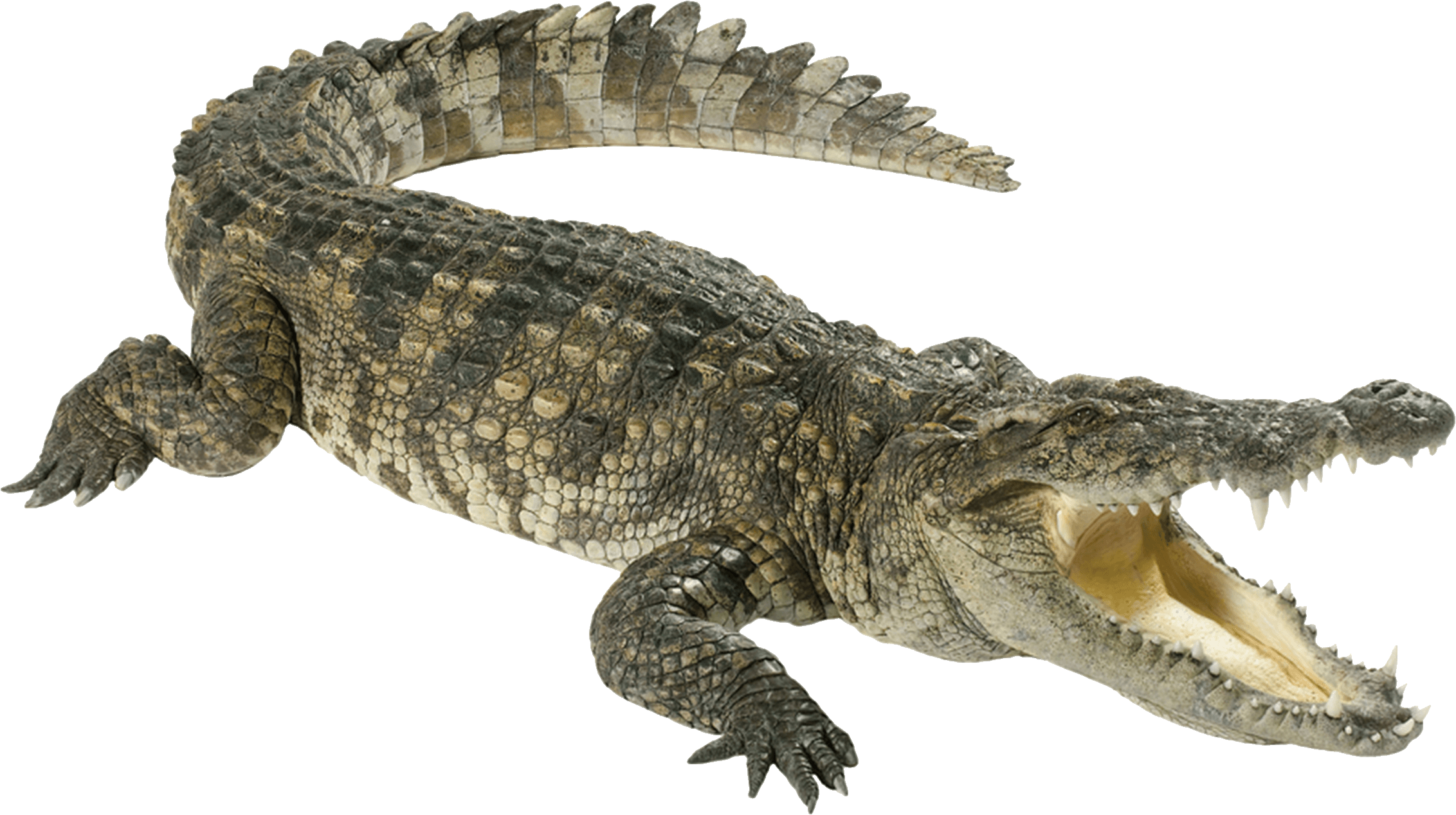
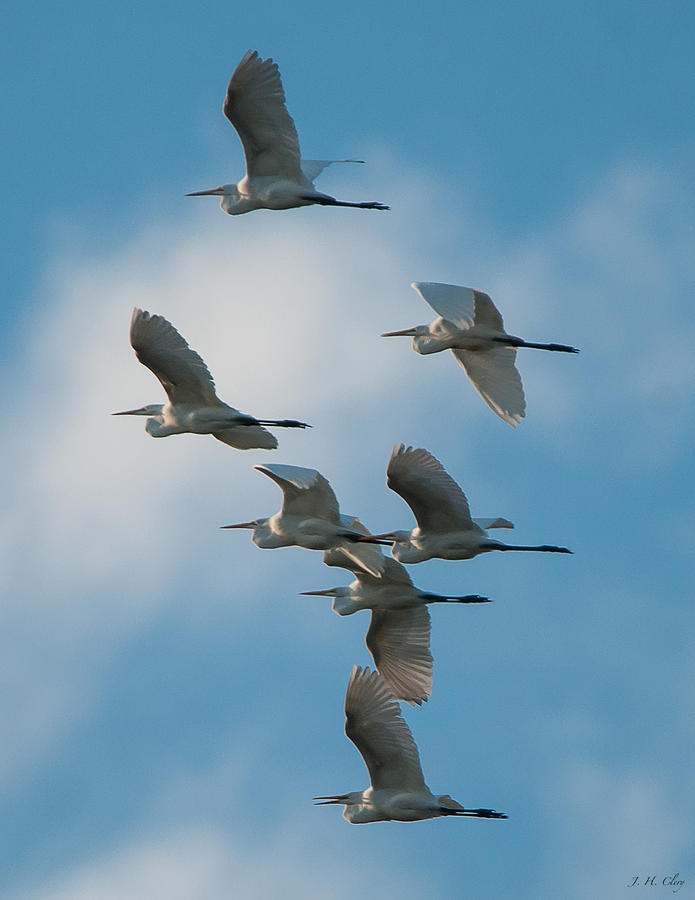
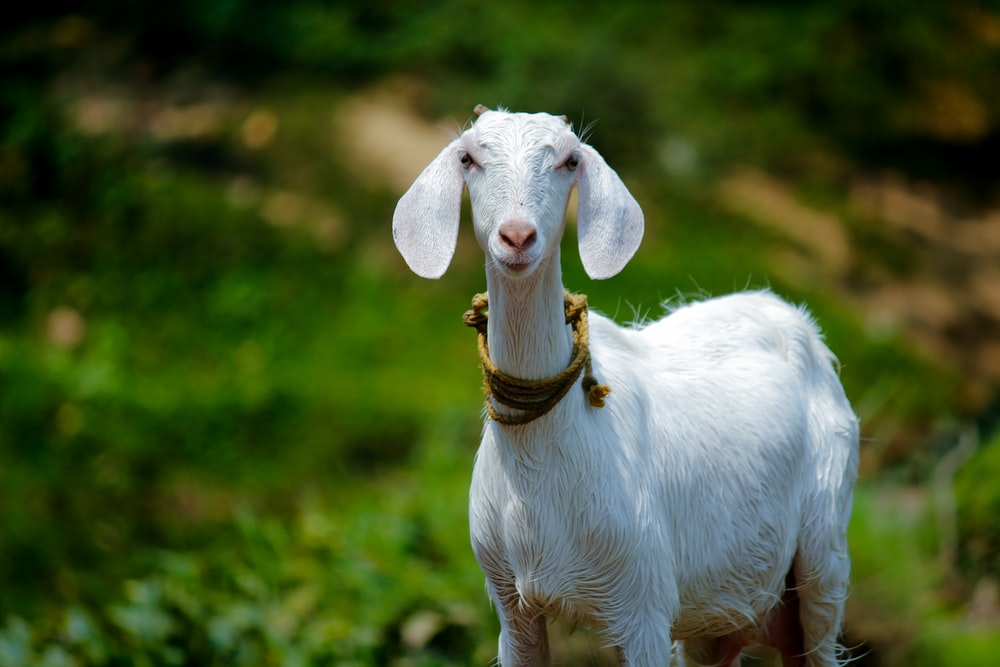
These animals eat both plant and other animal EXCEPT...
Rabbit
Monkey
Bird
Chicken
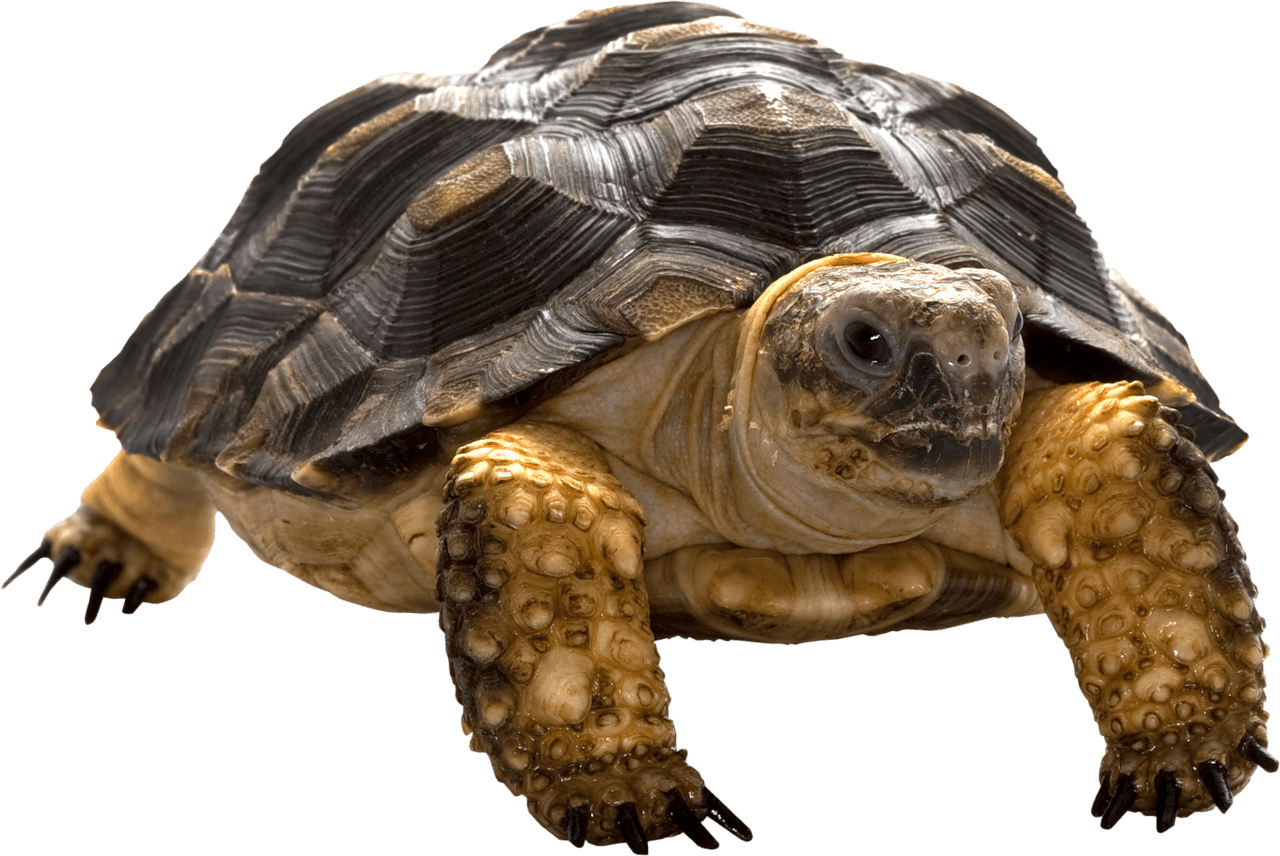
Animals that eat plant only are known as...
carnivore
omnivore
herbivore
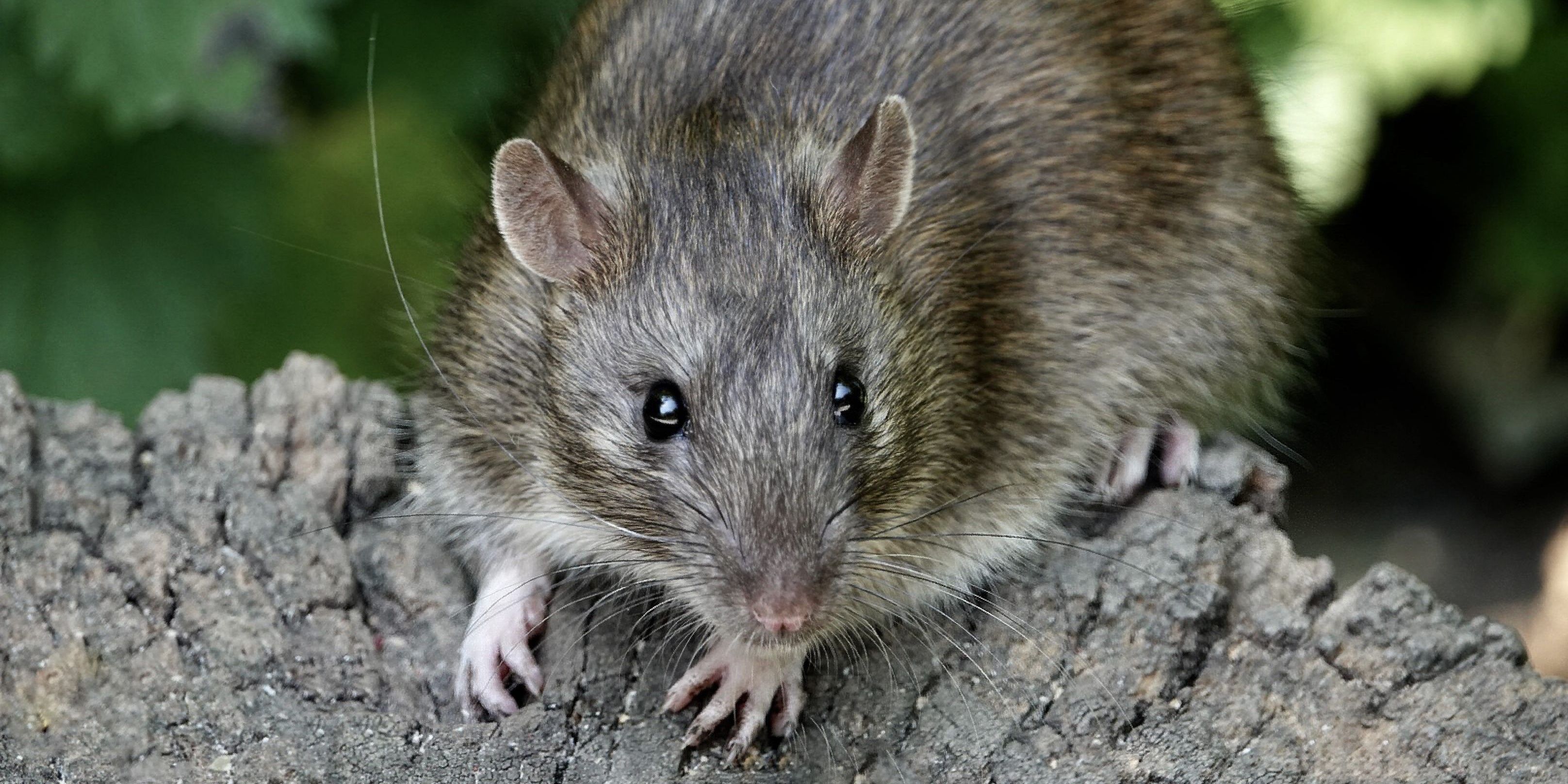
Animals that eat both plants and other animals are known as...
herbivore
carnivore
omnivore
Monkeys are carnivores.
True
False

A snake is a ____________.
carnivore
omnivore
herbivore

Select the things that are non-living. Choose two.
mushroom
fire
flower
water
What is the function of the stem?
Carry water and minerals to the plant and keep it upright.
Create seeds.
Absorb water and minerals and keep plants ‘anchored’.
Make new food for the plant.
What is the function of the leaf?
Carry water and minerals to the plant and keep it upright.
Create seeds.
Absorb water and minerals and keep plants ‘anchored’.
Make new food for the plant.
What is the function of the flower?
Carry water and minerals to the plant and keep it upright.
Create seeds.
Absorb water and minerals and keep plants ‘anchored’.
Make new food for the plant.

The green pigment in leaves that captures the energy from the sun is called...
borophyll
chlorophyll
photosynthesis
leaves

Which part of the plant is responsible for capturing sunlight and carrying out photosynthesis?
leaves
stem
flower
roots
Select the correct sentence.
Plants are not living things.
Plants never die.
Plants make their own food.
Plants don't need sunlight.

Photosynthesis =
minerals + water + sunlight + oxygen = food + carbon dioxide
minerals + water + sunlight + carbon dioxide = food + oxygen
minerals + water + sunlight + oxygen = food + oxygen
What is a consumer?
Organism that creates their own food
Organism that eat other organisms for energy
Organism that eat other dead organisms
What is a producer?
Organism that creates their own food
Organism that eat other organisms for energy
Organism that eat other dead organisms

What animal is on the top of the food chain?
*Remember Humans are on the top of all food chains because we do not get hunted.
Plant
Mouse
Snake
Eagle


Butterfly has ____________stages in their life cycle.
four
three
two
five

Complete metamorphosis has 4 stages. What are they in the correct order?
pupa, egg, larva, adult
adult, egg, larva, pupa
egg, larva, pupa, adult
egg, adult, pupa, larva

What is the young of horse called?
calf
foal
cub


True or False:
All vertebrates lay eggs to hatch their young.
True
False

Which of the following contains the largest group of organisms?
Vertebrates
Invertebrates

