
 Worksheets
The circulatory system
Total questions: 50
Worksheet time: 30mins
What is the circulatory system responsible for?
digestion
Carrying nutrients, oxygen, carbon dioxide and waste products
absorption
breathing
What makes up the circulatory system?
The lungs and the digestive tract
The brain
The liver and the pancreas
The heart, the blood and blood vessels
The heart is the size of
an apple
your foot
your fist
a basketball
The right side of the heart pumps blood to the
organs
brain
lungs
intestine
Blood vessels that carry blood back to your heart are called
Arteries
Veins
Capillaries
intestine
The smallest vessels are called
arteries
veins
vessels
capillaries
The left side of the heart pumps blood to
lungs
bladder
all of your body
heart
The blood drops off... in the lungs.
oxygen
carbon dioxide
blood
nutrients
The blood picks up __________ from the lungs.
nutrients
carbon dioxide
oxygen
poison
It pumps blood around the body. It's inside the chest.
large intestine
stomach
heart
You can count your heartbeats by feeling your
Nerves
Pulse
Breathing

Our heart beats faster when we do exercise.
Yes
No
When you run around, your body needs a lot more energy and oxygen.
Yes
No

__________is the small beat under the skin.
heart
pulse
heartbeat
breathing

The right side of the heart pumps blood poor in oxygen.
True
False

The left side of the heart pumps
Blood poor in oxygen
Blood rich in oxygen
Mixed blood

The upper part of each side of the heart is called
Ventricle
Artery
Atrium
Vessel

The lower part of each side of the heart is called
Atrium
Artery
Ventricle
Vein

The right side of the heart pumps blood to the ________
body
lungs
brain
legs

The left side of the heart pumps blood to the _________
Body
Lungs
Brain
Legs

The blood that comes from the body enters the heart at the___________
Ventricle
Artery
Atrium
Vessel

The blood leaves the heart at the _____
Ventricles
Atrium
Valve
Capillaries

Arteries carry oxygenated blood from the heart to all parts of the body.
True
False

Veins carry oxygenated blood from the body to the heart.
True
False

These are parts of the circulatory system
The heart
The bones
The blood
The blood vessels
What is the main organ of the circulatory system?
The lungs
The skin
The brain
The heart

What is the biggest part of the blood?
White blood vessels
Plasma
Red blood vessels
Platelet

These are the parts of the blood
Plasma, white blood cells, oxygen
Red blood cells, plasma, platelets
Plasma, white and red blood cells, platelets
Oxygen, platelets, white blood cells

White blood cells___________
Carry oxygen to the rest of the body
Protect your body from germs.
Stop the bleeding forming clots
Carry away the cells’ wastes
Red blood cells______________
carry oxygen to the rest of the body
protect your body from germs and other harmful things.
stop the bleeding forming clots
carry away the cells’ wastes

What are the three types of blood vessels of the body?
Arteries
Vessels
Capillaries
Veins

Blood carries (point all the right answers)
water and other components
red blood cells, white blood cells, platelets,
nutrients, gases and waste products
blood vessels

Red blood cells
carry oxygen and other gases
fight oxygen
stop bleeding

White blood cells
carry oxygen and other gases
They help the body fight infection
stop bleeding

Platelets
carry oxygen and other gases
fight oxygen
They help your blood clot
(stop bleeding)
Arteries
carry oxygenated blood away from the heart
carry deoxygenated blood back to the heart
connected arteries and veins. oxygen, carbon dioxide and waste products pass through them
Veins
carry oxygenated blood away from the heart
carry deoxygenated blood back to the heart
connect arteries and veins. oxygen, carbon dioxide and waste products pass through them
Capillaries
carry oxygenated blood away from the heart
carry deoxygenated blood back to the heart
connected arteries and veins. oxygen, carbon dioxide and waste products pass through them
What is the function of the heart?
Pump oxygen around the body though the blood vessels
Pump blood around around the body through the blood vessels.
Pump air around the body through the blood vessels.
A the heart contracts and relaxes, it produces heartbeat.
True
False
The heart beats about ___ times per minute.
60
70
80
90
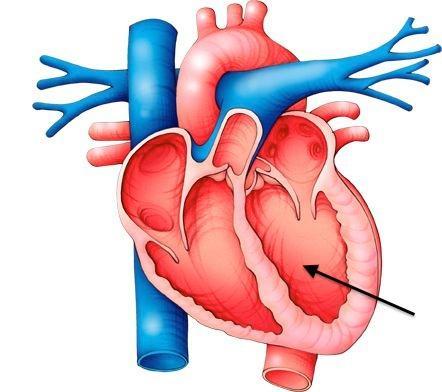
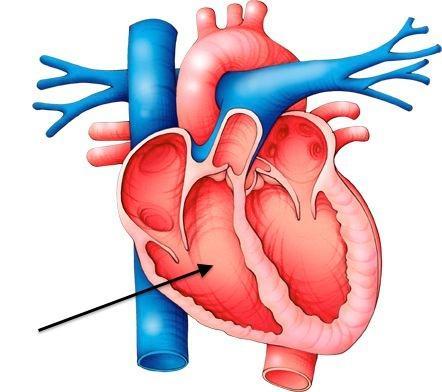
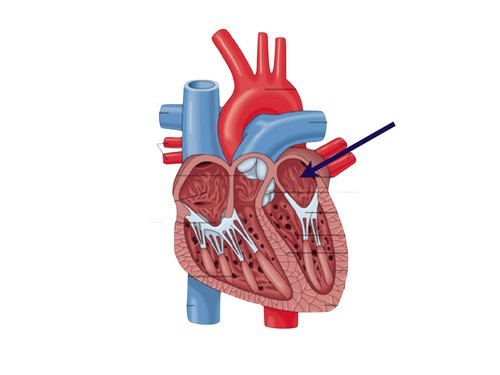

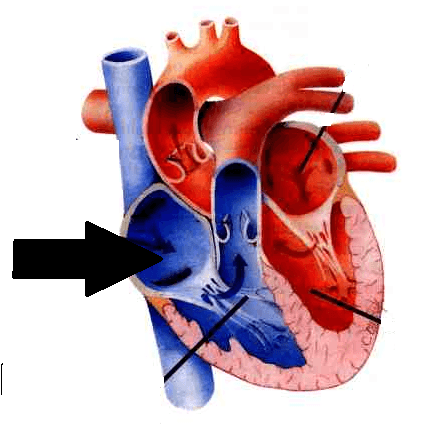
Heart valves
Blood vessels
Cells
Veins
Nutrients, oxygen and carbon dioxide.
Artery
Vein
Capillaries
Blood vessel

