
 Worksheets
Nervous System Review
Total questions: 44
Worksheet time: 22mins
What is the main function of the nervous system?
to inhale oxygen and exhale carbon dioxide
to break down food consumed by a person for nutrients
to control the body's activities by relaying messages
to control the body's movements
What are the two divisions of the nervous system?
Central and Lower nervous systems
Central and Peripheral nervous systems
Lower and Cerebral nervous systems
Central and Muscular nervous systems
What are the three parts of the nervous system?
brain, spinal cord, nerves
brain, lungs, spinal cord
heart, brain, nerves
brain, nerves, neurons
A nerve cell is called a:
neutron
nerve
neuron
synapse
Dendrites are part of a neuron that carries electrical signals _______ the cell body.
to
away
in between
Axons are part of a neuron that send electrical signals ________ the cell body
to
away from
in between
The space between an axon of a neuron that is communicating with a dendrite of another neuron is called a ________________.
Neuron
Brain message
Stimulus
Synapse
Senses recognize ____________ which are recognized by the brain and results in a response.
Synapses
Brain messages
Stimuli (plural of stimulus)
Cerebrums

The brain stem/medulla is labeled as #...
1
2
3
When the spinal cord responds in an emergency to a stimulus before the brain, this is called a...
response
synapse
cerebral response
reflex

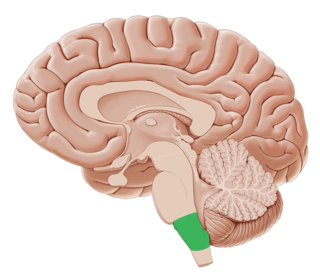
What is this?
Corpus callosum
Medulla Oblongata
Cerebellum
Hypothalamus

Which lobe is this?
Occipital Lobe
Parietal Lobe
Temporal Lobe
Frontal Lobe
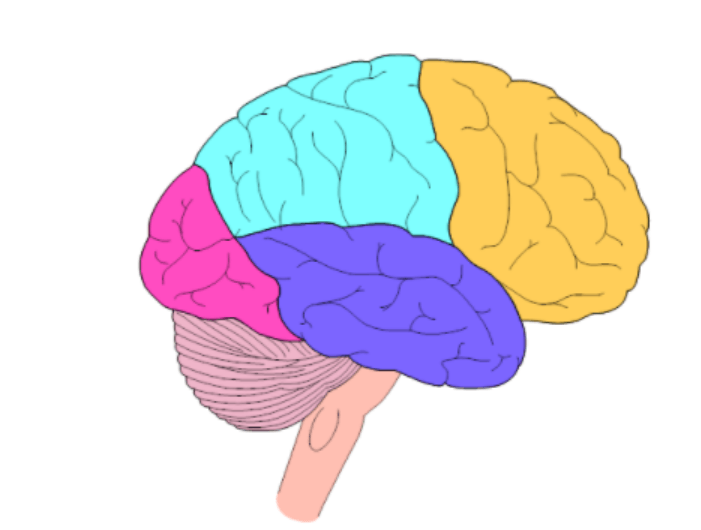
What lobe is orange in this picture?
Frontal
Parietal
Temporal
Occipital
What lobe is bright pink in this picture?
Frontal
Parietal
Temporal
Occipital
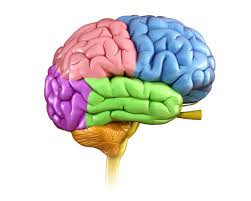
What lobe is green in this picture?
Frontal
Parietal
Temporal
Occipital
What lobe is pink in this picture?
Frontal
Parietal
Temporal
Occipital
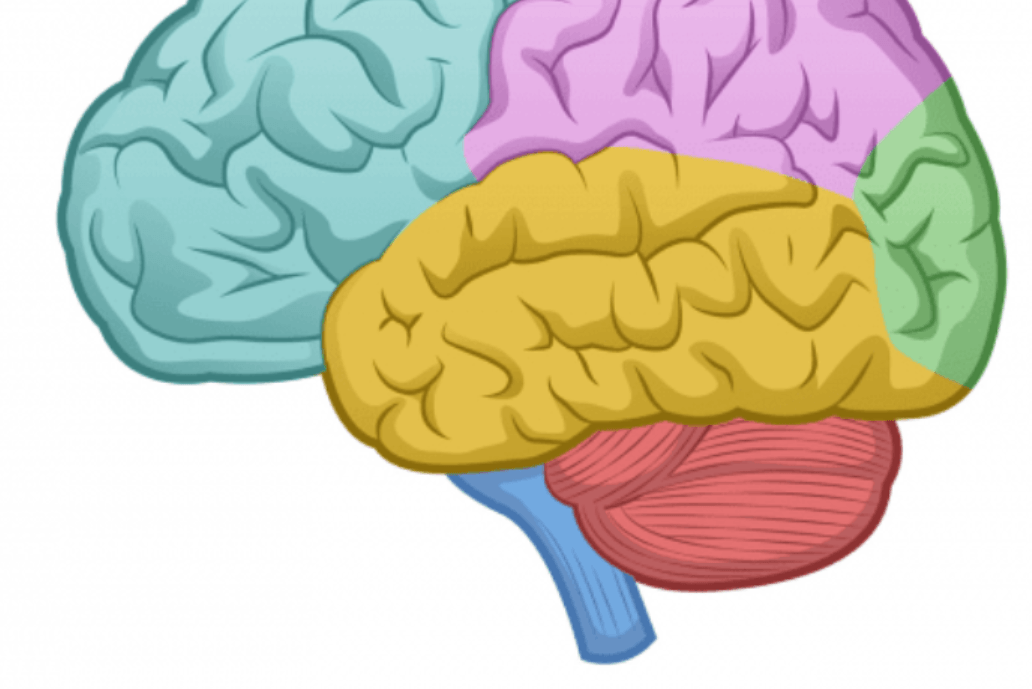
What structure is red in this picture?
Cerebrum
Cerebellum
Brain Stem
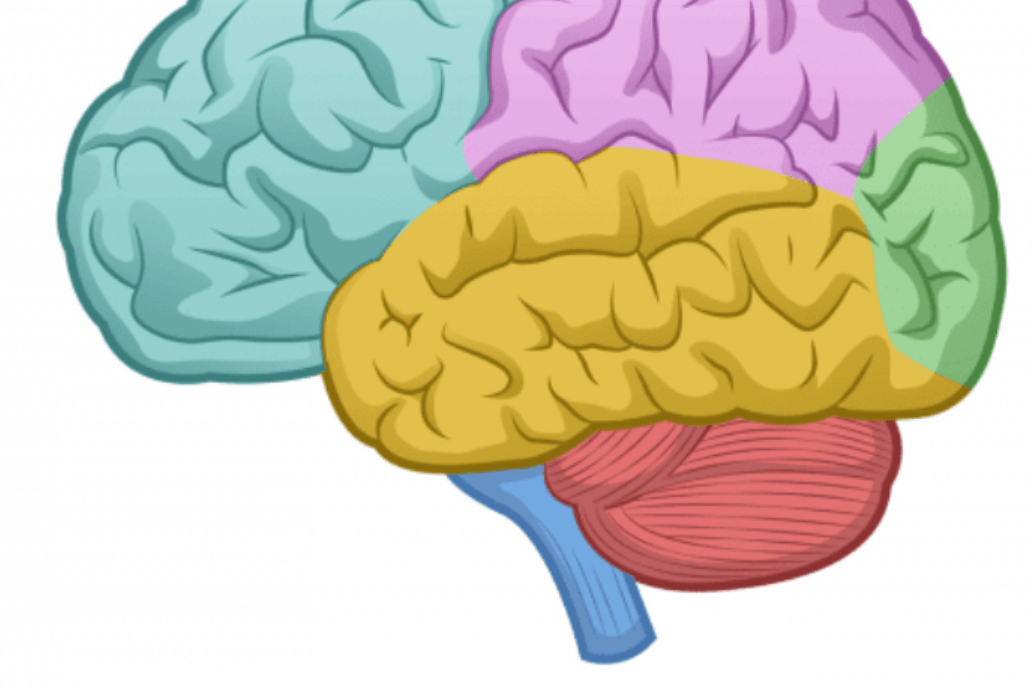
What structure is blue in this picture?
Cerebrum
Cerebellum
Brain Stem
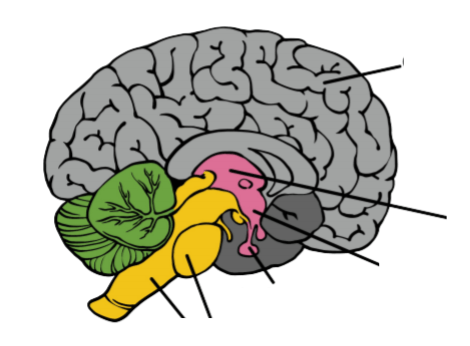
What structure is grey in this picture?
Cerebrum
Cerebellum
Brain Stem

What does the green lobe do?
Processes your hearing
Processes your vision
Contains your personality
Processes your sense of touch
What does the yellow lobe do?
Processes your hearing
Processes your vision
Contains your personality
Processes your sense of touch
A network of branches on the neuron that receive signals from neighboring cells.


Which is the following is represented by the letter B?
cell body
nucleus
dendrite
axon

Which of the following is represented by letter C?
Cell body
nucleus
axon
dendrite
Which of the following is represented by letter C?
Cell body
nucleus
axon
dendrite

Which is represented by the letter E?
Axon
Myelin sheath
schwan cells
terminal branches

Which is represented by the letter G?
axon
myelin sheath
schwan cell
terminal branches

Which is represented by the letter H?
axon
myelin sheath
schwan cell
terminal branches
The basic structural unit of the nervous system:
nerve
neuron
brain
spinal cord
Lipid (fat) covering that increases the rate of transmission and insulates the axon:
axon
dendrite
myelin sheath
schwann cell
Type of neuron that carries messages from the body to the brain/spinal cord:
Afferent/sensory
Efferent/motor
Type of neuron that carries messages from the brain/spinal cord to the body
Afferent/Sensory
Efferent/Motor

