
 Worksheets
NaturalResourcesKS321
Total questions: 86
Worksheet time: 57mins

What is this?
Tail
Tusk
Horn
Bone

A species is defined as endangered when it
suffers from damage to its habitat.
suffers from disease or predation.
when there are hazards to the continued life of the species.
all of the above
Why do endangered species matter?
Because they are cute
Biodiversity
Because if they die we cannot have them as pets
Because they cannot be in the zoo
What can you do to save endangered species?
Protect wildlife
To adopt them as pets
To put them in zoos
To make them reproduce

The endangered black rhinos is hunted for what?
its horns
its eyes
its meat
An animal that might become endangered if nothing is done is considered __________.
extirpated
threatened
extinct
vulnerable
Which of the animal is under the endangered list?
Giraffe
Malayan Tiger
Chicken
Wolf

Penguins are ____.
Insects
Reptiles
Birds
Mammals

Resources that are not able to be reproduced as quickly as they are used are called _____.
renewable resources
replaceable resources
non renewable resources
non replaceable resources
Geothermal energy uses heat from ____ to produce electricity.
the earth
coal
oil
natural gas
Renewable resources ...
are not replaceable
are used more frequently than non renewables
are never going to run out
going to run out
What type of power plant uses the potential energy of water trapped behind a dam?
nuclear power plant
hydroelectric power plant
solar station
tidal harness
What are fossil fuels?
coal, oil, uranium
oil, natural gas, uranium
coal, oil, natural gas
geothemals, coal, natural gas
Uranium atoms are split to create a tremendous amount of energy in a _____ power plant.
biomass
geothermal
nuclear
hydroelectric
Which of the following energy sources has the drawback of generating radioactive waste.
fossil fuels
nuclear
geothermal
hydroelectric
Which of the following uses tides or waves to generate electricity?
hydroelectric
geothermal
tidal harness
wind
Which of the following has the greatest efficiency out of all of the natural resources?
hydroelectric
fossil fuels
solar
geothermal

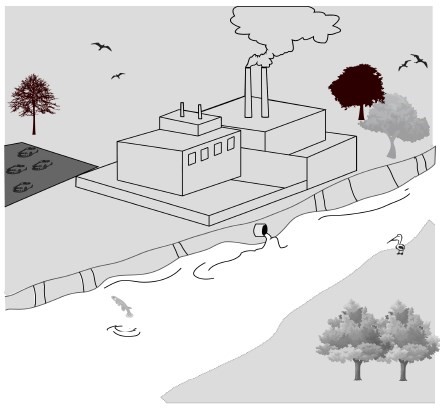
What is called for the practice of regulating forest resources to meet the needs of society and industry while preserving the forest’s health?
Environmental protection
Sustainable Forest Management
Forest policy framework
Unsustainable Forest Management
How forests increase the atmosphere’s humidity?
By Transpiration
By photosynthesis
By nitrogen fixation
By evaporation

Identify the type of forests.
Tropical Rainforests
Tropical Deciduous forests
Mangrove forests
How does population growth affect natural resources?
The more people on the planet, the less natural resources that are available for each person.
The less people on the planet, the less natural resources that are available for each person.
The more people on the planet, the more natural resources that are available for each person.
We dig metal out of the Earth to make steel for buildingsand automobiles. Metal is a nonrenewable resource.
True
False
Which of the following resources would be considered renewable?
coal
wind
metal ore
natural gas
What is the term for important nonrenewable resources that formed from the remains of living organisms?
solar particles
mineral sediments
fossil fuels
elemental energy
Clothes are often made from cotton, which is grown from a plant. What kind of resource is cotton?
renewable
nonrenewable
mineral
chemical


If the rainforests were to disappear, the amount of carbon dioxide in the atmosphere would ____.
Increase
Decrease
Increase briefly, then decrease
Stay the same

Why are people destroying rainforests?
Because there are too many trees.
Because there is too much rain.
To mine, to build factories , ranches and plantations.
To remove carbon dioxide from the air.
What is a major cause of soil erosion?
Running Water
Overgrazing
Agricultural Activities

What is the least cause of Soil Erosion?
Industrialization
Agricultural Activities
Deforestation
Overgrazing
Over Exploitation

How do plants contribute to the formation of soil? Plants
cover the soil and shade it from sunlight.
die, decompose and become part of the soil.
use soil to grow and develop over time.
support the animal life in the soil.


When we throw away things into the oceans, we cause___.
droughts
light pollution
water pollution
cilmate change

Carbon dioxide makes the Earth's surface hotter. We call this _______.
water pollution
air pollution
global warming
climate change

Global warming is one of the causes of _____, which affects our weather patterns.
droughts
climate change
air pollution
recycle

Cutting down trees reduces the soil's ability to hold water. This causes ______.
the rising of sea level
droughts
air pollution
light pollution

Factories produce toxic gases and cause ______.
light pollution
water pollution
air pollution
food waste
_____things as much as possible. For example, use plastic bags more than once.
Reduce
Reuse
Recycle
Repeat
If you really cannot use something again, remember to _____ it if possible. Someone else can use the material to make new products.
reduce
reuse
recycle
repeat

If we leave the lights on and always turn up the air-con, we will have more serious...
overpopulation
deforestation
energy crisis
waste disposal problem

If we use a lot of disposable products, we will have more serious...
waste disposal problems
overpopulation
animal extinction
noise pollution

Look at the picture. What is this environmental problem?
Overpopulation
Underpopulation

Look at the picture. What is this environmental problem?
Deforestation
Reforestation

Look at the picture. What is this environmental problem?
Loss of biodiversity / animal extinction
Rich biodiversity / animal distinction

Global warming is...
used to describe a type of animal or plant that has become very rare and that could die out completely.
able to be extended for another time period: able to be renewed.
the rise of air temperatures near Earth's surface.

Greenhouse effect is ...
the warming of the Earth's atmosphere that is caused by air pollution.
used to describe a type of animal or plant that has become very rare and that could die out completely.
a very large area of ice that moves slowly down a slope or valley or over a wide area of land.

Ozone layer is ...
the rise of air temperatures near Earth's surface.
a layer in the upper atmosphere that prevents dangerous radiation from the sun from reaching the surface of the Earth.
used to describe a type of animal or plant that has become very rare and that could die out completely.

Endangered means ...
able to be extended for another time period: able to be renewed.
used to describe a type of animal or plant that has become very rare and that could die out completely.
the protection of animals, plants and natural resources.

Renewable means ...
able to be extended for another time period: able to be renewed.
used to describe a type of animal or plant that has become very rare and that could die out completely.
The destruction of animals, plants and natural resources.

Conservation is ...
used to describe a type of animal or plant that has become very rare and that could die out completely.
able to be extended for another time period: able to be renewed.
the protection of animals, plants and natural resources.

Toxic waste is ...
rain that contain dangerous chemicals because of smoke from cars and factories.
material capable of causing death or injury to life.
the destruction of animals, plants and natural resources.

A flood is ...
the rise of air temperatures near Earth's surface.
rain that contain dangerous chemicals because of smoke from cars and factories.
an overflow of water that submerges land that is usually dry.
An example of habitat destruction is
planting trees
cleaning up oil spills
clearing a tropical rainforest
preventing nonpoint-source pollution
The number and variety of organisms in an area at one time is called
biodegradable
biodiversity
point-source pollutant
deforestation
Conserving wetlands and reducing deforestation will help
protect habitats
stop air pollution
eliminate exotic species
slow over population
The process of recovering valuable or useful materials from waste is called
recycling
renewing
rebuilding
reducing
What can farmers use to prevent the harming of beneficial insects?
spray insecticides
natural pest control
new pestisides
nonaerosal insecticides

home litter
overuse fertilizers and pesticides
water pollution

How to take control of water pollution?
Throw garbage in the rivers, lakes or oceans.
Spill oil or other toxic substances in the toilet or sink
Throw chemicals in the water
Help to clean litter you see on beaches, rivers , lakes

Which is a natural cause of pullution?
factories waste
human waste
volcanoes eruption

