wayground logo

Free Printable Worksheets

Font size

S
M
L
XL
Worksheets

Science year round review! 3rd

Total questions: 64

Worksheet time: 48mins

Name
Class
Date
1.

What is potential energy?

a)

moving energy

b)

stored energy

c)

renewable energy

d)

non renewable energy

2.

What is kinetic energy?

a)

moving energy

b)

potential energy

c)

stored energy

d)

renewable energy

3.

What is NOT a renewable energy source?

a)

coal

b)

wind

c)

solar

d)

water

4.

Which of these things are examples of renewable energy sources?

a)

wind

b)

solar

c)

water

d)

oil

5.

Which of these is an example of kinetic energy?

a)

a bicycle

b)

a battery

c)

a solar panel

d)

firewood

6.
a.  Energy stored in the nucleus of an atom.
a)
A. Sound Energy
b)
B. Potential Energy
c)
C. Nuclear Energy
d)
D. Thermal energy
7.
Which is not a type of simple machine?
a)
spring
b)
screw
c)
pulley
d)
wedge
8.
Which of these is not an example of an inclined plane?
a)
ladder
b)
stairs
c)
wall
d)
driveway
9.

What type of simple machine has a ramp that makes it easier for a heavy object to be moved up or down?

a)

lever

b)

pulley

c)

inclined plane

d)

wedge

10.

This picture shows an example of what type simple machine?

a)

pulley

b)

wedge

c)

lever

d)

wheel and axle

11.

A seesaw is an example of what type of simple machine?

a)

wheel and axle

b)

lever

c)

wedge

d)

pulley

12.

This is an example of what type of simple machine?

a)

inclined plane

b)

wedge

c)

screw

d)

lever

13.

Which one is NOT a simple machine?

a)

pulley

b)

stick

c)

lever

d)

screw

14.

What type of simple machine makes chopping wood easier?

a)

inclined plane

b)

screw

c)

wedge

d)

lever

15.
What type of simple machine is shown here?
a)
Pulley
b)
Wheel and Axle
c)
Lever
d)
Wedge
16.
A door stop is an example of a
a)
Screw
b)
Wedge
c)
Lever
d)
Inclined Plane
17.

A bicycle is an example of a _________________.

a)

simple machine

b)

wheel

c)

pulley

d)

compound machine

18.
Animals are divided into vertebrates and invertebrates
a)
True
b)
False
19.
Vertebrates don't have a backbone
a)
True
b)
False
20.
Animals that have hair or fur are...
a)
Mammals
b)
Birds
c)
Fishes
d)
Reptiles 
21.
Octopus is...
a)
Vertebrate
b)
Invertebrate
22.
All vertebrates have
a)
4 legs
b)
wings
c)
lungs
d)
a backbone
23.
Some of the most common vertebrates are _____, birds, reptiles, and fish. 
a)
spiders
b)
squid
c)
mammals
d)
starfish
24.
Invertebrates don't have internal skeletons made of bone. 
a)
True
b)
False
25.
Hard outer coverings that protect the bodies of some animals without backbones are called _____. 
a)
invertebrates
b)
internal
c)
vertebrates
d)
exoskeletons
26.
Warm-blooded animals that feed their young with milk, have backbones, and are covered with hair are called _____.
a)
amphibians
b)
reptiles
c)
mammals
d)
squid
27.
_____ means to dig a hole.
a)
Internal
b)
Perch
c)
Burrowing
d)
Flexible
28.

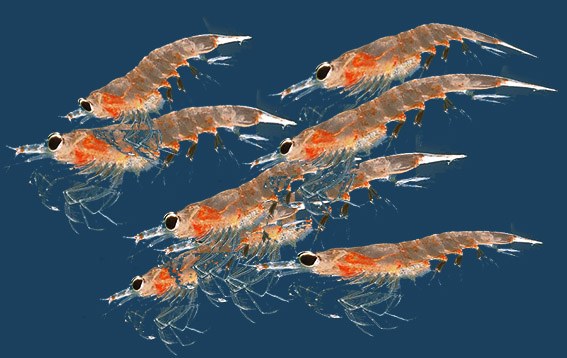
this crustacean is common food for whales and fish in polar waters

a)

amphipods

b)

copepods

c)

krill

d)

barnacles

29.

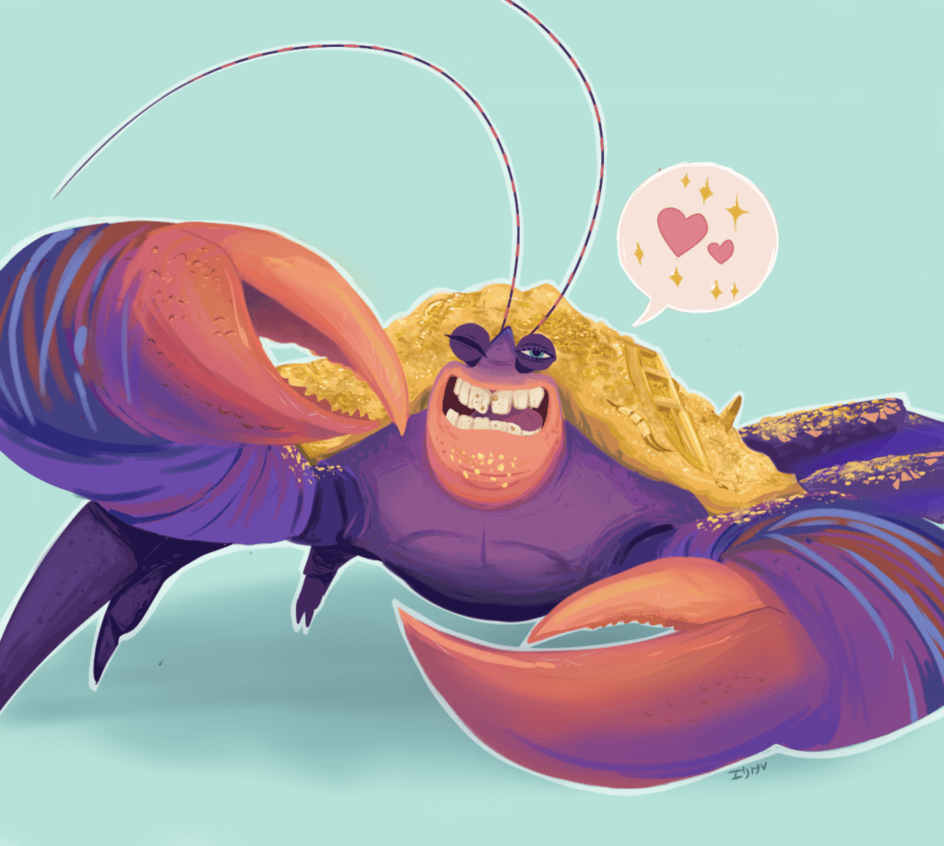
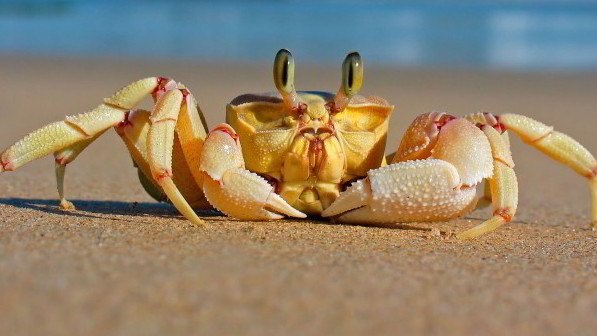
which of the following is NOT a decapod?

a)

shrimp

b)

sea spider

c)

lobster

d)

crab

30.

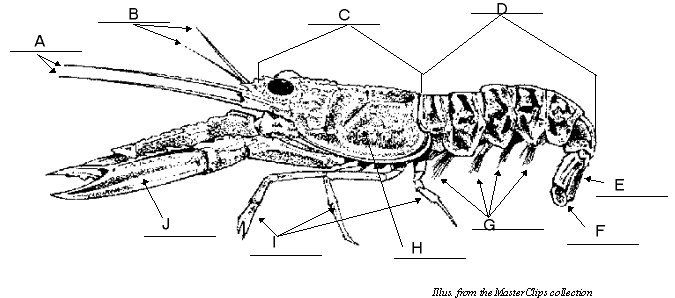
Letter C is identifying what part of a crayfish?

a)

abdomen

b)

cephalothorax

c)

cheliped

d)

telson

31.

Letter D is identifying what part of a crayfish?

a)

abdomen

b)

cephalothorax

c)

cheliped

d)

telson

32.

decapods have ______ legs.

a)

8

b)

10

c)

12

d)

20

33.

Arthropods is a group of animals with....

a)

Bent legs

b)

Jointed legs/ foot

c)

Jointed skeletons

d)

Gills

34.

Which of the following is an Arthropod?

a)

Shark

b)

Turtle

c)

Crab

d)

Snake

35.

Which of the following is NOT an Arthropod?

a)

Honey bee

b)

Millipede

c)

Horseshoe crab

d)

Eagle

36.

Arthropods are cold blooded

a)

True

b)

False

37.

What specific characteristics do Arthropods have? (More than 1 answer)

a)

Symmetrical body

b)

Jointed legs

c)

Gills

d)

Exoskeleton

e)

Sharp teeth

38.

Dragonflies, stink bug, and lady bugs are _________________

a)

Millipedes

b)

Centipedes

c)

Crustaceans

d)

Insects

e)

Arachnids

39.

What kind of animal is this?

It has 3 main body parts, a pair of antennae, has wings, has 6 legs.

a)

Millipede

b)

Centipede

c)

Crustacean

d)

Arachnid

e)

Insect

40.

These animals belong to a group called _________

a)

Millipedes

b)

Centipedes

c)

Crustaceans

d)

Arachnids

e)

Insects

41.

Choose the arthropod

a)
b)
42.

Choose the arthropod

a)
b)
43.

Choose the arthropod

a)
b)
44.

Choose the arthropod

a)
b)
45.

Choose the arthropod

a)
b)
46.

Choose the arthropod

a)
b)
47.

Arachnids have what distinct feature?

a)

8 legs

b)

6 legs

c)

Mandibles

d)

Wings

48.
Which three parts of the body has an insect?
a)
Tencacles, head, legs
b)
head, abdomen, legs
c)
Head, thorax, abdomen 
d)
Hair, bones, foot 
49.
Which groups of invertebrates exist? 
a)
Arthropods, molluscs and worms
b)
Arachnics, worms, molluscs and echinoderms 
c)
Sponges, insects, worms, molluscs and arthropods
d)
Arthropods, sponges, jellyfish, echinoderms, worms and molluscs
50.
It has 8 legs so it is an...
a)
Tentacles
b)
Insect
c)
Arachnid 
d)
Crab
51.
Where does digestion begin?
a)
in the stomach
b)
in the mouth
c)
in the esophagus
d)
in the small intestine
52.
What breaks food into smaller pieces?
a)
mouth
b)
tongue
c)
teeth
d)
large intestine
53.
What is the muscular tube that pushes food from the mouth the to stomach?
a)
tongue
b)
esophagus
c)
small intestine
d)
large intestine
54.
The ______________ is where food is mixed with juices and is squeezed and churned until it becomes a thick liquid. 
a)
esophagus
b)
stomach
c)
small intestine
d)
large intestine
55.
A hollow tube where nutrients are absorbed into the bloodstream is called the ___________. 
a)
esophagus
b)
stomach
c)
small intestine
d)
large intestine
56.

What do we take in when we inhale?

a)

carbon dioxide

b)

oxygen

c)

lungs

57.
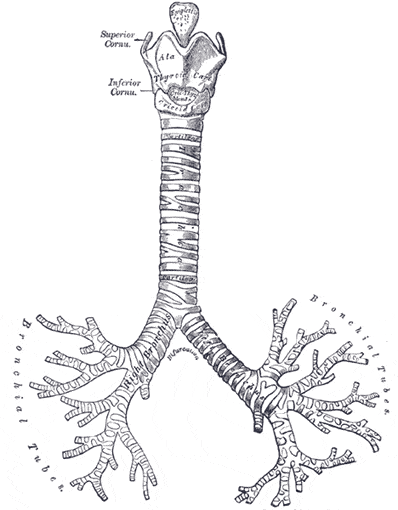
The two main branches from the trachea (one to each lung)
a)
bronchi
b)
alveoli
c)
capillaries
d)
bronchioles
58.

NUMBER 6:

a)

Lungs

b)

Trachea

c)

Mouth

d)

Alveoli

59.

When we breathe out , ................. leaves our body.

a)

oxygen

b)

carbon dioxide

60.

Inside the lungs there are lots of little sacks called.......

Here, oxygen passes into the blood and carbon dioxide leaves the blood.

a)

lungs

b)

alveoli

61.

Blood carries ____________ to the heart.

a)

vitamins

b)

germs

c)

oxygen

62.

Your heart pumps blood throughout your entire body through little tubes called _____________.

a)

veins

b)

arteries

c)

hoses

63.

Blood is carried back to your heart in little tubes called ____________.

a)

veins

b)

arteries

c)

hoses

64.

Your heart is about the size of your __________.

a)

mouth

b)

fist

c)

show