
Font size
 Worksheets
1st Year Revision
Total questions: 47
Worksheet time: 27mins


How did the plague impact Europe? (Choose all that apply)
Trade declined due to bankrupt businesses
30 - 60% of Europe's population died (1/3 to 2/3 of the population)
It contributed to the decline of feudalism
More cathedrals were built

Political system used during Middle Ages where land was exchanged for loyalty and service.
Fief
Kingdom
Feudalism
Monarch
Another name for a king or queen.
Prince
Princess
President
Monarch
A land owner in the Middle Ages who is in charge of the people on his land and the lesser lords he gave land to.
Lord
Squire
Page
Fief
A piece of land given from lord to a lesser lord.
Vassal
Royalty
Kingdom
Fief
A nobleman who was trained as a warrior and lived their live according to a code of chivalry
Samurai
Navy
Vassal
Knight
Young man from the age of 14-18 who was a servant to a knight and was also training to become a knight
Patron
Squire
Apprentice
Spartan
Lower class during the Middle Ages who worked on a manor in exchange for protection.
Knight
Noble
Lord
Peasant
A peasant who was bound to the land
Serf
Apprentice
Page
Squire
The village where nobles and peasants lived, also where all the economic activity took place during the Middle Ages.
Province
County
Manor
Vassal
Men who lived in a religious community who take vows of poverty, chastity, and obedience
Manor
Squire
Monk
Vassal
Place where monks live and study
Convent
Monastery
Castle
Manor
Title given to a young boy, ages 7-13, who was training to become a knight
Monk
Apprentice
Monarch
Page
Code of conduct which a knight swore to uphold
Ethics
Semper Fi
Chivalry
Tithe
Event where knights would ride towards each other with blunted lances (long poles) in attempt to knock each other off of their horse
Joust
Chivalry
Squire
Page
A tax of one-tenth of a person's produce or earnings given to the church
Fallow
Joust
Chivalry
Tithe
A piece of land which is not farmed for a year to restore the nutrients in the soil
Fief
Vassal
Fallow
Serf
A way to show levels of power
Chivalry
Manor
Hierarchy
Fiefdom
Because it was too dangerous to travel to trade, each manor had to be _________________________, or able to provide everything they needed.
nobility
self-sufficient
vegan
monastic
Which Church official was the highest authority in the Church?
Bishop
Archbishop
Pope
Abbott
Land ruled by the Pope was called...
The Church
The Papal State
The State of the Pope
Jerusalem


Which of these famous structures did Michelangelo paint?
the Louvre
the Coliseum
the Sistine Chapel
the Eiffel Tower
Which of these men of the Renaissance was known equally for his art as well as inventions?
Rueben
Leonardo da Vinci
Michelangelo
Aristotle
One of the most important ideas from the Renaissance that allowed ideas to spread more quickly.
Perspective
Greece and Rome
Building designer
Printing Press


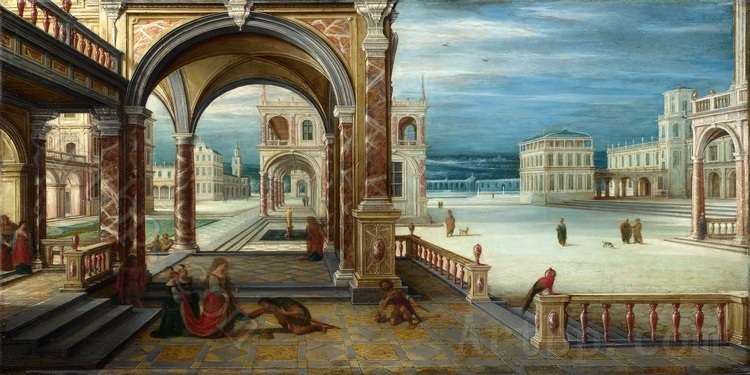
In what country did the Renaissance start?
Italy
Greece
France
Germany
Which is NOT a reason the Renaissance began in Italy?
Rich trading ports
They never had the Black Plague
Wealthy city states could support arts
Home to Rome, which everyone was trying to copy
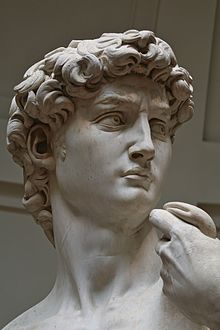
This work by Michelangelo is called what?
Michael
Noah
David
Vitruvius
Which date would be included in the Renaissance era?
1200
1400
1800
1900
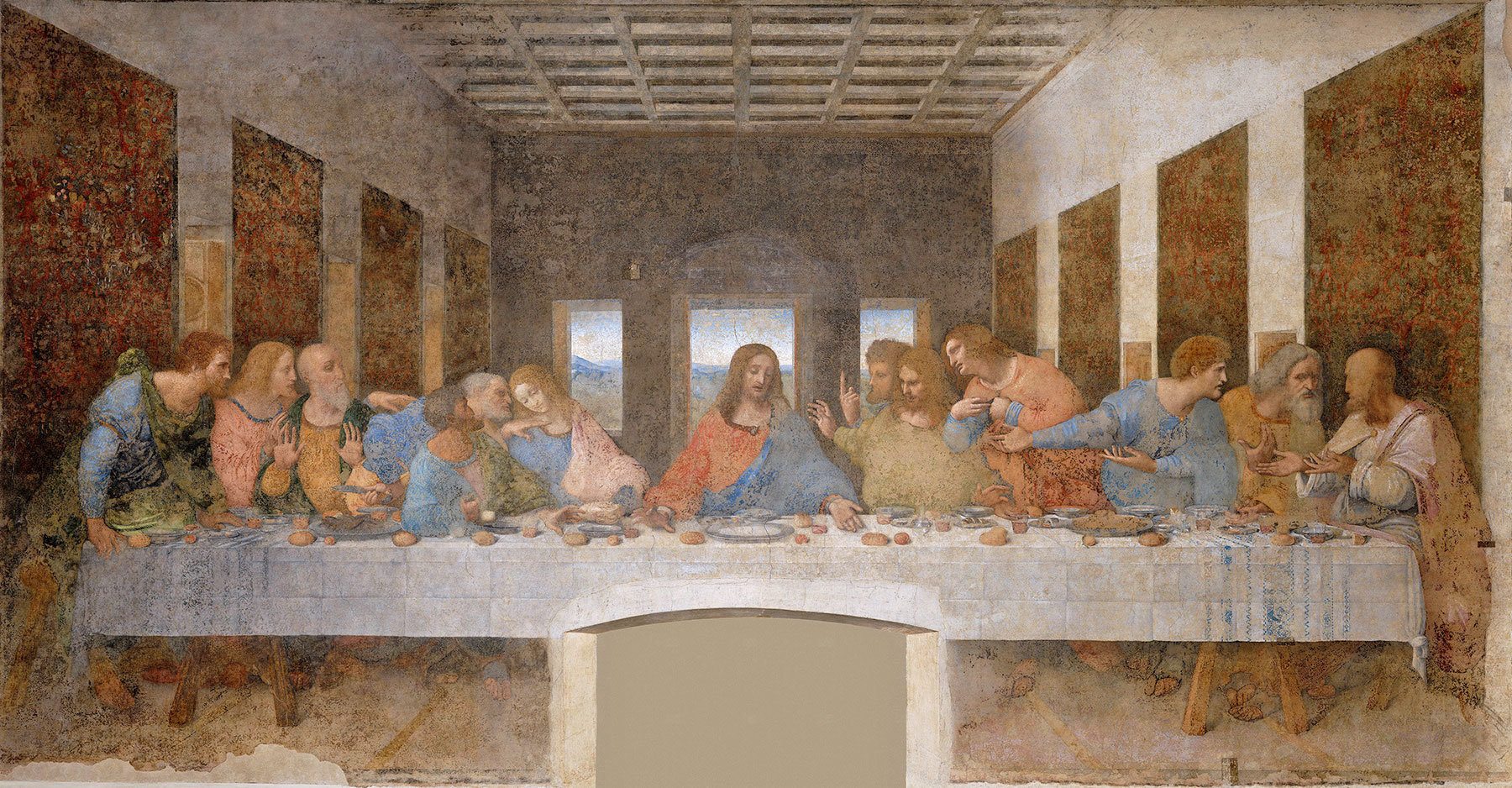
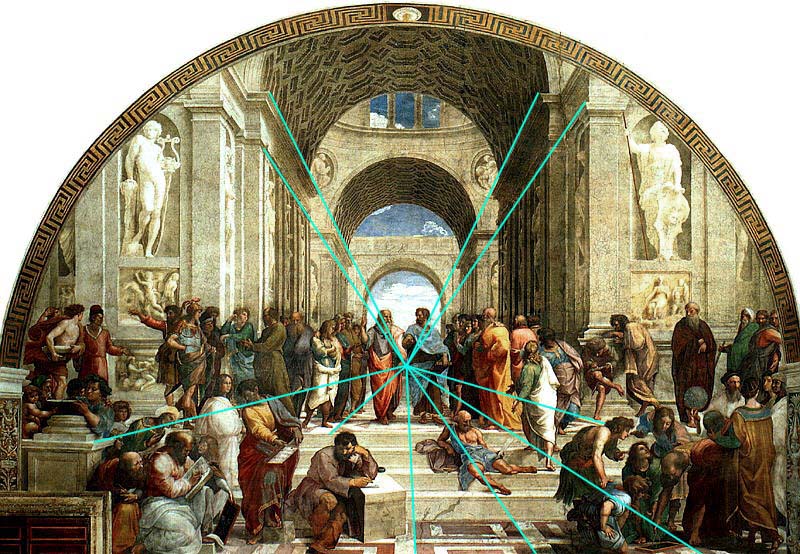
In this painting, the large area in the foreground (front) shrinks down to the smaller area in the back, giving it dimension. This is an example of....
Secularism
Perspective
Water color techniques
Pointilism

