wayground logo

Free Printable Worksheets

Font size

S
M
L
XL
Worksheets

3-5 STEM Assessment

Total questions: 74

Worksheet time: 54mins

Name
Class
Date
1.
What is the engineering design process used for
a)
To study something
b)
It's not used for anything
c)
To understand something
d)
To Create something or to Improve something.
2.
What is step 1 of the engineering design process?
a)
Ask
b)
Imagine
c)
Plan
d)
Create
3.
What is the step in the Design Process where you identify a problem or need that exists?
a)
Ask
b)
Imagine
c)
Plan
d)
Create
4.
What is step 2 of the engineering design process?
a)
Ask
b)
Imagine
c)
Plan
d)
Create
5.
What is step 3 of the engineering design process?
a)
Ask
b)
Imagine
c)
Plan
d)
Create
6.
What is step 4 of the engineering design process?
a)
Improve
b)
Imagine
c)
Plan
d)
Create
7.
What is step 5 of the engineering design process?
a)
Improve
b)
Imagine
c)
Plan
d)
Create
8.
Which step includes brainstorming?
a)
Improve
b)
Imagine
c)
Plan
d)
Create
9.
Which step includes testing your prototype?
a)
Improve
b)
Imagine
c)
Plan
d)
Create
10.
Which step would you Sketch and Draw out your idea
a)
Improve
b)
Imagine
c)
Plan
d)
Create
11.
Which step would include testing the object?
a)
Improve
b)
Imagine
c)
Plan
d)
Create
12.
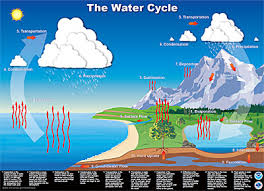
What is the water cycle
a)
the 3 forms of water
b)
the process from which rain occurs
c)
when water melts
d)
when clouds form
13.
What part of the water cycle does this picture show?
a)
condensation
b)
precipitation
c)
evaporation
d)
sublimation
14.
Which is the opposite of condensation?
a)
runoff
b)
evaporation
c)
precipitation
d)
transpiration
15.
During which stage do clouds form?
a)
condensation
b)
evaporation
c)
precipitation
16.

In the water cycle, rain, snow, or sleet falling to the ground is a form of ____?

a)

collection

b)

evaporation

c)

precipitation

d)

condensation

17.

Water is found in three forms, or states. What are the 3 states of water?

a)

solid, liquid, and gas

b)

rain, snow, and sleet

c)

lakes, oceans, and streams

d)

collection, evaporation, and condensation

18.

A cook heats water on the stove until it reaches the temperature at which it boils. The water changes from _______.

a)

a liquid into a gas

b)

a gas into a liquid

c)

a liquid into a solid

d)

a solid into a liquid

19.

The _______ is the movement of water into the air as water vapor and back to Earth's surface as precipitation.

a)

water vapor

b)

heat

c)

water cycle

20.

There are three stages of the water cycle in the picture. What's happening in letter A?

a)

condensation

b)

collection

c)

precipitation

d)

evaporation

21.

There are three stages of the water cycle in the picture. What's happening in letter B?

a)

precipitation

b)

condensation

c)

evaporation

d)

collection

22.

There are three stages of the water cycle in the picture. What's happening in letter C?

a)

collection

b)

evaporation

c)

condensation

d)

precipitation

23.

What do we call the gas form of water as it changes from liquid to gas during evaporation?

a)

water cycle

b)

ice

c)

water vapor

d)

infilitration

24.
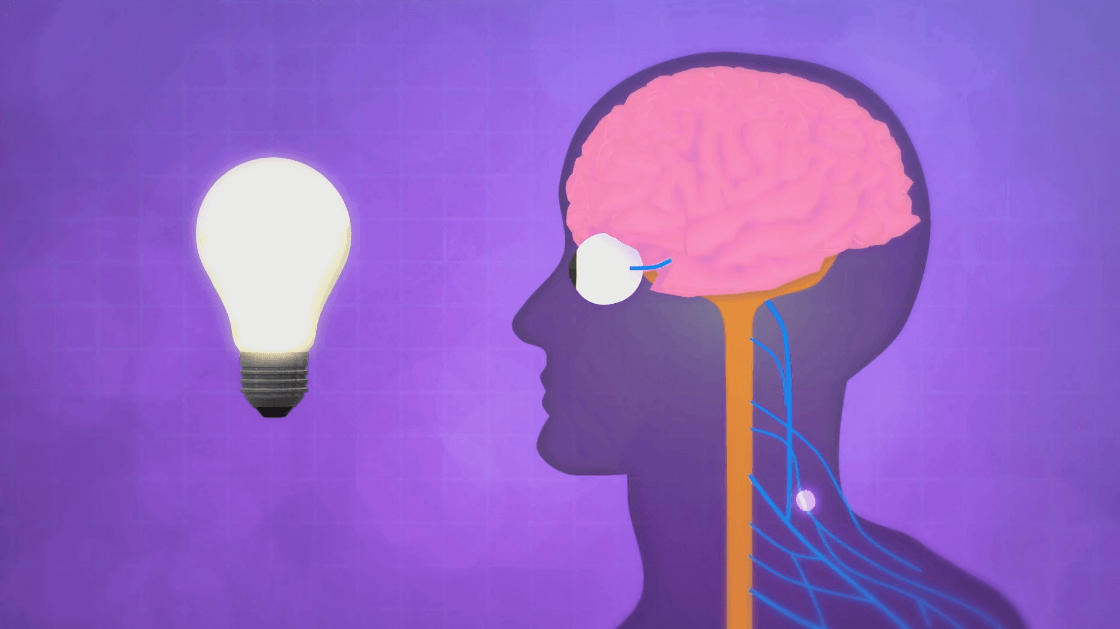
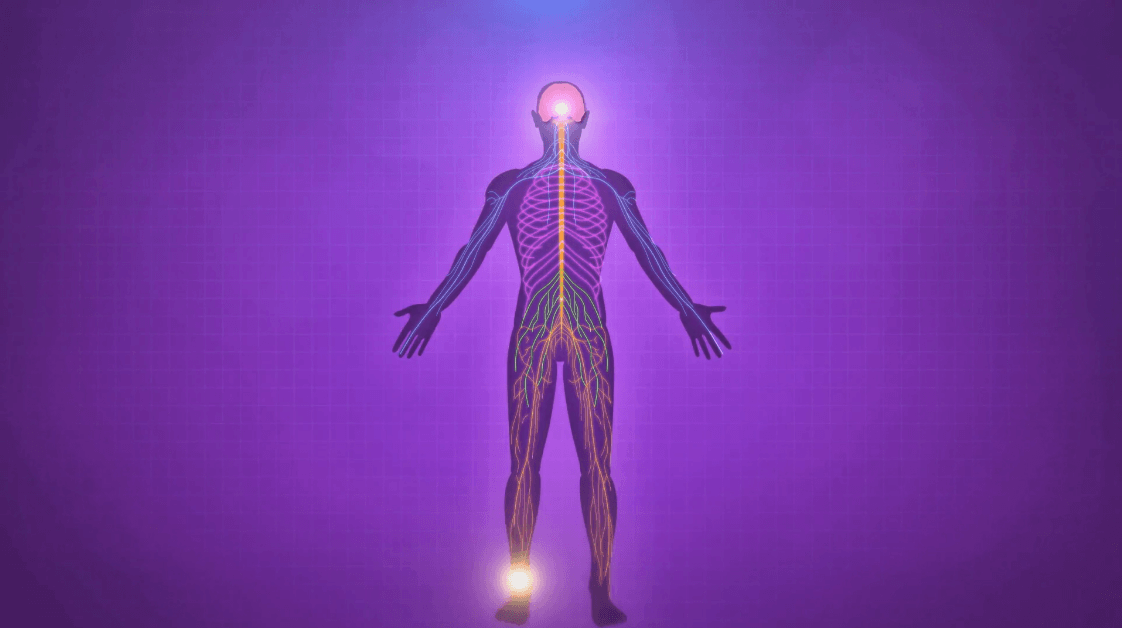
Which body system includes the brain and spinal cord?
a)
digestive system
b)
circulatory system
c)
muscular system
d)
nervous system
25.
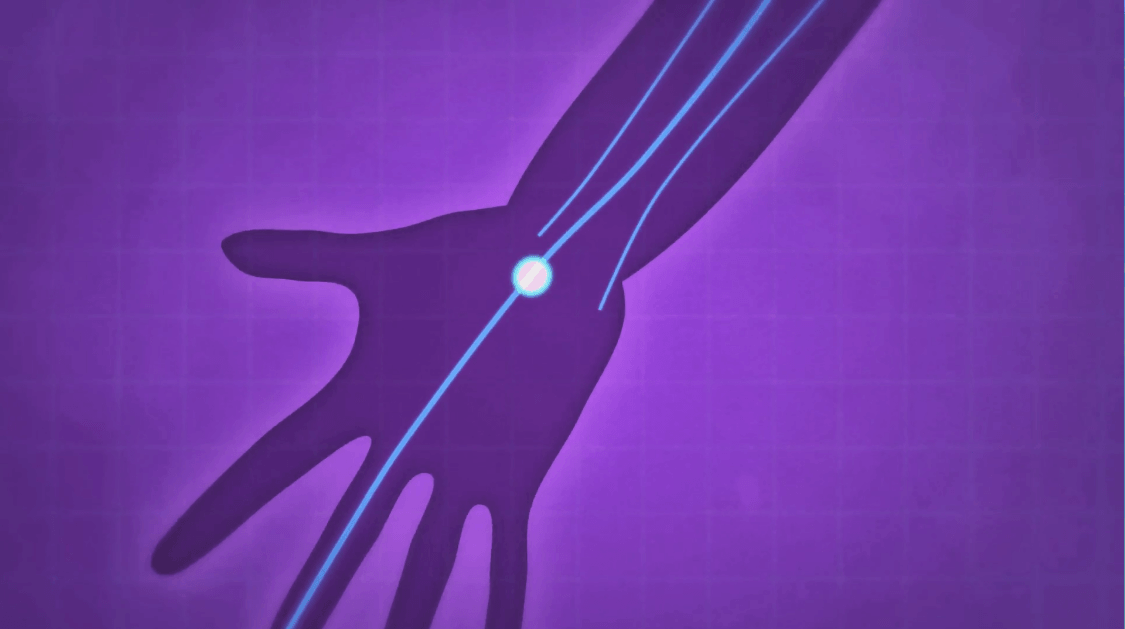
Which of these is a good comparison to nerves that carry electrical signals in the body?
a)
string
b)
wires
c)
ropes
d)
lasers
26.
What length of nerves does an average person have in their body?
a)
10 inches
b)
10 feet
c)
1 mile
d)
46 miles
27.
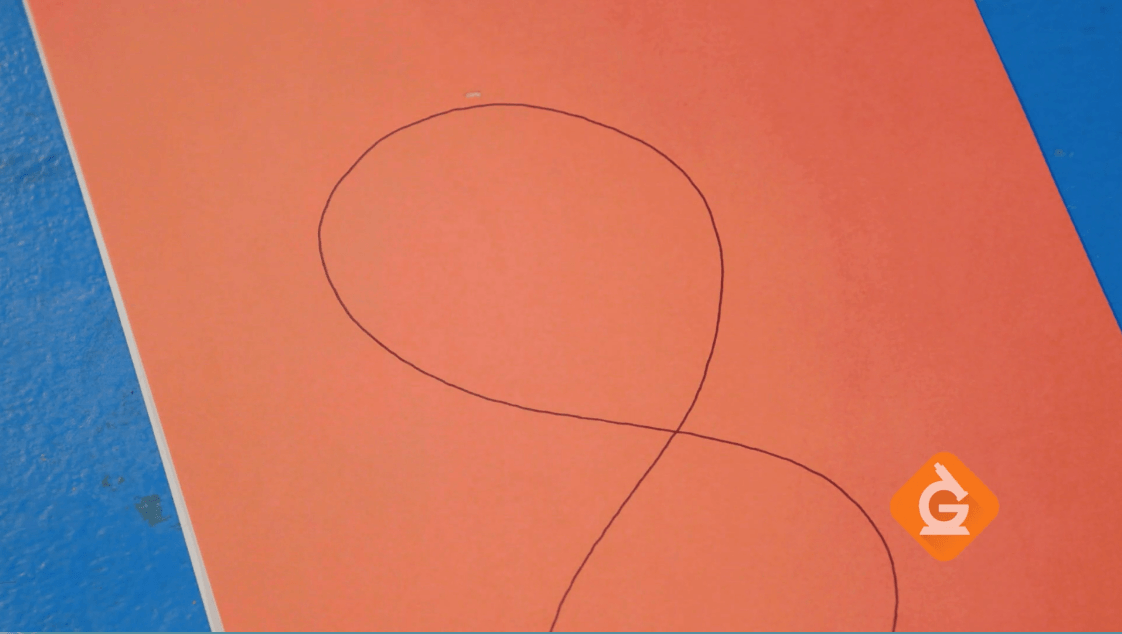
Which sense does Woody the termite use to follow the special pen line?
a)
taste
b)
smell
c)
sight
d)
touch
28.
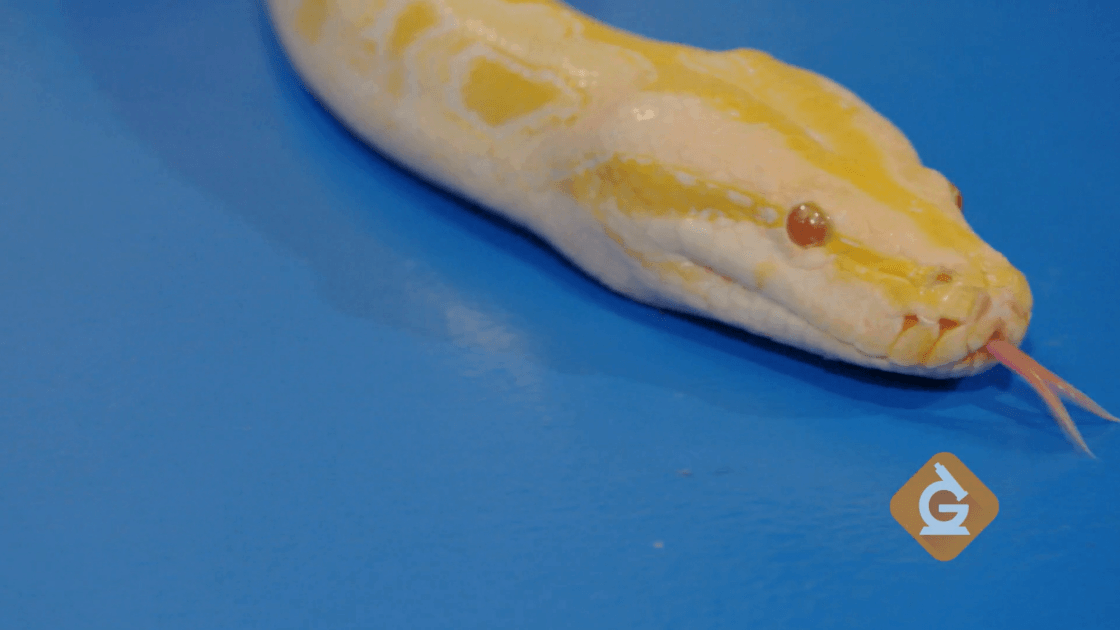
Which sense does a snake's tongue provide?
a)
hearing
b)
vision
c)
smell
d)
none of these
29.
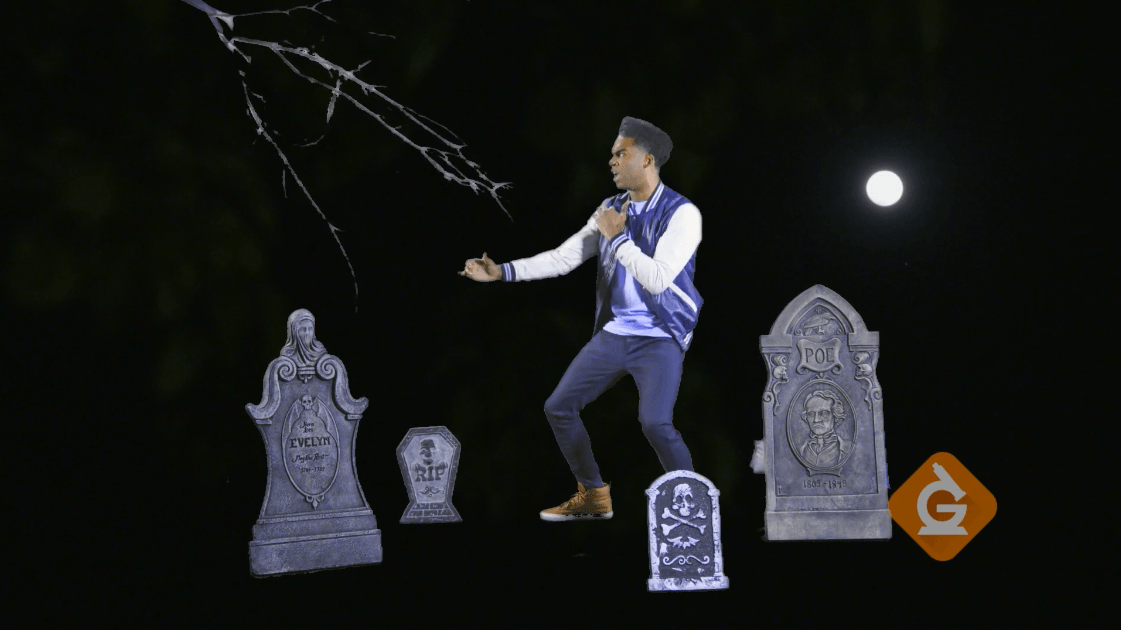
What is a natural fear response of the human body?
a)
sweating
b)
dancing
c)
whispering
d)
getting angry
30.
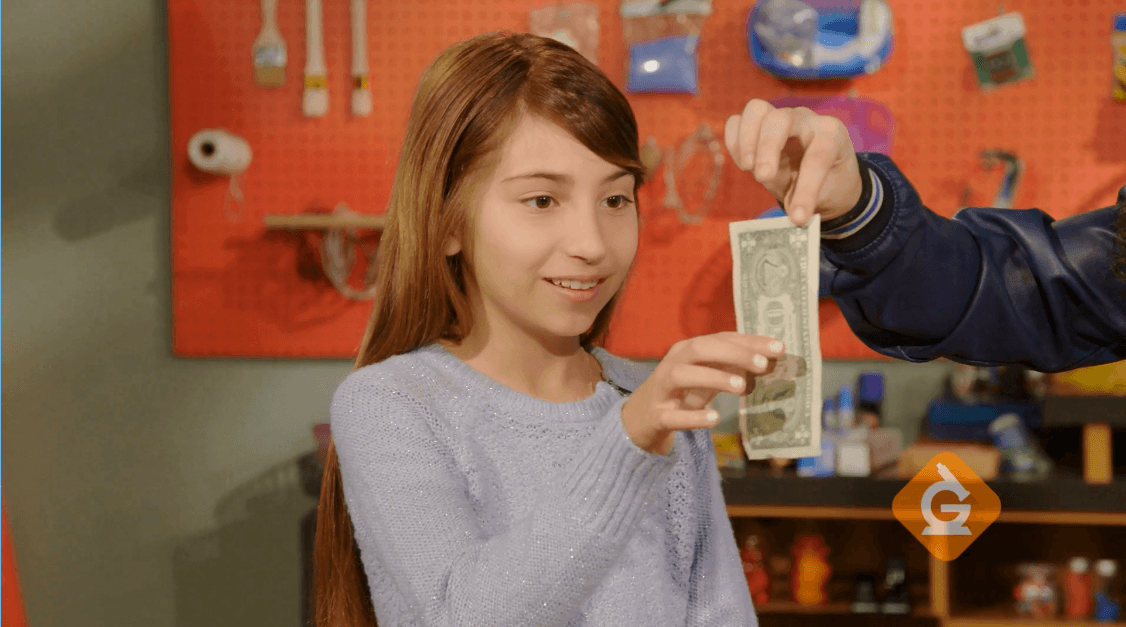
What do you call the time it takes to see something and take action?
a)
turnaround time
b)
brain time
c)
processing time
d)
reaction time
31.
How can you improve your reaction time?
a)
practice
b)
eating
c)
reading
d)
you can't
32.
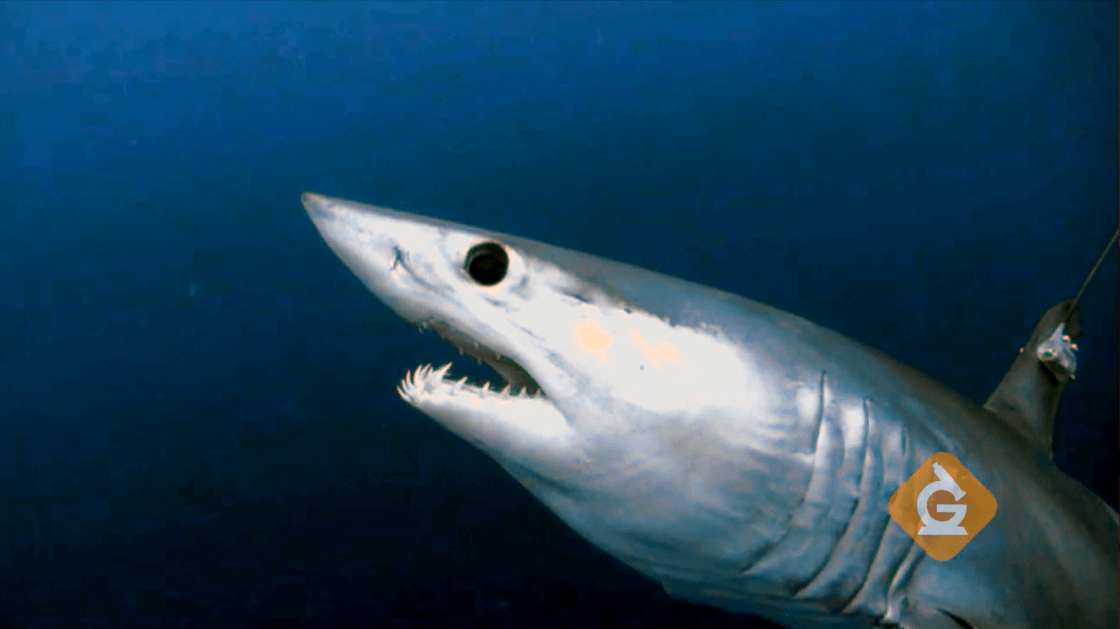
What special sense do sharks have?
a)
night vision
b)
magnetic skin
c)
electro-sensing receptors
d)
x-ray vision
33.
We performed experiments on hoop gliders to....
a)
Figure out how they worked
b)
Design a hoop glider
34.
The hoop giders we are designing are...
a)
Inventions
b)
Innovations
35.
The hoop gliders we are designing are...
a)
Technologies
b)
Not technologies because they are not sophisticated enought
36.
We Evaluate our Solution  (Step 5) in the Hoop Glider Project by...
a)
Drawing a picture of what our design will be
b)
Building the hoop glider that we are designing and then throwing it
c)
Performing experiments on hoop gliders to see how they work
d)
Testing our hoop glider AND seeing what works/doesn't work
37.
We Construct and Test a Prototype (Step 4) in the Hoop Glider Project by...
a)
Drawing a picture of what our design will be
b)
Building the hoop glider that we are designing and then throwing it
c)
Performing experiments on hoop gliders to see how they work
d)
Testing our hoop glider AND seeing what works/doesn't work
38.
The hoop gliders you designed are...
a)
Real gliders
b)
Prototypes of real gliders
39.

_________ means to use less of something?

a)

Reduce

b)

Recycle

40.

To _________ is to use something more than once.

a)

reduce

b)

reuse

41.

The students toss their papers in the _________ bin instead of the trash can.

a)

reducing

b)

recycling

42.

Mason sells his toy trucks at a yard sale. His toy trucks will be _________ by someone else.

a)

reused

b)

reduced

43.

Sofia shucks corn and composts the husks. She _________ the amount of food that ends up in the landfill.

a)

reduces

b)

reuses

44.

Mrs. Henry asked that no more paper catalogs be mailed to her. She _________ her amount of junk mail.

a)

reused

b)

reduced

45.

Ava brings her lunch to school in the same bag each day. She _________ her lunch bag.

a)

reuses

b)

recycles

46.

Mr. Tucker collects his used metal cans and plastic bottles. He drops them off at the _________ center once a month.

a)

reducing

b)

recycling

47.

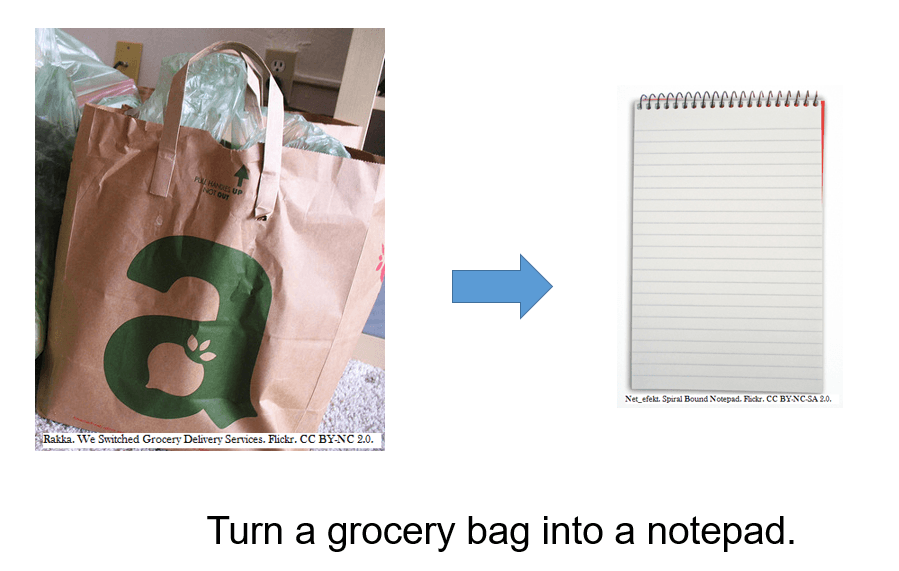
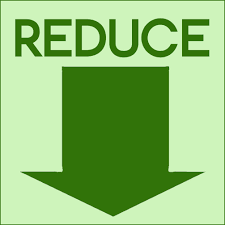
Turn a grocery bag into a notepad. Reduce, reuse, recycle, or trash?
a)
b)
c)
d)
48.

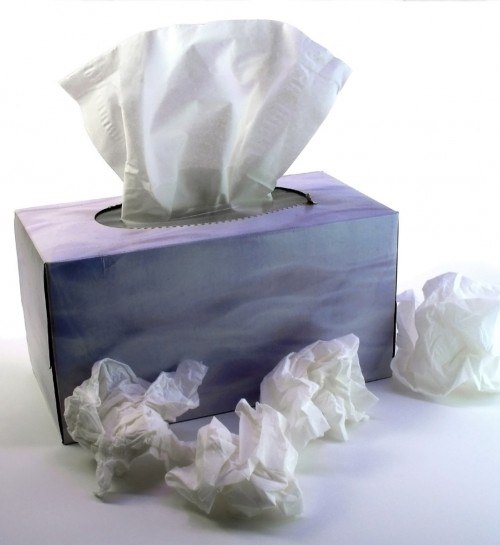
Used tissues. Reduce, reuse, recycle, or trash?
a)
b)
c)
d)
49.

In order to grow, plants do NOT need:

a)

Water

b)

Light & Air

c)

Nutrients

d)

Fire

50.

When a seed grows, it is called:

a)

Germination

b)

Germolene

c)

Geranium

d)

Geriatric

51.

Photosynthesis produces:

a)

Fresh air

b)

Carbon dioxide

c)

Food for the plant

d)

Fresh seeds

52.
A(n) ____________ is a special type of scientific investigation that is performed under controlled conditions.
a)
experiment
b)
lab
c)
inquiry
d)
hypothesis
53.
The more times that an experiment is repeated and the same results obtained, the more likely the results are _________. 
a)
better
b)
observed
c)
valid
d)
used
54.
Where can you perform a science experiment?
a)
oceans
b)
kitchens
c)
laboratories
d)
all of the above
55.
What tool do we use to measure length?
a)
graduated cylinder
b)
beaker
c)
ruler
d)
balance
56.

What can increase our confidence in a scientific claim?

a)

scientific evidence

b)

other people agreeing with you

c)

internet articles

d)

good reviews

57.

Which of these can be studied through science?

a)

unicorns

b)

mind-reading

c)

ghosts

d)

butterflies

58.

What is the most important thing in science?

a)

evidence

b)

discoveries

c)

experiments

d)

explosions

59.

Which of these is NOT a practice of science?

a)

asking questions

b)

analyzing data

c)

making claims without evidence

d)

carrying out investigations

60.

What must scientists always be willing to do?

a)

change their mind based on new evidence

b)

never change their mind

61.

Which of these fields of science doesn't use controlled experiments?

a)

astronomy

b)

chemistry

c)

physics

d)

biology

62.

In a controlled experiment, how many variables at one time can you change?

a)

1

b)

2

c)

3

d)

as many as you want

63.

Scientists study the natural world through observation and _______________.

a)

studying

b)

experimentation

c)

reading

d)

listening

64.

Do scientific facts ever change?

a)

yes, when there is new evidence

b)

no, they never change

65.

Wear safety goggles at all times.

a)

Safe

b)

not safe

66.

Wear gloves when handling hot objects

a)

not safe

b)

Safe

67.

What is something else you wear that helps protect your body? Look at the picture.

a)

hat

b)

gloves

c)

shoes

68.

What is the scientist doing wrong?

a)

drinking juice

b)

eating a sandwich

c)

running

69.

What is she doing wrong?

a)

eating in lab

b)

not cleaning up

c)

not listening to the teacher

d)

not wear goggles

70.

Which of the following would be safe to do during a lab activity?

a)

Running in the classroom

b)

Leaving a water spill on the floor

c)

Touching hot surfaces

d)

Following lab rules

71.

Before leaving the lab you should always wash or sanitize your hands

a)

True

b)

False

72.
An ecosystem is made up of _______ and ________ things.
a)
Living and nonliving
b)
Alive and dead
c)
Plants and animals
d)
Land and water
73.

True or false: Only living things interact in an ecosystem?

a)

True

b)

False

74.

Why is the rainforest important?

a)

It is pretty

b)

It makes all of our oxygen

c)

It makes 40% of our oxygen

d)

It makes 6% of our oxygen