
 Worksheets
G7 - Chapter 12 Final Revision Practice
Total questions: 215
Worksheet time: 3hrs 26mins


What layer of the atmosphere is closest to outer space?
mesosphere
exosphere
troposphere
stratosphere
What would happen to Earth's temperatures if there were not atmosphere.
Nothing it would just stay the same
At night it would be fridged and in the day it would be scorching
At night it would be hot and in the day it would be cold
It would be cold both day and night.
Device used to measure the atmospheric pressure
Barometer
Thermometer
Anemometer
Altimeter

For the Earth's atmosphere, section number two in the pie graph BEST represents the percentage of
argon
carbon dioxide
oxygen
nitrogen
This gas is found in the stratosphere where it helps protect us from UV radiation.
ozone
oxygen
nitrogen
carbon dioxide
The Earth's atmosphere is divided into five layers. In which layer does all life exist?
exosphere
mesosphere
stratosphere
troposphere

The circle graph represents the gases in our atmosphere. What gas is represented by the green section in the circle?
ozone
hydrogen
nitrogen
carbon monoxide

Almost 99% of Earth's atmosphere is made up of two gases. What are the two gases and the percents of each?
21% oxygen and 78% nitrogen
21% water vapor and 78% oxygen
21% nitrogen and 78% oxygen
21% carbon dioxide and 78% oxygen

Which layer of Earth's atmosphere contains the ozone layer, an important layer that helps protect life on Earth from UV radiation
exosphere
mesosphere
stratosphere
troposphere

In this layer of Earth's atmosphere, hydrogen and helium are the primary gases and are only present at extremely low densities. What is this layer of the atmosphere called?
exosphere
ionosphere
mesosphere
thermosphere
What gas makes up 21% of Earth's Atmosphere?
Nitrogen
Oxygen
Ozone
None of the Above
The layer where most meteorites vaporize?
Stratosphere
Thermosphere
Troposphere
Mesosphere
The most abundant gas in Earth's atmosphere is what?
Oxygen
Nitrogen
Troposphere
Helium
The Northen Lights that we see come from which layer?
Troposphere
Exosphere
Thermosphere
Mesosphere
Temperature DECREASES as you INCREASE with altitude in the stratosphere?
True
False
Weather occurs in the thermosphere?
True
False
What is the hottest layer of the atmosphere?
Troposphere
Mesosphere
Exosphere
Thermosphere
Where do satellites orbit?
Thermosphere
Stratosphere
Exosphere
Mesosphere
What happens to air pressure the higher up in space you go?
air pressure stays constant
air pressure increases
air pressure deceases
there is no air pressure
What helps to make the thermosphere the warmest layer in the atmosphere?
Clouds
Meteors
UV Rays
Ozone
The exosphere is the coldest layer?
True
False
What is the correct order of layers for the atmosphere?
Thermosphere
Stratosphere
Mesosphere
Troposphere
Exosphere
Thermosphere
Exosphere
Troposphere
Mesosphere
Stratosphere
Troposphere
Stratosphere
Mesosphere
Thermosphere
Exosphere
Troposphere
Stratosphere
Exosphere
Thermosphere
Mesosphere
The layer where tornadoes and hurricanes occur.
Stratosphere
Troposphere
Mesosphere
Exosphere
Due to lack of trubulence in this layer this is where planes like to fly.
Troposphere
Mesosphere
Stratosphere
Exosphere
As altitude increases (you climb a mountain) what happens to temperature?
temperature gets hotter
temperature gets colder
What is weather?
Weather is what the air outside is like.
Weather is crazy!
Weather is sunny.
Weather is always the same.
__________ is water that falls from the sky.
evaporation
precipitation

What is this tool used to measure temperature called?
thermometer
rain gauge
precipitation
Which type of cloud can be described as low, gray, layers?
cirrus
cumulus
stratus
nimbus
What type of cloud can be described as large, puffy, white?
nimbus
cirrus
stratus
cumulus
Which instrument measures change in temperature?


Which instrument measure wind speed?


What instrument measure air pressure?


In a high pressure systems
there are few clouds because the air in moving downward
there are many clouds because the air is very humid
there are few clouds because the air is moving outward
there are many clouds because the air is moving upward

A front is
where warm air is cooling at earth's surface
a boundary where hot and cold air are separating
a boundary where two different air masses meet
where cold air is rising and forming rain clouds
What is an air mass?
a place where weather always changes in an extreme way
a large body of air with the same temperature and moisture
any cloud that produces rain, sleet, snow or hail
any kind of air, as long as it is always wet and freezing

What is the purpose of a barometer?
Tells you that it is going to rain.
Measures the amount of wind.
Measusres the amount of clouds in the sky.
It measure the amount of pressure in the air.


What would you expect from a Continental Polar air mass?
moist, warm air
dry, cold air
dry, warm air


These are the highest clouds in the sky. They look white, thin and wispy. They usually mean good weather.
Cumulus
Cirrus
Stratus
Clouds are made up of tiny drops of ____________ or ice. The moisture in the cloud affects the weather.
dust
water
oxygen
cotton

These clouds are low in the sky and look soft and fluffy. They mean fair weather.
Cirrus
Cumulus
Stratus

Low clouds (like fog), that are thick, cover the sky, and block the sun. Usually bring rain or snow.
Stratus
Cumulus
Cirrus

What type of cloud is shown?
Cumulus
Cirrus
Stratus

What type of cloud is shown?
Cumulus
Cirrus
Stratus

What type of cloud is shown?
Cumulus
Cirrus
Stratus

Clouds form during the process of...
evaporation
condensation
precipitation
runoff
What is a tornado?
a violently rotating column of air
a rotating tropical storm
a winter storm characterized by high winds and snow
a storm that occurs in cumulonimbus clouds
When do tornadoes form?
when warm, humid air collides with cold, dry air
when cold, humid air collides with warm, dry air
when cold air rises through warm air
when the air cools rapidly and forms storm clouds

Which storm causes more overall damage?
Tornado
Hurricane
Hurricanes and tornadoes both occur in a...
Low Pressure System
High Pressure System
What is a storm surge?
When sea levels rise and cause flooding
When sea levels fall and cause draining
When sea levels stay the same
There is no such thing as storm surge
Which of the images shows a storm surge?


Which image shows the damage from a hurricane?


Which of the following DOES NOT cause water damage?
Tsunami
Flood
Hurricane
Tornado

What natural disaster most likely caused this damage?
Volcanic Eruption
Tsunami
Tornado
Mudslide
A ________________ is an intense storm with strong winds, heavy rain, lightning, and thunder.
tornado
hurricane
thunderstorm

Electricity may flow within the cloud also flow between the cloud and the ground. These electrical currents are _________________.
thunder
particles
lightning
When lightning moves through the air, the air gets very hot. The hot air expands rapidly. As it expands, it makes the air vibrate. These vibrations release energy in the form of sound waves called ______________.
thunder
particles
lightning
A _________ can from when a rapidly spinning column of low pressure air, called a funnel cloud touches the ground.
thunderstorm
hurricane
tornado
A tornado begins as a ___________ cloud that pokes through the bottom of a cumulonimbus cloud.
cirrus
cumulus
funnel
stratus
A _____________ is a large, rotating low-pressure system that forms over the warm waters of oceans near the equator.
tornado
hurricane
thunderstorm
flooding
Lightning heats the air so much that the air expands. The sound created by the sudden expansion and contraction is called _______________________.
expansion
thunder
radar
lightning
Most hurricanes
cannot be seen from space
cross exposed land
become dangerous category 5 storms
lose their power when they move into cooler waters or moves over land
Winds are generated when air flows from a high pressure area into a ____.
region of intense moisture
cold front
low pressure area
storm that is already in progress
Thunderstorms form along a cold front
True
False

Thunderstorm clouds are known as _____.
cirrus clouds
stratus clouds
cumulonimbus clouds
cumulus clouds
These storms produce the Earth's most powerful winds
thunderstorms
hurricanes
tornadoes
The calm area in the center of a hurricane is called the _____.
draft
funnel
eye
squall

The most dangerous aspect of a hurricane that comes ashore is the ________.
storm surge
eye wall
wind speed
rainfall
Hurricanes can produce tornadoes
True
False
Many people think that the winds are the most damaging part of a hurricane-most of the damage from hurricanes is actually caused by flooding from heavy rains and _________ _________, which is the rise in sea level that happens during a storm.
water evaporating
storm surge
wind speed
strong winds
Thunderstorms, hurricanes, and tornadoes form at __________ pressure systems, where you have warm (typically moist/humid) air quickly rising.
low
high

A funnel cloud and a tornado are the same.
True
False
Theses storms are the largest and most powerful storms on the planet.
Thunderstorms
Hurricanes
Tornadoes


Which one is not a severe weather?
Blizzard
Thunderstorm
Sunny
Hurricane

How do you define severe weather?
a series of waves in a water body caused by the displacement of a large volume of water, generally in an ocean
a prolonged period of abnormally low rainfall, leading to a shortage of water
dangerous weather conditions that can cause damage and/or a loss of human life
very high temperatures that lead to a drought

How are raindrops formed?
water vapor is cooled and evaporates
cool air warms and evaporates
condensation causes water vapor to evaporate
condensation causes water vapor to clump together

When frozen raindrops bump into each other in a cloud an electric charge is created causing..
Thunder
Lightning
Tornadoes
Hurricanes

The sound created by the rapid expansion of air due to lightning is called..
Thunder
Airplanes
Raindrops forming
a storm surge happening

Lightning heats up air
True
False
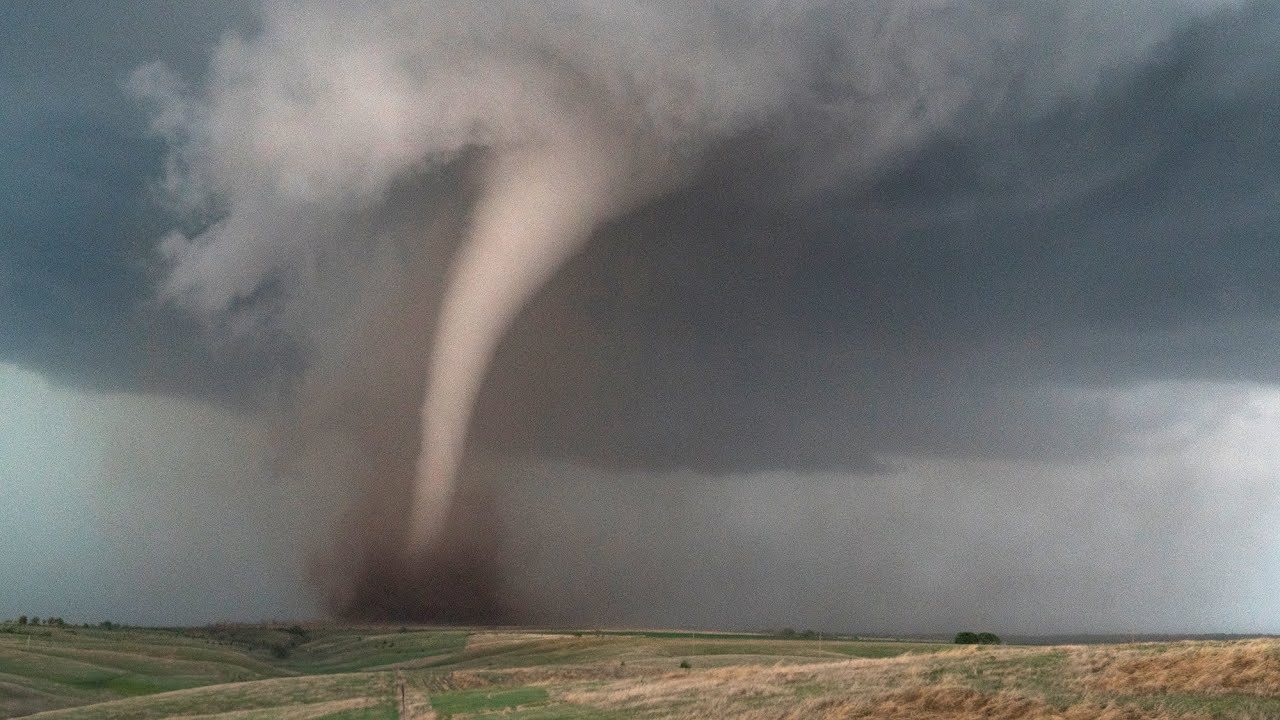
How does the Enhanced Fujita Scale Rate tornadoes
ef1-ef4
ef0-ef5
ef1-ef6
ef0-ef10

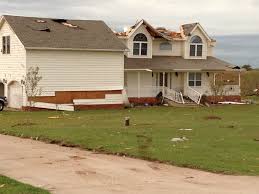
What rating is this damage?
EF 4
EF3
EF2
EF5
EF0
What type of tornado is this
(a)
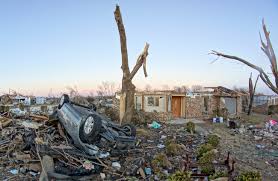
What type of tornado is this
EF3
EF4
EF5
EF2
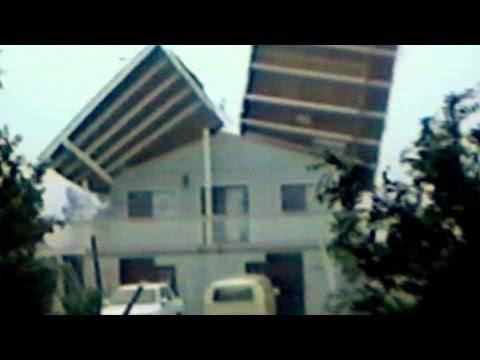
What type of tornado does only this
EF1
EF 2
EF4
EF0
What type of tornado is this.
EF0
EF1
EF3
EF2
A funnel-shaped cloud associated with rotation and consisting of condensed water droplets
Debris cloud
Tornado
Mesocyclone
Condensation funnel
What is the highest category for hurricane scale?
category 2
category 3
category 4
category 5
What temperature of the ocean does a hurricane need to be form?
Warm
Cold
Where are hurricanes more common
Paicfic Ocean
Adams Ocean
Pacific Ocean
Atlantic Ocean
How is a hurricane measured?
Saffir-Simpson scale
EF scale
Richter Scale
Pulse
A hurricane becomes more powerful by evaporating water from
lakes
mountains
oceans
rivers
The Sun is the source of _____________ that warms the tropical waters to fuel _______________ in the Atlantic ocean
heat, winds
wind, tsunamis
light, tornadoes
energy, hurricanes
Scientists say that conditions must be "just right" for a hurricane to start up. Which is the first step of "just right" in the development of a hurricane?
Cool ocean water replaces warmer surface water
Very warm ocean water evaporates into the atmosphere
Hot dry wind blows from land across the ocean surface
Humid ocean air cools and condenses to form precipitation

This rise in water level can cause extreme flooding in coastal areas. This disaster is known as a...
tsunami
hurricane
storm tide
storm surge
If a hurricane destroyed an entire U.S. city, what category would it most likely be?
Category 1 or 2
Category A or B
Category X or Y
Category 4 or 5
Which country would most likely be affected by a typhoon?
The United States
Japan
Spain
Brazil
How are hurricaned organised?
Categories
A powerful thunderstorm
Created by strong winds
Shaking of the earth caused by waves
When is the hurricane season?
June 1- November 30
May 15- November 30
None of the above
All of the above
Hurricanes are a very strong type of __________.
tornado
blizzard
tropical storm
tsunami
Select 2 other names for a hurricane.
typhoon
cyclone
blizzard
earthquake
The scale used to measure the size of hurricanes is called the __________.
Saffir-Simpson Scale
Cal-Ripkin Scale
Richter Scale
Bart-Simpson Scale
The most dangerous type of hurricane has a score of __________.
Category 1
Category 3
Category 5
Category 4
Hurricanes usually occur between the months of __________.
January and March
April and June
November and January
June and November
The center of the hurricane is called the __________.
bullseye
point
nose
eye
Inside the center of the hurricane the weather is __________.
windy
stormy
loud
calm
When a hurricane is in the weather forecast, you should listen to your family and ___________________.
evacuate
hide under a table
wear a bathing suit
run outside
Which of the following is not a natural disaster?
tornado
hurricane
tsunami
car accident
The number of feet the ocean rises above normal high tide during a hurricane.
hurricane
storm surge
tsunami
earthquake
The Saffir-Simpson scale includes storm surge, damage and ________.
wind direction
wind speed
hurricanes
earthquakes
A funnel-shaped storm, with winds up to 300 mph.
hurricane
tsunami
tornado
storm surge
What causes drought ?
lack of water
Flood
Fog
tsunami
Which of the following human activities can trigger drought?
Deforestation
Urbanisation
Over-fishing
How can dams cause drought?
By reducing rainfall levels
By reducing water levels downstream
By flooding land behind the dam wall
What natural factor causes drought in the Sahel?
Rain failure
Overcultivation
Overgrazing
What is the geographical term given to a long period of abnormally dry weather which has led to a severe water shortage?
Heatwave
Famine
Drought
What is a drought?
When there is less precipitation than normal for a certain amount of time, leading to a decrease in water supply.
When it does not snow for a long period of time and there is not enough snowflakes.
When it is too hot for a long period of time and there is too much sun.
When there are too many clouds in the sky.
What is NOT a way to participate in drought mitigation?
Pouring water down the drain
Taking short showers
Not letting the water run while you brush your teeth
Using extra water to water the plants
Which of these is NOT an example of extreme weather?
a sunny day
heat wave
floods
heavy wind
What is precipitation another name for?
Condensation of water vapour
Large clouds
Process that forms storms
The layer beneath the mantel
What is a drought?
When there is less precipitation than normal for a certain amount of time, leading to a decrease in water supply.
When it does not snow for a long period of time and there is not enough snowflakes.
When it is too hot for a long period of time and there is too much sun.
When there are too many clouds in the sky.
When a winter storm is in effect we should dress like


When a winter storm is in effect this might happen.
No running water pipes freeze
Houses fall apart
Lots of butterflies come out
Mom has to work

What happens to animals in the Winter?
They die
They stay the same
They hibernate
They leave to Mexico
Hurricanes usually form over _____________ water.
cold
warm
freezing
no
Rapidly rising air causes cumulus clouds to build upward into cumulonimbus clouds and form a....
winter storm
drought
thunderstorm
hurricane
What kind of weather makes a tornado?
windy
thunderstorms
rainy
blizzard
What scale is used for tornadoes?
Category Scale
EF Scale
Saffir-Simpson Scale
Metric Scale

What type of storm is indicated by picture?
thunderstorm
blizzard
hurricane
tornado

What type of storm is indicated by the picture?
thunderstorm
blizzard
hurricane
tornado

What type of storm is pictured?
thunderstorm
blizzard
hurricane
tornado
Thunderstorms can bring:
Heavy precipitation
Thunder and lightning
Strong winds
All of the above
You see lightning first, before you hear thunder...
Because lightning travels slower than the sound of thunder
Because lightning travels faster than the sound of thunder
Because of the Doppler effect
Because magic.
Hurricanes are large areas of...
High pressure
Low pressure
Dry, calm air
An air mass is
a large body of air with about the same temperature and humidity throughout
the amount of moisture in the air
a place where two different air masses meet
a cold air mass that bumps against a warm air mass
What is humidity?
cold air
hot air
the amount of moisture in the air
direction of a front
A cold front is,,,,,
a cold air mass that bumps against a warm air mass
a warm air mass meets a colder air mass and slowly rises over it.
What is a warm front?
a cold air mass bumps against a warm air mass
a warm air mass meets a colder air mass and slowly rises over it
two air masses meet and stop moving
warm air mass gets caught between 2 cold air masses
What kind of precipitation falls during a cold front?
thunderstorms or severe weather
precipitation lasting several days
strong wind and heavy precipitation
steady rain
What kind of precipitation falls during a warm front?
long lasting rain
thunderstorms and severe weather
heavy precipitation
steady rain

What kind of front is this?
warm
cold
occluded
stationary

This picture shows the air pressure in a location with heavy thunderstorms. At what time did the rain most likely stop?
9-10 AM
Noon-1 PM
6-7 PM
10-11 PM

What does this weather instrument measure?
Air pressure
Rainfall amount
Wind direction
Wind speed
What is the difference between weather and climate?
Weather is short-term and climate is long-term.
Weather is long-term and climate is short-term.

Winds occur because hot air rises and cool air sinks in a process called...
conduction
convection
radiation
magnetism

Winds that blow from 300 latitude to the equator are called...
westerlies
polar easterlies
trade winds
horse latitudes
In general, how does air move?
From areas of lower pressure to areas of higher pressure
From areas of higher pressure to areas of lower pressure
From areas of hot to cold
A big fan blows it around
What is the general pattern of winds at the equator?
Winds are generally strong because the equator is a region of mostly low air pressure
Winds are generally weak because the equator is a region of mostly low air pressure
Winds are generally strong because the equator is a region of mostly high air pressure
Winds are generally weak because the equator is a region of mostly high air pressure
Warm rising air causes___________ pressure, resulting in ___________.
high, rain
high, clear skies
low, rain
low, clear skies
Cool sinking air causes___________ pressure, resulting in ___________.
high, rain
high, clear skies
low, rain
low, clear skies
Winds always blow from areas of _________ pressure to areas of _________ pressure.
high, high
low, low
high, low
low, high
How do you Evaluate your learning about this chapter


What are the points you still need help to understand
ما النقاط التي لازلتي تحتاجين لمساعدة حتى تتمكنين من فهمها

