
 Worksheets
Science
Total questions: 220
Worksheet time: 37mins

What is Newton's first law of motion?
Every action has an equal opposite reaction
An object in motion stays in motion unless acted upon by an unbalanced force
The force acting on an object is equal to the mass of an object times its acceleration
Sandwich

What is the atomic number of oxygen?
5
Sandwich
8
17

What is the molecular structure of table salt?
Sandwich
Molecular who?
H2O
NaCl
Biology is the study of what?
Life
Sandwich
The human brain
Weather
Energy=____to the speed of light squared
Gravity
Mass
Sandwich
Lightning

What female Nobel Prize winner conducted research on radioactivity?
Sandwich
Tierra Guinn
Marie Curie
Isaac Newton

Who was Dimitri Ivanovich Mendeleev?
Periodic table inventor
Sandwich
A singer
An Astronomer
What is the formula for force?
Net force ÷ Mass
Sandwich
Mass × Acceleration
Mass × Velocity
What was the first animal sent into space?
Alfred the monkey
Laika the dog
Ursula the fish
Sandwich

A low voice has...
Short wavelengths
No wavelengths
Sandwich
Long wavelengths

How long does it take for light to get from the Sun to the Earth?
150 million years
10 seconds
8 minutes
Sandwich

What is the melting point of gallium?
Sandwich
85.5 Degrees F
577.3 Degrees F
100 Degrees C
What is an Herbivore?
Meat eater
Sandwich
Plant & Meat eater
Plant eater

A black hole is formed when...
After a supernova occurs
When a white dwarf turns into a black dwarf
When a black dwarf turns into a black dwarf
Sandwich
What happens when you put something in between two pieces of bread?
Isaac Newton
A supernova
The periotic table
Sandwich


Two wires carrying electricity can create a spark if they come too close together. This spark can start a fire. Wires carrying electricity are usually covered with plastic to keep them from starting a fire. Why does the plastic keep the electricity from starting a fire?
Plastic is a good insulator.
Plastic is softer than wire.
Plastic can melt when heated.
Plastic conducts electricity.
A teacher gives a student four clear sealed containers. Each container holds a different substance. The student records some observations about the substance in each container.
Container 1: The substance takes the shape of the container and is clear. Small particles float on top of the substance.
Container 2: The substance is hard and cube-shaped. The surface of the substance is shiny.
Container 3: The substance is not visible, and the container appears empty.
Container 4: The substance is cold and made of crystals.
Based on these observations, which container most likely holds only gas?
Container 1
Container 2
Container 3
Container 4
Which of these is the best conductor of electricity?
Glass rod
Cotton string
Plastic tubing
Copper penny
A teacher mixes a white powder into a beaker of water. The powder cannot be seen in the water. The teacher then heats the mixture until the water evaporates and the powder can be seen again. Which property of the powder is the teacher demonstrating?
Solubility
Density
Conductivity
Mass
A student measures the temperature of water being heated on a hot plate. The student observes that the temperature of the water is 53°C. How many more degrees Celsius must the temperature rise before it reaches the boiling temperature of water?
159°C
69°C
20°C
47°C
A student observed liquid wax dripping down the side of a burning candle. After putting out the candle's flame, the student left the room. Several hours later the student observed that there was no longer any liquid on the side of the candle. Which statement explains what most likely happened to the liquid wax?
The heat given off by the flame caused the candel wax to evaporate.
The liquid wax changed back into a solid as it cooled.
The liquid wax condensed and was absorbed by the candle.
None of the above
Some people add sugar to their hot tea. Which property of the sugar remains the same when the sugar is in the tea solution?
The taste of the sugar
The size of the sugar crystals
The color of the sugar
The texture of the sugar
Which of these is not soluble in water?
Oil
Salt
Honey
Sugar
Objects that blow into a swimming pool or that are dropped into the pool by swimmers need to be removed. These objects include foam cups, keys, and coins. Which of the following explains a useful method for removing some of these objects?
The keys and coins are less dense than water, so they can be easily picked up off the bottom of the pool by divers.
The foam cups have the same density as water, so they can be crumpled up for removal by the pool filter.
The foam cups are less dense than water, so they can be removed from the surface with a pool cleaning net.
The keys and coins have the same density as water, so they can be washed away when the pool is drained.
Cracks in the seafloor called hydro-thermal vents send streams of hot water into the ocean. The water from a vent is 387°C. How many degrees above the boiling point of water is this temperature?
175°C
287°C
387°C
487°C
A student adds 10 grams of four different powdered solids into four different beakers. The student then adds 100mL of water to each beaker, stirs the mixtures, and allows them to sit for half an hour before recording observations. Which question is the student most likely trying to answer with this investigation?
At what water temperature do the substances dissolve?
How much water is needed to cause a substance to change state?
What causes a substance to sink when put in water?
Which substances dissolve in water?
A teacher wears protective gloves to lift a metal pan filled with boiling water from a hot plate. Why are the protective gloves necessary?
The metal pan creates thermal energy.
The metal pan insulates thermal energy.
The metal pan conducts thermal energy.
The metal pan reduces thermal energy.
A student fills two identical beakers with the same volume of water. The student places on beaker in the freezer and the other beaker on a hot plate. After 5 minutes the student observes that the temperature of the water in the freezer is 19°C and the temperature of the water on the hot plate is 42°C. Which statement best describes the relationship between the two beakers of water and the freezing and boiling point of water?
The temperature of the water on the hot plate must increase 58°C before it boils, and the temperature of the water in the freezer must decrease 32°C before it freezes.
The temperature of the water on the hot plate is closer to the boiling point than the temperature of the water in the freezer is to the freezing point.
The temperature of the water in the freezer must decrease by 19°C before it freezes, and the temperature of the water on the hot plate must increase 170°C before it boils.
The temperature of the water in the freezer is closer to the freezing point than the temperature of the water on the hot plate is to the boiling point.
A student combined powdered paint with water to make a small amount of a blue liquid paint mixture. The student left the paint mixture in a open container. Several days later the student found the container and observed that changes had occurred. What most likely happened to the mixture?
The container was empty after the mixture evaporated into the air.
The paint evaporated, leaving only clear water in the container.
The water evaporated, leaving only a dry blue solid in the container.
The liquid paint mixture was lighter in color after some water evaporated.
Some students put two ice cubes on separate plates. One ice cube had a mass of 80 grams. The other had a mass of 40 grams. Which result would be the same for both ice cubes in this investigation?
The time it took each ice cube to melt completely.
The temperature at which each ice cube melted.
The amount of liquid produced on each plate.
The total volume of each ice cube.
A student made a mixture using equal amounts of salt and pepper. The salt grains were the same size as the pepper grains. What should each student do to most easily separate the pepper from the salt?
Use a pair of tweezers to remove each grain of pepper.
Run a small magnet through the mixture to attract the pepper.
Put the mixture in water and filter the pepper out of the water.
Use a strainer with a fine wire screen to remove the pepper.
When a powdered drink mix was added to water, the liquid turned orange. A student decided the taste was too strong, so he poured out half of the liquid and added more water. Which of the following most likely occurred when more water was added?
The physical state changed.
The orange color became lighter
The liquid had a sweeter taste.
None of the above
A student uses a set of headphones to listen to music. Which type of these objects uses the same source of energy as the headphones?
A flute using wind energy
A piano using mechanical energy
A keyboard using electrical energy
A teapot using thermal energy
When a bat searches for prey at night, it makes sounds as it flies, and it uses the sounds' echoes to find its prey. When the bat flies and listens to echoes to locate prey, it is using -
thermal energy and light energy
sound energy and thermal energy
mechanical energy and sound energy
light energy and mechanical energy
Which of these best demonstrates the reflection of light?
Looking through the glass of a large window.
Looking at an image formed on a silver spoon.
Looking at a lightbulb that is glowing.
Looking at a star on a clear night.


What are plants and animals made of?
Stuff
Cells
Water
Mitochondria
What is a cell?
The biggest unit of living things
An organ
The smallest unit of living things
An small thing
What is an unicellular organism?
Something
A living thing
A one celled organism
Multi celled organism
What is a Multicellular organism (Two choices)
A living thing
You and Me!
An organism with multiple cells
Not humans
How many Unicelled organisms are in the world (Estimated)
100,000
1 Million
1 Billion
10 Million
What does the nucleus of a cell do?
Nuclear reactions
Nothing
Tells the cell what to do
Floats in cytoplasm
What is mitochondria
Something
The cells power plant
Something in a cell
A useless thing
Do animal cells have chloroplasts?
Yes
No
What do chloroplasts do?
Stay dormant
Converts the suns energy to make food for the plant
Does nothing
Controls the cell
What does a cell do?
Watch youtube
Eat
Carries out the basic processes of life
Duplicates
What is a cell membrane?
Skin
Something on a drum
A layer on the outside of a cell
Something
What type of cell has a cell wall?
Animal cells
Jail cells
Plant cells
Flower cells
Did you like this quiz?
Yes
No
Have you seen my other quizzes?
Yes
No
In order to use chemicals to regulate body systems this system is necessary.
circulatory
digestive
endocrine
muscular
These 2 systems work together to make the body move
skeletal and muscular
digestive and excretory
nervous and endocrine
circulatory and respiratory
this is the main organ of the nervous system
brain
heart
lungs
intestines
this system helps the body get rid of carbon dioxide and brings in oxygen.
circulatory
endocrine
respiratory
skeletal
this system stores minerals, makes blood cells, and supports the body.
skeletal
digestive
excretory
circulatory
the part of the plant cell that makes it's own food
cell membrane
nucleus
mitochondria
chloroplast
this part of the plant and animal cell turns food into energy
cytoplasm
nucleus
mitochondria
cell membrane
this part of the excretory system filters waste from the blood
kidneys
bladder
lungs
heart
This part of the cell keeps all the organelles inside the cell and allows things into and out of the cell.
cytoplasm
liver
cell membrane
nucleus
These are the structures of the circulatory system that bring blood to and from the heart.
arteries, capillaries and veins
capillaries, liver and stomach
veins, capillaries and kidneys
pancreas, arteries and lungs
What is the main function of the excretory system?
digest food that the cells can use
bring nutrients to the cells
remove waste from the body
bring impulses to the brain.
This brings impulses from the nerves to the brain.
from the gall bladder to the brain
from the cns to the pns
from the veins to the arteries
peripheral nervous system to the central nervous system
The food that is digested goes from the mouth to the stomach. What happens after that?
It goes to the liver, kidneys then the cells.
It goes from the stomach to the small intestines.
It goes from the stomach to the large intestines.
It goes to the cells.
What does the large intestines do?
It brings in bile to digest fat from the food.
It mechanically digests food.
It absorbs food for the cells.
Absorbs the water then makes the waste from the remaining food.
What is the correct order from smallest in hierarchy of living things?
cells-tissues-organs-organ systems-organisms
tissues-organs-cells-organisms-organ systems
cells-organs-tissues-organ systems-organisms
organs-organ systems-organisms-tissues-cells
this part of the cell regulates the activities of the cell's organelles.
cell membrane
cell wall
nucleus
mitochondria
this part of the digestive system absorbs food for the cells to use.
small intestines
mouth
large intestines
stomach
These are the smallest non-living things, they make up everything.
cell
atom
molecule
tissue
This is the largest organ in the human body.
heart
large intestines
skin
liver
These are part of the nervous system
heart, brain, skin
brain, spinal cord, nerves
nerves, liver and stomach
brain, stomach and nerves
Direct Evidence includes all but the following...
blood left at the scene
eye witness
victim's testimony
suspect's alibi

Identify the fingerprint pattern shown.
loop
arch
whorl

What pattern of fingerprint is shown?
Loop
Arch
Whorl
Forensic Science is
microscopes used for vapor
the applications of testing
applying principles of science to the law
the application of evidence to testing
DNA is
deoxygenated acid
deoxyribnucleic acid
deoxetrate acid
deoxyrib antacid
Identical twins have identical fingerprints.
True
False
Chromatography is
a laboratory test used to identify particular substances
a photographic process
a mapping technique
used to identify shoe size
A suspect is
a person claiming innocence
someone with beady eyes
someone who is thought to have possibly committed the crime
a person who has a solid alibi
A medical examiner determines the cause of death through autopsy.
True
False
Fingerprints can be lifted from carpeting.
True
False
Loops, whorls and arches are used to describe
hair evidence
DNA
fingerprints
handwriting evidence
All evidence gathered at a crime scene must be
labeled and documented
analyzed in a scientific manner
handled carefully so not to contaminate the specimen
all of the above
The first job of a police officer is to
take photographs
secure the area with crime scene tape
make sure the scene is safe
gather evidence
A person harmed, injured, or killed as a result of a crime
officer
victim
out of luck
suspect
What are fingerprints used for?
determine eye color
Identification
To help you fight crime.

What pattern of the fingerprint is shown?
arch
whorl
loop
none of these
Of the following, select all the things which can be probable evidence from the crime scene.
Tyre impressions
Soil from crime scene
Teeth impressions
Fiber particles

The adjoining figure depicts which analysis technique?
Gel electrophoresis
Polymerase chain reaction
Paper chromatography
Soil pH analysis using indicators

The adjoining figure shows apparatus set-up of which analysis technique?
Gel electrophoresis
Polymerase chain reaction
Paper chromatography
Soil analysis using pH indicators
Every force has __________________ .
direction
strength
push
direction AND strength
A constraint is _____________________ .
a goal
a test
a limit to the design
a solution
When forces are balanced, the net force is __________ .
zero
one
When ____________ forces act on an object, they make the object move.
unbalanced
balanced
The poles of a magnet are _________________ .
south and west
north and south
east and west
Opposite poles of magnets ________ each other.
repel
attract
push
An electromagnet uses electricity to produce a ________ force.
electric
magnetic
balanced
Ryan has 2 boxes. One weighs 5 pounds. The other weighs 50 pounds. If he pushes on the boxes with the same amount of force, what will happen?
The 5lb box will move more easily.
The 50lb box will move more easily.
The boxes will move at the same speed.
A stronger force will cause am object to move ________ .
faster
slower
When objects are in contact, they exert ________ on each other.
gravity
forces
balance


Extrusive
Another term for obsidian
Formed from organic processes
A permanent or deformation in a rock's form without fracture
When it grows on earth's crust
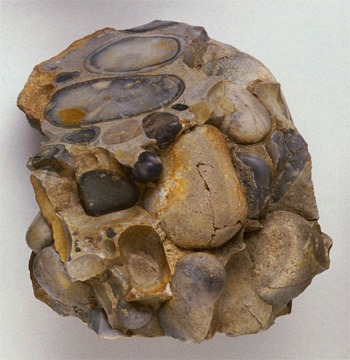
This rock was formed by smaller pieces of rock that settled at the bottom of a lake thousands of years ago. What type of rock is this?
Sedimentary
Igneous
Metamorphic

When you watch a volcano erupt molten rock, you are seeing _____
Lava
Magma
Mineral Crystals
Igneous Rocks

What is the relationship between a rock and a mineral?
Rocks are made up of minerals.
Minerals are made up of rocks.
Rocks are on the Earth's surface. Minerals are found underground.
Rocks and minerals are different names for the same thing.

The three groups of rocks are classified by
How they form
Color
Grain size
Chemical Composition

Extreme Heat and Pressure creates _________ rock.
Igneous
Metamorphic
Sedimentary
Mineral

What are the 3 types of sedimentary rock?
sedimentary, metamorphic, igneous
Clastic, Chemical, and Organic
Intrusive, extrusive, clastic
Schist, Slate, Gneiss

What process is used to form sedimentary rocks?
Lava cools and hardens to form a rock.
Weathering, Erosion, Deposition, Compaction, Cementation
Extreme heat and pressure from inside the Earth turn rocks into new rocks.
Magma trapped under the Earth's surface cools and solidifies.

What are the 3 major types of rocks?
Igneous, Metamorphic, Sedimentary
Metamorphic, Igneous, Cementation
Brown, Red, Gray
Streak, Hardness, Breakage

A metamorphic rock changes into an igneous rock by what two processes?
Melting and cooling
Extreme heat and pressure
Compaction and cementation
Weathering and erosion

Lava which cools on Earth's surface forms an
metamorphic rock
intrusive igneous rock
extrusive igneous rock
foliated metamorphic rock

Magma cooling and hardening below Earth's surface forms an
Intrusive igneous rock
Extrusive igneous rock
Foliated metamorphic rock
Organic sedimentary rock

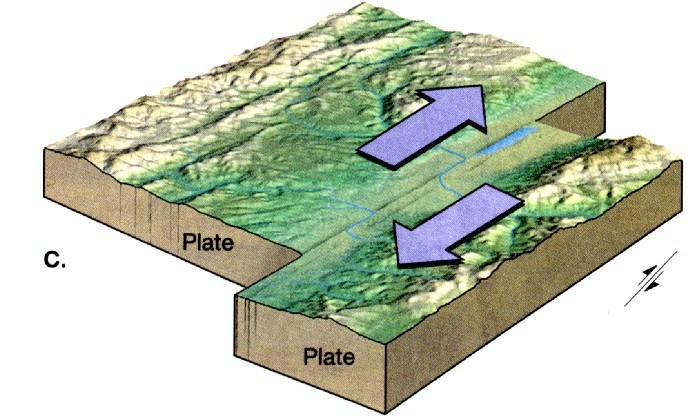
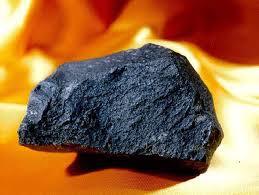


Using your senses to gather information about the world around you is known as...
inferring
observing
measuring
researching

When you find a value or amount of a trait numerically it is known as a(n)
inference
prediction
measurement
Metric System
The system of measurement based on powers of ten
Metric System
Customary System
Binary System
Rider System
Using your observations and knowledge you can make a(n)
measurement
inference
observation
cake
When recording a measurement you should always go to the __________________ place.
ones
tens
hundredths
tenths
Which of the following is NOT a Metric unit of measurement?
meters
grams
miles
liters
Which of the following represents the correct way to record a mass measurement?
10g
10
10.0
10.0g
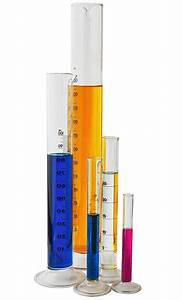
What trait does this scientific tool measure?
length
mass
volume
temperature

What is the name of this tool of measurement?
scale
beaker
graduated cylinder
triple beam balance
What unit of measurement is used to measure temperature in the Metric System.
degrees Celsius
milliliters
degrees Fahrenheit
grams
What unit would you use to measure the distance between here and California?
mm
cm
m
km

What trait of an object would you measure with these tools?
temperature
volume
mass
length
Which would be the best Metric unit for measuring your mass.
pounds
grams
kilograms
tons
When using a graduated cylinder, look at the bottom of the ___________________ to find your measurement.
scale
liquid
cylinder
meniscus
Always include _________________ in your measurement.
an accurate number
a decimal to the tenths spot
a label with the appropriate unit
all of the above
When using a triple beam balance you should always first_________________.
zero out the balance
move the ones rider (weight)
hold it in your hands while you measure
put the object you are measuring on the pan
What trait was measured if it was recorded as "732.2g"?
length
weight
mass
volume

which recorded measurement is correct?
142.0
142g
142.0g
124.0g
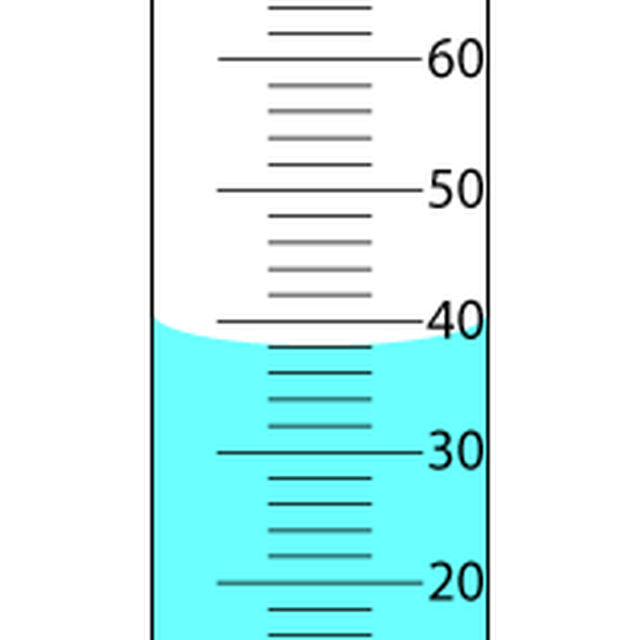
Which recorded measurement is correct?
38mL
40.0mL
38.0mL
34.0mL

