wayground logo

Free Printable Worksheets

Font size

S
M
L
XL
Worksheets

Chemistry Revision Cover Lesson March 2020

Total questions: 216

Worksheet time: 2hrs 29mins

Name
Class
Date
1.

All substances are made up of particles called...

a)

atoms

b)

elements

c)

compounds

d)

molecules

2.

Substances made up of only one type of atom are called...

a)

atoms

b)

coumpounds

c)

elements

d)

molecules

3.

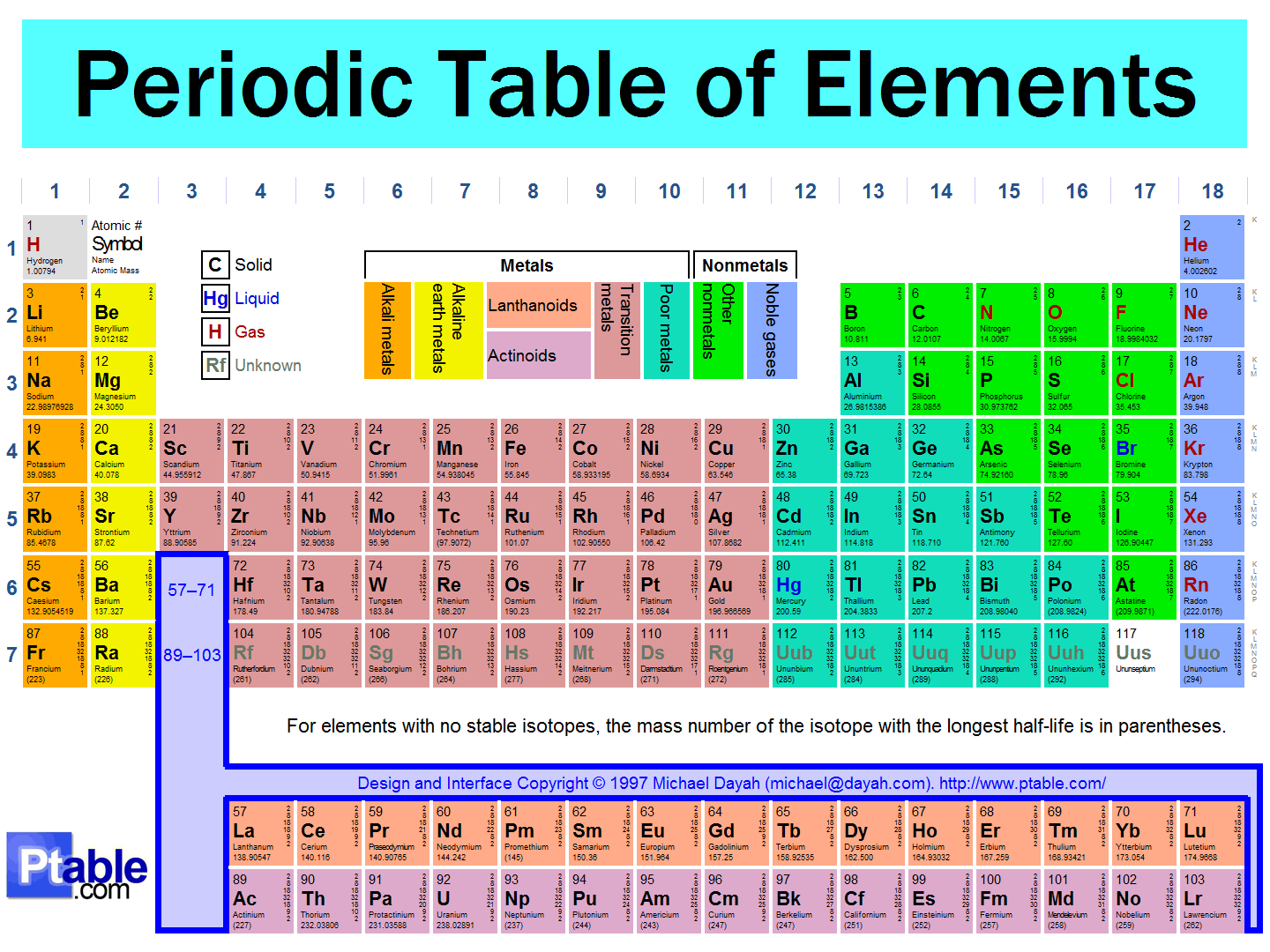
What is the name of the table that contains all the elements

a)

chemical table

b)

periodic table

c)

atom table

d)

phantom table

4.

What element has a chemical symbol S

a)

sodium

b)

sulfur

c)

silicon

d)

strontium

5.

What element has a chemical symbol Sn

a)

strontium

b)

silicon

c)

selenium

d)

tin

6.

What are the column of the periodic table called

a)

columns

b)

groups

c)

pillars

d)

vertical

7.

What name is given to the rows of the periodic table?

a)

row

b)

horizontal

c)

periods

d)

pans

8.

How many subatomic particles make up atoms?

a)

1

b)

2

c)

3

d)

4

9.

What are the names of the sub atomic particles?

a)

protons

b)

neutrons

c)

necleus

d)

electrons

10.

Different elements bonded together are called...

a)

elements

b)

mixture

c)

molecules

d)

compounds

11.

The left hand side of a chemical equations shows the

a)

reactants

b)

products

12.

The right hand side of a chemical equations shows the

a)

reactants

b)

products

13.

No new atoms are ever created or destroyed in a chemical reaction. Is the Law of...

a)

Conservation of Energy

b)

Conservation of Atoms

c)

Conservation of Chemical Reactions

d)

Conservation of Mass

14.

Total Mass of Product =

a)

Total Mass of Reactants

b)

Total Mass of Atoms

c)

Total Mass of Elements

15.

The same number of each type of atom on each side of an equation is called...

a)

equilibria

b)

equilibrium

c)

equal

d)

balanced

16.

What is the sate symbol for gas?

a)

(g)

b)

(l)

c)

(s)

d)

(aq)

17.

What is the sate symbol for liquid?

a)

(g)

b)

(l)

c)

(s)

d)

(aq)

18.

What is the sate symbol for solid?

a)

(g)

b)

(l)

c)

(s)

d)

(aq)

19.

What is the sate symbol for substances dissolved in water?

a)

(g)

b)

(l)

c)

(s)

d)

(aq)

20.

A ____________ is made up of two or more substances that are not chemically joined together

a)

mixture

b)

compound

c)

molecule

21.

Crystallisation separates

a)

solutions solids from solvents

b)

soluble solids from solvents

c)

insoluble solids from solvents

d)

solvents from solvents

22.
How are compounds and elements different?
a)
Elements are metals; compounds are nonmetals
b)
Elements are pure substances; compounds are not
c)
Elements exist as solids, liquids, and gases; compounds are solids
d)
Elements have one kind of atom; compounds have different kinds of atoms
23.
An atom has 10 protons, 15 neutrons and 10 electrons what is its mass number.
a)
20
b)
10
c)
5
d)
25
24.
How did Mendeleev arrange the elements?
a)
alphabetical 
b)
density
c)
melting point
d)
atomic mass
25.
Which letter in the diagram of Industrial Crude Oil Fractions identifies 'Bitumen'?
a)
B
b)
D
c)
G
d)
H
26.
Is this equation balanced?
a)
yes
b)
no
c)
Not enough information
27.
Is this equation balanced?
a)
yes
b)
no
c)
Not enough information
28.

Endothermic or Exothermic? -- Two chemicals mixed in a beaker and the beaker feels hot

a)

Endo

b)

Exo

29.

Endo or exo? (system = Hand warmer package)

a)

Endo

b)

Exo

30.
What is the general formula of an alkane
a)
2n+2
b)
CnH2n+2
c)
CnH2n
d)
CnHn
31.
Hydrocarbons are compounds that contain
a)
Carbon, only
b)
Carbon and Hydrogen, only
c)
Carbon, Oxygen, and Hydrogen, only
d)
Carbon, Oxygen, Hydrogen, and Nitrogen, only
32.

Which of the following does NOT form part of an atom

a)

proton

b)

neutron

c)

electron

d)

photon

33.

The number of protons in a atom is known as the

a)

atomic number

b)

atomic bomb

c)

atomic signal

d)

atomic mass

34.

An isotope is atoms of the same element with different numbers of

a)

protons

b)

electrons

c)

neutrons

d)

nuclei

35.

The periods in the Periodic Table give information about the

a)

number of electron shells in an atom

b)

the number of electrons in the outer shell

c)

the number of protons in the nucleus

d)

the weight of the atom

36.

Helium is in a special group known as

a)

Transition Metals

b)

Alkali Metals

c)

Halogens

d)

Noble Gases

37.

Ionic bonds occur when two atoms combine by

a)

sharing electrons

b)

losing or gaining electrons

c)

losing electrons

d)

creating electrons

38.

Covalent bonds form between

a)

metals and non-metal atoms

b)

two metal atoms

c)

two non-metal atoms

d)

noble gas atoms

39.

Two or more atoms of the same element

a)

atom

b)

element

c)

molecule

d)

compound

40.

The most reactive elements are found in which group of the Periodic Table

a)

Alkali Metals

b)

Transition Metals

c)

Halogens

d)

Noble Gases

41.

What is the electronic configuration for this atom?

a)

2.7.2

b)

2.8.1

c)

2.8.2

d)

2.8.3

42.

What are the advantages of phytoextraction? (more than one answer)

a)

No harmful gases are produced

b)

causes less damage to the landscape than mining

c)

very slow

d)

can extract metals from contaminated soils

43.

During electrolysis of molten sodium chloride what products would you expect at the anode and cathode?

a)

Sodium metal and chlorine gas

b)

Hydrogen gas and chlorine gas

c)

Sodium metal and hydrogen gas

d)

Hydrogen gas and oxygen gas

44.

What is the main advantage of using electrolysis to extract metals?

a)

It requires a lot of energy

b)

The metal will be more pure than other methods

c)

The cost of extracting metals with this metal is low

d)

It doesn't require a lot of energy

45.

Why does an ionic solid NOT conduct electricity

a)

Because the atoms cant move

b)

Because the ions cant move

c)

Because the electrons cant move

d)

Because electricity cannot travel through any solids

46.

What does the symbol mean?

a)

It is a redox reaction

b)

It is a reversible reaction

c)

It is a displacement reaction

d)

It is a reaction where nothing will happen

47.

What does the group number on the periodic table tell you?

a)

The number of electrons

b)

The number of protons in the nucleus

c)

The number of electron shells

d)

The number of electrons in the outer shell

48.

What does the period number on the periodic table tell you?

a)

The number of electrons in the outer shell

b)

The number of electrons

c)

The number of electron shells

d)

The number of neutrons in the nucleus

49.

What is an isotope? (choose two)

a)

The same element that has a different mass number

b)

The same element that has a different atomic number

c)

The same element with a different number of electrons

d)

The same element with a different number of neutrons

50.

What could you use to measure the pH of a solution?

a)

pH meter

b)

Universal indicator

c)

Acidometer

d)

Water

51.

An acid forms which sort of ion?

a)

H+

b)

OH-

c)

H-

d)

OH+

52.

Which of the following are insoluble in water

a)

Most chlorides

b)

Most sulfates

c)

Most carbonates

d)

All nitrates

53.

The Haber process is a reversible reaction that is exothermic in the forwards direction. What will happen to the yield if the temperature is increased?

a)

Increase

b)

Decrease

c)

Stay the same

54.

What colour do copper solutions form?

a)

Pink

b)

Orange

c)

Blue

d)

Red

55.

How do you calculate the number of moles of a substance?

a)

Mr/Mass

b)

Mass/Mr

c)

Concentration/Mr

d)

Mass/concentration

56.

The pH scale is a logarithmic scale, how many times more concentrated is an acid with a pH of 1 compared to one with a pH of 4?

a)

x10

b)

x4

c)

x40

d)

x1000

57.

What is reduction?

a)

The loss of oxygen

b)

The gain of oxygen

c)

The loss of electrons

d)

The gain of electrons

58.

What is oxidation?

a)

The gain of oxygen

b)

The loss of oxygen

c)

The loss of electrons

d)

The gain of electrons

59.

What happens in a redox reaction

a)

Only reduction

b)

Only oxidation

c)

Reduction and oxidation

d)

Neither

60.

When doing electrolysis on acidified water. What is the ratio of the volume of hydrogen to oxygen produced?

a)

1:1

b)

2:1

c)

1:2

d)

2:2

61.

The horizontal row on the periodic table is called a

a)

group

b)

family

c)

period

d)

atomic number

62.
Each column in the periodic table is called a 
a)
period
b)
group
c)
cluster
d)
unit
63.
The atomic number tells you what?
a)
number of electrons
b)
number of protons
c)
number of neutrons
d)
both electrons and protons in an atom.
64.

The positive subatomic particle is

a)

electrons

b)

positrons

c)

neutrons

d)

protons

65.

The negative subatomic particle is

a)

electron

b)

proton

c)

neutron

d)

nucleus

66.

What's a valence electron?

a)

electrons in the second energy level

b)

electrons in the valence cell or outermost shell

c)

the atomic number

d)

electrons in the first level

67.

How many valence electrons does Silicon atom have?

a)

2

b)

4

c)

14

d)

12

68.
Most of the elements on the periodic table are classified as _____.
a)
Metals
b)
Nonmetals
c)
Metalloids
d)
Periods
69.
What is the symbol for Potassium?
a)
P
b)
K
c)
Pb
d)
Pd
70.
Which one of these is not a noble gas?
a)
Helium
b)
Radon
c)
Iodine
d)
Krypton
71.
What is the atomic number of Oxygen?
a)
6
b)
7
c)
8
d)
9
72.

Sodium belongs to the

a)

Transition Metals

b)

Halogens

c)

Alkali Metals

d)

Alkaline Earth Metals

73.

Potassium ion is likely to have a charge of

a)

+1

b)

-1

c)

+2

d)

0

74.
How many electrons does a Copper atom have?
a)
63
b)
29
c)
92
d)
34
75.

How many neutrons are in Au atom? 79197Au_{79}^{197}Au  

a)

79

b)

196

c)

118

d)

275

76.

Which of these element is the least reactive non-metal?

a)

Potassium (K)

b)

Carbon (C)

c)

Sulfur (S)

d)

Neon (Ne)

77.

Which of the following is the most reactive metal in period 3?

a)

Boron (B)

b)

Sodium (Na)

c)

Argon (Ar)

d)

Chlorine (Cl)

78.
During the process of fractional distillation, the petroleum compounds are separated according to the difference in their _______________.
a)
boiling point
b)
density
c)
unsaturation
d)
mass
79.
Which of the following compounds is an example of hydrocarbon?
a)
CO2
b)
C2H6
c)
C2H5OH
d)
CH3COOH
80.
At which pipe: M or N are hydrocarbons with lower boiling points collected?
a)
M
b)
N
81.
How does the temperature change from top to bottom?
a)
Increases
b)
Decreases
c)
It does not change
d)
Cannot be determined
82.
How many carbon atoms are in ethane?
a)
1
b)
2
c)
3
d)
4
83.

If an alkane has 10 carbon atoms, how many hydrogen atoms will it have?

a)

20

b)

22

c)

40

d)

42

84.
What are the products of combustion if there is plenty of oxygen available?
a)
carbon monoxide and hydrogen
b)
carbon dioxide and water
c)
carbon dioxide and hydrogen
d)
carbon monoxide and water
85.
In fractional distillation, longer length hydrocarbons are found where in the distillation column?
a)
Top
b)
Bottom
86.

Which of these would help us to conserve natural resources? Select three answers.

a)

Recycling paper from newspapers

b)

Using fuels made from sugar rather than fossil fuels

c)

Putting rubbish in a landfill

d)

Passing down clothes from older children to younger children

e)

Using cheap metals like steel rather than titanium

87.

Which of these cannot be removed by passing water through filter paper alone? Select two answers.

a)

Dissolved chemicals e.g. laundry powder

b)

Particles of grit and silt

c)

Dead insects

d)

Unwanted colours or smells

88.

Which of these are examples of renewable resources? Select all correct answers.

a)

Coal

b)

Fuel made from corn

c)

Crude oil

d)

Wool

e)

Helium gas

89.

Chemicals used to sterilize water after filtration include...? Select all correct answers.

a)

Chlorine

b)

Carbon dioxide

c)

Oxygen

d)

Ozone

e)

Salt

90.

A process called reverse osmosis can be used to desalinate sea water, instead of distillation. This means...

a)

Removing solid particles like silt

b)

Removing dissolved salts

c)

Removing bacteria and viruses

d)

Removing unwanted smells

91.

A "Lifestraw" can be used to drink directly from rivers or streams.

Which of these is the most unusual about the filter in a "Lifestraw", in comparison to an ordinary filter?

a)

It is designed to remove fine sand

b)

It is able to remove bacteria

c)

It is small

d)

It can be operated by just one person

92.

Which of these about distillation is false?

a)

It needs less energy than filtration

b)

Any chemicals which were dissolved in the water are left in the flask.

c)

The water must first be heated up and then cooled back down again

d)

It can be done in remote locations using the heat of the sun to evaporate the water

93.

Which of these methods is not used to kill bacteria in water?

a)

Ozone gas

b)

Chlorine

c)

UV light

d)

Oxygen gas

94.

Which of these is likely to contain the highest concentrations of both harmful bacteria and toxic chemicals?

a)

Sea water

b)

River or reservoir water

c)

Distilled water

d)

Raw sewage

95.
Which is an endothermic reaction?
a)
Decomposition of calcium carbonate
b)
Respiration
c)
Lighting a match
d)
Acid neutralisation
96.
In an exothermic reaction the products have
a)
more energy than the reactants
b)
the same energy as the reactants
c)
less energy than the reactants
d)
no energy
97.
At what time the reaction reached equilibrium?
a)
t1
b)
t2
c)
t3
d)
t4
98.

Which of the following conditions are going to increase the yield of H2?

N2 + 3 H2 ↔ 2 NH3 +92 kJ

a)

Decreasing Temperature and pressure

b)

Increasing Temperature and Pressure

c)

Increasing Temperature and concentration of NH3

d)

Decreasing Temperature and concentration of N2

99.

For the reaction...

N2 (g) + 3 H2(g) <−> 2 NH3 (g)


If the pressure in the system is increased, the equilibrium position will __________________.

a)

shift to the left

b)

shift to the right

c)

not shift

100.
Why don't all collisions between particles cause a reaction?
a)
the particles also need to collide with a catalyst
b)
not all the particles collide with enough energy
c)
not all the particles collide at a high enough temperature
d)
the particles need to collide with each other twice
101.
Cracking.....
a)
Breaks larger hydrocarbons into smaller hydrocarbons
b)
Separates hydrocarbons based on their length
c)
Detects alkenes
102.

What is another name for combustion?

a)

reduction

b)

burning

c)

displacement

103.

What name is given to the force that holds atoms together in a compound?

a)

chemical bond

b)

gravity

c)

electrostatic attraction

d)

glue?

104.

Protons are..

a)

negative charged

b)

neutral charged

c)

positive charged

105.

a neutron is..

a)

positive charged

b)

neutral charged

c)

negative charged

106.

an electron is..

a)

negative charged

b)

positive charged

c)

neutral charged

107.

What is an isotope?

a)

A particle

b)

A poisonous dart frog

c)

Isotopes are variants of a particular chemical element which differ in neutron number.

d)

Dust

108.

Bases that are soluble in water are called ////

a)

dissolvers

b)

vitamins

c)

quatrins

d)

Alkalis

109.
A chemical reaction that produces energy is a /an
a)
endothermic reaction
b)
exothermic reaction 
c)
energy
d)
chemical reaction 
110.
What kind of change is a change of state?
a)
Physical
b)
Chemical 
111.
What is released in a combustion reaction?
a)
Oxygen and water
b)
Oxygen and carbon dioxide
c)
Carbon dioxide and water
d)
Water and hydrogen
112.
How can we test for the products of combustion?
a)
Re-light a splint and limewater
b)
Cobalt chloride paper and squeaky pop test
c)
Squeaky pop test and limewater
d)
Limewater and cobalt chloride paper
113.
Which gas is responsible for acid rain?
a)
Carbon monoxide
b)
Sulfur dioxide
c)
Carbon dioxide
d)
Sulfur trioxide
114.
Which of the following are responsible for global dimming?
a)
Particles
b)
Particulates
c)
Sulfur dioxide
d)
Carbon monoxide
115.
The element symbol for Potassium is ...
a)
P
b)
Po
c)
Pt
d)
K
116.
Sodium's chemical symbol is...
a)
S
b)
So
c)
Na
d)
K
117.
If ethene is your monomer, what would your polymer be called?
a)
Polypropene
b)
Polytetrachloride
c)
Polyethene
d)
Polyethane
118.
One example of a chemical change is
a)
filtering a mixture
b)
burning wood
c)
boiling water
d)
crushing a can
119.
Bronze is an alloy of:
a)
Copper and tin
b)
Copper and zinc
c)
Copper and magnesium
d)
Copper and sodium
120.
Steel is an alloy of
a)
Copper and brass
b)
Iron and brass
c)
Carbon and brass
d)
Iron and carbon
121.
Rust can be prevented by zinc plating. This is called:
a)
Galvanizing
b)
Anodising
c)
Thermalizing
d)
Proton capture
122.
Crude oil contains many compounds. The compounds are mainly
a)
Coal
b)
Ammonia
c)
Alcohols
d)
Hydrocarbons
123.
Magnesium + Hydrochloric acid -->
a)
Magnesium hydride
b)
Sodium chloride
c)
Magnesium chloride
d)
Magnesium sulfate
124.
How can the gas hydrogen be tested for?
a)
Relights a splint
b)
Limewater goes cloudy
c)
Squeaky pop test
d)
Puts out a lit flame
125.
What is the general word equation for a metal and acid reaction?
a)
metal + acid --> salt
b)
metal + acid --> salt + hydrogen
c)
metal + acid --> oxygen + hydrogen
d)
metal + acid --> oxygen + water
126.
The general word equation for metal and oxygen reactions is....
a)
metal + oxygen --> water + hydrogen
b)
metal + oxygen --> hydrogen
c)
metal + oxygen --> water
d)
metal + oxygen --> metal oxide
127.
What is produced when calcium is burned in air?
a)
hydrogen
b)
carbon dioxide 
c)
calcium oxide
d)
calcium hydroxide
128.
Three alkali metals are...
a)
calcium, magesium, barium
b)
lithium, sodium, potassium
c)
gold, silver, platinum
d)
aluminium, cobalt, nickel
129.
Metal and water word equation...
a)
metal + water --> metal oxide + oxygen
b)
metal + water --> metal hydroxide + hydrogen
c)
metal + water --> metal hydride + hydroge
d)
metal + water --> carbon dioxide + water
130.
When a more reactive metal takes the place of a less reactive metal in a compound...
a)
oxidation
b)
reduction
c)
displacement
d)
acidity
131.
magnesium would displace oxygen from zinc oxide
a)
True
b)
False
132.
Copper would displace oxygen from lead oxide
a)
true
b)
false
133.
Two categories of polymers are...
a)
Natural and synthentic
b)
Man made and synthetic
c)
Hard and soft
d)
Strong and weak
134.
Melting crayons is a example of a
a)
Physical property
b)
Physical change
c)
Chemical property
d)
Chemical change
135.
Souring milk is an example of a
a)
Physical property
b)
Physical change
c)
Chemical property
d)
Chemical change
136.
Which of the following is NOT a mixture? 
a)
NaCl + H2O
b)
C6H12O6 + H2O
c)
C6H12O6
d)
SiO2 +H2O
137.
Which type of mixture is this? 
a)
Element only
b)
compounds only
c)
elements and compounds
d)
Concoction
138.
Which type of mixture is this?
a)
Element only
b)
Compound only
c)
Element and compound
d)
Miscellany
139.
Which of the following is a compound?
a)
sodium
b)
sea water
c)
carbon dioxide
d)
brass
140.
Which of the following is the correct name for MgCl2?
a)
magnesium chlorine
b)
magnesium dichlorine
c)
magnesium chloride
d)
magnesium dichloride
141.
What is an example of an element that doesn't like to react with anything?
a)
Neon
b)
Oxygen
c)
Hydrogen
d)

Carbon

142.
The name of the chemical symbol Ar is ...
a)
Argon
b)
Argean
c)
Agreon
d)
Armanon
143.

What is the mass number?

a)

the number of protons

b)

the number of protons and neutrons

c)

the number of neutrons

d)

the number of protons and electrons

144.

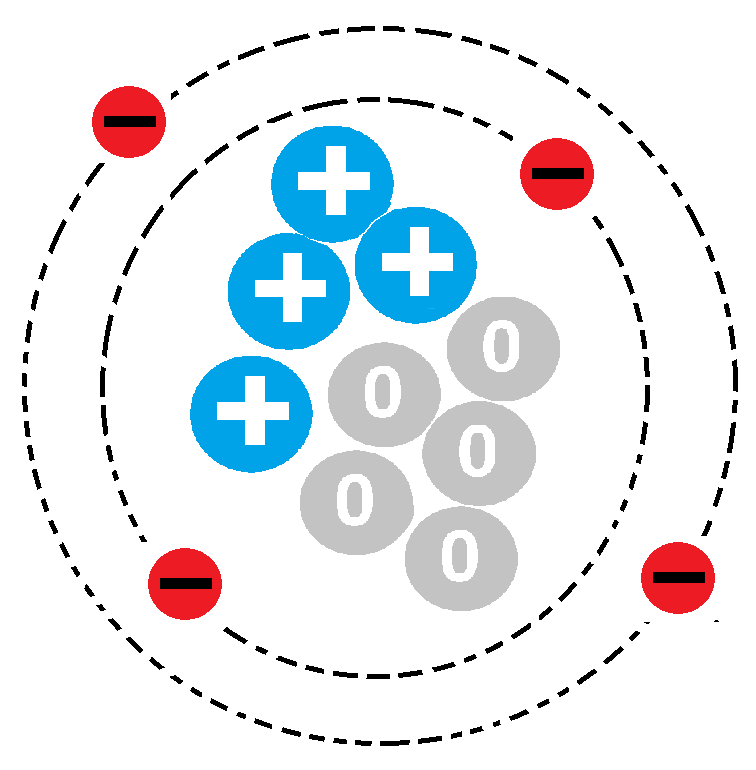
What is the atomic number of this nucleus?

a)

1

b)

3

c)

4

d)

7

145.

What is the mass number of this nucleus?

a)

1

b)

3

c)

4

d)

7

146.

What is the atomic number of this atom?

a)

4

b)

5

c)

9

d)

none of the above

147.

What is the mass number of this atom?

a)

4

b)

5

c)

9

d)

none of the above

148.

The atomic number of Hydrogen is

a)

1

b)

2

c)

3

d)

4

149.
The atomic number of Lithium is
a)
3
b)
4
c)
5
d)
6
150.

Because atoms are neutral, the number of protons is always _______ the number of electrons

a)

greater than

b)

less than

c)

equal to

d)

proportional to

151.
A fluorine atom has 9 protons and 10 neutrons. What is the atomic number of fluorine?
a)
9
b)
10
c)
19
d)
1
152.
What element has 4 valance electrons and three electron shells?
a)
Silicon
b)
Carbon
c)
Germanium
d)
Arsenic
153.
This element has 2 valance electrons and 3 electron shells.
a)
Beryllium
b)
Strontium
c)
Magnesium
d)
Calcium
154.
This element has 2 valance electrons and 3 electron shells.
a)
Beryllium
b)
Strontium
c)
Magnesium
d)
Calcium
155.
This element has 6 valance electrons and 4 electron shells.
a)
Sulfur
b)
Oxygen
c)
Pollonium
d)
Selenium
156.
What is the electron configuration of sodium?
a)
2.8
b)
2.8.2
c)
2.8.1
d)
11
157.
What is the electron configuration of calcium?
a)
2.8.8.2
b)
2.8.10
c)
20
d)
2.18.2
158.
Which element has an electron configuration of 2.5?
a)
Oxygen
b)
Nitrogen
c)
Phosphorus
d)
Carbon
159.
Which element has an electron configuration of 2.8.8?
a)
Lead
b)
Flourine
c)
Neon
d)
Argon
160.
What is an ion?
a)
A Charged Atom
b)
A Large Atom
c)
A Small Atom
d)
A Cute Atom
161.
Why are ions formed?
a)
To make our lives difficult
b)
Because atoms want 8 valence electrons
c)
Because atoms have the same number of protons and electrons
d)
Because atoms gained neutrons
162.
Cations are...
a)
Positive
b)
Negative
c)
Neutral
d)
Purring
163.
Anions are...
a)
Positive
b)
Negative
c)
Neutral
d)
Crying
164.
An atom becomes _________ when it gains electrons.
a)
Positive
b)
Negative
c)
Neutral
d)
Invinsible
165.
An atom becomes _______ when it loses electrons.
a)
Positive
b)
Negative
c)
Neutral
d)
Invinsible
166.
Make sure you get enough Potassium in your diet!
a)
Huh?
b)
K
c)
I <3 bananas
d)
Sure
167.
sulfate
a)
SO22-
b)
SO43-
c)
SO32-
d)
SO42-
168.
carbonate
a)
C4-
b)
CO42-
c)
CO32_
d)
CO31-
169.
phosphate
a)
PO32-
b)
PO33-
c)
PO42-
d)
PO43-
170.
nitrate
a)
N3-
b)
NO21-
c)
NO2-
d)
NO31-
171.
What is the name of K3PO4?
a)
Tripotassium Phosphate
b)
Tripotassium Phosphite
c)
Potassium phosphide
d)
Potassium phosphate
172.
What is the name of Al(NO3)3?
a)
Aluminum trinitrate
b)
Monoaluminum nitrate
c)
Aluminum (III) nitrate
d)
Aluminum Nitrate
173.
What is the proper name for CaCl2?
a)
Calcium dichloride
b)
Monocalcium dichloride
c)
Calcium chloride
d)
Calcium chlorine
174.
How many bonds does carbon have to create in order to satisfy the octet rule
a)
1
b)
2
c)
3
d)
4
175.
How do covalent bonds form?
a)
Donating & receiving valence e- between atoms.
b)
Opposite slight charges attract each other between compounds.
c)
Scientists are still not sure how they form.
d)
Sharing valence e- between atoms.
176.
A Nitrogen molecule (N2) has one triple bond. How many electrons do the nitrogen atoms share?
a)
1
1
b)
3
c)
4
d)
6
177.
How are covalent bonds explained?
a)
When one atom takes the other atom's electron
b)
When the atom shares an electron with an another atom
c)
When the two nucleus merge
d)
When the neutrons leave the nucleus
178.
What two types of atoms make a covalent bond?
a)
2 Nonmetals
b)
1 Nonmetal and 1 Metal
c)
2 Metals
d)
2 Noble Gases
179.
How are ionic bonds formed?
a)
When atoms share an electron
b)
When opposite charged atoms attract
c)
When one atom takes a proton
d)
When one atom takes a neutron
180.
Covalent compounds
a)
Share electrons
b)
transfer electrons
c)
contain a sea of electrons
d)
conduct electricity
181.
What is a cation?
a)
positive ion
b)
Neutral atom
c)
Two additional protons
d)
negative ion
182.
What is an anion?
a)
positive ion
b)
negative ion
c)
neutral atom
d)
2 neutrons taken away
183.
Rate of chemical reaction means
a)
amount of product formed
b)
speed of reaction
c)
concentration of reacting particles
d)
combining reactants with products
184.
Which factors increase the rate of a reaction.
a)
increasing temperature
b)
increasing concentration
c)
increasing surface area
d)
all of these
185.
Increase in temperature of the reactants can do one of the following
a)
Slow collision frequency
b)
Allow less effective collision between the particles
c)
Neutralise the reaction
d)
increase collision between the particles thus increasing the rate.
186.
Why does a catalyst increase the rate of reaction?
a)
it produces extra energy for the reactants
b)
it increases the speed of the reactant particles
c)
it increases the frequency of particle collisions
d)
it reduces the activation energy of the reaction 
187.
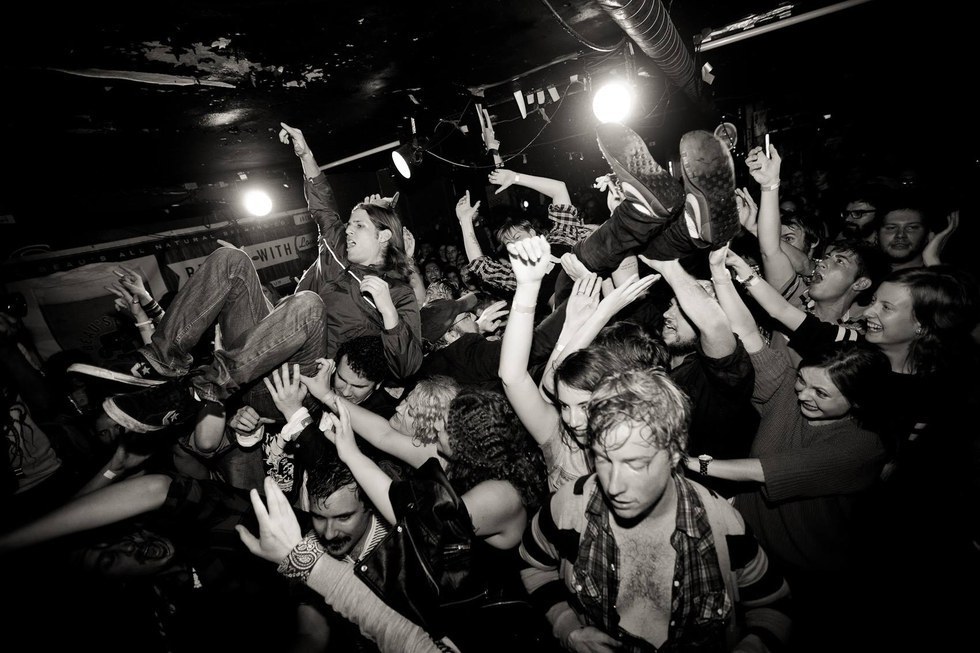
You add more bodies into a "mosh pit" to hope for more collisions.  You have increased-
a)
temperature
b)
concentration
c)
pressure
d)
catalyst
188.
You double the electricity available to make the bumper cars go even faster hoping for more collisions.
a)
temperature
b)
pressure
c)
surface area
d)
concentration
189.
You lower the high jump bar so everyone can get over it.
a)
temperature
b)
catalyst
c)
pressure
d)
surface area
190.
Why don't all collisions between particles cause a reaction?
a)
the particles also need to collide with a catalyst
b)
not all the particles collide with enough energy
c)
not all the particles collide at a high enough temperature
d)
the particles need to collide with each other twice
191.
Why does a higher temperature increase the rate of a reaction?
a)
it increases both the frequency and energy of particle collisions
b)
it only increases the frequency of particle collisions
c)
it only increases the energy of particle collisions
d)
it reduces the activation energy of the reaction
192.

When was the Earth's atmosphere formed

a)

4.6 billion years ago

b)

4.6 million years ago

c)

46 billion years ago

d)

46 million years ago

193.

On theory suggests that volcanoes released what gas/gases

a)

water vapour

b)

carbon dioxide

c)

oxygen

d)

nitrogen

194.

What theories are used to explain where water came from

a)

water vapour condensed as the Earth cooled

b)

water leaked out from the Earth's core

c)

icy comets rained down on the surface of the Earth

195.

As the Earth stabilised, what was the main gas of the atmosphere

a)

methane

b)

nitrogen

c)

oxygen

d)

carbon dioxide

196.

As the Earth stabilised, what other gases could have been present other than carbon dioxide?

a)

hydrogen

b)

water vapour

c)

nitrogen

d)

methane

e)

ammonia

197.

What gas was there little to none in the early Earth's atmosphere?

a)

argon

b)

helium

c)

oxygen

d)

hydorgen

198.

When do scientist believe that life started to form?

a)

3.4 billion years ago

b)

5.7 billion years ago

c)

9.8 billion years ago

d)

1 billion years ago

199.

What were the first life forms on Earth

a)

weeds

b)

algea

c)

bacteria

d)

cockroaches

200.

What did the simple organisms similar to bacteria evolve to

a)

tadpols

b)

algae

c)

ants

d)

seaweed

201.

Approximately when did the evolution of simple organisms happen?

a)

2.7 billion years ago

b)

0.7 billion years ago

c)

4.2 billion years ago

d)

1.7 billion years ago

202.

Where did algae get there energy from?

a)

Chemosynthesis

b)

Respiration

c)

Photosynthesis

203.

The gas did photosynthesis release into the atmosphere

a)

argon

b)

carbon dioxide

c)

sulfur dioxide

d)

oxygen

204.

What happened to the oxygen levels over the next billion years or so

a)

they stayed the same

b)

they decreased steadily

c)

they increased steadily

205.

What happened as the more and more plants evolved?

a)

removed oxygen, and released oxygen

b)

removed nitrogen, and released hydrogen

c)

removed oxygen, and released carbon dioxide

d)

removed carbon dioxide, and released oxygen

206.

Complete this equations:


Carbon Dioxide + Water --->

a)

oxygen + nitrogen

b)

glucose + oxygen

c)

glucose + carbon

d)

methane + oxygen

207.

What happened to the Earths earliest living microorganisms as the oxygen levels rose?

a)

evolved

b)

largely died out

c)

continued to survive

208.

What happened to the methane and ammonia that was present in the Earth's early atmosphere?

a)

reacted with oxygen, removing methane and ammonia from the atmosphere

b)

locked into rocks

c)

dissolved into seas

209.

What happened to the levels of nitrogen in the atmosphere?

a)

disappeared

b)

decreased

c)

increased

210.

Why did the levels of nitrogen increase?

a)

ammonia reacted with oxygen creating nitrogen gas

b)

volcanoes released nitrogen

c)

methane reacted with oxygen creating nitrogen gas

d)

photosynthesis added to the amount of nitrogen in the atmosphere

211.

What happened 200 million years ago?

a)

dinosaurs roamed the earth

b)

first flower blossomed

c)

proportion of gases in the Earth's atmosphere stabilised

d)

proportions of gases in the Earth's atmosphere drastically changed

212.

What percentage of nitrogen is present in today's atmosphere?

a)

48

b)

58

c)

68

d)

78

213.

What percentage of oxygen is present in today's atmosphere?

a)

31

b)

21

c)

11

d)

51

214.

What percentage of argon is present in today's atmosphere?

a)

0.6

b)

0.7

c)

08

d)

0.9

215.

What other noble gases are present in today's atmosphere?

a)

neon

b)

krypton

c)

xenon

d)

helium

216.

What led to the reduction of carbon dioxide in the atmosphere?

a)

photosynthesis

b)

formation of sedimentary rocks

c)

carbon dioxide dissolving into oceans

d)

respiration