
 Worksheets
Chemistsry S1 Comprehensive Final Exam Review
Total questions: 220
Worksheet time: 11hrs 0mins
Physical properties....
change the matter when studied
can be observed and measured without changing the matter being studied
include the ability to burn and rust
are useless unless studied in a lab
______________________ can only be recognized when substances react or do not react chemically with one another.
Physical properties
Chemical properties
Flammable properties
Colorful properties
Flammability means the ability to _______ and is a _________ property.
melt; chemical
rust; physical
change; physical
burn; chemical
All of the following are examples of physical properties EXCEPT
Density
Heat conductivity
pH (acidic or basic)
Boiling point
Which of the following is a chemical property of water?
Reacts with pure sodium
Boils at 100 oC
Is liquid at room temperature
Has a density of 1 gm/mL
Choose the one that is a chemical property
Magnetism
Size
Color
Reactivity with water
A student breaks a piece of glassware. What should their lab partner do?
Pick up the glass by hand and place it in the broken glass container.
Leave the glassware for the student who broke the glass to clean up.
Alert your teacher and keep other students away from the glass pieces.
Sweep up the glass with a broom and dustpan and place it in the trash.
During a lab experiment, an unknown substance splashed into a student's eye. What should their next step be after telling the teacher?
Wipe their eyes with a damp paper towel.
Put their head under the faucet at the lab sink.
Carefully walk to the eyewash station and flush their eyes for 20 minutes.
Carefully walk to the restroom and flush their eyes in the sink for 20 minutes.
Why is the graduated cylinder MOST appropriate for measuring the volume of a liquid instead of a beaker?
because it estimates large volumes of liquid better than a beaker
because the meniscus is easier to see and read compared to a beaker
because it can hold acids and bases more safely compared to a beaker
because there are more markings on the graduated cylinder compared to a beaker
The process of distillation is used to separate substances in a mixture with different...
...densities.
...solubilities.
...particle sizes.
...boiling points.
What could be used to separate substances of different densities from a mixture?
distillation
centrifuge
paper chromatography
column chromatography
Much like its household namesake, a molecular sieve utilizes differences in what property of substances to separate the components of mixtures?
freezing point
particle size
solubility
desnity

In chemistry class, you are given a density column with 3 liquids. A piece of wax with a mass of 1.8 grams and a volume of 2.0 mL is added to the column. Where would the wax be located in a density column? (density=mass/volume)
above A
below C
below A but above B
below B but above C
Two students were conducting an experiment. Each student had a test tube filled with 25.0 mL of a clear liquid. The students drop a penny into each test tube and measure the rate at which the penny falls. The penny takes 10.0 sec to reach the bottom of the Test Tube A while the penny takes 4.0 sec to reach the bottom of Test Tube B Which test tube contains the more viscous clear liquid?
Test Tube A, because it took a longer time to reach the bottom of the test tube.
Test Tube B, because it took a longer time to reach the bottom of the test tube.
Test Tube A, because it took a shorter time to reach the bottom of the test tube.
Test Tube B, because it took a shorter time to reach the bottom of the test tube.

A cup of metal beads was measured to have a mass of 13.29 grams. By water displacement, the volume of the beads was calculated to be 1.5 mL. What is the identity of the unknown metal? Justify your claim.
copper, because mass is divided by volume to determine the density
gold, because mass is divided by volume to determine the density
copper, because mass and volume are multiplied to determine the density
gold, because mass and volume are multiplied to determine the density

In the science lab, students were given a piece of iron and asked to test for a chemical property. Which students performed a test for the chemical properties of iron?
1 and 5
2 and 4
3 and 5
4 and 1

In the science lab, students were asked to make a statement as to whether Mentos (candy) to Coke (soda pop) is a chemical or physical change. Which of the foloowing gives the BEST evidence to classify this reaction as a chemical or physical change?
Physical change; becaue matter is not lost in the reaction of Coke and Mentos
chemical change, because whneever a gas is given off a chemical change has occurred
Physical change, because no new products is produced, aqueous carbon dioxide is change to gaseous carbon dioxide
Chemical change, because the Mentos candy dissolves in the Coke producing a new product.
In a fume hood, students took a 50.0 mL beaker of nitric acid and dropped a penny into the beaker. The students observed the following: a strong metallic smell, violent bubbling, and a brownish-green gas is given off. The students also observed that the penny became shiny and then completely disappeared. which of the following is the BEST indicator that a chemica lreaction has occurrred between these two reactants (nitric acid and penny)?
The nitric acid begins to boil.
A brownish-green gas is given off.
The penny becomes shiny when it comes in contact with nitric acid.
The volume of the solution increased after the addition of the penny.

A student is trying to identify an unknown substance by finding its density. The student finds the mass of the substance to be 15.32 g and the volume of the substance is 6.6 mL. What is the identity of the substance?
Halite
Gypsum
Quartz
Fluorite
What is the density of a substance that has a mass of 2.0 g, and when placed in a graduated, the volume rose from 70. mL to 75 mL?
0.40 g/mL
2.5 g/mL
7.0 g/mL
10.0 g/mL

What volume of liquid is found in the graduated cylinder?
35 mL
36 mL
36.5 mL
37.0 mL
What is the outcome of observing a chemical property?
Nothing
A new substance is formed with different properties
NaCl
A rise in thermal conductivity
The density of aluminum is 2.70 g/mL. A student finds the volume of the sample to be 0.400 mL. What is the mass of aluminum?
0.148 g
1.08 g
3.10 g
6.75 g

Two students measure and record the volume of the same sample of water in the graduated cylinder as shown. The first student recorded the volume as 16.0 mL and the second student recorded the volume as 16 mL. Which statement BEST identifies and explains the correct measurement?
16.0 mL, because all graduated cylinders have three digits in order to have a precise measurement
16 mL, because the final number indicates the estimated digit and since it is a zero, it can be ignored
16.0 mL, because the last digit has to be estimated within the space between the smallest two markings
16 mL, because measurement should be simplified to make calculations using lab data clear and easy to use
How should you measure the mass of a powder?
place the powder on the balance, then push zero (tare)
place the beaker on the balance, then add the powder
place the powder in a beaker, then place on the balance, next push zero (tare)
place the beaker on the balance, then push zero (tare), next add the powder
Who stated that all atoms of the same element are exactly alike?
Democritus
Dalton
Thomson
Bohr

What is the smallest particle of an element?
an atom
a proton
an electron
a neutron
What is the amu of a neutron?
almost zero
1
2
3
Which scientist disagreed with the idea that atoms existed?
Democritus
Aristotle
Rutherford
J.J. Thomson
Who was the first person to ever talk about an atom?
Democritus
Rutherford
Dalton
J.J. Thomson
What is the weighted average of the masses of all naturally occurring isotopes of an element?
Atomic number
Average Atomic Mass
Atomic weight
Protons
What contains most of the mass of an atom?
Electron Cloud
Nucleus
Electron
Isotope
What is the mass of an electron in amu?
Almost zero
1
2
3

Who came up with this model of an atom pictured?
J.J. Thomson
Ernest Rutherford
Neils Bohr
James Chadwick
Neon has an atomic number of 10 and an average atomic mass of 20.180 amu. How many protons, electrons, and neutrons will the most common isotope have?
P=10 E=10 N=11
P=5 E=5 N=10
P=10 E=10 N=10
P=10 E=5 N=5
If two atoms have the same atomic number, but different numbers of neutrons, they are called...
Ions of that element
Different elements
Isotopes of the same atom
Isotopes of different elements

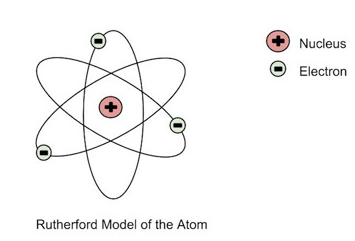

Rutherford, Dalton, Bohr, Thomson

How many neutrons does this isotope of lithium have?
8
3
4
5

If X is the symbol for an element, which of the following two symbols represent isotopes of the same element?
I and II
III and IV
I and IV
I and III
Four isotopes of lead include lead-204, lead-206, lead-207, and lead-208. The average atomic mass of lead is 207.2 amu. Which isotope of lead is likely to be the most abundant?
204
206
207
208

Calculate the average atomic mass of silver.
106.38649 amu
111.91896 amu
107.8677 amu
121 amu
Calculate the average atomic mass of element X when 34% of element X exists as X-272 and the remainder exists as X-274.
185.64 amu
273.32 amu
272.68 amu
27.33 amu

Which model recognizes the merit of an atom having a dense, positive nucleus that is surrounded by mostly empty space?
J.J. Thomson
Rutherford
Bohr
Current Model
24.1% of all the isotopes of an element have a mass of 75.23 amu, 48.7% have a mass of 74.61 amu, and 27.2% have a mass of 75.20 amu. What is the average atomic mass of this element?
74.92 amu
24.97 amu
75.01 amu
74.51 amu

Which model shows electrons circling the nucleus in orbits at different energy levels but has limitations in the probable location of electrons?
J.J. Thomson
Rutherford
Bohr
Current Model

How does the current model show improvement over the previous models of the atom?
The current model shows protons inside the nucleus.
The current model shows electrons outside the nucleus.
The current model shows protons have a positive charge.
The current model shows electrons in s,p,d,f energy levels.

Which atoms in the table are the same element and with what reasoning?
Atoms 1 and 2, because they have the same number of protons
Atoms 2 and 3, because they have the same number of electrons
Atoms 1 and 3, because the sum of all subatomic particles are equal
All atoms are the same because they have the same number of neutrons.
How are elements distinguished from one another?
the mass number
the number of protons
the number of valence electrons
the reaction that occurs with water

Based on the percent abundance, what is the identity of the unknown substance?
Technetium, because the average atomic mass is close to 99 amu
Vanadium, because 16, 17, and 18 add together for a total mass of 51 amu
Chlorine, because the average of 16, 17, and 18 is 17 which is the atomic number of Chlorine
Oxygen, because the isotope with the greatest percent abundance is close to its average atomic mass

Based on the data, which statement BEST explains why the average atomic mass of the isotopes is 31.14 amu?
When the masses of 29. 31, and 32 are added and divided by 3, the average is closest to 31.
Phosphorus-31 has the greatest percent abundance, so the average atomic mass should be 31.
The mass of phosphorus-31 is between phosphorus-29 and phosphorus-32. The average atomic mass is in the middle of the isotope's masses.
All isotopes of phosphorus have 15 protons and 16 neutrons. When protons and neutrons are added together, the average mass would be 31.
The element copper (Cu) has two naturally occurring isotopes, copper-63 (62.930 amu) and copper-65 (64.928 amu). The average atomic mass of copper listed on the periodic table of the elements is 63.55 amu. Which naturally occurring isotope, copper-63 or copper-65, is the MOST abundant?
Copper-63, because it has a lower mass
Copper-65, because it has a greater mass
Copper-63, because the average atomic mass of the element is closer to its mass
Copper-65, because the average atomic mass of the element is closer to its mass

What is the average atomic mass of element X?
23.52 amu
28.08 amu
29.00 amu
32.43 amu

A group of students is given the following information about three isotopes of Uranium and tasked to estimate the average atomic mass.
Student I: The average atomic mass is greater than 239 amu because it is the highest mass.
Student II: The average atomic mass is greater than 238 because it is between the lowest and highest mass.
Student III: The average atomic mass is close to 235 because it has the highest abundance.
Student IV: The average atomic mass is close to 237 because it is the average of all 3 masses.
Which student correctly estimates the average atomic mass of Uranium?
Student I
Student II
Student III
Student IV

In which step did the student make a mistake in the average atomic mass calculation?
Step Procedure
1. Change 99.27 to a decimal by dividing by 100. This does not need to be done for 0.72 and 0.0059 because they already have a decimal in the front of the number.
2. Multiply the mass of each isotope by the abundance of the isotope.
3. Add the answers from step 2 together to get the average atomic mass.
4. The answer should be labeled with the units amu.
Step 1
Step 2
Step 3
Step 4

True or False: The ground state is the highest energy state of an atom.
True
False

For an electron to change from ground state to an excited stated it must...
Absorb energy
Release energy

Colored fire in a flame test happens when...
Electron transitions from lower to higher energy level.
Electron transitions from higher to lower energy level.
Electron exists in fixed energy states
Electron transitions between different energy levels.

Emission of light from an atom occurs when an electron...
drops from a higher to a lower energy level.
jumps from a lower to a higher energy level.
moves within its atomic orbital.
falls into the nucleus.

If an electron moves from n=4 to n=2 it ____
absorbs energy
releases energy

Look carefully at the picture. It shows an electron in the excited state on the left, and the electron returning to its ground state on the right. When the electron return to the ground state it emits a_______________________.
blast of cold air
electrostatic charge
proton
photon (light)

The picture shows an atom in the ground state absorbing energy and the electron jumps to the excited state. Which state has higher energy?
Ground State
Excited State
The smallest particles of matter that still retain the characteristics of that element are called...
atoms
nuclei
dust
molecule
When hydrogen is "fused" together on the Sun, what new element is created?
Helium
Carbon Dioxide
Oxygen
Light
In fusion, lower mass elements are used to create... (Check all that apply.)
Higher mass elements
Lots of energy
Cookies
Low energy amounts
Smaller elements
An atom that has a different number of neutrons than protons is called a/an...
valence electron
isotope
different element
ion
What electron configuration matches an oxygen (O) atom?
1s2 2s2 2p6 3s2 3p6 4s2 3d10 4p5
1s2 2s2 2p4
1s2 2s2 2p6
1s2 2s2 2p6 3s2 3p6 4s2 3d1
The electron configuration of an atom is 1s2 2s2 2p6. The number of electrons in the atom is...
3
6
8
10
Which electron configuration belongs to an atom of chlorine (Cl)?
1s2 2s2 2p6 3s2 3p5
1s2 2s2 2p6 3s2 3p6
1s2 2s2 2p6 3s2 3p7
1s2 2s2 2p6 3s1 3p6
1s2 2s2 2p6 3s2

How many valence electrons does an atom of chlorine (Cl) have?
5
2
7
5
What is the electronic configuration of an atom of iron (Fe)?
1s2 2s2 2p6 3s2 3p6 4s2 3d6
1s2 2s2 2p6 3s2 3p6 3d8
1s2 2p6 3s2 3p6 4s2 3d6
1s2 2s2 2p6 3s2 3p6 4s1 3d6
Identify the Electron Configuration for a neutral atom of aluminum (Al).
1s2 2s2 2p6 3s2 3p1
1s2 2s2 2p6 3s2 3p3
1s2 2s2 2p6 3s2 4p1
1s2 2s2 2p6 3s1 3p2
Each row on the periodic table represents:
an energy level
a sublevel
an electron
an orbital

What is a valence electron?
electrons in the second energy level
electrons in the outermost energy level
the atomic number
electrons in the first level
What is the ion configuration of the chlorine ion, Cl1-?
1s2 2s2 2p6 3s2 3p3
1s2 2s2 2p6 3s2 3p6
1s2 2s2 2p6 3s2 3p4
1s2 2s2 2p6 3s2 3p5
What electron configuration matches an oxygen ion (O2-)?
1s2 2s2 2p6 3s2 3p6 4s2 3d10 4p5
1s2 2s2 2p4
1s2 2s2 2p6
1s2 2s2 2p6 3s2 3p6 4s2 3d1
An aluminium ion (Al3+) would have which electron configuration?
1s2 2s2 2p6 3s2
1s2 2s2 2p6 3s2 3p1
1s2 2s2 2p6 3s2 3p6
1s2 2s2 2p6

Sodium catches on fire when it reactants with water. Which electron configuration represents an element that will react with water in a similar way?
1s2 2s2 2p6 3s2 3p5
1s2 2s2 2p6 3s2 3p6
1s2 2s2 2p6 3s2 3p6 4s2
1s2 2s2 2p6 3s2 3p6 4s1

Which of the following explanations are TRUE regarding the mass number and identity of Element C?
Element C has only a different identity than elements A and B.
Element C has only a different mass number than elements A and B.
Element C has the same mass number and identity as elements A and B.
Element C has both a different mass number and identity than elements A and B.
Which of the following statement must be TRUE regarding nuclear fusion?
The mass of the produced atom is less than the mass of the original nuclei and the identity is the same.
The mass of the produced atom is less than the mass of the original nuclei and the identity is different.
The mass of the produced atom is greater than the mass of the original nuclei and the identity is different.
The mass of the produced atom is greater than the mass of the original nuclei and the identity is the same.

What is the identity of the unknown element and what is the color emitted?
Strontium, because electrons move from ground state to excited state to emit light
Strontium, because as electrons fall back from excited state to ground state, they emit light
Potassium, because electrons move from ground state to excited state to emit light
Potassium, because as electrons fall back from excited state to ground state, they emit light

Which is the correct model and explanation for the emission of light?
Model A, because electrons absorb energy, release a photon of light, and jump to a higher energy level before falling back down
Model B, because electrons absorb energy, release a photon of light, and jump to a higher energy level before falling back down
Model A, because electrons absorb energy and jump to a higher energy level; as they fall back down, that energy is released as a photon of light
Model B, because electrons absorb energy and jump to a higher energy level; as they fall back down that energy is released as a photon of light
Which of the following explanations BEST describes how an atom emits color?
Electrons jump to higher energy levels and specific wavelengths are emitted as the electrons return to the ground state.
Electrons jump to higher energy levels and specific wavelengths are emitted as the electrons move to the excited state.
Protons jump to higher energy levels and specific wavelengths are emitted as the electrons return to the ground state.
Protons jump to higher energy levels and specific wavelengths are emitted as the electrons move to the excited state.

Which of the following models would represent the MOST reactive nonmetals?
Models 1 and 3
Models 4 and 5
Models 1, 2, and 3
Models 1, 3, and 4

How did Dimitri Mendeleev arrange the elements?
alphabetical
density
melting point
atomic mass
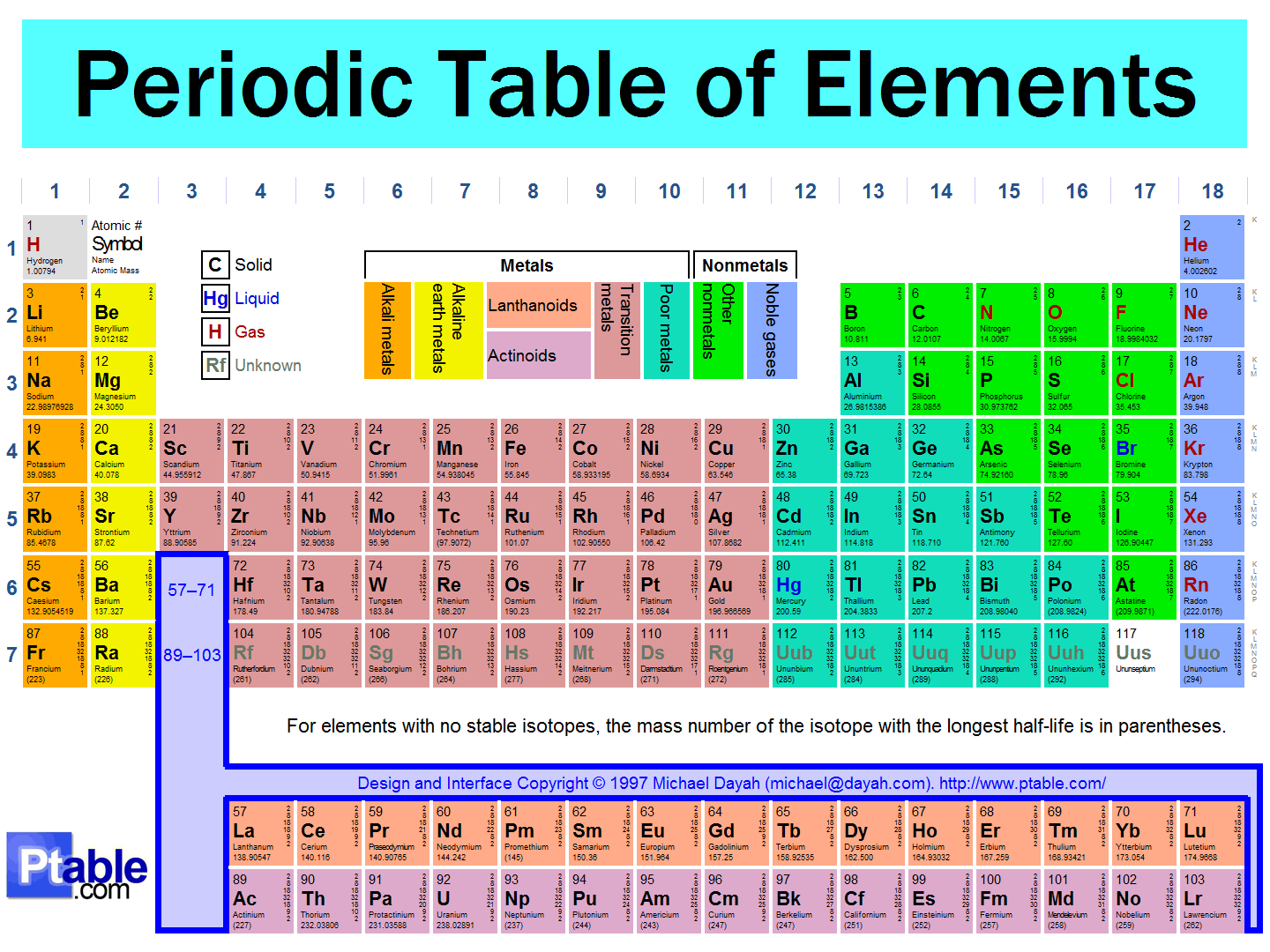

Dimitri Mendeleev found that there was a pattern of properties that repeated every ____ elements.
2
4
5
7
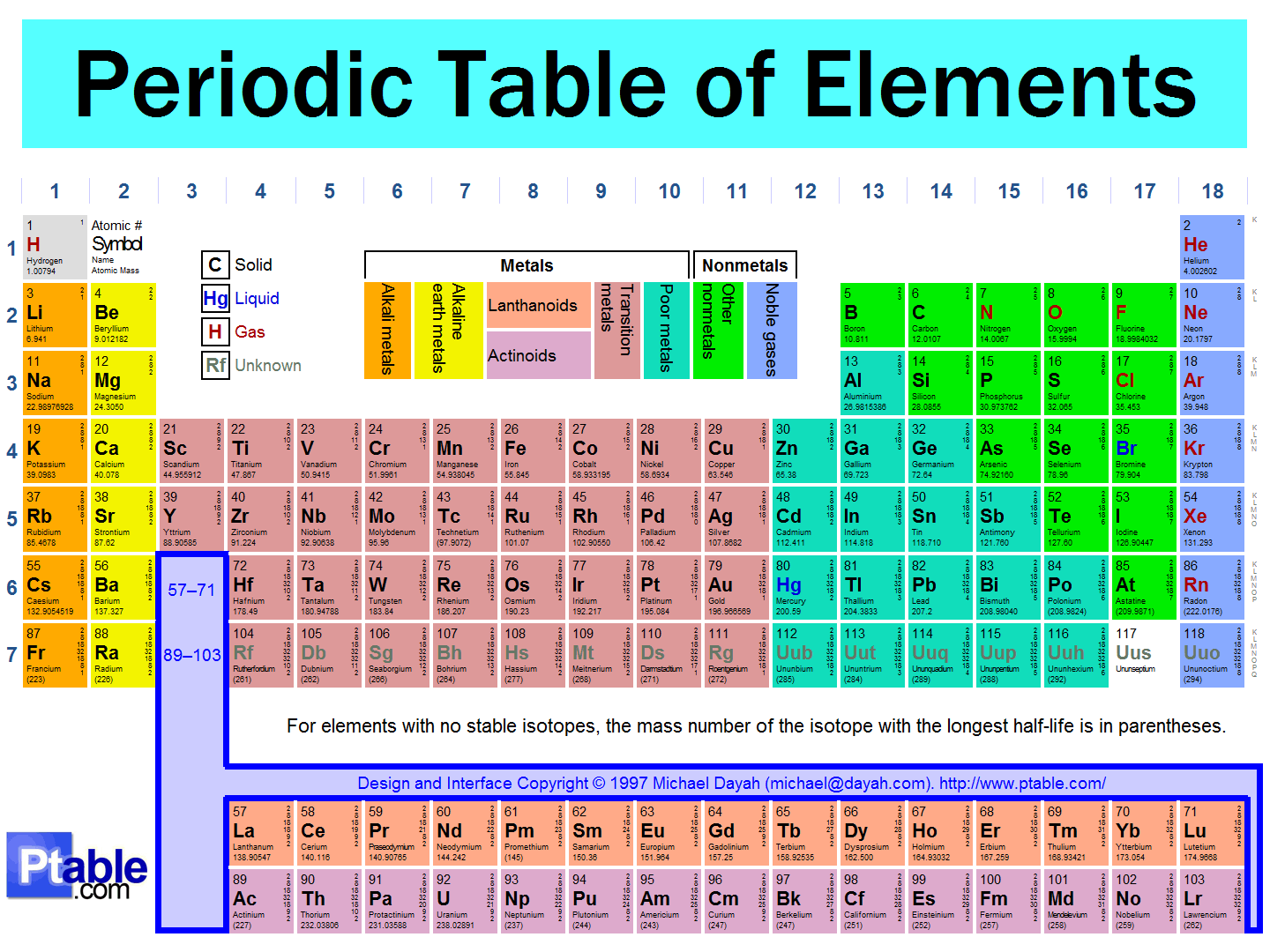


Which of these elements is the least metallic?
Potassium (K)
Carbon (C)
Sulfur (S)
Neon (Ne)
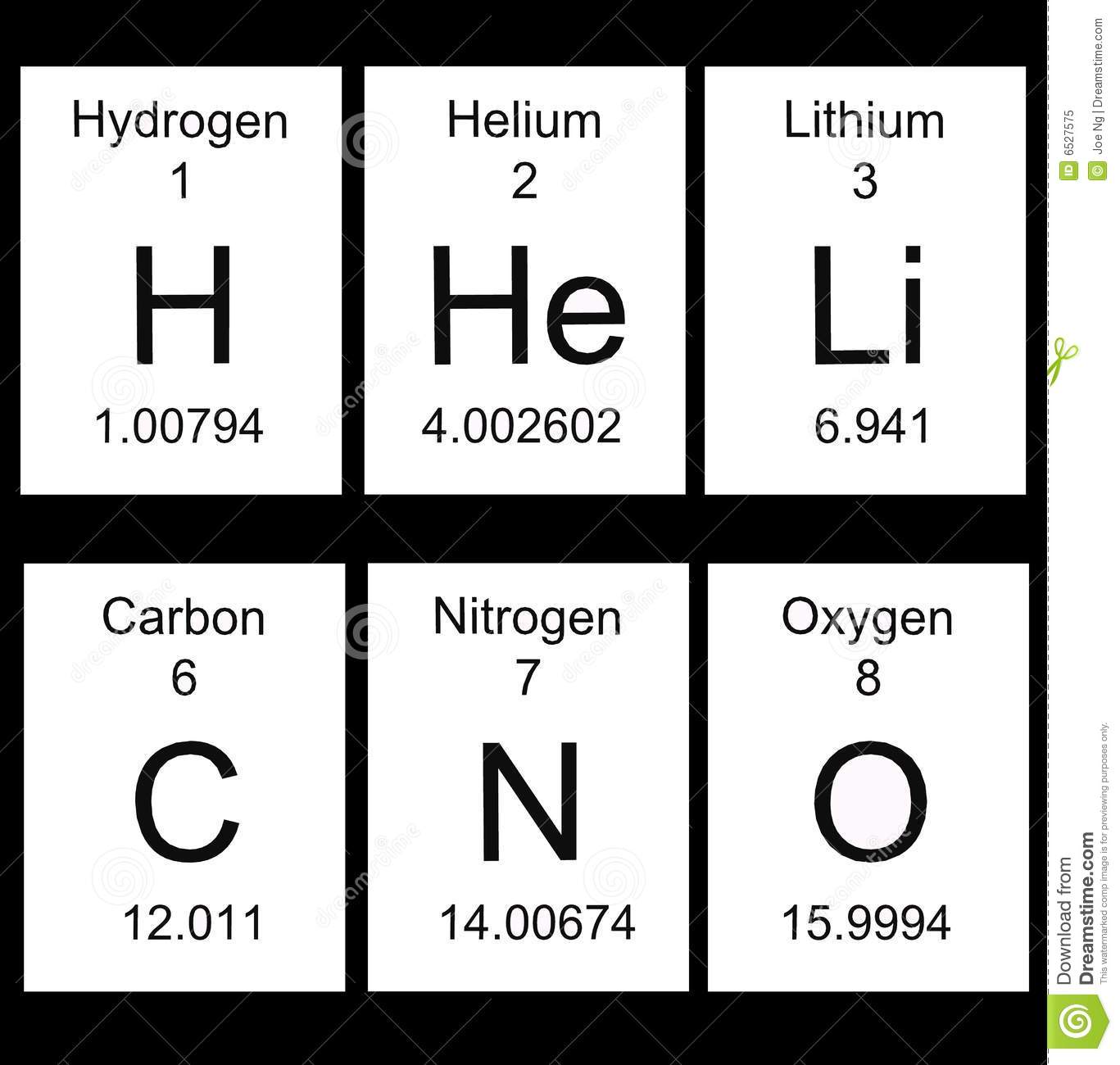
The number at the bottom of each square on the periodic table is the ...
atomic number
average atomic mass
chemical symbol
element name
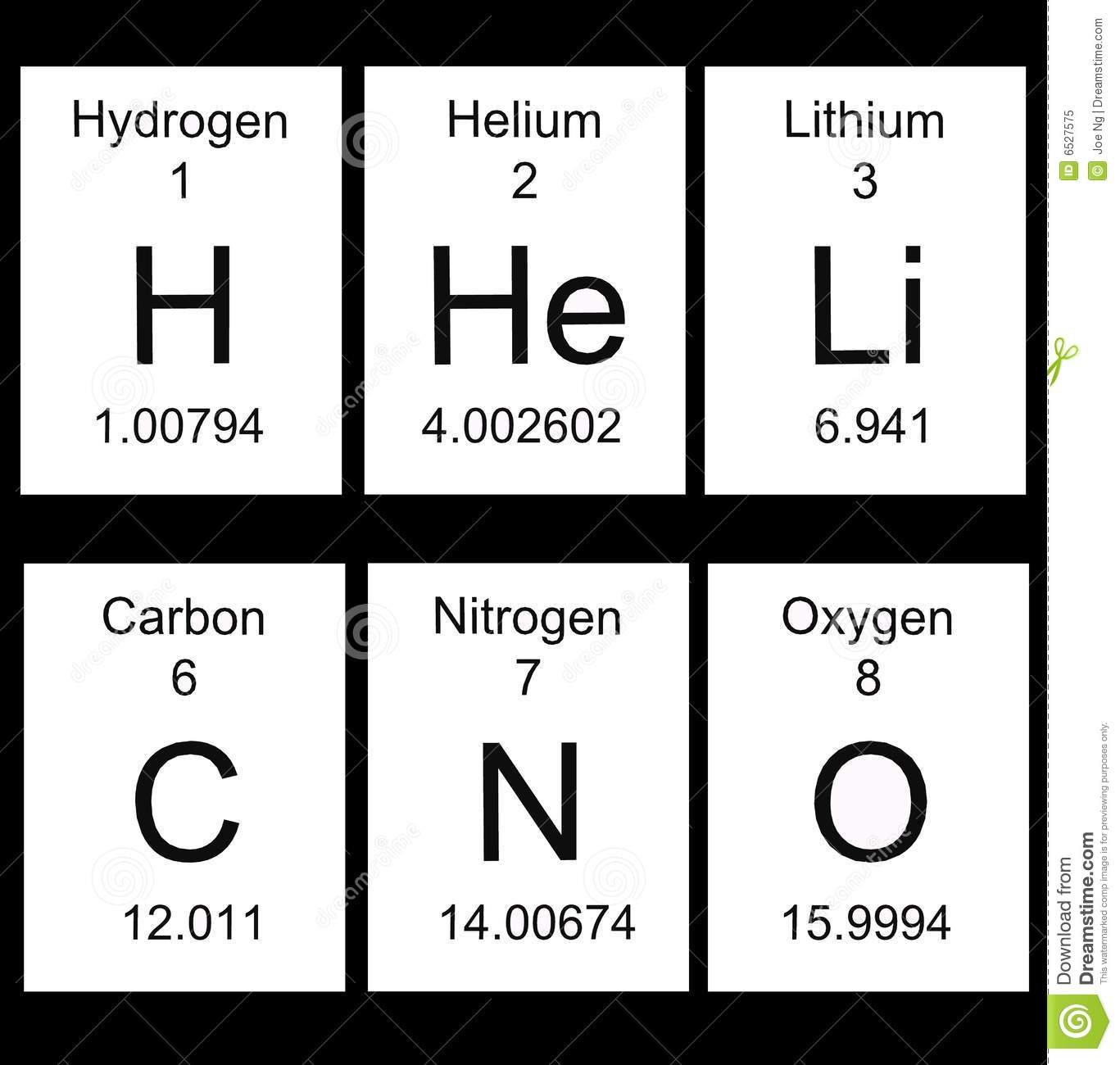
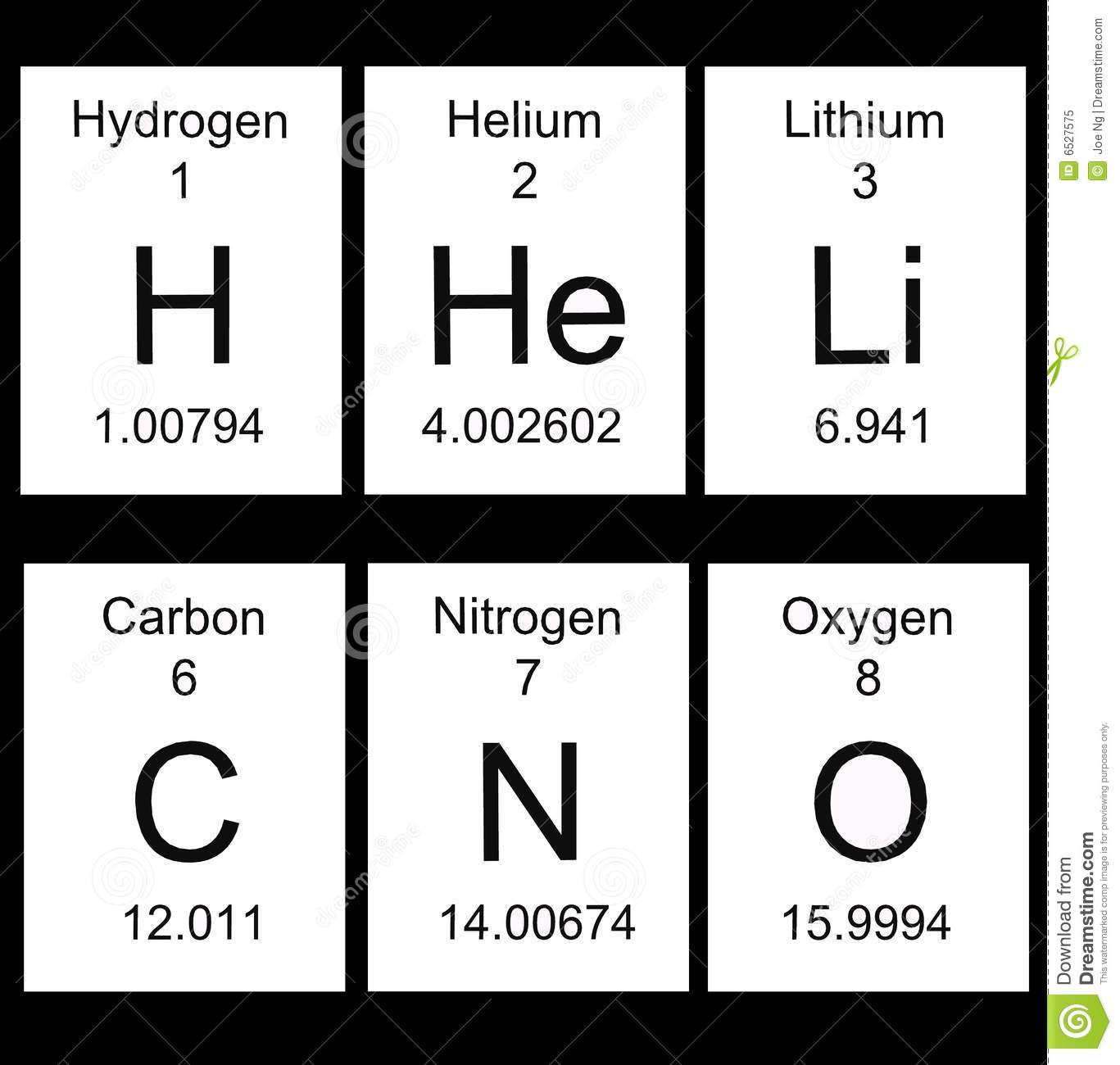


Pure forms of these elements are stored in oil so they will not react with oxygen and water in the air.
Alkali Metals
Alkaline-earth metals
Halogens
Noble Gases

What larger group of elements do not have individual group names?
Alkaline Earth Metals
Transition Metals
Alkali Metals
Halogens


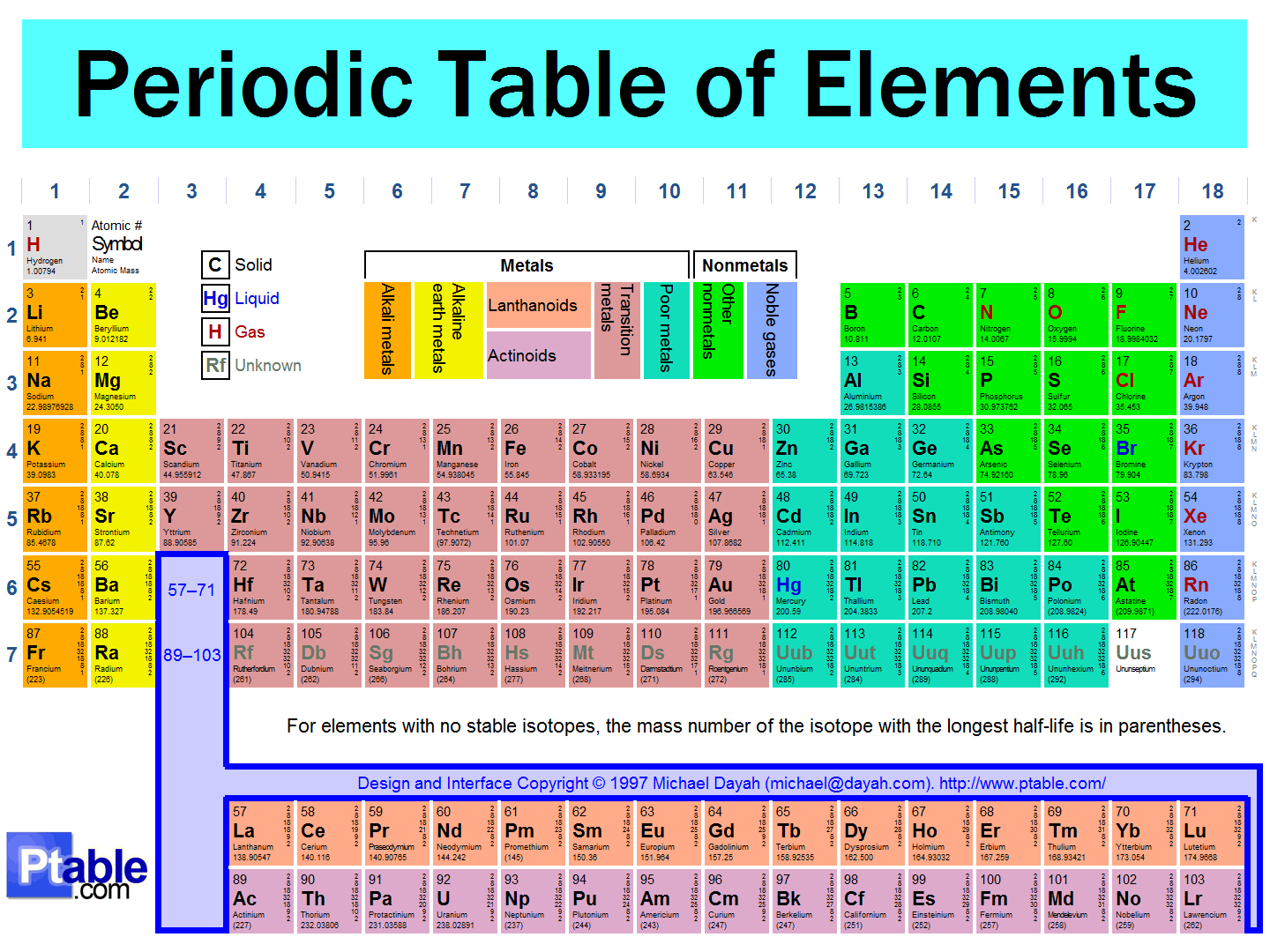
What is the common oxidation state of the alkaline earth metals (Group 2)?
+2, because they are likely to gain two electrons
+2, because they are likely to lose two electrons
-2, because they are likely to gain two electrons
-2, because they are likely to lose two electrons
What is the common oxidation state of the alkali metals (group 1)?
+1, because they are likely to gain one electron
+1, because they are likely to lose one electron
-1, because they are likely to gain one electron
-1, because they are likely to lose one electron
Which of the following alkali metals (Group 1) would be more reactive?
Lithium (Li), because it is a larger atom
Lithium (Li), because it is a smaller atom
Rubidium (Rb), because it is a larger atom
Rubidium (Rb), because it is a smaller atom
Would Neon (Ne) normally be expected to form compounds?
No, because neon needs six electrons to fill its outermost level
Yes, because neon needs six electrons to fill its outermost level
No, because neon has eight electrons in its outermost level and is unreactive
Yes, because neon has eight electrons in its outermost level and is unreactive
Which of the following is the more reactive nonmetal?
Fluorine (F), because it has a higher electronegativity
Fluorine (F), because it has a lower electronegativity
Iodine (I), because it has a higher electronegativity
Iodine (I), because it has a lower electronegativity
What is the common oxidation state of the halogens (Group 17)?
+1, because they are likely to gain one electron
+1, because they are likely to lose one electron
-1, because they are likely to gain one electron
+1, because they are likely to lose one electron
Which element, Oxygen (O) or Fluorine (F), has the smaller atomic radius?
O, because the attraction between protons and valence electrons is stronger
O, because the attraction between protons and valence electrons is weaker
F, because the attraction between protons and valence electrons is stronger
F, because the attraction between protons and valence electrons is weaker
Which of the following atoms has the highest ionization energy?
Sodium (Na)
Magnesium (Mg)
Aluminum (Al)
Phosphorous (P)

Which element has the highest electronegativity?
Ww
Xx
Yy
Zz
Which of the following statements correctly explains the trend of the atomic radius across the periodic table of elements?
Atomic radius will increase because the increasing number of electrons occupy more space creating a larger atom.
Atomic radius will increase because the increasing number of electrons overcome the pull of the protons.
Atomic radius will decrease because the increasing number of protons add mass to the outside of the nucleus.
Atomic radius will decrease because the increasing number of protons has a greater pull on the electrons.
Which of the following elements are in order, from smallest to largest, for atomic radius?
S, O, F
S, F, O
F, S, O
F, O, S
Which of the following elements are in order, from lowest to highest, for ionization energy?
S, F, O
S, O, F
F, S, O
F, O, S
Students were asked to determine which element has the higher ionization energy, Se or F. Which statement is correct?
Se is the larger atom so there is a stronger attraction between protons and valence electrons.
Se is the smaller atom so there is a stronger attraction between protons and valence electrons.
F is the larger atom so there is a stronger attraction between protons and valence electrons.
f is the smaller atom so there is a stronger attraction between protons and valence electrons.
Which group of atoms shows the correct trend in electronegativity from low to high?
Al, Cl, P, Si
I, Br, Cl, F
Si, Al, Mg, Na
Be, Mg, Ca, Sr
Which of the following list shows the correct trend for atoms in increasing ionization energy?
Na, Li, F, O, C
Na, Li, C, O, F
F, O, C, Li, Na
Li, Na, C, O, F
Which list shows the atoms in the order of decreasing atomic radii?
S, Cl, F
Cl, F, O
N, C, B
F, Cl, Br
Which of the following statements is true for the ionization energy of the calcium (Ca) atom?
It is lower than that of barium (Ba).
It is lower than that of potassium (K).
It is higher than that of krypton (Kr).
It is higher than that of strontium (Sr).
Which statement is TRUE for Group 1 Alkali Metals Family?
They will have the smallest atomic radii.
They will have the smallest ionization energies.
They will have the largest electronegativity values.
They will have the largest number of valence electrons.
Which halogen from Group 17 is more reactive, chlorine (Cl) or bromine (Br)?
Cl, because it has a smaller atomic radius.
Br, because it has a smaller atomic radius.
Cl, because it has a lower electronegativity value.
Br, because it has a lower electronegativity value.
Which of the following elements has the lowest ionization energy?
Ne, because it is stable with eight valence electrons.
P, because it is a nonmetal that will gain three electrons to obtain an octet.
Ca, because it is a small metal atom and can hold onto its electrons tightly.
Ba, because it is a large metal atom that will easily lose two valence electrons.

Four students are tasked with comparing two atoms using a periodic trend. Which student's statement is correct?
Student 1
Student 2
Student 3
Student 4
A student made the following claim, "It is easier to remove an electron from a nitrogen atom than an oxygen atom." Is the student's claim correct?
Yes, ionization energy increases across a period from left to right.
Yes, ionization energy decreases across a period from left to right.
No, ionization energy increases across a period from left to right.
No, ionization energy decreases across a period from left to right.
How does the size of a metal atom relate to the reactivity of the atom?
Larger atoms are more reactive because valence electrons are farther away from the nucleus.
Larger atoms are more reactive because valence electrons are closer to the nucleus.
Smaller atoms are more reactive because valence electrons are farther away from the nucleus.
Smaller atoms are more reactive because valence electrons are closer to the nucleus.

Which model represents the periodic trend for electronegativity?
I
II
III
IV
Which of the following explains why elements in Group 17 have higher electronegativities than Group 16, across a period?
Group 17 elements have fewer protons, so they are better able to attract electrons.
Group 17 elements have more protons, so they are better able to attract electrons.
Group 17 elements have fewer neutrons, so they are better able to attract electrons.
Group 17 elements have more neutrons, so they are better able to attract electrons.
Ionic Bonding involves:
The transfer of protons
The transfer of neutrons
The transfer of electrons
None Of the above
Covalent compounds:
Share electrons
Transfer electrons
Neither
What is a valence electron?
an electron that is found in the outermost shell of an atom.
an electron found in the innermost shell of an atom.
an electron found in the middle shell.
What is the number of valence electrons for Neon and the other Noble Gases?
5
6
7
8
If an atom transfers an electron to another atom, those atoms form which bond?
Ionic Bond, which is stronger than a covalent bonds
Covalent Bond, which is stronger than ionic bonds
Bonds that form between two metals are called ______________ bonds.
ionic
covalent
metallic
pervasive


Typically, atoms are more stable when they are
bonded together
apart from each other
Which is the correct Lewis Structure for oxygen?

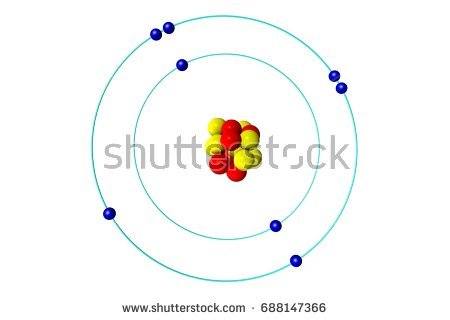
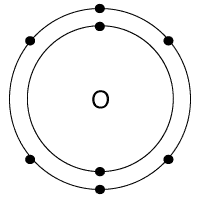
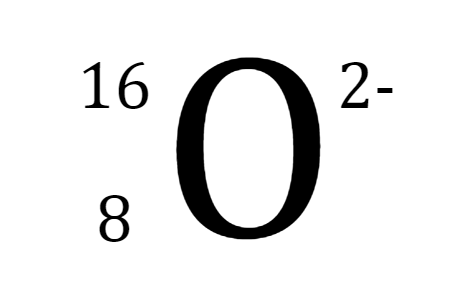
What is the correct Lewis structure for BF3?
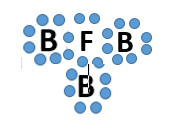
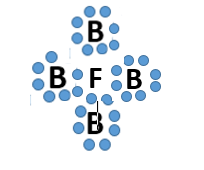

BF3 (The formula is the Lewis Structure)
CaCl2 is an example of what type of bond?
Covalent
Metallic
Ionic


Which of the following atoms is able to make electrovalent bonding with a Calcium (Cl) atom?
Fluorine
Sodium
Iron
Aluminum

Which of the following explanations correctly describes the materials?
Plastic polymers used in bottles are short molecules that create a non-flexible structure.
Plastic polymers used in bottles are long molecules that create a very flexible structure.
Calcium carbonate is a short molecule that creates a very flexible structure.
Calcium carbonate is a long molecule that creates a non-flexible structure.
Which group of nonmetals will react with Group 1 metals to form a compound in a one-to-one ratio?
Group 15
Group 16
Group 17
Group 18

Which substance would be brittle, have a high boiling point, and be a good conductor of heat?
Model A, because it is an ionic compound.
Model B, because it is an ionic compound.
Model A, because it is a polar covalent compound.
Model B, because it is a polar covalent compound.

How does the electronegativity of lithium (Li) compare with that of nitrogen (N)?
These two elements would most likely form an ionic bond by sharing electrons.
These two elements would most likely form a covalent bond by sharing electrons.
These two elements would most likely form an ionic bond by transferring electrons.
These two elements would most likely form a covalent bond by transferring electrons.

Which model represents an ionic compound?
Model A, because there is a transfer of electrons resulting in a cation and anion.
Model A, because there is an unequal sharing of electrons resulting in partial positive and partial negative charges.
Model B, because there is a transfer of electrons resulting in a cation and anion.
Model B, because there is an unequal sharing of electrons resulting in partial positive and partial negative charges.

Which model represents the diatomic molecule F2?
Model A, because it shows charged particles transferring electrons between the Fluorine atoms.
Models A and C, because it is a charged particle so the bonding shows fluorine with a negatively charged anion.
Model B, because it is an equal sharing of electrons since fluorine has an electronegativity difference of zero.
Model C, because it shows a sharing of electrons by making an anion and cation which allows two Fluorines to bond with each other.

What type of bond would you predict to be formed between new elements located at the bottom of columns E and G?
Ionic, because element E is a metal and bonds with G, a nonmetal, to combine in a 1:1 ratio.
Ionic, because element E is a metal and bonds with G, a nonmetal, to combine in a 1:7 ratio.
Nonpolar covalent, because element E is a metal and bonds with G, a nonmetal, to combine in a 1:1 ratio.
Nonpolar covalent, because element E is a metal and bonds with G, a nonmetal, to combine in a 1:7 ratio.

Based on the data, which substance has the strongest intermolecular forces?
Substance 1
Substance 2
Substance 3
Substance 4

Which of the following tests will MOST help them to infer the strength of intermolecular forces between ionic and covalent compounds?
Color
Melting Point
Solubility in water
Texture, grain size
Students in class argue about whether salt (NaCl) or water (H2O) has stronger intramolecular forces. Which argument is BEST?
Water is a common material, so water has stronger intramolecular forces.
Salt is a solid and water is a liquid, so water has stronger intramolecular forces.
Water is attracted to salt and salt dissociates, so water has stronger intramolecular forces.
Salt never melted and water has a lower boiling point, so salt has stronger intramolecular forces.
Two students are planning an investigation to determine if ionic or covalent bonds have stronger intermolecular forces. Which one of the tests would be relevant to their experiment?
Density
Viscosity
Malleability
Conductivity in water

Based on the boiling point data, which sample has the highest viscosity?
Sample 1
Sample 2
Sample 3
Sample 4

Which substances are gases at room temperature (25oC)?
Substances 1 & 2, because they have weaker intermolecular forces.
Substances 1 & 2, because they have stronger intermolecular forces.
Substances 3 & 4, because they have weaker intermolecular forces.
Substances 3 & 4, because they have stronger intermolecular forces.

Which substance has stronger intermolecular forces?
Substance 1, because it has a lower melting point, so the molecules have a weak attraction to one another
Substance 1, because it has a lower melting point, so the molecules have a strong attraction to one another
Substance 2, because it has a higher melting point, so the molecules have a strong attraction to one another
Substance 2, because it has a higher melting point, so the molecules have a weak attraction to one another.

What is the identity of the unknown powder, KCl or C10H8?
KCl is the identity of the unknown powder because the data shows properties of ionic compounds.
KCl is the identity of the unknown powder because the data shows properties of covalent compounds.
C10H8 is the identity of the unknown powder because the data shows properties of ionic compounds.
C10H8 is the identity of the unknown powder because the data shows properties of covalent compounds.

Which substances should the students use if they are trying to design an electrically conductive material?
Models A and B, because the majority of materials on Earth are made of these
Models A and C, because they contain ions, so they can conduct electricity
Models B and C, because gases and metals can conduct electricity
Models A, B, and C, because all compounds can conduct electricity

An engineer is developing a new material that would allow electricity to flow. Which of the following materials would an engineer choose and why?
Carbon, because it is a good insulator
Copper, because it is a good conductor
Carbon, because it contains ions that have the ability to conduct electricity
Copper, because it contains ions that have the ability to conduct electricity

What type of bond would be formed between hypothetical element X and Y in the compound XY based on their electronegativity difference?
Nonpolar covalent, because the difference in electronegativity is greater than 1.7
Nonpolar covalent, because the difference in electronegativity is greater than 0.4, but less than 1.7
Polar covalent, because the difference in electronegativity is greater than 0.4, but less than 1.7
Ionic, because the difference in electronegativity is greater than 0.4, but less than 1.7

Which model represents a nonpolar molecule?
Model A, because there is a transfer of electrons
Model B, because there is a transfer of electrons
Model A, because there is an equal sharing of electrons
Model B, because there is an equal sharing of electrons

Which of the following BEST describes the conductivity of Model A?
It is not conductive because no ions are formed due to the equal sharing of electrons.
It is not conductive because ions are formed due to the unequal sharing of electrons.
It is conductive because no ions are formed due to the equal sharing of electrons.
It is conductive because ions are formed due to the unequal sharing of electrons.

A forensic scientist collected the following data of an unknown powder from a crime scene. What is the identity of the unknown powder, KCl or C10H8?
KCl, because the data shows properties of ionic compounds
KCl, because the data shows properties of covalent compounds
C10H8, because the data shows properties of ionic compounds
C10H8, because the data shows properties of covalent compounds
What question would a student need to ask to form a compound with Group 16 nonmetals?
Will group 16 elements lose electrons to bond with Group 1 in an X2Y format?
Will group 16 elements lose electrons to bond with Group 2 in an XY format?
Will group 16 elements lose electrons to bond with Group 2 in an XY format?
Will group 16 elements lose electrons to bond with Group 1 in an XY2 format?
Which of the following questions should a student ask before naming a covalent compound?
Does the compound contain a cation?
Does the compound contain a polyatomic ion?
Should there be a prefix on the first element?
What is the oxidation number of each element?
When magnesium chloride is formed, what question will the student need to ask prior to writing the formula?
What period does magnesium belong to?
What are the oxidation numbers of each atom?
What is the total number of electrons for each atom?
What is the state of matter of each element in the formula?
Which of the following compounds has the general formula X3Y2?
Al3O2, because the cation has a +2 charge and bonds ionically with Group 16 in a 2:3 ratio
Al3O2, because the cation has a +3 charge and bonds ionically with Group 16 in a 3:2 ratio
Mg3N2, because the cation has a +3 charge and bonds ionically with Group 15 in a 2:3 ratio
Mg3N2, because the cation has a +2 charge and bonds ionically with Group 15 in a 3:2 ratio

What type of bond is formed by the elements and what is the formula?
Ionic bond; the formula is Mg2Cl
Ionic bond; the formula is MgCl2
Covalent bond; the formula is Mg2Cl
Covalent bond; the formula is MgCl2
Use the periodic table to answer the following question. What is the formula for iron (II) chloride?
Fe2Cl
I2Cl
Fe2Cl2
FeCl2

Which statement BEST describes how many chlorine atoms are needed when making calcium chloride?
1 chlorine atom is needed because chlorine donates one valence electron to calcium
1 chlorine atom is needed because chlorine accepts one valence electron from calcium
2 chlorine atoms are needed because each chlorine accepts one valence electron from calcium
2 chlorine atoms are needed because each chlorine donates one valence electron to calcium
Two students are planing to carry out an experiment to infer the strength of intramolecular forces. Which experiment would BEST accomplish this goal?
Measure the mass of each substance
Compare the viscosity of each substance
Determine the melting point of each substance
Compare the state of matter at room temperature
Which of the following are physical properties of substances with strong intermolecular forces?
High boiling point and low viscosity
High boiling point and high viscosity
Low boiling point and high viscosity
Low boiling point and low viscosity

Which substance has the strongest intermolecular forces?
Unknown 1
Unknown 2
Unknown 3
Unknown 4

An unknown substance dissolves in water, but separates and floats in oil. What is the identity of the unknown substance and why?
Ammonia, because polar substances dissolve in water, and the density must be less than 0.9 g/mL for it to float in the oil.
Chloroform, because polar substances dissolve in water, and the density must be greater than 0.91 g/mL for it to float in the oil
Gasoline, because nonpolar substances dissolve in water, and the density must be less than 0.91 g/mL for it to float in the oil
Polyethylene, because nonpolar substances dissolve in water, and the density must be greater than 0.91 g/mL for it to float in the oil
Which type of chemical reaction is defined by this equation: AB ➔ A + B
Synthesis
Decomposition
Single Replacement
Double Replacement
Which type of chemical reaction is defined by this equation: AB + C ➔ A + CB
Synthesis
Decomposition
Single Replacement
Double Replacement
Which type of chemical reaction is defined by this equation:
AB + CD ➔ AD + CB
Synthesis
Decomposition
Single Displacement
Double Displacement
Which type of chemical reaction is defined by this equation: A + B ➔ AB
Synthesis
Decomposition
Single Replacement
Double Replacement
What type of chemical reaction is this equation: 2 H2O ➔ 2 H2+ O2
Synthesis
Decomposition
Single Replacement
Double Replacement
What type of chemical reaction is this equation: HCl + NaOH ➔ NaCl + H2O
Synthesis
Decomposition
Single Replacement
Double Replacement
What type of chemical reaction is this equation: 2 Al + 3 NiBr2 ➔ 2 AlBr3+ 3 Ni
Synthesis
Decomposition
Single Replacement
Double Replacement
What type of chemical reaction is this equation: AgNO3+ KI ➔ KNO3+ AgI
Synthesis
Decomposition
Single Replacement
Double Replacement
Which type of chemical reaction is this equation: N2 + 3 H2 ➔ 2 NH3
Synthesis
Decomposition
Single Replacement
Double Replacement
Which type of chemical reaction is this equation: Ag2S ➔ 2 Ag + S
Synthesis
Decomposition
Single Replacement
Double Replacement
Which type of chemical reaction is this equation: Zn + 2 HCl ➔ ZnCl2+ H2
Synthesis
Decomposition
Single Replacement
Double Replacement
What type of chemical reaction is this equation: 4 Fe + 3 O2 ➔ 2 Fe2O3
Synthesis
Decomposition
Single Replacement
Double Replacement
The starting materials in a chemical reaction are called the...
Products
Reactants
Starters
Enders
A substance that is formed as the result of a chemical reaction is called the...
Product
Reactant
Starter
Ender
An atom or molecule which has gained or lost one or more of its valence electrons is called a/an...
Covalent Bond
Chemical Formula
Ion
Compound
A bond in which one or more electrons from one atom are removed and attached to another atom, resulting in positive and negative ions which attract each other is called a/an...
Covalent Bond
Ionic Bond
Reaction Bond
Null Bond
A bond in which one or more pairs of electrons are shared by two atoms is called a/an...
Covalent Bond
Ionic Bond
Reaction Bond
Null Bond
A solid that is deposited from a solution is called a...
Solid
Liquid
Product
Precipitate
In a single displacement reaction between Al2S3 and Li, what products will form and why?
Li2S and Al because metals replace metals and Li2S balances the oxidation numbers (charges)
Li2S3 and Al because metals replace metals and Li2S3 balances the oxidation numbers (charges)
Li3Al and S because metals replace nonmetals and Li3Al balances the oxidation numbers (charges)
Li2Al3 and S because metals replace nonmetals Li2S3 balances the oxidation numbers (charges)
Use the information to answer the following question.
A2B + X2 ➔ 2 AX + B
A=Ca, B=S, X=F
A=Ca, B=F, X=S
A=K, B=S, X=I
A=K, B=I, X=S
Lithium oxide (Li2O) reacts with an unknown element as shown in the general equation: Li2O + X ➔ LiX + O2
What is the identity of element X in the reaction shown?
Fluorine because it has a higher electronegativity than oxygen and an oxidation number of +1.
Fluorine because it has a higher electronegativity than oxygen and an oxidation number of -1.
Fluorine because it has a lower electronegativity than oxygen and an oxidation number of +1.
Fluorine because it has a lower electronegativity than oxygen and an oxidation number of -1.
In a single displacement reaction between CaS and Na, which statement BEST explain the products formed?
Sodium (Na) replaces calcium (Ca) because they are both metals and have positive oxidation numbers.
Sodium (Na) replaces calcium (Ca) because they are both metals and have negative oxidation numbers.
Sodium (Na) replaces calcium (Ca) because they are both nonmetals and have positive oxidation numbers.
Sodium (Na) replaces calcium (Ca) because they are both nonmetals and have negative oxidation numbers.
HCl (aq) + NaOH (aq) ➔ NaCl (s) + H2O (l)
Mass of Substance in Grams (g)
HCl 36.5g
NaOH 40.0g
NaCl 58.5g
H2O ?g
Which mass of water is expected to be produced in the reaction?
76.5 g, because mass cannot be created or destroyed
76.5 g, because the mass of the products must equal the mass of the reactants
18.0 g, because mass is created to form the products
18.0 g, because the mass of the products must equal the mass of the reactants
2Li + 2H2O ➔ ____ LiOH + H2
When the equation is balanced, what coefficient is needed for LiOH?
1
2
3
4
2 MgO + 2X2 ➔ 2 MgX2 + O2
What are the potential identities of X?
Cl 1-
O 1-
Cl 1+
O 1+

