Wayground logo

Free Printable Worksheets

Font size

S
M
L
XL
Worksheets

Y6 End of Year Quiz

Total questions: 139

Worksheet time: 2hrs 15mins

Name
Class
Date
1.

All matter is made of what...

a)

energy

b)

atoms

c)

electrons

d)

compounds

2.

The positive particles of an atom are

a)

electrons

b)

positrons

c)

neutrons

d)

protons

3.

Particles in an atom that are neutral and have no charge are

a)

negatrons

b)

electrons

c)

neutrons

d)

protons

4.
A particle that moves around the nucleus is a(n)...
a)
Proton
b)
Neutron
c)
Electron
d)
Quark
5.

What is the center of the atom called?

a)

Orbital

b)

Ring

c)

Nucleus

6.

What are atoms made up of?

a)

Protons, neutrons, electrons

b)

Protons, nucleus, electrons

c)

Proteins, neutrons, electrons

7.

Which particles are found in the nucleus?

a)

Electrons and protons

b)

Electrons and neutrons

c)

Protons and neutrons

8.
Matter can not be created nor destroyed: it can only be
a)
Destroyed a little bit
b)
Invisible
c)
Transformed, changed
d)
None of the above
9.
The Law of Conservation of Energy states:
a)
Energy can created or destroyed but not transformed 
b)
Energy cannot be created or destroyed, it can only transformed
c)
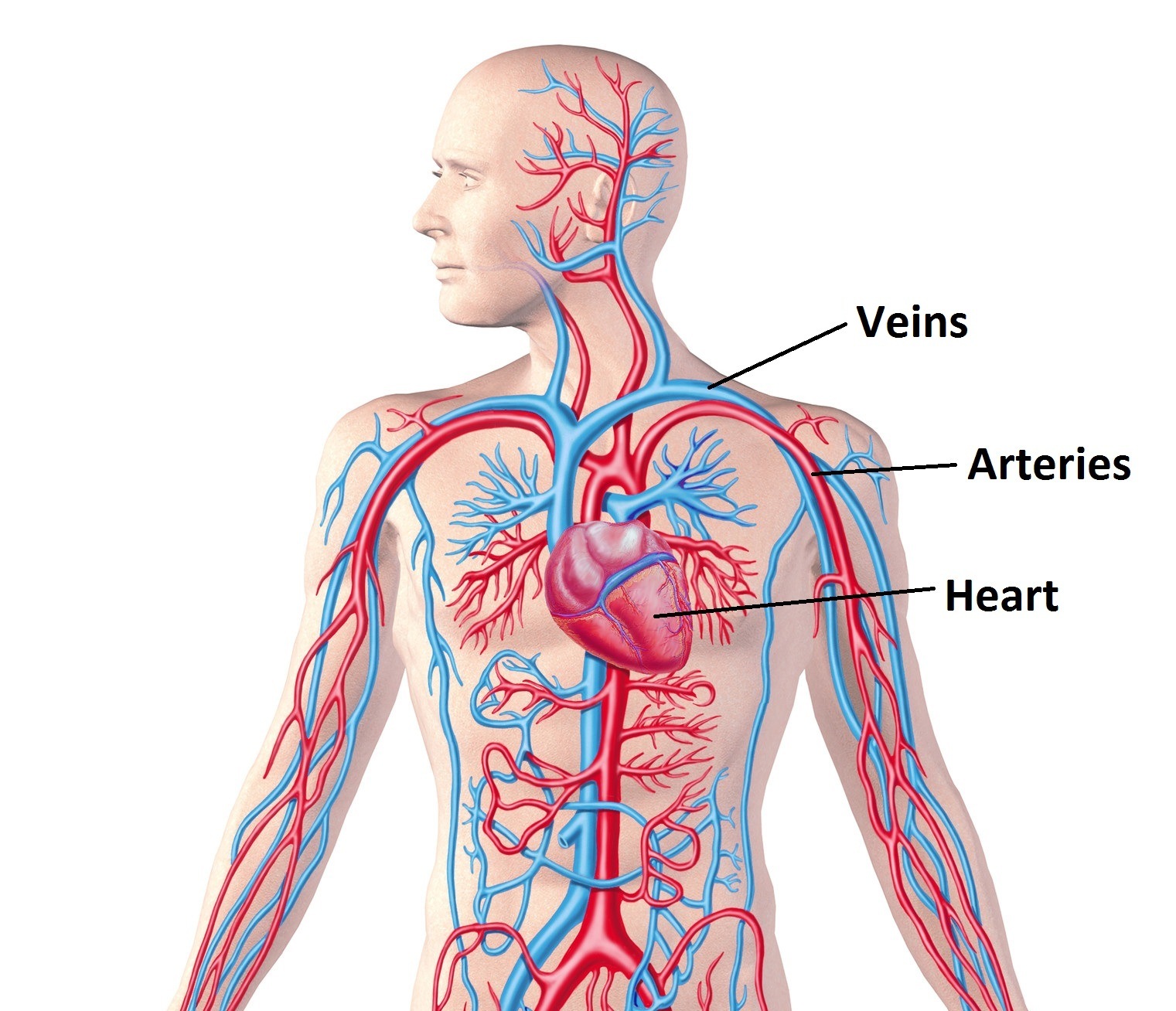
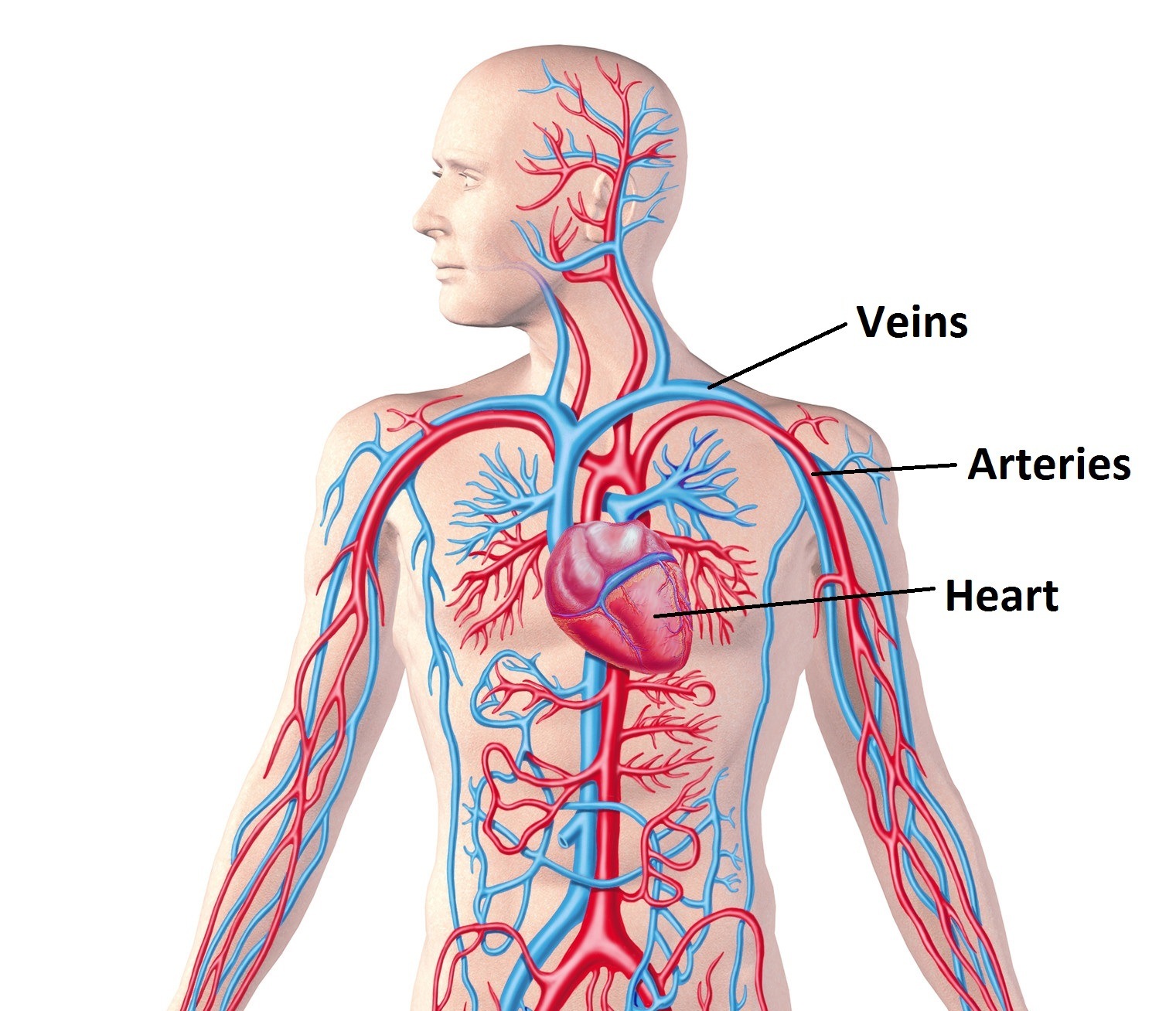
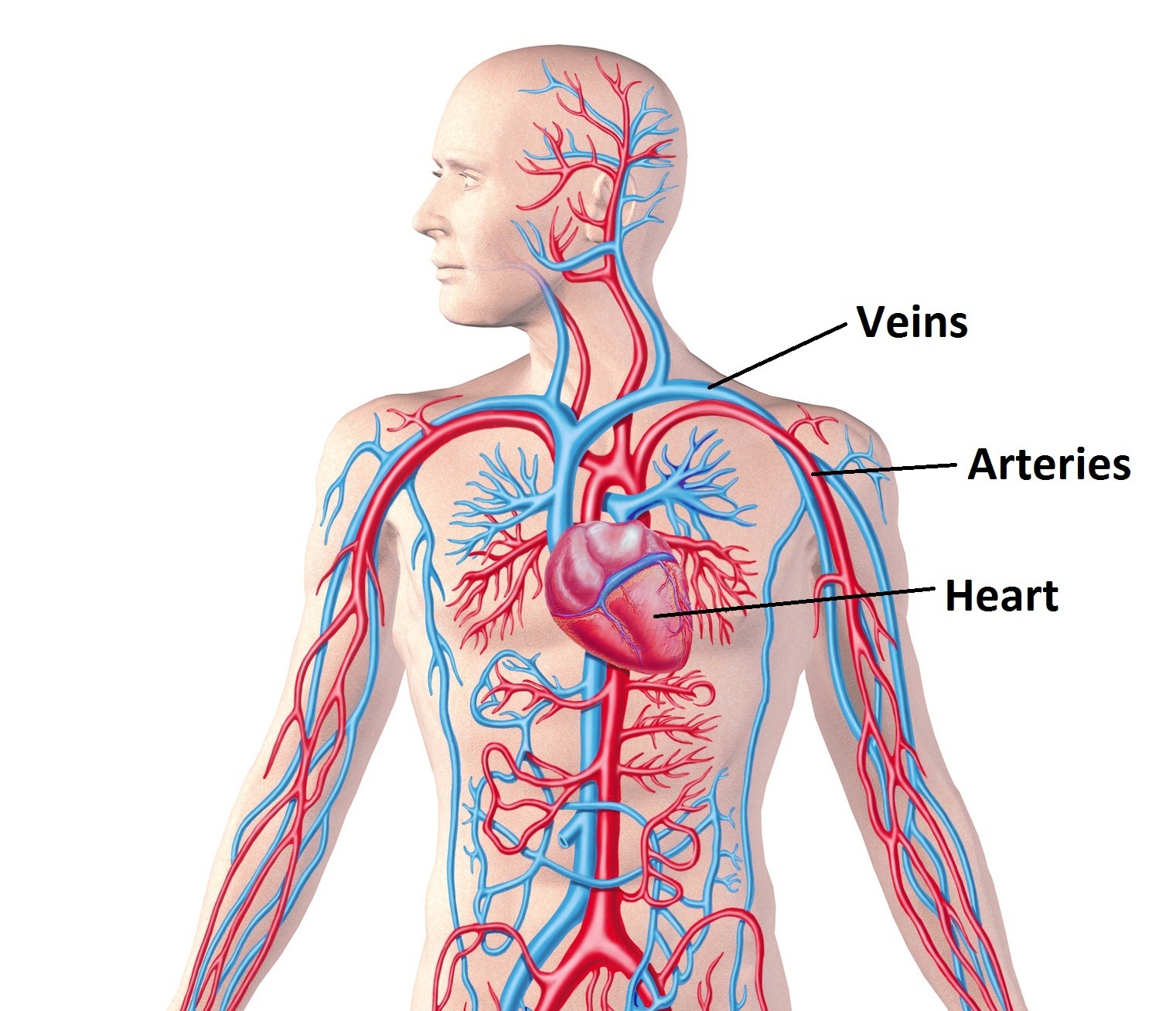
Energy can't be created, destroyed or transformed
10.
Which energy transformation below matches?
Water moving over a dam to move a generator?
a)
kinetic to chemical
b)
kinetic to electrical
c)
solar to electrical
11.
Which energy transformation below matches?
A book falling?
a)
chemical to sound and heat
b)
kinetic to sound and heat
c)
electrical to sound and heat
12.
Which energy transformation below matches?
Animals eating food?
a)
electrical to potential
b)
chemical to kinetic
c)
potential to chemical
13.
Potential or kinetic?
Stretched bow and arrow?
a)
kinetic
b)
potential
14.
Potential or kinetic?
Running?
a)
potential
b)
kinetic
15.

Which object shows an energy transformation from electrical → kinetic → sound?

a)
b)
c)
d)
16.
What is energy changing from one form to another?
a)
energy conservation
b)
energy transformation
c)
energy creation
d)
mechanical energy
17.
The Law of Conservation of matter states that the total amount of matter ______________ after it undergoes change.
a)
disappears
b)
stays the same
c)
weighs less
d)
explodes
18.
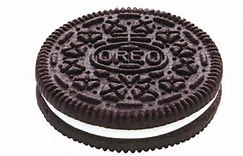
An oreo cookie weighs 20 grams.  It gets crushed into crumbs for a recipe.  How much do its crumbs weigh?
a)
15 grams
b)
25 grams
c)
20 grams
19.
How many Sodium (Na) are in 6NaCl?
a)
1
b)
12
c)
6
20.
Every living organism is made up of one or more cells
a)
True
b)
False
21.
A cell is...
a)
the basic unit of structure and function in living organism
b)
an organism
c)
a basic part of everything that we see
d)
found only in animals, not plants
22.
Which of the following are NOT found in animal cells
a)
chloroplasts and cytoplasm
b)
chloroplasts and cell wall
c)
cell wall and cell membrane
d)
mitochondria and nucleus
23.
What do vacuoles do? 
a)
They actually do not have an important role
b)
They protect the cell
c)
They are the brain of the cell
d)
storage area for cells; water storage in plants 
24.

Bacteria is classified as a what?

a)

Prokaryote

b)

Eukaryote

25.

A group of organs working together create an

a)

organelle

b)

organ

c)

organ system

d)

organism

26.
The main function of chloroplasts is:
a)
To control what enters and leaves the cell.
b)
To break down food to release energy for the cell.
c)
To control all activities of the cell.
d)
To produce food for the cell using the sun's energy.
27.
Which piece of equipment is the best to use to observe the structure of a cell?
a)
magnifying glass
b)
binoculars
c)
telescope
d)
microscope
28.
What organelle is NOT found in animal cells?
a)
chloroplast
b)
cell membrane
c)
nucleus
d)
mitochondria
29.
Which of the following is found in plant cells but not in animal cells?
a)
nucleus
b)
cell membrane
c)
vacuoles
d)
chloroplasts
30.
What is the jelly-like substance inside of cells called?

a)
chloroplast
b)
photosynthesis
c)
cell membrane
d)
cytoplasm
31.

I provide plant cells their rigid shape. I am the...

a)

Basketball that Nic Quarne left in Mr. Woller's room last week

b)

Cytoskeleton

c)

Cell Membrane

d)

Cell Wall

32.

What do scientists call the parts of the cell?

a)

organisms

b)

organelles

c)

cell walls

d)

ribosomes

33.
The kingdom of _____________ includes vertebrates and invertebrates.
a)
mammalia
b)
animalia
c)
plants
d)
chordata
34.
Scientists classify animals by their...
a)
Color
b)
Size
c)
Characteristics
d)
Sound
35.
Animals that have backbones are...
a)
Vertebrates
b)
Invertebrates
c)
Mollusk
d)
Lobster
36.
Invertebrates do not have backbone, but they could have an...
a)
Wings
b)
Shell
c)
Exoskeleton
d)
Mouth
37.
Cold blooded animals with scaly dry skin are...
a)
Fish
b)
Reptiles
c)
Amphibians
d)
 Mammals
38.
Warm blooded animals that feed their babies with milk....
a)
Mammals
b)
Birds
c)
Insects
d)
amphibians
39.
Vertebrates that spend part of their lives in water and part of their lives on land....
a)
Mollusk
b)
Amphibians
c)
Mammals
d)
Fish
40.
Vertebrates that have fins to move and gills to breathe....
a)
Fish
b)
Amphibians
c)
Platypus
d)
Insects
41.
How are vertebrates and invertebrates alike?
a)
They fly
b)
They have backbones
c)
They don't have backbones
d)
They reproduce
42.
Which animal is an amphibian?
a)
fish
b)
frog
c)
duck
d)
lemur
43.
The ________ of the fish allow it to take in oxygen.
a)
fins
b)
gills
c)
scales
d)
lungs
44.
What is the only type of animal that has feathers?
a)
bird
b)
mammal
c)
amphibian
d)
reptiles
45.
What classification of animals do humans belong to?
a)
fish
b)
mammals
c)
reptiles
d)
amphibians
46.
Which animal is warm blooded?
a)
reptiles
b)
fish
c)
mammals 
d)
amphibians
47.
This is a 
a)
Reptile
b)
Fish
c)
Mammal
d)
Amphibian
48.
This is a 
a)
Reptile
b)
fish
c)
amphibian
d)
mammal
49.
This is a 
a)
Reptile
b)
Fish
c)
Mammal
d)
Amphibian
50.
This is a 
a)
Reptile
b)
Bird
c)
Mammal
d)
Fish
51.
Which of the following is NOT a characteristic of animals?
a)
All animals have a definite shape.
b)
All animals are many- celled.
c)
All animals use energy.
d)
The cells of all animals have nuclei and organelles.
52.
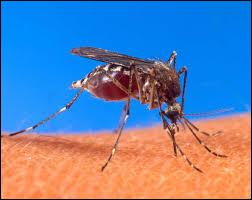
Mosquito  belongs to what kingdom?
a)
Animal Kingdom
b)
Plant Kingdom
c)
Fungi Kingdom
d)
Protista Kingdom
53.

Organisms in this smallest taxonomic group share many characteristics.

a)

domain

b)

kingdom

c)

species

d)

class

54.

The science of describing, classifying, and naming living things is called:

a)

Geology

b)

Biology

c)

Taxonomy

d)

Chemistry

55.

The scientific name for an organism is made from the:

a)

class and family name

b)

genus and species name

c)

domain and kingdom name

d)

kingdom and phylum name

56.

Which 2 organisms would be able to reproduce and produce fertile offspring?

a)

2 organisms in the same class

b)

2 organisms in the same family

c)

2 organisms in the same genus

d)

2 organisms in the same species

57.

Who first proposed binomial nomenclature as a way of classifying organisms?

a)

Carolus Linnaeus

b)

Aristotle

c)

Charles Darwin

d)

Louis Pasteur

58.

What is the correct order of taxonomy?

a)

Kingdom, pylum, class, species, genus, family, class

b)

Species, genus, family, order, class, phylum, kingdom

c)

Kingdom, phylum, class, order, family, genus, species

d)

species, phylum, order, class, kingdom, family, genus

59.
Which of the following organisms are LEAST closely related?
a)
organisms that share a domain
b)
organisms that share a family 
c)
organisms that share a genus 
d)
organisms that share a species 
60.
Use the diagram answer the question.
What is a fitting description for this diagram?
a)
A Food Chain
b)
An Ecosystem
c)
A Food Web
d)
Biotic and Abiotic Factors
61.
The deer, grasshopper, and bird are all examples of which type of consumers on this food pyramid?
a)
decomposers
b)
omnivores
c)
carnivore
d)
herbivore
62.
Example of a decomposer
a)
fungus
b)
mouse
c)
plants
d)
frogs
63.
A tree is a ....
a)
composer
b)
decomposer
c)
producer
64.

Humans are considered...

a)

consumers

b)

decomposers

c)

producers

65.
What does every food chain start with?
a)
producers
b)
sun
c)
consumer
d)
decomposers
66.
Consumer that eats plants
a)
heterotroph
b)
herbivore
c)
producer
d)
community
67.
Which of the following is NOT a consumer
a)
grass
b)
dog
c)
shark
d)
fish
68.
A connection of food chains with many food energy paths in an ecosystem is a ____________
a)
ecosystem
b)
food web
c)
environment
69.
The way energy is passed from one organism to another
a)
food chain
b)
energy
c)
extinct
d)
habitat
70.
What is this called?
a)
Food Web
b)
Food Chain
c)
Abiotic Factors
71.
Where does the energy start in this food chain?
a)
Plant
b)
Sun
c)
Deer
d)
Wolf
72.
Which food chain is in the correct order?
a)
cat, grass, bird, snail
b)
bird, snail, grass, cat
c)
grass, snail, bird, cat
d)
grass, cat, bird, snail
73.
In the winter, the birds will __________ to a warmer climate.
a)
migrate
b)
hibernate
c)
tropical
d)
habit
74.
Animals that adapt...
a)
Stay the same
b)
Change certain characteristics to survive
c)
Bake cookies
75.
What do Omnivores eat? 
a)
Plants ONLY 
b)
Animals ONLY
c)
Plants AND Animals
76.
What do Herbivores eat? 
a)
Plants ONLY 
b)
Animals ONLY
c)
Plants AND Animals
77.
What animal is on the top of the food chain? 
*Remember Humans are on the top of all food chains because we do not get hunted. 
a)
Grass
b)
Grasshopper
c)
Mouse
d)
Owl
78.
Who does the owl get energy from? 
a)
Grass
b)
Grasshopper
c)
Mouse
d)
Ow
79.

What are "apex predators?"

a)

primary consumers

b)

top predators

c)

producers

80.

There are apex predators in every ecosystem on Earth.

a)

True

b)

False

81.

Bones are alive and can heal.

a)

True

b)

False

82.

The set of bones inside your head that protects your brain is called ____________.

a)

femur

b)

backbone

c)

skull

83.

Which of the following body systems work together for support, protection, and movement?

a)

respiratory and circulatory

b)

skeletal and muscular

c)

skeletal and respiratory

d)

digestive and respiratory

84.

Which of the following is NOT a function of bones?

a)

Protection

b)

Support

c)

Movement

d)

Blood movement

85.
Humans have ______ bones in their bodies, on average.
a)
106
b)
201
c)
206
86.

The ribs protect your...

a)

heart

b)

lungs

c)

all of the above

87.

There are 4 types of bone shapes, including:

a)

long, short, flat, irregular

b)

big, small, flat, irregular

c)

long, short, fat, irregular

88.

Babies have more bones than adults.

a)

True

b)

False

89.

How many types of muscles are there?

a)

2

b)

4

c)

3

d)

1

90.

Smooth Muscle is found in the?

a)

Heart

b)

Facial

c)

Organs

d)

Legs

91.
Cardiac muscle is only found where? 
a)
Lungs
b)
Heart
c)
Kidney's 
d)
Liver
92.
What are the 3 types of muscles?
a)
Cardiac, smooth and skeletal
b)
Cardiac, skeletal, prime
c)
Flexion, extension, smooth
d)
Skeletal, smooth, stringy
93.
What is a voluntary muscle?
a)
You have control over the muscle 
b)
You have no control over the muscle
c)
Muscle works automatically
d)
Muscles fuse together
94.
Skeletal muscles are attached to the _________.
a)
Stomach
b)
Lungs
c)
Skeleton
d)
Involuntary Muscles
95.

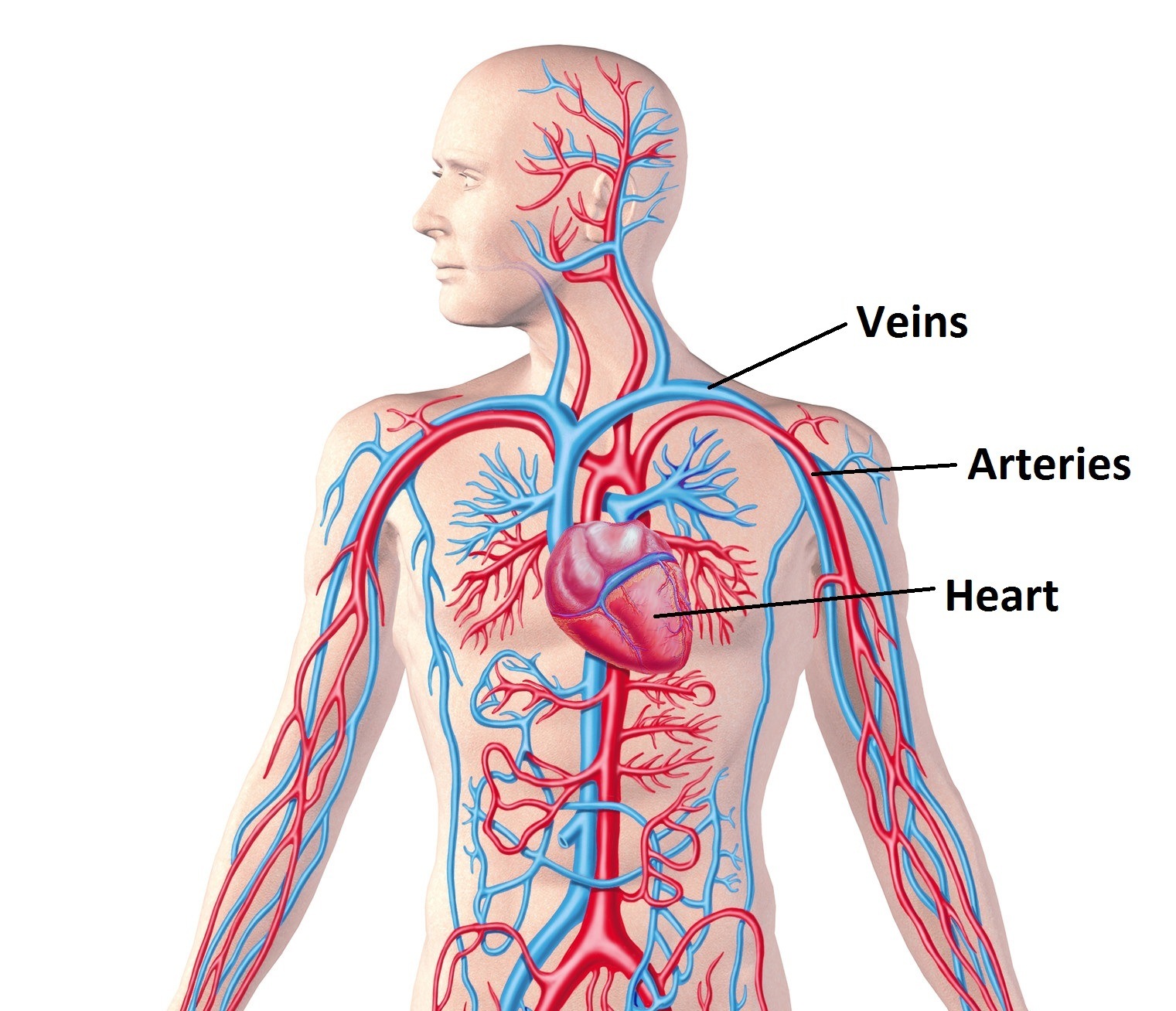
Which system allows blood to circulate throughout the body to transport oxygen and nutrients to all the cells and tissues?

a)

Nervous

b)

Respiratory

c)

Circulatory

96.

The circulatory system works with the __________ system to obtain energy from nutrients that we eat.

a)

respiratory

b)

digestive

c)

skeletal

d)

nervous

97.

What is the main organ of the circulatory system?

a)

small intestine

b)

bone

c)

lungs

d)

heart

98.

The job of the heart is to . . .

a)

pump blood around the body.

b)

send food to the small intestines.

c)

break down food.

d)

give energy to the body.

99.

The circulatory system works with the ___________ system to provide our body with oxygen.

a)

respiratory

b)

digestive

c)

muscular

100.

What is the circulatory system made up of?

a)

Lungs, blood, blood vessels

b)

Liver, kidneys, and stomach

c)

Heart, Blood Vessels, and Blood

101.

Where does the digestive system start?

a)

The liver

b)

The throat

c)

The stomach

d)

The mouth

102.

What part(s) of the digestive system mechanically and chemically break(s) down food?

a)

mouth

b)

stomach

c)

both the mouth and stomach

d)

small intestine

103.

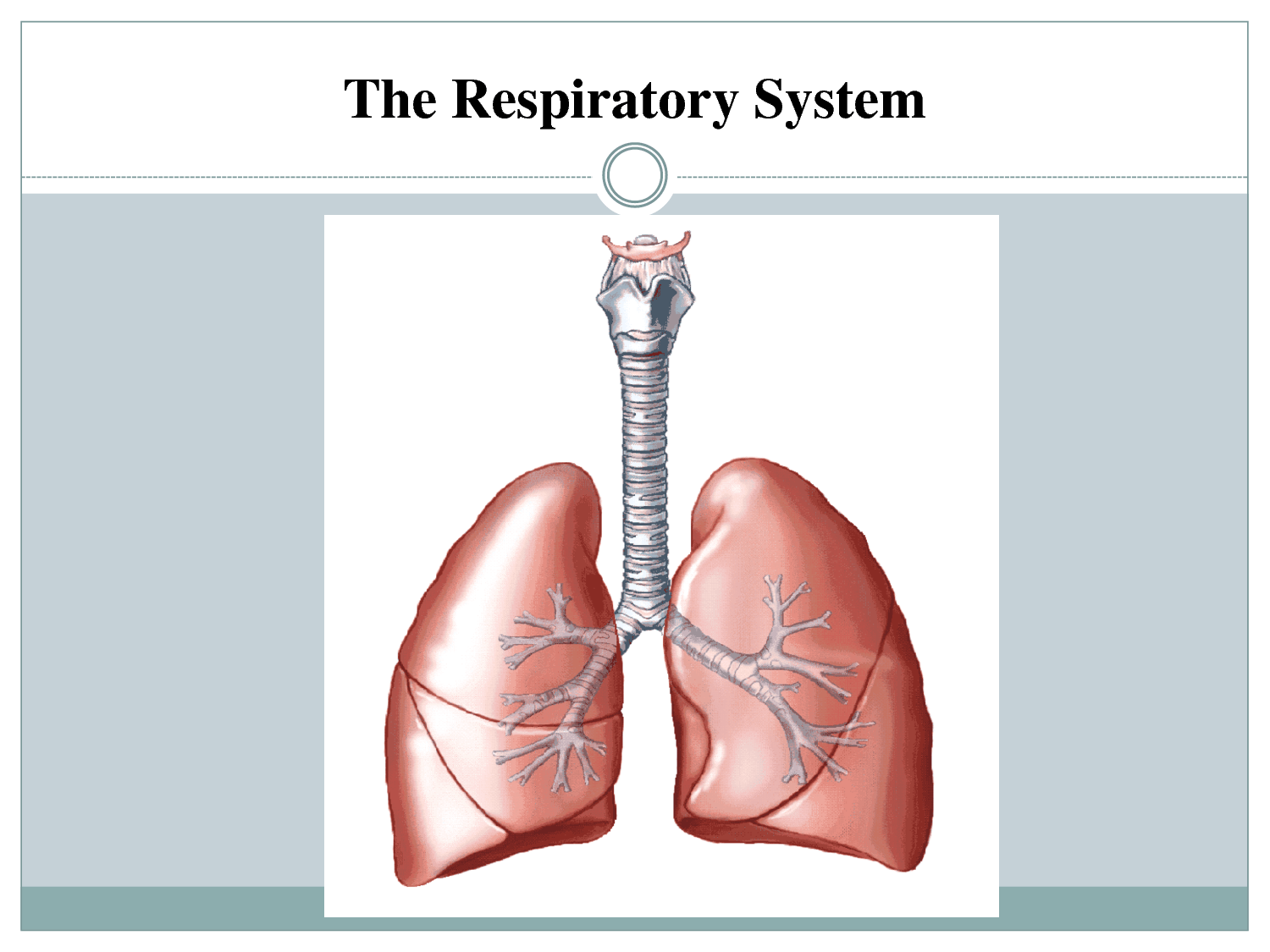
What is the main function of the respiratory system?

a)

to provide oxygen and remove carbon dioxide from the body

b)

o break down food and absorb nutrients

c)

to remove oxygen from the body and deliver carbon dioxide

104.

Identify the change shown in the picture.

a)

Irreversible physical change

b)

Irreversible chemical change

c)

reversible physical change

d)

reversible chemical change

105.

Which of the following is a example of physical change ?

a)

burning of wood

b)

photosynthesis

c)

melting of ice-cream

d)

ripening of fruit

106.

What does the picture represent ?

a)

physical change

b)

chemical change

107.

Observe the picture and choose the correct option.

a)

Irreversible physical change

b)

Reversible physical change

108.

Choose the picture that shows chemical change.

a)
b)
c)
d)
109.

In physical change , the substance formed has different properties than the original substance.

a)

True

b)

False

110.

Is this an example of a physical or chemical change?

a)

physical

b)

chemical

111.
Melting a chocolate bar?
a)
Physical Change
b)
Chemical Change 
112.

1+1=_

a)

2

b)

4

c)

5

d)

1

113.

1+1=_

a)

2

b)

4

c)

5

d)

1

114.
Definite shape and a definite volume.
a)
Gas
b)
Liquid
c)
Solid
115.
No Definite Shape and No Definite Volume
a)
Gas
b)
Liquid
c)
Solid
116.
What is the phase change called that occurs when a solid turns into a liquid?
a)
Melting
b)
Freezing
c)
Condensation
d)
Vaporization
117.
The energy of an object as it is in motion is defined as
a)
Kinetic Theory
b)
Kinetic energy
c)
Potential energy
d)
Electric energy
118.
What state of matter is shown in the image?
a)
Solid
b)
Liquid
c)
Gas
d)
Thermal Energy
119.

Particles in a gas move __________, than particles in a solid

a)

faster

b)

slower

c)

less randomly

d)

less fluidly

120.

What state of matter is shown in the image?

a)

Solid

b)

Liquid

c)

Gas

d)

Thermal Energy

121.

At what temperature does matter change phases from a solid to a liquid?

a)

Melting Point

b)

Boiling Point

c)

Condensation Point

d)

0 degrees Celsius

122.

If the atoms of an object are moving fast, the temperature would be...

a)

High

b)

Low

123.

When the temperature of matter decreases the particles ...

a)

speed up and move farther apart

b)

slow down and move farther apart

c)

speed up and move closer together

d)

slow down and move closer together

124.

Which of the following is an insulator?

a)

an eraser

b)

a wire

c)

a penny

d)

a metal spoon

125.

What is electricity?

a)

an object that electrons do not flow through

b)

energy created by moving charged particles

c)

when two objects repel each other

d)

a circuit that has only one path for electricity to flow

126.

This picture shows a circuit that is

a)

closed

b)

open

c)

an insulator

d)

static electricity

127.

A parallel circuit has more than one path for electricity to flow

a)

true

b)

false

128.

If the light bulb turns ON in a circuit, that means the circuit is


a)

open

b)

closed

129.

What are the two types of electricity?

a)

Static and electrons

b)

Current and voltage

c)

Series and parallel

d)

Static and current

130.

In a circuit diagram, this symbol represents a

a)

switch

b)

multimeter

c)

battery

d)

globe

131.

Which light globe(s) would never light up?

a)

A

b)

B,C,D

c)

A,B,C,D

d)

None

132.
Which equation represents the following graph?
a)
y = 3x + 2
b)
y = -2x + 3
c)
y = 2x + 3
d)
y = -3x + 2
133.

Which is the esophagus?

a)

A

b)

B

c)

C

d)

D

e)

E

134.
The muscular organ in the body where chemical and mechanical digestion take place.
a)
pancreas
b)
liver
c)
stomach
d)
esophagus
135.
The opening at the end of the digestive track where feces exits the body.
a)
large intestine
b)
small intestine
c)
rectum
d)
anus
136.
A fluid in the mouth that helps digest food.
a)
pepsin
b)
pepsi
c)
saliva
d)
salty
137.
A muscular tube that helps move food from the mouth to the stomach.
a)
esophagus
b)
trachaea
c)
small intestine
d)
gall bladder
138.
A series of wave-like muscle contractions that moves food to different processing stations in the digestive tract.
a)
adduction
b)
primary wave
c)
peristalsis
d)
inversion
139.
a)
esophagus
b)
liver
c)
stomach
d)
pancreas