wayground logo

Free Printable Worksheets

Font size

S
M
L
XL
Worksheets

Homeostasis

Total questions: 20

Worksheet time: 16mins

Name
Class
Date
1.

Which of the following is an example of positive feedback?

a)

Thermoregulation

b)

Blood Pressure

c)

Childbirth

d)

Blood Sugar Levels

2.
Homeostasis
a)
allows for a wildly fluctuating internal environment
b)
is impossible in vertebrates
c)
is the maintenance of a relatively stable internal environment and often incorporates a form of feedback regulation
d)
is the maintenance of a relatively stable external environment and often incorporates a form of feedback regulation
3.
When you get cut, your skin cells release hormones that signal platelets to come and stop the bleeding. Platelets then release more hormones that signal even more platelets to help stop bleeding. The hormone signals continue until the cut is closed.
a)
Positive Feedback Response
b)
Negative Feedback Loop 
4.

The group of organisms that use the process of homeostasis includes

a)

mammals, only

b)

animals, only

c)

plants and animals

d)

all living things

5.
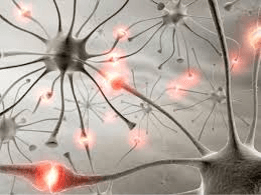
a body system that controls and coordinates all body activities through electric impulses/messages between brain, spinal cord and nerves.
a)
endocrine system 
b)
nervous system
c)
nerve
d)
neuron
6.
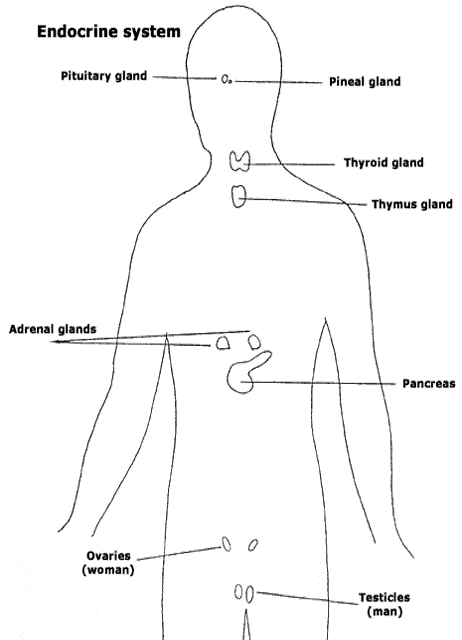
a body system that controls growth and homeostasis by secreting hormones from glands.
a)
skeletal system
b)
nervous system
c)
endocrine sytem
d)
integumentary system
7.
Negative Feedback Loops:
a)
amplify processes
b)
prevent small changes from getting larger
c)
are initiated during childbirth
d)
are found only in plants
8.

Which part of the feedback loop is a body part that makes a change to bring the system back to homeostasis?

a)

Effector

b)

control center

c)

response

d)

receptor

9.

The body part that senses the change inside the organism ...

a)

receptor

b)

control center

c)

effector

d)

response

10.

Identify the response.


Scenario: A person begins to exercise which causes their body temperature to increase. The temperature change is noticed (sensed) and the person begins to sweat and their body temperature decreases.

a)

the person begins to sweat

b)

the person begins to exercise

c)

change in temperature

d)

body temperature increases

11.
What transports substances around the body?
a)
Blood
b)
Sweat
c)
Tears
d)
Urine
12.
If the environment gets cold, we will often shiver in order to:
a)
keep body temperature the same as the external temperature
b)
decrease body temperature
c)
increase body temperature
d)
regulate blood pressure
13.

Insulin and glucagon are produced by

a)

the liver

b)

the pancreas

c)

the kidneys

14.

Auxins are responsible for _____________ of a plant

a)

Colour change

b)

Watering

c)

Phototropism

d)

Growth

15.

The thyroid gland is located in your

a)

brain

b)

neck

c)

chest

d)

abdominal cavity

16.

Which type of hormone is able to pass through the cellular membrane?

a)

Steroid

b)

Non-steroid

17.

Where is the pituitary gland located?

a)

Head

b)

Thoracic cavity

c)

Abdominal cavity

d)

Legs

18.

Which hormone is involved in lactation?

a)

Follicle-stimulating hormone

b)

Growth hormone

c)

Oxytocin

d)

Adrenocorticotropic hormone

19.

Which type of hormone stimulates another gland?

a)

tropic

b)

non-target

c)

steroid

d)

non-steroid

20.

Which type of hormone acts on many tissues in the body?

a)

target

b)

non-target

c)

tropic

d)

more than one of the above