
 Worksheets
Grade 5- T3 MOE sample question paper-1
Total questions: 25
Worksheet time: 17mins

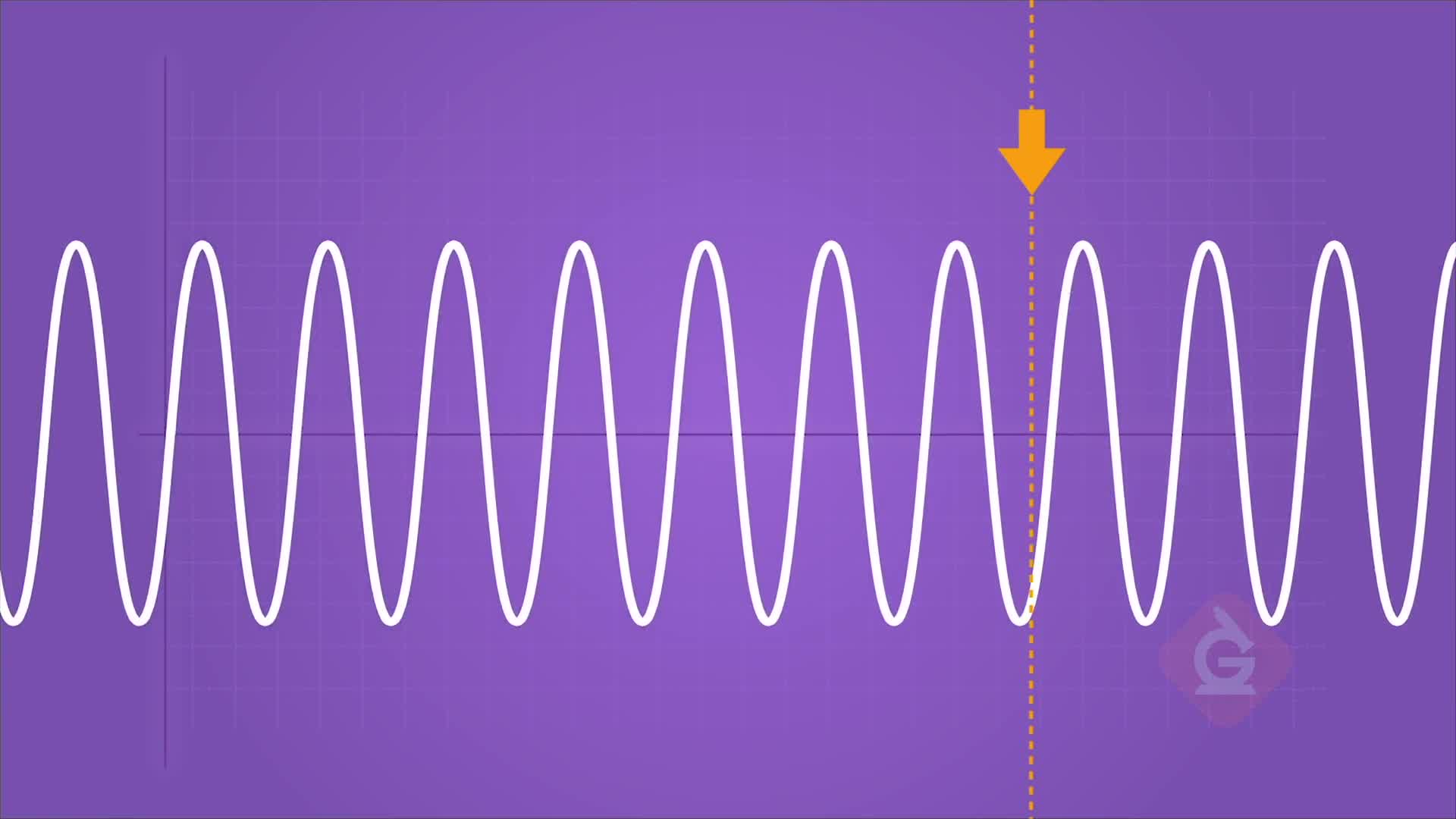

Which of the following has the longest wavelength?
microwaves
UV rays
Infrared
Gamma rays

Which of the following has the longest wavelength?
Gamma rays
The color blue
TV
Infrared
Soil is formed by the breaking down of rocks by the action of wind, water and climate. This process is called
Humification
Weathering
Soil erosion
None of the above
List the order of mediums through which sound travels from fastest to slowest.
Liquid, Gas, Solid
Gas, Solid, Liquid
Solid, Liquid, Gas
Solid, Gas, Liquid

Between waves F and G, which is lower in pitch?
Wave F
Wave G
Which type of vibrations have the HIGHEST amount of energy?
infrasound
sound
ultrasound
They all have the same
amount of energy.
The ______________________ is the change in the OBSERVED frequency of a wave if the sound source, the observer, or both are moving.
Movement effect
Doppler Effect
Zoom Effect
Newton Effect
________________________ is the use of echos, or reflected sound, to find objects.
ultrasound
sonography
echolocation
reflexology
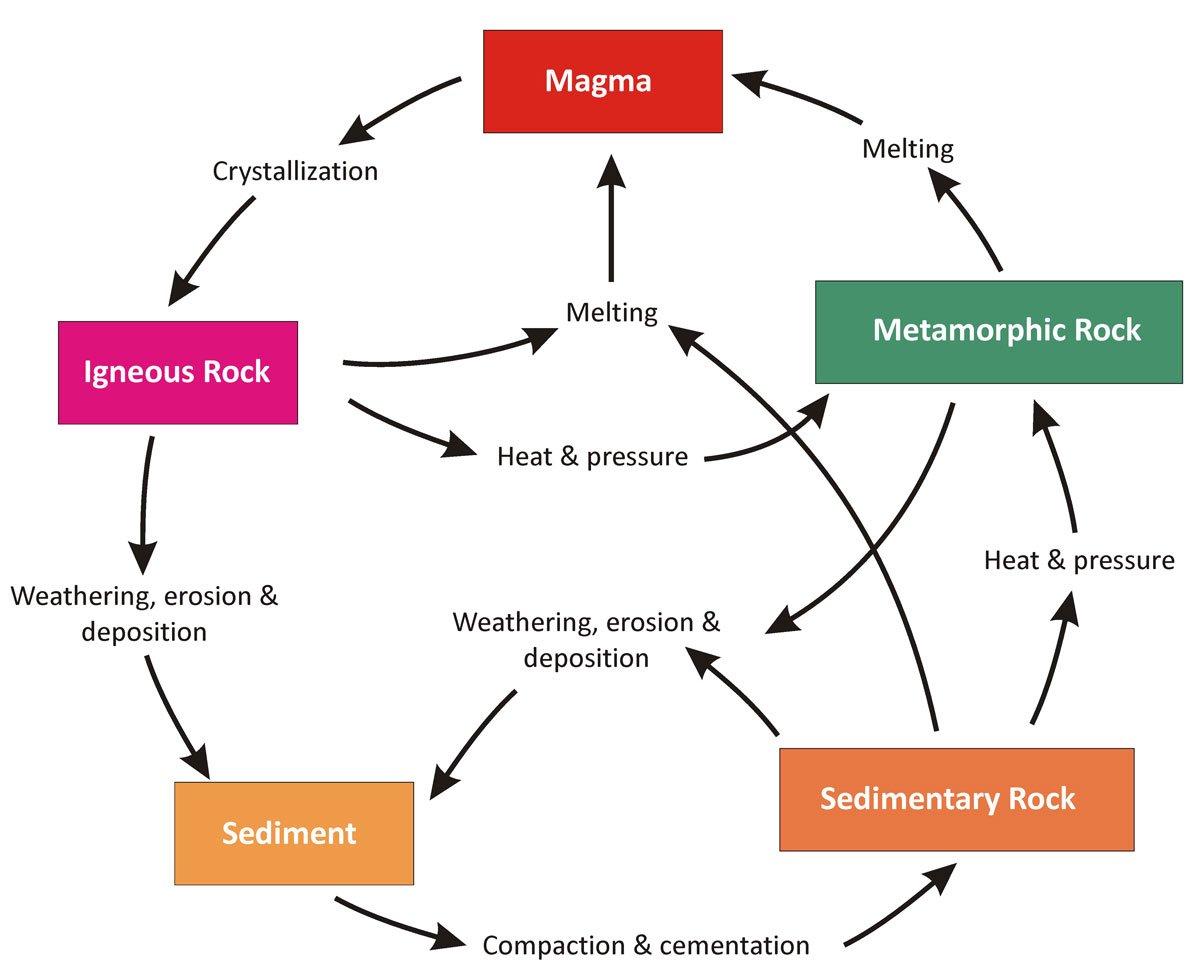

The given rock would most probably be a/ an
Sedimentary
Igneous
Metamorphic
granite

The layer A of the given sedimentary rocks is...
The newest and youngest layer.
The oldest layer.
The only layer that is made from pebbles.
The second layer of sediments.
Which of the following lists the steps an igneous rock undergoes in order to become a sedimentary rock, in the correct order?
Deposition, erosion, melting, cooling
Erosion, weathering, eruption, cooling
Dissolving, deposition, cooling, fracture
Weathering, erosion, deposition, cementation
Hardness:
It’s the ability of some minerals to break in geometric shapes
It's the stripe colour of a mineral
It's a measure of a mineral’s resistance to being scratched
None of the answers is correct
The color of the powder left behind when a mineral is rubbed on a white tile is called its ____________.
Luster
Streak
Fracture
Color
Atoms are arranged in a regular, repeating pattern. Classified by the number of faces and measure of angles. What property is this?
Hardness
Luster
Density
Crystal Structure

Which method protects crops by planting grasses between them
wind break
strip farming
contour plouging
terracing
Crop rotation prevents
Badgers
A build up of pests
The farmer having to plough
Water pollution
Wind blowing sand from one location to another is called
deposition
soil erosion
weathering
flooding

