
NEW
Font size
 Worksheets
Unit 2 World History
Total questions: 78
Worksheet time: 1hrs 21mins


How did the Reformation lead to the Enlightenment?
social classes became less defined during the Reformation
Muslims attracted more followers during the Reformation
people questioned beliefs and authority during the Reformation
The Catholic Church became more powerful during the Reformation
Martin Luther was accused of starting the Peasant Rebellion
true
false
Martin Luther supported the peasants during the Peasant Rebellion.
true
false


1. Ask a question
2. Form a hypothesis
3. Experiment to test hypothesis
4. Analyze data
5. Draw a conclusion


He was a polish mathematician and astronomer who was first to determine that the sun was the center of the solar system.
Galilieo
Humes
Copernicus
Descartes

A German mathematician who was known for his laws of planetary motion in elliptical orbits around the sun.
Leviticus
Kepler
Columbus
Newton

Who proposed a system of EXPERIMENTATION to find new truths through this type of scientific method.
Newton
Bacon
Descartes
Frisius
Who proposed a system of EXPERIMENTATION to find new truths through this type of scientific method.
Newton
Bacon
Descartes
Frisius
How did scientists begin challenging authority during the Scientific Revolution?
By careful observation of nature and willingness to question old beliefs
By reading classic literature
By collecting samples of plant life
By forming new government ideas

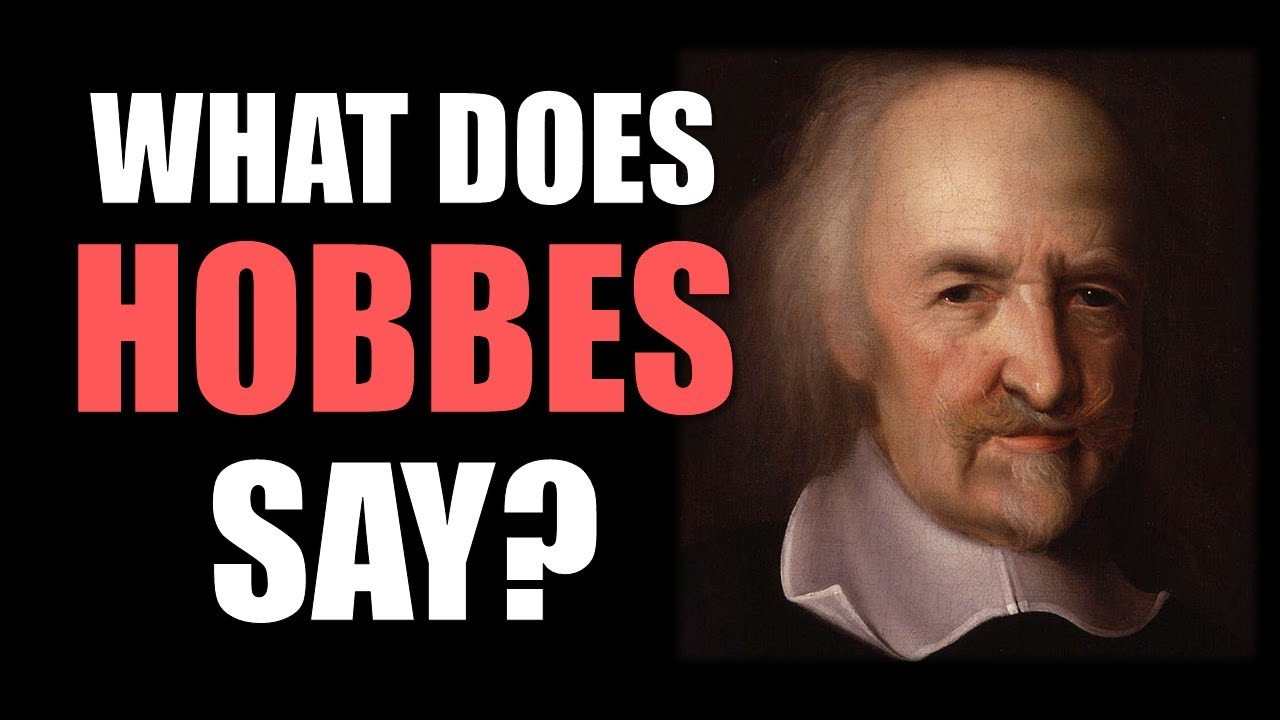
How did Hobbes view human nature?
We are inquisitive and industrious.
We are naturally selfish and quick to fight.
We are naturally ignorant
We are naturally kind and helpful to others
John Locke, Jean Rousseau, and Voltaire all lived during what was called the:
Dark Ages
Middle Ages
Enlightenment
Depression
Which Enlightenment philosopher believed that governments should be based on majority rule?
Rousseau
Voltaire
Locke
Hobbes
Which Enlightenment philosopher argued that power comes from the "Consent of the Governed?"
Hobbes
Locke
Voltaire
Rousseau
Who said citizens require harsh ans strict laws?
Thomas Hobbes
Thomas Jefferson
George Washington
John Locke
The belief that government should be divided so that no one should have complete authority is called....
job specialization
separation of powers
divine rights
monarchy rights
Enlightenment philosopher who believed in freedom of speech and freedom of religion
Locke
Hobbes
Montesquieu
Voltaire
This philosopher believed that government power should be divided into three branches.
Locke
Montesquieu
Voltaire
Beccaria
Enlightenment ideas influenced American colonists to challenge British authority.
True
False
A "break up" letter to King George III of England from the American colonists.
Bill of Rights
US Constitution
Declaration of Independence
Ten Commandments
This philosopher believed in a strong monarchy because people could not be trusted.
Locke
Hobbes
Voltaire
Mr. Salguero
An intellectual movement focused on improving government and society using reason and thought.
natural rights
Scientific Revolution
Enlightenment
10 Commandments
This philosopher believed in education and jobs for women.
Locke
Wollstonecraft
Montesquieu
Hobbes
In the American Government, each branch has the power to prevent the other branches from abusing power.
separation of power
Declaration of Independence
checks and balances
popular sovereignty

A ruler who has complete authority over government and the lives of the people is also called
An absolute Monarch
A democratic King
a limited monarch
a constitutional monarch

Government in which a constitution or legislative body limits the monarch’s power. England adopted this form of government after the Glorious Revolution.
Absolute Monarchy
Limited Monarchy
Democratic Government
None of the above

The belief that authority to rule comes directly from God
Limited Monarchy
Absolutism
Divine Right
God's Plan

A distribution of military and economic power that prevents any one nation from dominating
Absolutism
Balance of Power
Limited Monarchy

An absolute monarch and King of Spain who advanced Catholic power throughout the world.
Louis XIV
Peter the Great
Catherine the Great
Philip II
One of Europe's renown absolutist and French king who built a palace at Versailles
Louis XIV
Peter the Great
Philip II
Oliver Cromwell

Another of the European absolutist. Ruler of Russia who carried out social and economic reforms to modernize the country
Peter the Great
Catherine the Great
Henry the 8th
Elizabeth I

Which French monarch was considered a prime example of absolute monarchy?
Louis XIII
Peter the Great
Louis XIV
Catherine the Great

The American Revolution was motivated by the Enlightened idea
All men are born equal
Of a distinct class system
Of the rightful rule of monarchies
That governments need a central authority

The American Revolution and French Revolution were similar in that both
were encouraged by the enlightenment ideas of natural rights
Sought to limit the participation of people in government
Supported the theory of divine right
a. Increased the influence of religious institutions in government

John Locke and Rousseau believed that the government had an obligation to the people it governed to protect their natural rights. If the government failed to do this, then the people had the right to
continue to be abused
move to another country
overthrow the government
refuse to vote in the next election

. ______________________ is the only system of government in which monarchy is the only source of power
Democracy
Absolutism
Communism
Commonwealth

He was motivated by the examples in the American and French Revolutions. For this reason, it is reasonable to conclude that the Enlightenment ideas would have influenced his determination to liberate Africans from the bonds of slavery in the French Caribbean colony of St. Dominique (Haiti). Who is he?
Simon Bolivar
Toussaint L'Ouverture
George Washington
Napoleon Bonaparte

Finish this American Colonist Motto, "No Taxation without..."
Transportation
Relaxation
Representation
Sensation

Why were the American Colonist taxed after the French and Indian War?
Britain was in debt and needed money
That was the agreement with the Native Americans
They made too much money
Townshend Acts

Most of the people of France belonged to the
1st
Estate
2nd Estate
3rd Estate
4th Estate

What is the significance of the Tennis Court Oath?
it led to a new constitution for France
It resulted in more support for the Louis XVI
it was the beginning of the Reign of Terror
it marked the beginning of the rule of Napoleon

How did the Enlightenment and the American Revolution influence the French Revolution?
the people of France overthrew their absolute monarchy
absolute monarchy was strengthened
support for absolute monarchy increased
Support for the first and second estate went up

Who was Louis XVI?
Leader of Reign of Terror.
King of France when the French Revolution begins.
The French representative at the Congress of Vienna
The absolute monarch who built the Versailles Palace and persecuted French protestants

What happened at the Storming of the Bastille?
When French women stormed the Versailles Palace.
A period of mass executions against any suspected of being a supporter of the monarchy
Storming of a large French prison in Paris, resulting in the members of the third estate acquiring guns and gunpowder.
Napoleon overthrew the National Assembly, becoming dictator of France.

The Committee of Public Safety adopted policies known as the ___________, which led to the deaths of 40,000 French people.
Reign of Terror
League of Nations
Constitutional Convention
National Convention

The leader of the Reign of Terror was
Maximilian Robespierre
Napoleon Bonaparte
Thomas Jefferson
Jacques Du Gaulle

Which military general formally ended the French Revolution when he launched a coup d'etat against the leaders of Paris in 1799?
Toussaint L'ouverture
Napoleon Bonaparte
Simon Bolivar
Jean Paul Marquis

During the Napoleonic Wars, the invasion of _____________ led to immense casualties pf his army, contributing to his eventual fall.
Germany
Russia
Sweden
Spain

Which of the following battles was the final battle of the Napoleonic Wars, resulting in Napoleon's defeat, capture, and exile?
Trafalgar
Verdun
Stalingrad
Waterloo

The first proposed French constitution which gave French people rights and voiced many Enlightenment values was
Declaration of Independence
Magna Carta
Declaration of the RIghts of Man and of the Citizen
English Bill of RIghts
What group was at the top of the Latin American social classes?
Creoles
Mestizos
Peninsulares
Mulattos

The impact of mercantilism was that
The rate of slavery in the Americas went down
Trade was limited in the Atlantic
The Colony grew wealthy
The Mother Country grew wealthy at the colony's expense

