
NEW
Font size
 Worksheets
Body Systems
Total questions: 43
Worksheet time: 1hrs 26mins

Which organ prevents food from entering the windpipe?
The uvala
The tongue
The trachea
The epiglottis
Which are the nutrients digested in the mouth?
Carbohydrates and proteins
Proteins
Carbohydrates
Fats
All the abov
Which are the nutrients digested in the small intestine?
Carbohydrates and proteins
Proteins
Carbohydrates, proteins and lipids
Lipids and proteins
Lipids
What is the enzyme contained in the saliva?
Amylase
Pepsine
Hydrochloride acid
Lipase
Which is the nutrient that bile helps to digest?
Proteins
Lipids
Carbohydrates
Protein and lipids
Rhythmic contractions of smooth muscle that help push food through the GI tract are called
the wave.
peristalsis.
muscularis.
nervosa.
Which of the following may occur due to a lack of mucus in the stomach?
diabetes
ulcer
appendicitis
diarrhea
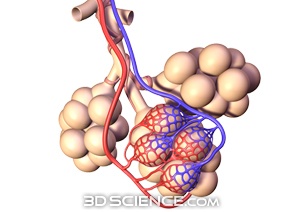
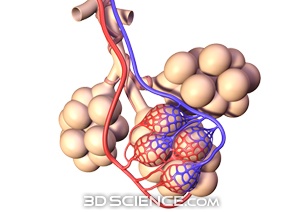
The process of diffusing oxygen from the blood, into the interstitial fluid and into the cells.
inspiration
expiration
internal respiration
external respiration
Which part of the Respiratory System plays a major role in speech?
nose
pharynx
larynx
trachea
Laryngitis is the inflammation of
Oropharynx
Pharynx
Glottis
Larynx
What causes change in pressure when we breathe?
Carbon dioxide levels
Oxygen levels
Diaphragm movement
Hypoxia
Type of circulation that refers to blood flow from the heart to the lungs and back to the heart again?
Systemic circulation
Renal circulation
Portal circulation
Pulmonary circulation
Type of circulation that refers to the blood flowing through the entire body?
Systemic circulation
Renal circulation
Portal circulation
Pulmonary circulation
The type of blood vessel that normally carries de-oxygenated blood back to the heart from body cells?
arteries
capillaries
veins
The type of blood vessel that normally carries oxygenated blood from the heart to the body cells?
arteries
capillaries
veins
The type of blood vessel where exchange of gases, nutrients, and wastes occurs?
arteries
capillaries
veins
What ensures the unidirectional flow of blood through the
heart?
Constant pressure generated by the heart contractions.
Valves within the heart that prevent backflow of blood.
Squeezing action of smooth muscle tissue in arterial walls.
Continuous osmotic outflow of plasma from capillaries.
Oxygenated blood returning from the lungs enters the left
atrium through:
The pulmonary arteries.
The pulmonary veins.
The coronary sinus.
All of the above.
Valves in veins serve to:
Release excessive pressure to protect these thin-walled vessels.
Counteract the crushing force of surrounding skeletal muscles.
Prevent backflow of blood in the absence of high blood pressure.
Adjust blood pressure by compartmentalizing the venae cavae.
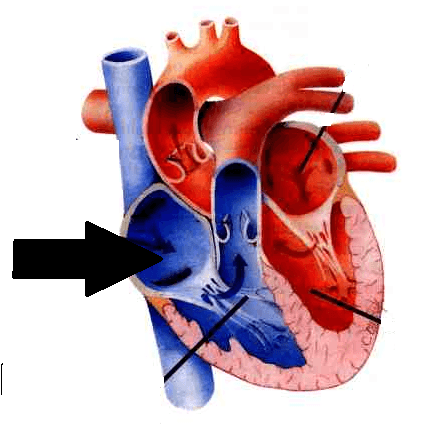
These cells play a vital role in defending the body against infection
Leucocytes
Erythrocytes
Blastocytes
Plasmacytes
_______ function in the life-saving process of clotting blood.
Phagocytes
Leucocytes
Erythrocytes
Platelets
True or false:
Arteries always carry oxygenated blood.
True
False
An open circulatory system is one that has:
no valves present
no heart to pump the fluid
no vessels at all
no distinction between blood and tissue fluid

An abnormal widening/ballooning of a portion of an artery.
aneurysm
embolism
thrombosis
atherosclerosis

When blood is blocked to the brain, it causes...
a heart attack.
high blood pressure.
a stroke.
sickle cell anemia.
What makes up around 55% of the blood?
Plasma
Red Blood Cells
White Blood Cells
Platelets
If the blood in a persons heart is mixing, he/she probably has
heart attack
heart valve disease
thrombosis
hemophilia
What occurs when blood vessel is ruptured in brain?
hemorrhagic stroke
ischemic stroke
embolism
covid 19

