
Font size
 Worksheets
Adaptations in plants.-Revision
Total questions: 24
Worksheet time: 53mins

An adaptation that helps a cactus live in the desert is its
wide, flat leaves to catch water
bright green color
leaves modified to spines
tall stems
Which of the following adaptations best explains how pine trees are able to prevent water loss or damage from freezing temperatures?
Pine trees have thick bark
Pine cones produce seeds.
Pine tree roots go deep underground.
Pine needles are thin and have a wax coating.
The trees that remain almost green throughout the year
Terrestrial
Aquatic
Deciduous
Evergreen
One example of trees that bear cones with seeds
Rubber
pine
Coffee

Desert plants have a coat of wax on their stems to
prevent transpiration
protect them from animals eating them
absorb water from the air
release scent to attract animals
Plants that grow on land are called
aquatic
terrestrial
dessert plants

Needle like leaves are seen in the trees that grow in _____________.
hills
forests
coastal regions
marshes
Which plant grows in marshes or swamps?
Coconut Tree
Mangroves
Cactus
Mango tree
In coastal regions we see ____________ trees .
acacia
coconut
mangroves
Mangrove trees have this feature
Stilt roots
Breathing roots
Both 1 and 2
None

Some trees keep their leaves all winter. These trees are called _________.
Wintry
Seasonal
Evergreen
Deciduous

What is the name of this adaptation of trees
Wing roots
Beet roots
Buttress roots
Flared roots
To prevent water from standing on leaves and to slide of easily the leaves have ______________ coating.
rough
waxy

Coniferous or Deciduous?
Coniferous
Deciduous

The picture shown is an adaptation in the _______________ trees .
Coniferous
Deciduous
Coniferous trees have ______ shapes which allow snow to fall off.
Conical
Round
Flat
An adaptation that helps a cactus live in the desert is its
wide, flat leaves to catch water
bright green color
thin, spiny needles
tall stems
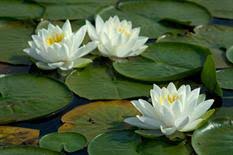
Water lilies live in lakes and ponds. It is an example of
Free floating plant
Fixed plant
Submerged plant
Why does the carnivorous plant eat bugs?
Soil in the swamps has few nutrients.
Soil in the pond has few fish.
Soil in the swimming pool has few plants.

Water lilies live in lakes and ponds. The lilies have very long stems. The picture above shows a water lily in a pond. How do long stems help water lilies live in ponds?
They absorb food for the plant.
They absorb water from the pond.
They enable the pads and flower to reach sunlight.
They help the plants float away.
Match with correct one:-
a) Wolffia/ Duckweed
Arboreal organism
free floating aquatic plants
aerial organisms
How do aquatic animals get oxygen ?
From the aquatic plants that grow in water
From sunlight
From other aquatic animals
from the ships that sail in water
Where is the stomata of lotus plants found?
on the root
on the stem
on the upper side of the leaf
on the bottom side of the leaf
The fixed and submerged aquatic plants are able to survive water pressure due to _________________
due to the stomata on the leaves
due to floating flowers
due to the hollow stem
The air pores on their stem

