
 Worksheets
Classification
Total questions: 14
Worksheet time: 13mins
Name
Class
Date
1.
What is binomial nomenclature?
a)
system of 3 names
b)
system of 2 names
c)
the names of the kingdoms
d)
the levels of classification
2.
Who created the 2 name system?
a)
Linnaeus
b)
Edison
c)
Darwin
d)
Einstein
3.
What level comes after order?
a)
genus
b)
kingdom
c)
family
d)
species
4.
What level comes before class?
a)
phylum
b)
domain
c)
order
d)
family
5.
The _________ levels that 2 organisms share, the more similar they are to each other.
a)
fewer
b)
more
6.
Which of these has a backbone?
a)
jellyfish
b)
squid
c)
worm
d)
snake
7.
What is the study of classification?
a)
taxonomy
b)
biology
c)
botany
d)
microbiology
8.
Why do scientists classify living things?
a)
It helps scientists trap species to study
b)
It is easier to study organisms when grouped
c)
It is a good way to keep organisms calm
d)
It is helpful when dissecting an organism
9.
Which taxa has more organisms, family or phylum?
a)
phylum
b)
family
c)
they are equal
d)
not enough information to answer
10.
What statement would NOT be good for a dichotomous key?
a)
The organism has 1 dorsal fin
b)
The organism is ugly
c)
The organism has leaves in groups of three
d)
The organism has 6 legs
11.

Which kingdom do humans belong to?
a)
Plantae
b)
Fungi
c)
Animalia
d)
Protista
12.
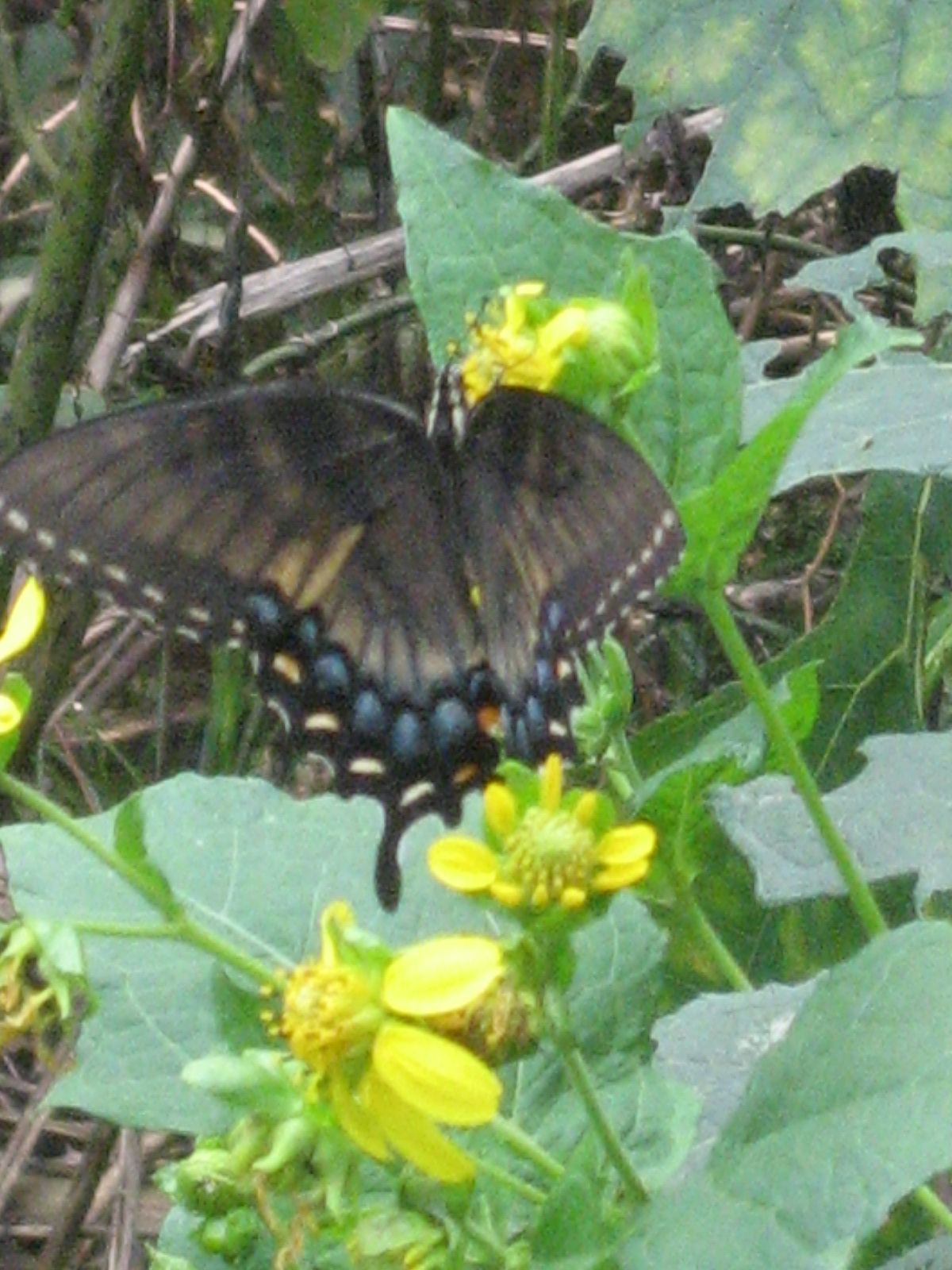
The 8 levels of classification, most broad to most specific.
a)
Domain, Genus, Family, Order, Class, Phylum, Kingdom, Species
b)
Domain, Species, Kingdom, Genus, Phylum, Family, Class, Order
c)
Domain, Kingdom, Phylum, Class, Order, Family, Genus, Species
d)
Order, Kingdom, Species, Domain, Phylum, Family, Class, Genus
13.
What is the most specific level of classification?
a)
Family
b)
Domain
c)
Species
d)
Carolus Linnaeus
14.
The first part of a scientific name is an organism's _______________ and the second part is its ________________.
a)
species, genus
b)
phylum, order
c)
class, spices
d)
genus, species
100 %

