
 Worksheets
Biodiversity
Total questions: 20
Worksheet time: 40mins
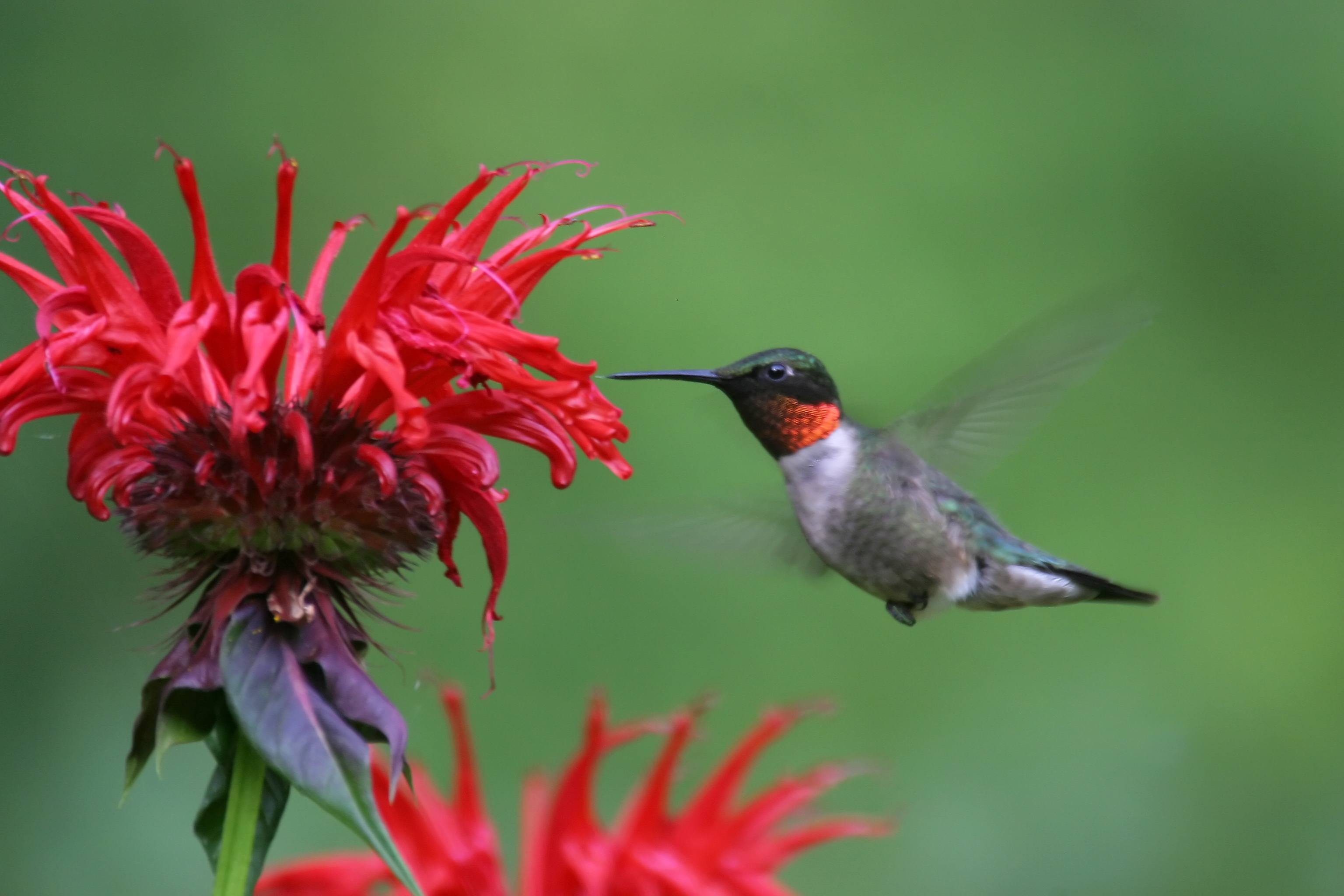

Aphids are tiny insects that live on and eat the leaves of plants, removing vital nutrients from the plants.
Predation
Parasitism
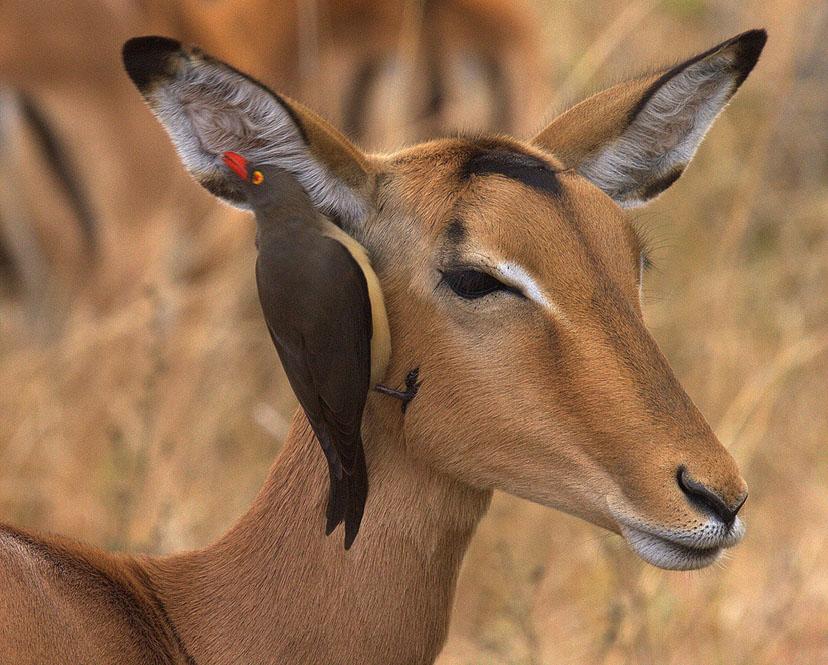
Commensalism
Mutualism

Abiotic is non-living
Define genetic diversity
a variety of genes and traits within a species
a variety of ecosystems in a given area
system made up of all the living and nonliving things in a given area
a variety of species in an ecosystem
Define mutualism
symbiotic relationship where both organisms benefit from interaction
symbiotic relationship where one organism benefits and the other is harmed from interaction
symbiotic relationship where one organism benefits and the other is neither harmed nor benefited
Define commensalism
symbiotic relationship where one organism benefits and the other is neither harmed nor benefited
symbiotic relationship where both organisms benefit from interaction
symbiotic relationship where one organism benefits and one organism is harmed
Define parasitism
symbiotic relationship where one organism is harmed and one is benefited
symbiotic relationship where both organisms benefit from interaction
symbiotic relationship where one organism benefits and one organism is harmed
Define competition
symbiotic relationship where both organisms benefit from interaction
when two or more individuals or populations try to use the same limited resources
variation of genes within an ecosystem in a given area
variety of life among Earth's land, freshwater, and marine ecosystems

A population is
a group of similar species in different areas
a group of the same species in the same geographic area.
a group of several species in the same geographic area
a group of several species along with their abiotic factors in a small area.
A diagram that shows how food chains are connected in an ecomsystem.
food web
food chain
parasitism
mutualism
An organism that makes its own food through the process of photosynthesis.
decomposer
carnivore
producer
herbivore

